Modern medical recovery garments combine science, engineering, and patient care to enhance healing outcomes while supporting hospitals and apparel brands with reliable, scalable solutions. High-quality production partners like LSLONG enable healthcare institutions and brands to align safety, comfort, and efficiency in a data-driven medical apparel landscape.
How Is the Current Industry Adapting to Growing Healthcare Demands?
The global medical apparel market is expanding rapidly, projected to reach over USD 140 billion by 2030 (source: Grand View Research). Post-surgery garments play a growing role, with demand rising due to aging populations, increased cosmetic and orthopedic procedures, and stricter hygiene standards. Hospitals now require garments that go beyond basic wear—they must offer functionality, patient comfort, and clinical performance.
However, supply chains remain under pressure. According to the American Hospital Association, over 80% of hospitals still face procurement challenges for personalized or specialty textiles. Custom-fit recovery garments are often costly or delayed, creating inefficiencies in post-surgical recovery and brand differentiation.
Rising expectations among patients and medical staff are transforming this market. Clinics prioritize easy-to-sterilize, breathable, adaptive-fit materials, while healthcare clothing brands seek customization, faster delivery, and sustainable sourcing. Without agile manufacturing, both groups struggle to maintain competitiveness.
What Limitations Exist in Traditional Recovery Garment Solutions?
Traditional recovery garments often rely on bulk production, limited sizing, and low elasticity materials that hinder healing and comfort. For hospitals, these garments cause fit inconsistencies leading to patient discomfort and delayed recovery. For apparel brands, the lack of OEM/ODM flexibility restricts innovation and design freedom.
Other common issues include:
Manual stitching techniques that compromise uniform pressure distribution.
Slow production lead times due to fragmented supplier networks.
Difficulty in meeting ISO-certified healthcare safety standards.
Limited availability of eco-friendly fabrics that align with ESG goals.
The result is an underperforming system that cannot meet modern expectations for both clinical performance and business scalability.
How Does LSLONG Provide a Comprehensive Solution?
LSLONG, a leader in professional medical and sportswear manufacturing, integrates design, material innovation, and smart production to support both hospitals and apparel brands. Their OEM/ODM services help clients achieve comfort, compression accuracy, and fast market responsiveness.
Key features include:
Customized compression and fit: Advanced simulation technology ensures garments adapt perfectly to different body shapes and recovery phases.
Certified quality systems: ISO 9001, ISO 14001, and ISO 45001 compliance guarantees durability, sustainability, and workplace safety.
Flexible production capacity: With over 10,000 sq.m factory space and 500 skilled employees, LSLONG delivers 500,000+ units monthly without compromising precision.
Sustainable materials: Eco-oriented fabrics such as recycled polyester and medical-grade spandex meet healthcare and environmental standards.
Through these capabilities, LSLONG bridges the gap between clinical-grade performance and brand-level customization.
Which Key Benefits Distinguish Advanced Solutions from Traditional Ones?
| Criteria | Traditional Garments | LSLONG Medical Recovery Garments |
|---|---|---|
| Fit & Comfort | Limited size options | Custom-fit with adaptive compression mapping |
| Production Efficiency | Slow, fragmented supply | Integrated OEM/ODM with agile lead times |
| Material Quality | Basic cotton or nylon | Medical-grade antibacterial and breathable fabrics |
| Certification | Often uncertified | ISO 9001/14001/45001 certified |
| Sustainability | Minimal focus | Eco-conscious material sourcing and waste reduction |
| Custom Branding | Restricted | Full brand integration with logo embroidery and color matching |
How Can Hospitals and Brands Implement the Solution?
LSLONG’s integration process follows a step-by-step model:
Consultation – Define garment needs by surgery type, patient profile, or market segment.
Design & Sampling – Test compression levels, stitching methods, and size grading using digital design tools.
Prototype Validation – Hospitals evaluate clinical comfort and recovery outcomes; brands review style and branding.
Mass Production – Automated machinery ensures consistency across high-volume runs.
Quality Inspection & Delivery – Each batch passes multi-point inspection and global logistics coordination.
This process ensures faster turnaround and consistent product integrity across every batch.
Who Benefits Most from These Solutions? (4 Case Scenarios)
Case 1: Orthopedic Clinic Recovery
Problem: Patients complained of stiffness and discomfort.
Traditional Method: Used standard compression wraps.
After LSLONG Adoption: Introduced adaptive-fit garments improving flexibility and recovery times by 27%.
Key Benefit: Enhanced patient satisfaction and reduced post-op complications.
Case 2: Aesthetic Surgery Center
Problem: Brand differentiation was weak due to generic post-op garments.
Traditional Method: Relied on imported, non-branded products.
After LSLONG Adoption: Custom-branded garments built brand trust.
Key Benefit: 40% increase in repeat patient visits.
Case 3: Hospital Chain Procurement
Problem: Multiple suppliers caused inconsistency.
Traditional Method: Manual procurement and delayed delivery.
After LSLONG Adoption: Centralized OEM production across all hospitals.
Key Benefit: Reduced supply lead time by 35%, lowering inventory costs.
Case 4: Sports Recovery Brand
Problem: Product range lacked functional recovery wear.
Traditional Method: Used general activewear designs.
After LSLONG Adoption: Co-developed hybrid post-training compression line.
Key Benefit: 50% faster market entry and improved brand reputation.
Why Is Now the Best Time to Invest in Advanced Recovery Garments?
Global healthcare modernization is accelerating, with personalized recovery solutions expected to become a procurement standard by 2028. As patient-centered care expands, hospitals and apparel brands that implement certified, high-performance garments now will gain lasting operational and reputational advantages.
LSLONG’s 25-year expertise demonstrates that early adopters of integrated manufacturing achieve stronger brand alignment, reduced logistic friction, and higher compliance with emerging safety and sustainability mandates.
FAQ
1. Can medical recovery garments be customized for specific surgeries?
Yes, they can be tailored for different recovery needs including orthopedic, aesthetic, and postpartum applications.
2. Are these garments reusable or single-use?
Most LSLONG garments are designed for multiple use cycles with proper sterilization.
3. Does LSLONG support small-batch orders for pilot programs?
Absolutely. Their production system supports both small-batch testing and large-scale rollout.
4. How long is the typical production lead time?
Depending on customization, orders are usually completed within 25–40 days.
5. Are eco-friendly materials available for medical applications?
Yes, LSLONG offers sustainable and antibacterial fabric options certified for medical use.
Sources
https://www.grandviewresearch.com/industry-analysis/medical-apparel-market
https://www.aha.org/data-insights/hospital-supply-chain-issues
https://www.statista.com/statistics/medical-textiles-market-size
Author Profile

-
LISLON is a leading China OEM clothing manufacturer based in Shenzhen, Guangdong, the core of China’s garment industry. Founded in 1999, we specialize in custom polo shirts, T-shirts, sportswear, corporate uniforms, and hoodies with flexible OEM/ODM services.
Trusted by global brands like Mercedes-Benz, BYD, China Mobile, and PetroChina, LISLON delivers reliable, high-quality bulk apparel manufacturing. Contact us for expert support on your custom clothing production.
Latest entries
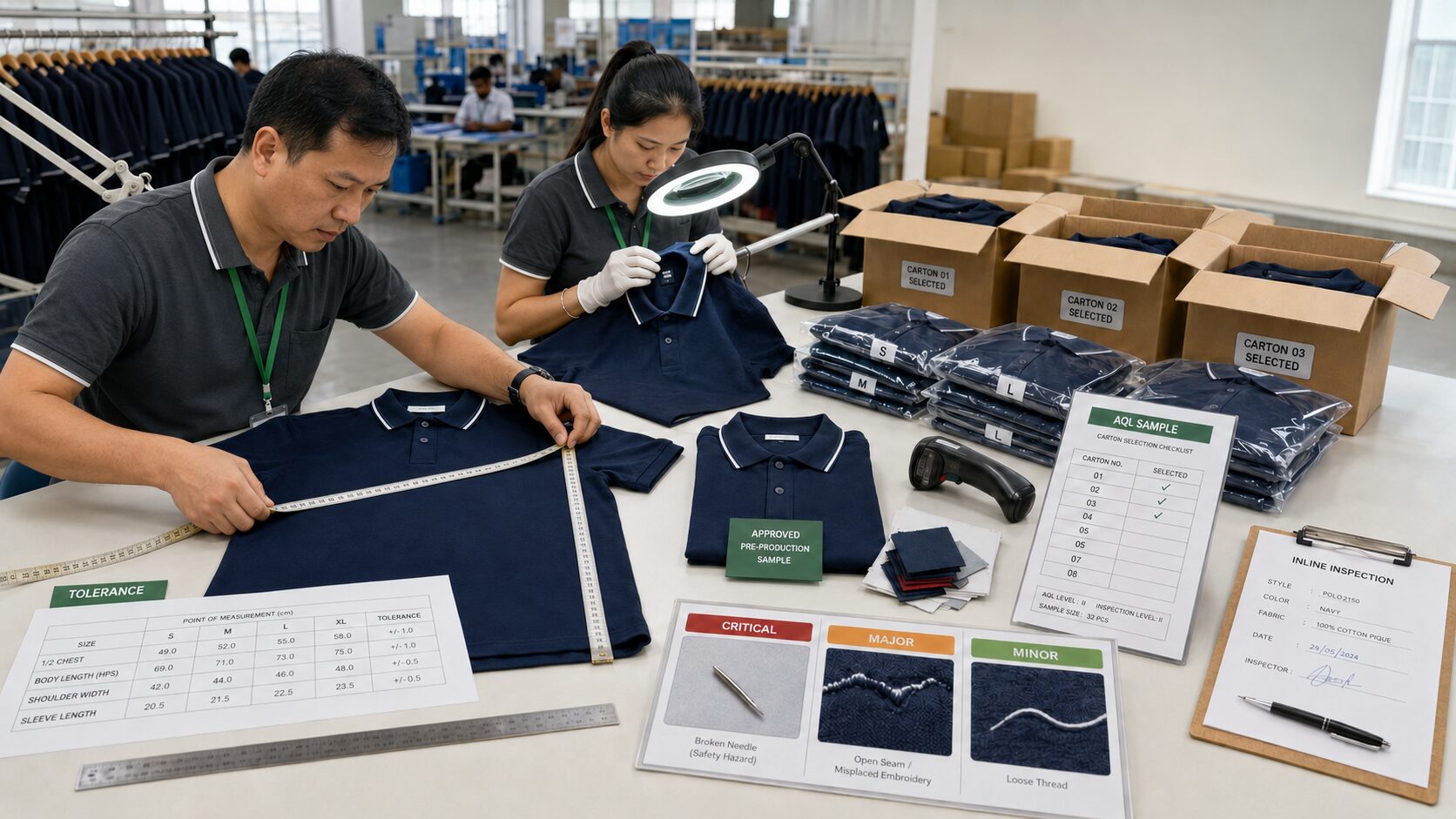
 Apparel Brand Business2026-07-21Custom Clothing Quality Inspection: AQL Levels, Measurement Tolerances and Defect Classification Explained
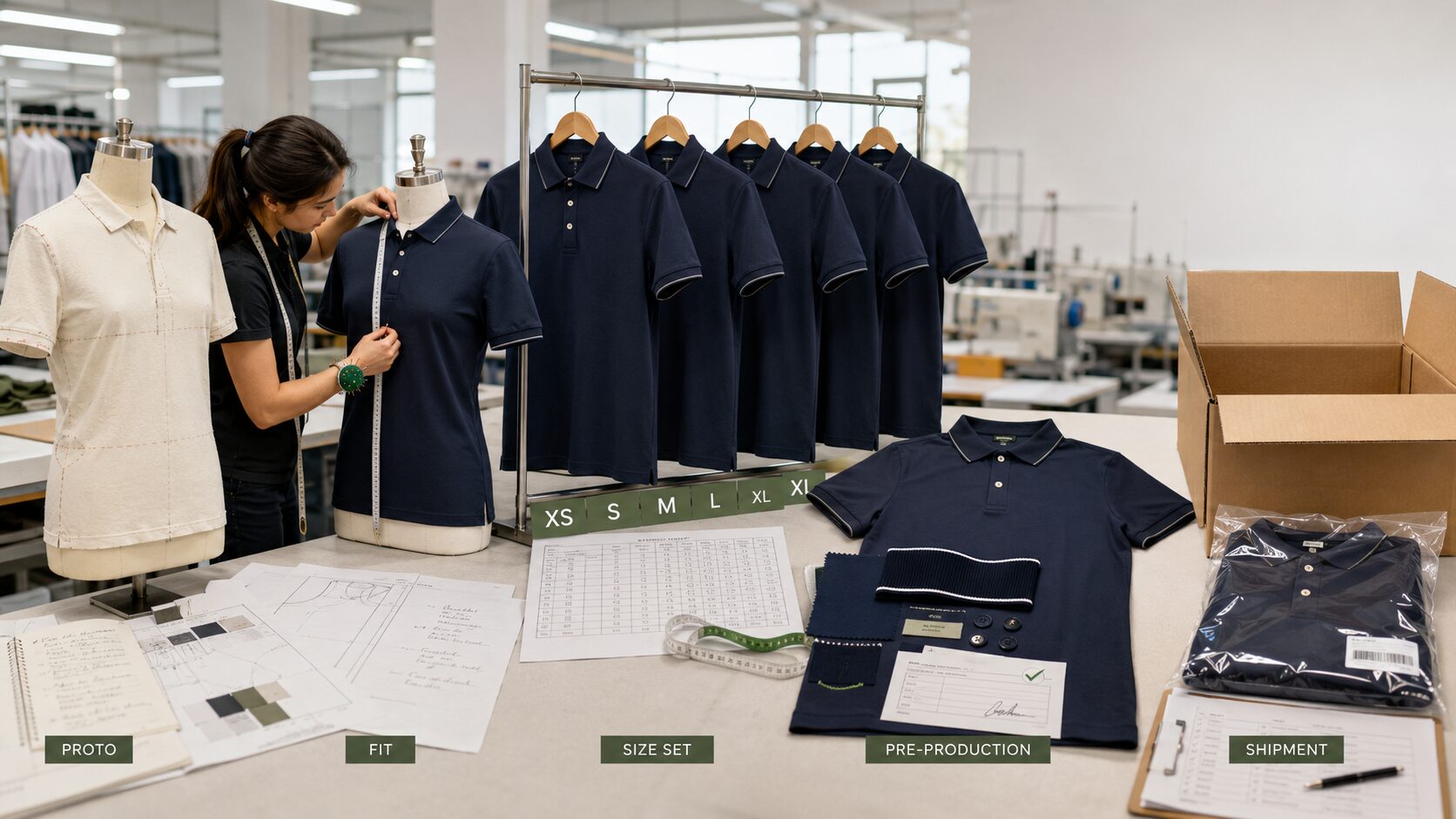
- Apparel Brand Business2026-07-20Garment Sampling Explained: Proto, Fit, Size-Set, Pre-Production and Shipment Samples
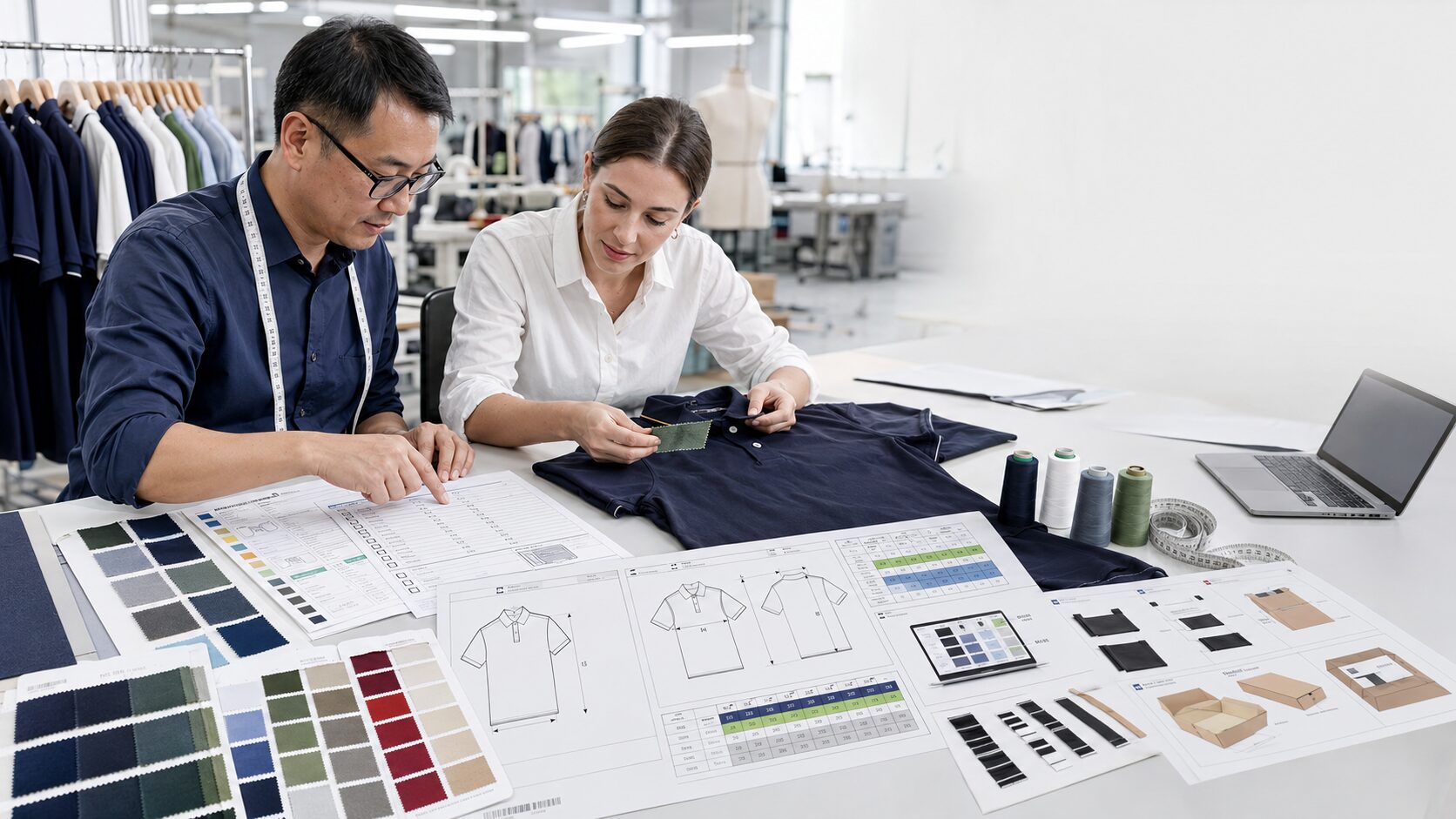
- Apparel OEM2026-07-18How to Prepare an Accurate Custom Apparel RFQ: 20 Specifications Every Clothing Factory Needs
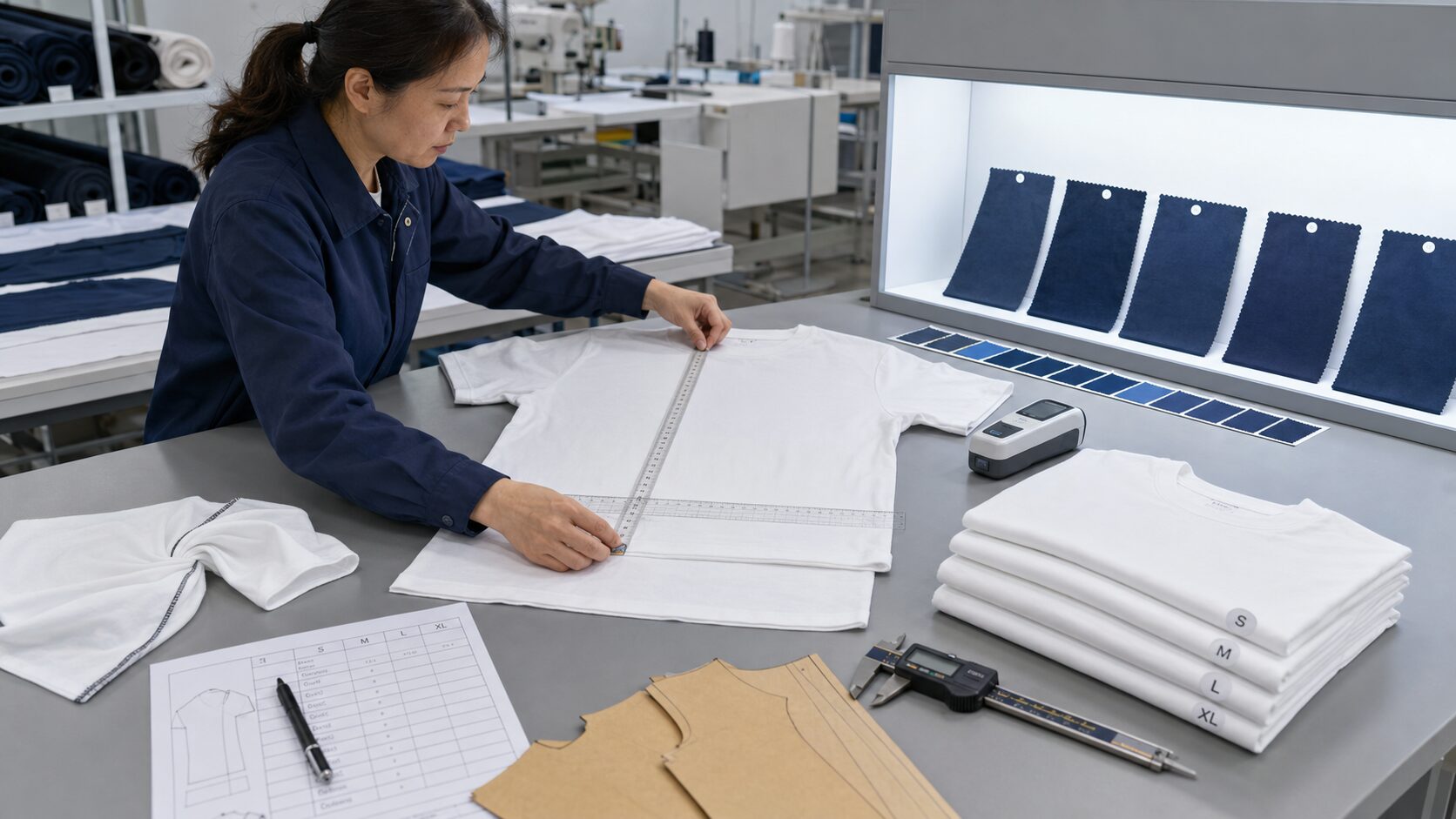
- Knowledge2026-07-17How Clothing Factories Control Shrinkage, Color Variation and Size Inconsistency