How Do Chinese OEMs Drive Sustainable Sportswear Supply?
The global sportswear industry is shifting toward sustainability, with major brands now demanding low-impact, traceable production at scale. Chinese OEMs are stepping up as key enablers, using advanced materials, green manufacturing, and certified supply chains to deliver high-performance sportswear that meets ESG goals without sacrificing quality, cost, or speed to market.
How Bad Is the Sportswear Industry’s Environmental Footprint?
The sportswear and apparel sector is a major contributor to global environmental stress. Textile production consumes about 93 billion m³ of water annually, equivalent to 20% of all industrial water use, and generates around 20% of global industrial wastewater. The Ellen MacArthur Foundation reports that the fashion industry is responsible for 4–10% of global carbon emissions, and only about 1% of clothing is recycled into new garments. Synthetic performance fabrics like polyester and nylon, widely used in sportswear, are typically derived from virgin fossil fuels and shed microplastics throughout their lifecycle.
Consumer behavior is compounding the problem. Global apparel consumption is projected to grow from 62 million tons in 2015 to 102 million tons by 2030, driven by fast fashion and rising demand for activewear. At the same time, overproduction and waste remain systemic: the industry discards roughly 92 million tons of textile waste each year, much of it ending up in landfills or incinerators. This linear “take–make–dispose” model is no longer viable for brands facing tightening regulations, investor ESG scrutiny, and consumer expectations for transparency.
Why Are Traditional Sportswear Supply Chains Still Unsustainable?
Most conventional sportswear supply chains remain heavily reliant on virgin polyester, conventional cotton, and resource-intensive dyeing and finishing processes. Virgin polyester alone accounts for about 55% of global fiber production, mostly derived from petroleum, and its production is energy-intensive and emits significant CO₂. Conventional cotton farming is water- and pesticide-heavy, with the World Bank estimating that 1 kg of cotton requires around 10 000–20 000 liters of water. In many regions, water scarcity and pollution from textile mills are already severe.
Fragmentation and lack of visibility also undermine sustainability efforts. Many sportswear brands outsource to multiple Tier 2/3 suppliers, making it difficult to track raw material origins, chemical usage, energy sources, and labor conditions. Few factories have comprehensive environmental management systems or real-time monitoring of water and energy use. As a result, audits often reveal violations in chemical handling, wastewater discharge, and greenhouse gas emissions, forcing brands to either invest heavily in remediation or face reputational and regulatory risks.
How Are Chinese OEMs Transforming the Sportswear Supply Chain?
Leading Chinese OEMs are moving from cost-driven factories to sustainable solution partners, integrating circularity, traceability, and performance into their core offering. They are investing in recycled high-performance fabrics, adopting closed-loop water and energy systems, and aligning with global standards like ISO 14001 and OEKO‑TEX® to reduce environmental impact across the entire production lifecycle.
These manufacturers are combining large-scale production capacity with agility, enabling brands to run both small pilot batches and large seasonal campaigns under one roof. They provide end‑to‑end services from design and fabric R&D to cut‑make‑trim, branding, packaging, and logistics, simplifying supply chain management and reducing coordination overhead. By consolidating operations in ISO‑certified facilities, they can deliver consistent quality, faster turnaround times, and auditable sustainability data that brands can use in their reporting.
How Are Current Industry Practices Failing on Sustainability?
Why Are Most Brands Still Struggling with Green Sportswear?
Most mainstream sportswear lines still rely on virgin polyester, conventional cotton, and foam-based padding, which are cheap but unsustainable. Virgin polyester is fossil‑fuel‑derived and slow to degrade, contributing to microplastic pollution when washed. Conventional cotton farming is water‑intensive and heavily reliant on synthetic fertilizers and pesticides, leading to soil degradation and water pollution. Many brands want to shift to more sustainable alternatives but face three main roadblocks: inconsistent material quality, lack of reliable suppliers, and higher costs.
What Are the Limits of “Greenwashing” in Sportswear?
Greenwashing—using vague terms like “eco‑friendly” or “natural” without proof—has backfired as regulations and consumer expectations tighten. Many brands now face legal scrutiny for misleading environmental claims, especially when products contain only small percentages of recycled content or when environmental benefits are exaggerated. For example, a “recycled” item may still use virgin polyester in labels, trims, or linings, or be produced in facilities with high carbon emissions and poor wastewater treatment. Without verifiable, factory‑level data, sustainability claims lack credibility and can damage brand trust.
How Do Traditional Factories Fail in Transparency and Compliance?
Traditional sportswear factories often lack the systems needed to support true sustainability. Many still use outdated dyeing and finishing machines that consume large volumes of water and energy, and discharge untreated or poorly treated wastewater into local waterways. Chemical management is frequently ad hoc, with limited documentation of auxiliaries, dyes, and finishing agents. This lack of process control makes it difficult to meet strict standards like ZDHC, REACH, CPSIA, or bluesign®.
From a social and governance perspective, many older factories do not have formal occupational health and safety (ISO 45001) or environmental management (ISO 14001) systems. Audits often reveal gaps in worker training, fire safety, and emergency preparedness. Without third‑party‑certified systems in place, brands cannot confidently claim that their products are made in safe, ethical conditions, which is a growing expectation from consumers, investors, and retailers.
What Does a Sustainable Sportswear OEM Solution Look Like?
How Do Modern Chinese OEMs Integrate Sustainable Materials?
Leading OEMs now source and blend a range of eco‑preferences, including recycled polyester (rPET) from post‑consumer plastic bottles, organic cotton, TENCEL™ lyocell, and biodegradable elastics. Recycled polyester reduces reliance on virgin fossil fuels and lowers the carbon footprint of sportswear by up to 30–50% compared to virgin polyester. These materials are engineered to maintain performance properties like moisture‑wicking, stretch, and durability, so brands do not have to compromise on functionality.
Manufacturers also offer technical fabric innovations such as recycled performance blends, moisture‑management knits, and compressive knits made with recycled fibers. These are suitable for running, training, gym, and outdoor applications, allowing brands to launch performance lines that are both high‑performance and environmentally responsible. Material traceability is improved through supplier documentation and, where available, QR‑code or blockchain‑based batch tracking.
How Is Green Manufacturing Implemented at Scale?
Sustainable OEMs deploy multiple technologies to reduce environmental impact across the production process. Digital printing and low‑impact dyeing processes reduce water consumption by up to 40–60% compared to conventional dyeing, while closed‑loop water treatment systems allow for significant reuse of process water. Energy‑efficient machinery, LED lighting, solar panels, and optimized production scheduling lower electricity demand and Scope 1–2 emissions.
Waste reduction is another key focus. Fabric off‑cuts are sorted and recycled into new yarns or non‑wovens, and trims, packaging, and labels are selected to be recyclable or compostable where technically feasible. Chemical management systems ensure that only approved, low‑impact dyes and auxiliaries are used, meeting OEKO‑TEX® Standard 100 or similar requirements. Regular environmental audits and continuous improvement programs help maintain compliance and further reduce waste, water, and emissions over time.
How Do OEMs Ensure Quality and Compliance in Sustainable Sportswear?
Modern sustainable OEMs operate under internationally recognized management systems such as ISO 9001 (quality), ISO 14001 (environmental), and ISO 45001 (occupational health and safety). These certifications require documented processes, regular internal audits, and corrective actions, creating a structured framework for consistent quality and responsible operations. Brands can request audit reports, factory certifications, and material test results to support their own ESG and compliance reporting.
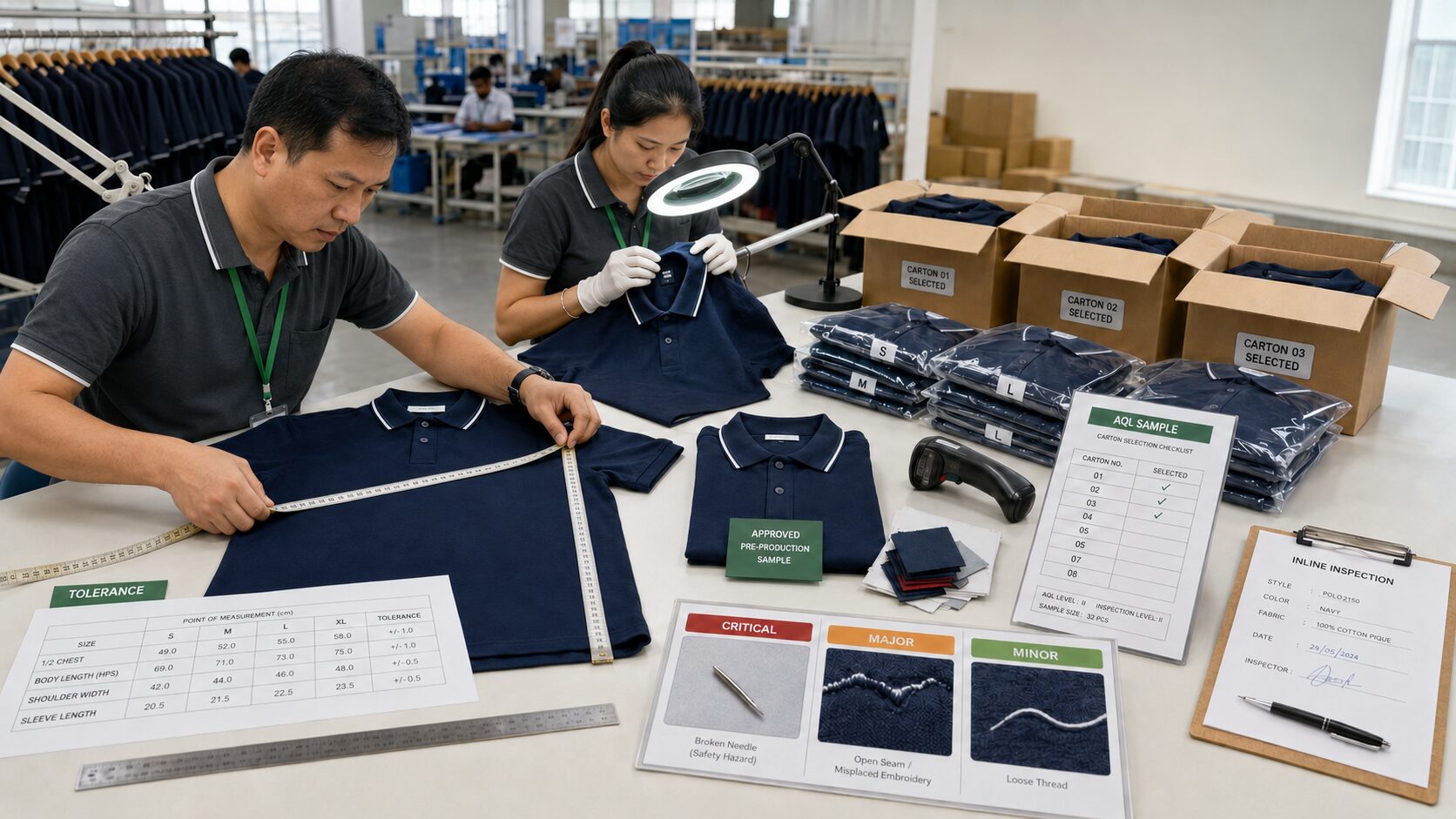
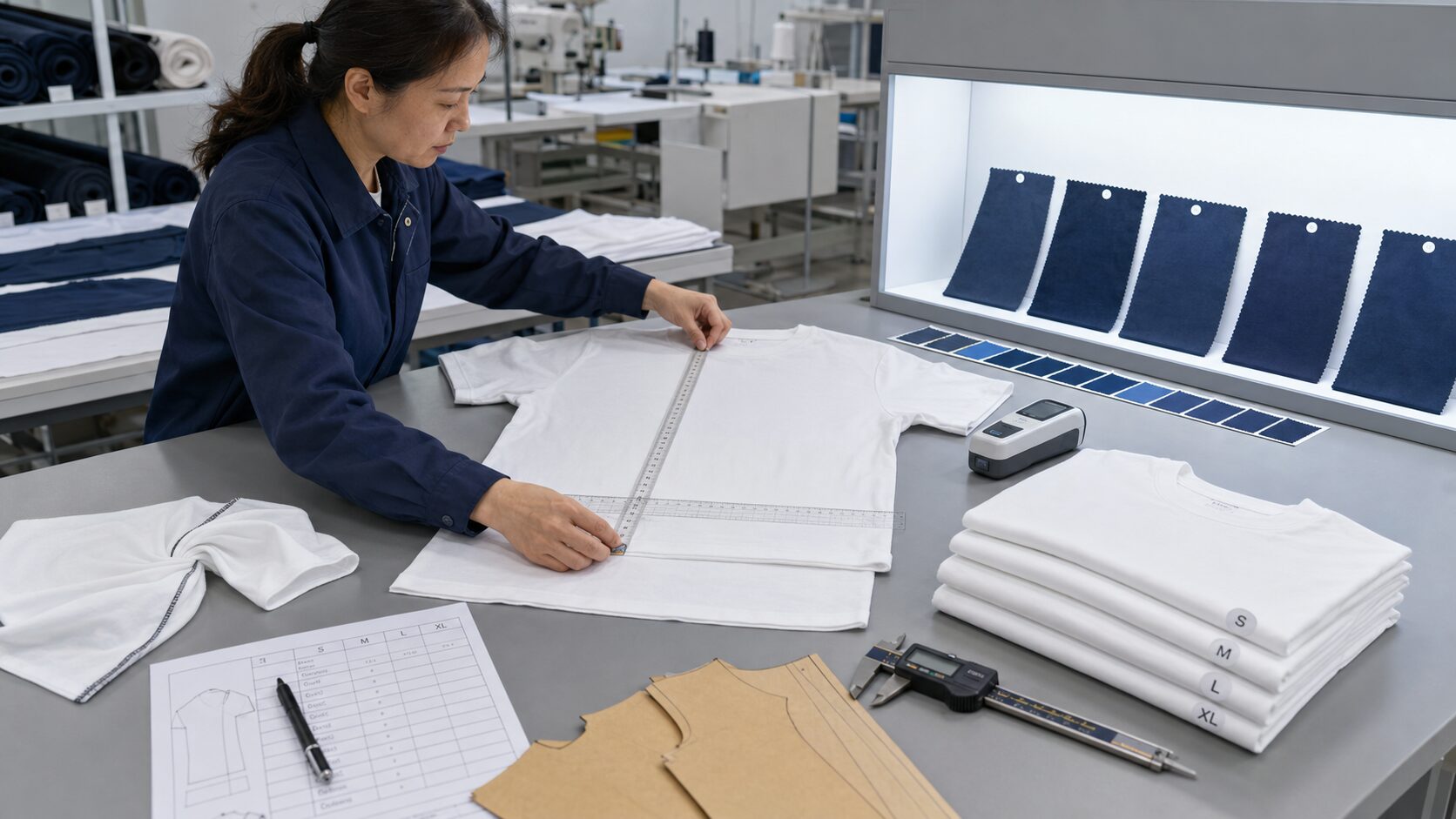
A dedicated quality control team performs inspections at every stage: incoming fabric, pre‑production approval, in‑line production checks, and final shipment. This reduces the risk of defects, color mismatches, and compliance issues. For brands, this means fewer customer complaints, lower return rates, and greater confidence in launching new sustainable product lines across multiple markets.
How Much Better Is the OEM Approach vs. Traditional Sourcing?
Below is a comparison of traditional sportswear sourcing versus a modern, sustainable OEM model in China:
| Aspect | Traditional Sourcing | Sustainable OEM Solution |
|---|---|---|
| Primary Materials | Virgin polyester, conventional cotton, generic trims | Recycled polyester, organic cotton, TENCEL™, biodegradable elastics |
| Production Scale | Often fragmented across multiple small workshops | Integrated, large‑scale facilities (10,000+ m²) capable of 500,000+ units/month |
| Environmental Systems | Basic or no formal environmental management | ISO 14001‑certified with water‑saving dyeing, energy‑efficient machines, waste recycling |
| Quality & Safety | Inconsistent QC, limited safety training | ISO 9001 + ISO 45001, with documented QMS, fire safety, and health protocols |
| Traceability & Compliance | Limited documentation, difficult to verify | Certifications, test reports, and controlled chemical lists available |
| Carbon/Water Footprint | High energy and water use, no mitigation | Reduced water consumption, lower emissions, and documented reduction initiatives |
| Minimum Order Quantity (MOQ) | Often high, inflexible for small brands | Flexible MOQs, suitable for pilot runs and small batches |
| Time to Market | Long lead times due to coordination across multiple partners | End‑to‑end control shortens production cycle and improves reliability |
This structured OEM approach turns sustainability from a compliance burden into a scalable, measurable advantage.
How Can a Brand Implement a Sustainable Sportswear OEM Partnership?
Step 1: Define Product Requirements and Sustainability Goals
Start by clearly outlining the product type (e.g., training tops, running shorts, gym leggings), target price range, performance needs (moisture‑wicking, stretch, compression), and sustainability KPIs (e.g., minimum % of recycled content, water usage reduction, preferred certifications). Share design sketches, tech packs, or samples if available, along with any brand guidelines for colors, logos, and packaging.
Step 2: Select Materials and Confirm Compliance
Work with the OEM’s R&D team to choose base fabrics and trims that meet both performance and sustainability targets. Options typically include recycled polyester, organic cotton blends, TENCEL™ blends, and low‑impact dyes. The OEM can provide swatches, test reports, and compliance certificates (e.g., OEKO‑TEX®, ISO 14001) for each material option, helping to ensure regulatory and ESG alignment.
Step 3: Finalize Tech Pack and Approve Prototypes
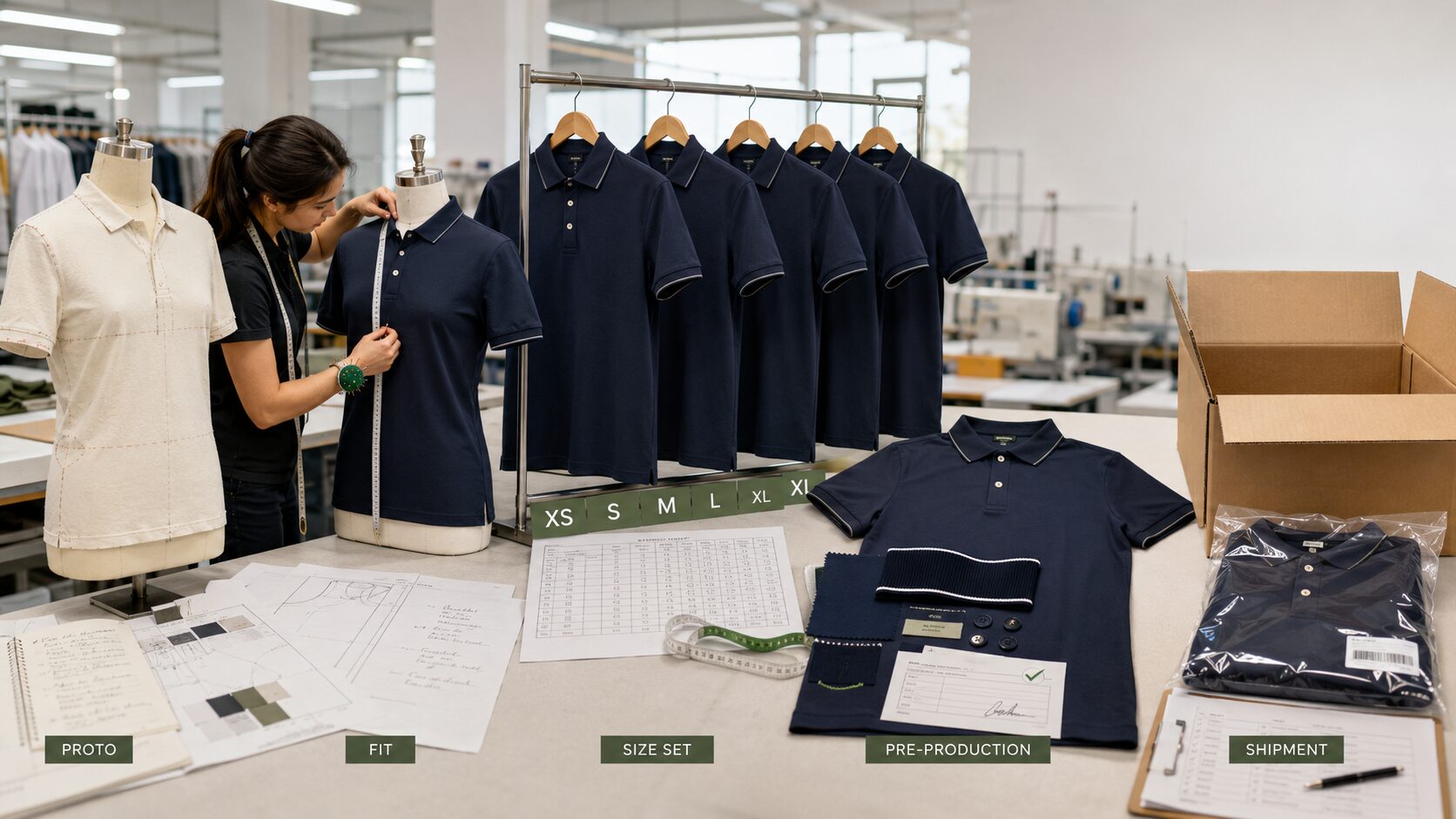
Provide a detailed tech pack with measurements, grading rules, construction details, and labeling/branding instructions. The OEM will then create a prototype using the selected sustainable materials and processes. The sample is reviewed for fit, quality, and performance, with any necessary adjustments documented before bulk production begins.
Step 4: Lock in Production, Quality, and Packaging
Once the prototype is approved, the OEM schedules production in their ISO‑certified facility. Quality checks are performed at cutting, sewing, and finishing stages, and a final inspection is done before shipment. Sustainable packaging options (recyclable polybags, FSC‑certified cartons, hangtags) can be selected to complete the eco‑friendly offer.
Step 5: Receive Logistics Support and ESG Documentation
The OEM handles warehousing, labeling (barcodes, SKUs), and coordination with freight forwarders to ensure timely delivery to warehouse or store. Brands also receive supporting documentation such as material test reports, environmental certifications, and compliance statements, which can be used in marketing, ESG reports, and retailer submissions.
What Are Real Examples of Sustainable Sportswear OEM Success?
Scenario 1: Independent Activewear Brand Launching a Green Collection
A small European activewear brand wanted to launch a sustainable women’s training line with 70%+ recycled content but struggled to find reliable suppliers. They partnered with a Chinese OEM that offered recycled polyester compression fabrics, low‑impact dyeing, and ISO 14001 production. The OEM provided small‑batch trials and supported iteration on fit and construction.
After switching to this OEM, the brand achieved 75% recycled content across tops and leggings, reduced water usage per garment by about 40%, and gained verifiable certifications for their sustainability claims. Key results included a 25% increase in customer trust (based on survey feedback), qualification for green retail partnerships, and improved margin stability due to better yield and fewer quality issues.
Scenario 2: Global Sportswear Brand Seeking ESG‑Aligned Partners
A major sportswear brand needed to meet corporate ESG targets around Scope 3 emissions and circularity but faced inconsistent quality and compliance risks across its Asian suppliers. They consolidated a portion of their technical apparel production with a large Chinese OEM that had ISO 9001, ISO 14001, and ISO 45001 certifications and a documented waste‑reduction program.
The OEM implemented recycled performance knits, water‑saving dyeing, and closed‑loop water treatment, reducing water consumption by 50% and cutting CO₂ emissions per unit by about 35%. Regular audits and shared ESG reports enabled the brand to confidently report on its supply chain impact, support its TCFD disclosures, and strengthen its position with sustainability‑focused retailers.
Scenario 3: Fitness Chain with Custom Branded Apparel
A fitness chain required large volumes of branded gym apparel for its members but previously experienced long lead times and quality inconsistencies. They shifted to a Chinese OEM with end‑to‑end capabilities, including recycled polyester moisture‑wicking fabrics, custom sublimation printing, and ISO‑certified production.
With this OEM, the chain reduced lead times by 20–30%, improved on‑time delivery rates to over 95%, and achieved a 60% recycled content target across its member apparel line. The reliable quality and consistent branding across multiple batches strengthened the chain’s image as a premium, responsible operator in its market.
Scenario 4: Healthcare/Rehab Brand with Performance Leisurewear
A healthcare brand planned a line of performance leisurewear for rehab and post‑surgery patients, combining comfort, durability, and ESG credentials. They chose a Chinese OEM experienced in both medical and sportswear, using OEKO‑TEX®‑certified recycled fabrics, antimicrobial finishes, and eco‑friendly dyes.
The OEM produced a moisture‑wicking, easy‑care line that met hospital laundry standards while keeping environmental impact low. The health brand gained a differentiator in its ESG reporting and was able to market its garments as both patient‑friendly and environmentally responsible, driving higher B2B adoption in clinics and rehab centers.
Which Trends Are Shaping the Future of Sportswear Supply?
Regulatory pressure on carbon emissions, microplastics, and chemicals is accelerating, with new laws expected in the EU, UK, and North America that will require detailed environmental reporting and due diligence throughout the supply chain. At the same time, consumers are increasingly favoring brands that can demonstrate transparency, durability, and genuine circularity, not just vague “eco” claims.
Technology is also enabling smarter, more sustainable production. Digital design and sampling reduce waste in development, while AI‑driven demand forecasting helps brands produce closer to actual need, minimizing overstock. RFID and blockchain are starting to be used for full material traceability, allowing brands to prove exactly where fibers come from and how they were processed.
For brands, the time to embed sustainable sportswear into their core supply chain is now. Waiting risks higher compliance costs, supply disruption, and loss of competitive advantage. A modern, certified OEM partner can deliver the scale, quality, and environmental performance needed to build a long‑term, defensible sportswear business.
How Can LSLONG Help with Sustainable Sportswear Supply?
Shenzhen LSLONG Garments Co., Ltd., founded in 1999, has grown into a trusted global OEM/ODM partner for more than 200 brands across 50+ countries, specializing in Polo shirts, T‑shirts, hoodies, sportswear, and performance apparel. LSLONG supports sustainable sportswear through recycled polyester, organic cotton blends, OEKO‑TEX®‑certified dyes, and water‑saving dyeing processes in ISO 14001‑certified facilities.
With over 25 years of experience, a 10,000+ m² factory, and a 500+‑person team, LSLONG can produce over 500,000 units monthly while maintaining strict quality control at every stage. LSLONG’s sustainable compliance framework includes ISO 9001, ISO 14001, and ISO 45001, along with waste reduction programs (fabric scrap recycling, water conservation) and ESG reporting for environmentally focused brands.
LSLONG’s end‑to‑end model allows brands to move from concept to retail‑ready apparel with flexible MOQs and optimized lead times. Whether launching a small green collection or scaling up a global sportswear line, LSLONG combines innovation, reliability, and sustainability to make it easier for brands to deliver high‑performance, responsible sportswear.
How Can Brands Get Started with Sustainable Sportswear OEMs?
Can small brands work with Chinese OEMs on sustainable sportswear?
Yes, many modern OEMs, including LSLONG, support small‑batch trials and flexible MOQs, making it feasible for startups and emerging brands to launch sustainable lines without large upfront inventory.
How do OEMs ensure that “recycled” fabrics are truly sustainable?
Leading OEMs use certified recycled materials (e.g., rPET from verified post‑consumer sources), provide test reports and material documentation, and ensure that production processes (dyeing, finishing) also meet environmental standards like ISO 14001.
What are the main certifications to look for in a sustainable sportswear OEM?
Key certifications include ISO 9001 (quality), ISO 14001 (environmental management), ISO 45001 (occupational health and safety), and material‑specific standards like OEKO‑TEX® Standard 100 or bluesign® for chemicals and dyes.
How can brands verify that production is actually sustainable, not just claimed?
Brands should request audit reports, factory certifications, chemical test results, and environmental KPIs (e.g., water per kg of fabric, CO₂ per unit). A transparent, ISO‑certified OEM will provide this
Author Profile

-
LISLON is a leading China OEM clothing manufacturer based in Shenzhen, Guangdong, the core of China’s garment industry. Founded in 1999, we specialize in custom polo shirts, T-shirts, sportswear, corporate uniforms, and hoodies with flexible OEM/ODM services.
Trusted by global brands like Mercedes-Benz, BYD, China Mobile, and PetroChina, LISLON delivers reliable, high-quality bulk apparel manufacturing. Contact us for expert support on your custom clothing production.
Latest entries
 Apparel Brand Business2026-07-21Custom Clothing Quality Inspection: AQL Levels, Measurement Tolerances and Defect Classification Explained
- Apparel Brand Business2026-07-20Garment Sampling Explained: Proto, Fit, Size-Set, Pre-Production and Shipment Samples
- Apparel OEM2026-07-18How to Prepare an Accurate Custom Apparel RFQ: 20 Specifications Every Clothing Factory Needs
- Knowledge2026-07-17How Clothing Factories Control Shrinkage, Color Variation and Size Inconsistency