Adaptive fashion in 2026 is revolutionizing style by merging functionality, inclusivity, and innovation. Breakthroughs in smart fabrics, AI-driven personalization, magnetic closures, and sensory-friendly materials are making clothing more accessible and stylish for all individuals. Brands like LSLONG are leading the way, offering designs that empower users while promoting sustainability and comfort.
What Fashion Trends Will Be Popular in 2026?
In 2026, fashion trends are defined by sustainability, technology, and inclusivity. Consumers are seeking garments that combine style with eco-conscious and functional design. Key trends include:
Sustainable and Circular Fashion: Biodegradable fabrics such as organic cotton, hemp, and mushroom leather will gain popularity, alongside recycled and regenerated textiles. Zero-waste production methods and low-carbon manufacturing practices will reduce environmental impact.
Gender-Neutral and Inclusive Fashion: Unisex designs, adjustable fits, and wheelchair-friendly clothing will become mainstream, providing comfort and style for all users.
AI-Driven Personalization: Virtual fitting rooms and AI-assisted design will enable precise clothing recommendations and on-demand production for a perfect fit.
Minimalist Aesthetic with Statement Pieces: Neutral, clean silhouettes combined with oversized or futuristic pieces offer a balance of simplicity and bold expression.
Smart and Adaptive Clothing: Garments will focus on ease, functionality, and fashion-forward design, empowering users with confidence and independence.
| Trend | Key Features | Benefits |
|---|---|---|
| Circular Fashion | Biodegradable & recycled fabrics | Reduces environmental footprint |
| Adaptive Clothing | Magnetic closures & adjustable fits | Enhances accessibility and independence |
How Is Technology Changing Adaptive Fashion?
Technology is transforming adaptive fashion by improving fit, comfort, and usability. Smart fabrics regulate temperature, wick moisture, and stretch to provide tailored comfort. Wearable tech such as biometric sensors, posture support, and haptic feedback is integrated into clothing for enhanced independence. AI-driven customization and 3D printing allow garments to match body shapes precisely, reduce seams, and improve mobility, lowering return rates and promoting sustainability.
Which Innovations Are Transforming Adaptive Clothing?
Innovations in adaptive fashion focus on usability and comfort:
Magnetic Closures: Replace traditional buttons and zippers with easy-to-use, self-aligning fasteners, enabling wearers with limited dexterity to dress independently.
Sensory-Friendly Fabrics: Soft, breathable materials with flat seams and tagless labels reduce irritation for individuals with sensory sensitivities.
3D Knitting & Customization: Seamless garments reduce material waste and provide perfect fits.
Augmented Reality (AR) Fitting: Virtual fitting tools enhance online shopping accessibility.
| Innovation | Purpose | Advantage |
|---|---|---|
| Magnetic Closures | Ease of dressing | Supports independence |
| Sensory-Friendly Fabrics | Comfort & accessibility | Reduces irritation for sensitive skin |
Why Is Sustainability Important in Adaptive Fashion?
Sustainability in adaptive fashion ensures that inclusivity does not come at the expense of the environment. Brands are adopting biodegradable fabrics, recycled materials, and modular designs to extend garment lifespans and reduce waste. Adjustable clothing that grows with the wearer minimizes the need for replacements, aligning functionality with eco-conscious principles. LSLONG exemplifies this approach by combining durable, high-quality materials with responsible production practices.
Who Benefits from Adaptive Fashion?
Adaptive fashion serves a wide range of individuals, including:
People with disabilities or mobility challenges
Seniors with dexterity or flexibility limitations
Individuals with sensory sensitivities or skin conditions
Anyone seeking functional, stylish, and inclusive clothing
By integrating smart fabrics, magnetic closures, and AI personalization, adaptive clothing empowers users to maintain independence and express their personal style confidently.
LSLONG Expert Views
“Adaptive fashion is no longer a niche—it represents the future of the industry. At LSLONG, we combine advanced manufacturing, innovative materials, and inclusive design to create garments that empower individuals of all abilities. Our focus on sustainability, accessibility, and style ensures that every piece meets high-quality standards while enabling freedom of movement, comfort, and confidence for our clients.”
What Are the Key Predictions for 2026?
In 2026, adaptive and inclusive fashion will continue expanding:
Circular and Sustainable Fashion: Increase in biodegradable, recycled, and plant-based fabrics.
Expanded Adaptive Lines: More magnetic closures, seamless designs, and customizable fits.
Tech-Integrated Clothing: Wearables with smart textiles, AR fitting, and biometric monitoring.
Inclusive Representation: Diverse marketing campaigns and size ranges for all abilities.
Adaptive fashion will lead the industry in merging style, technology, and accessibility, establishing inclusivity as the new standard.
Conclusion
Adaptive fashion in 2026 represents a convergence of innovation, sustainability, and inclusivity. Smart fabrics, AI personalization, magnetic closures, and sensory-friendly materials are transforming clothing into functional, stylish, and accessible solutions. Brands like LSLONG are setting the benchmark by creating garments that empower users while minimizing environmental impact. Investing in adaptive fashion ensures comfort, independence, and modern style for all.
FAQs
What are the top adaptive fashion trends for 2026?
The leading adaptive fashion trends for 2026 focus on smart fabrics, sustainability, and inclusive tailoring. These innovations enhance comfort, accessibility, and self-expression for all wearers.
How is sustainability transforming adaptive apparel in 2026?
Sustainability in adaptive apparel emphasizes recycled fabrics, closed-loop production, and energy-efficient manufacturing that reduce waste without sacrificing quality or design appeal.
Why choose OEM solutions for adaptive clothing brands?
OEM solutions allow adaptive brands to scale efficiently with expert design, production, and quality control under one roof, saving time while maintaining brand-specific customization.
How are smart fabrics revolutionizing adaptive fashion in 2026?
Smart fabrics integrate sensors, temperature control, and responsive fibers that react to movement, providing superior comfort and functionality for wearers with diverse needs.
What defines inclusive design in adaptive fashion?
Inclusive design means creating apparel with easy closures, flexible fits, and accessible styling so people of all abilities can dress independently with confidence and dignity.
Why does Asia lead adaptive garment production in 2026?
Asia’s leadership stems from cutting-edge technology, certified facilities, and experienced manufacturers who deliver global-scale adaptive garments with uncompromised quality.
How is custom manufacturing shaping adaptive wear?
Custom manufacturing enables brands to offer adaptive wear with precision fitting and purpose-built designs that align with consumer needs, enhancing comfort and usability.
What makes post-surgery adaptive garments essential in 2026?
Post-surgery garments promote healing through soft, breathable materials and easy-access fastenings, ensuring medical functionality and comfort for faster patient recovery.
Author Profile

-
LISLON is a leading China OEM clothing manufacturer based in Shenzhen, Guangdong, the core of China’s garment industry. Founded in 1999, we specialize in custom polo shirts, T-shirts, sportswear, corporate uniforms, and hoodies with flexible OEM/ODM services.
Trusted by global brands like Mercedes-Benz, BYD, China Mobile, and PetroChina, LISLON delivers reliable, high-quality bulk apparel manufacturing. Contact us for expert support on your custom clothing production.
Latest entries
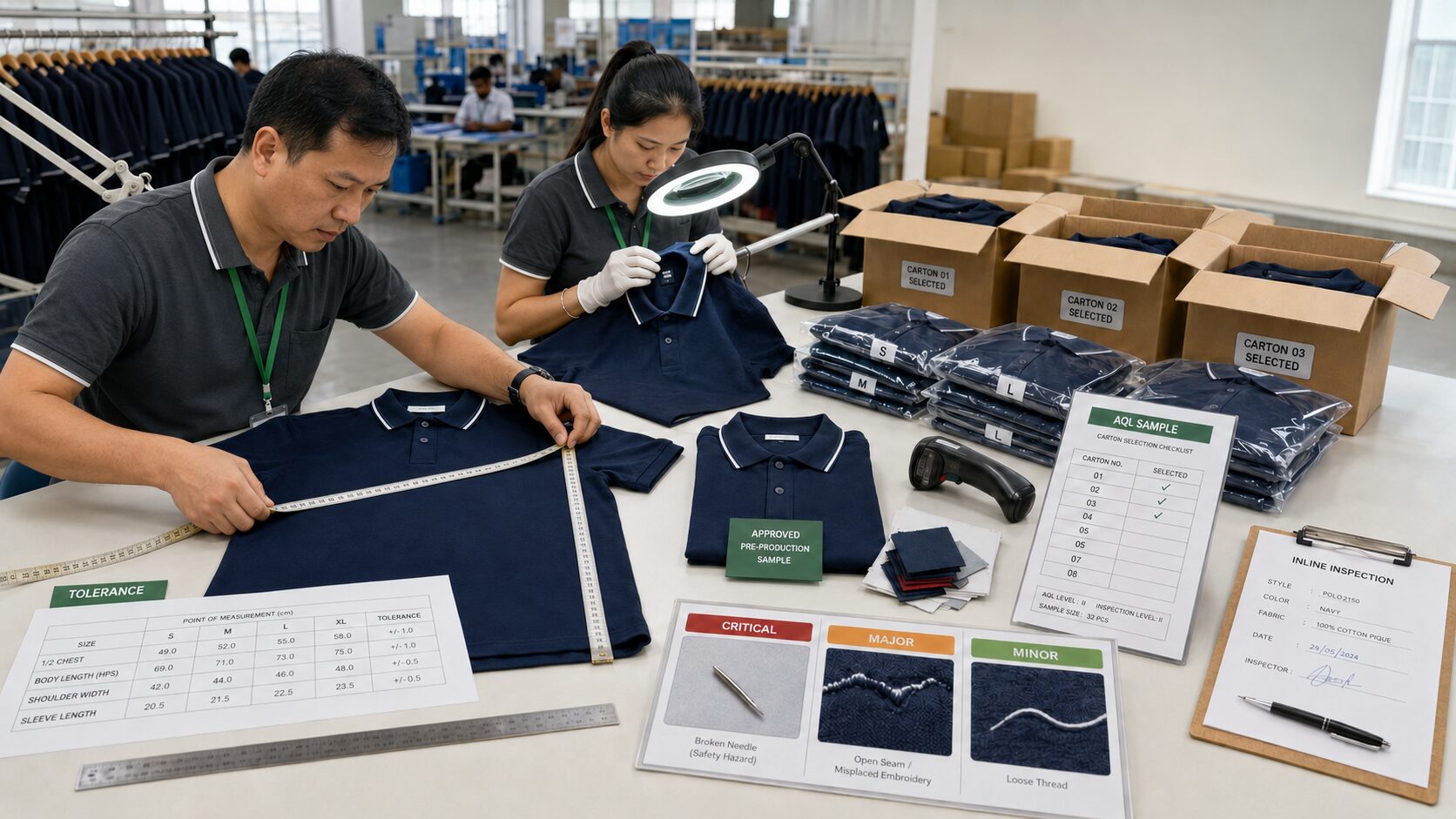
 Apparel Brand Business2026-07-21Custom Clothing Quality Inspection: AQL Levels, Measurement Tolerances and Defect Classification Explained
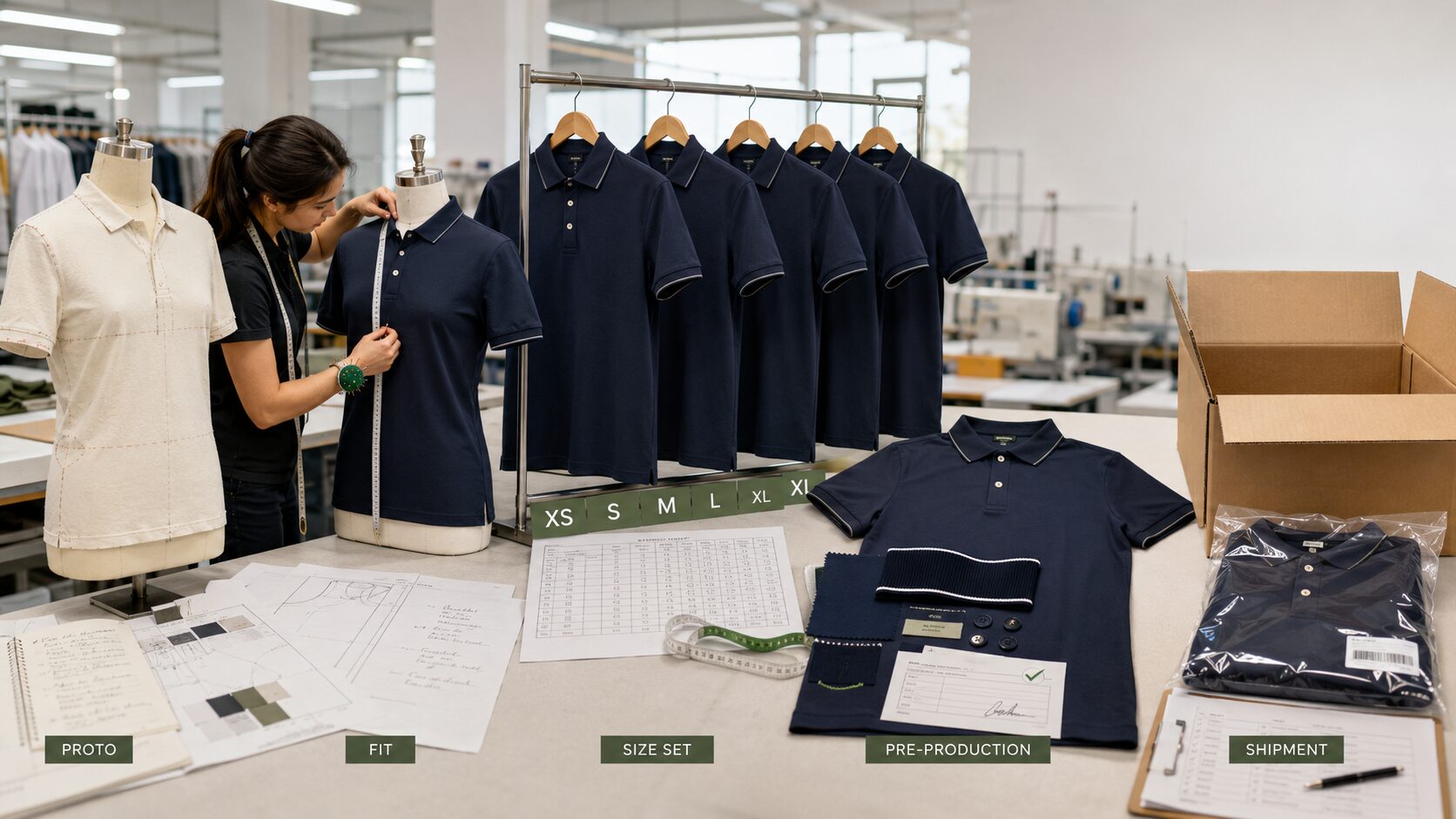
- Apparel Brand Business2026-07-20Garment Sampling Explained: Proto, Fit, Size-Set, Pre-Production and Shipment Samples
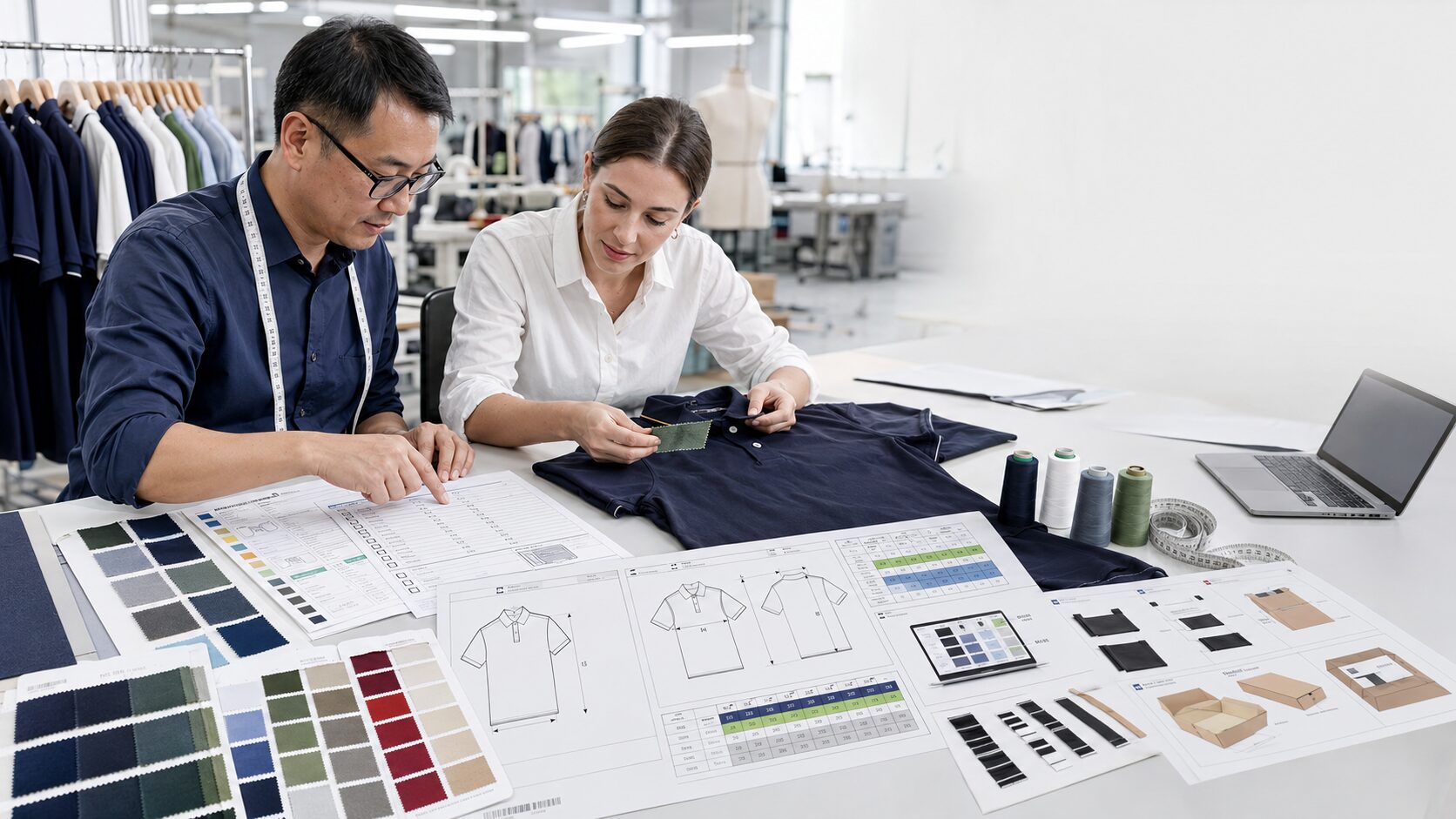
- Apparel OEM2026-07-18How to Prepare an Accurate Custom Apparel RFQ: 20 Specifications Every Clothing Factory Needs
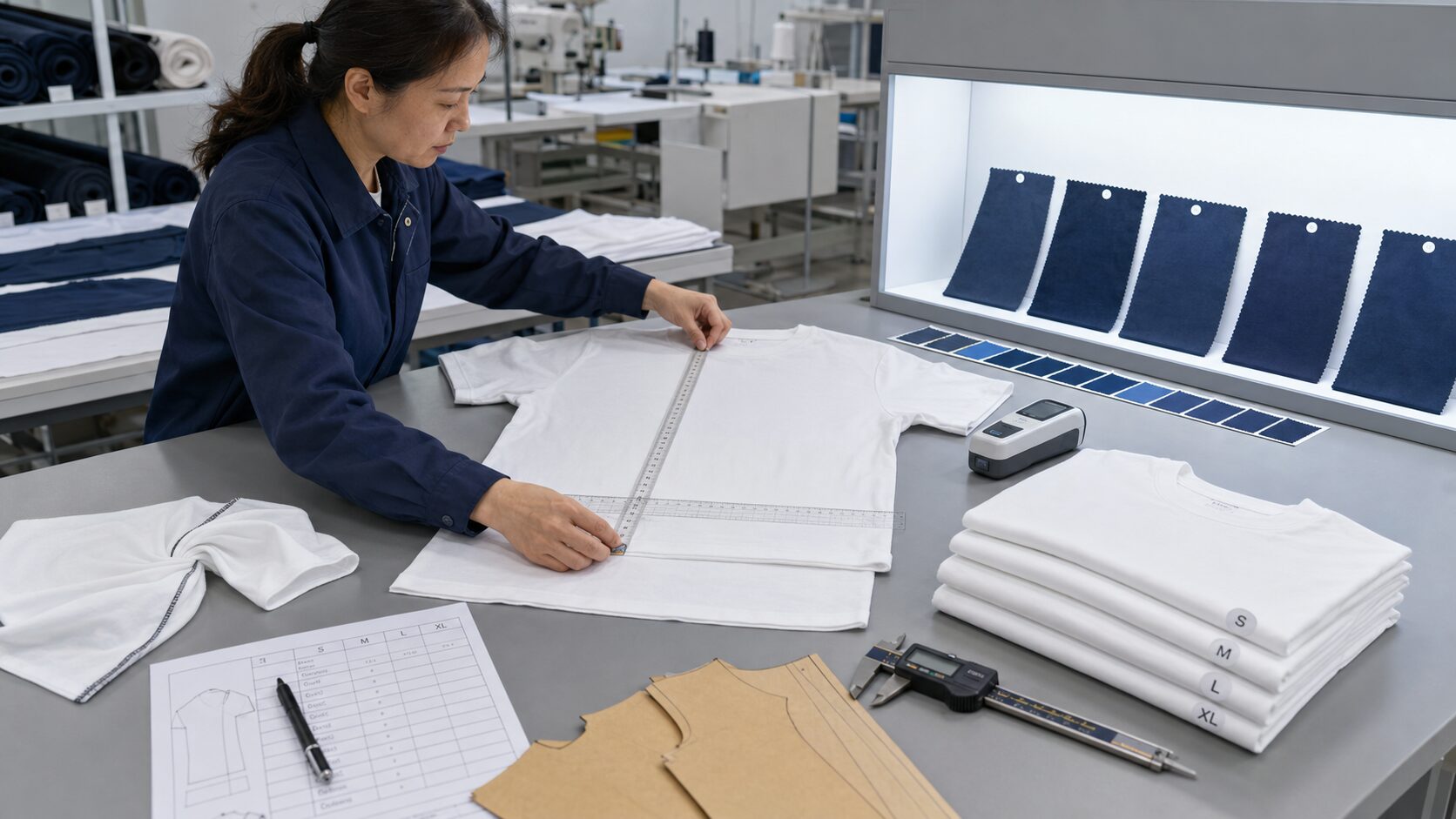
- Knowledge2026-07-17How Clothing Factories Control Shrinkage, Color Variation and Size Inconsistency