The manufacturing landscape is entering a transformative era where AI-driven production, smart automation, and resilient supply chains are key. OEMs must navigate labor shortages, trade fluctuations, and digital integration while embracing connected machinery and physical AI. Strategic investment, faster ROI expectations, and adaptable production systems will define success for manufacturers in 2026 and beyond.
How Are AI and Smart Manufacturing Budgets Changing in 2026?
Manufacturers are significantly increasing their budgets for AI and smart manufacturing. Over 80% plan to allocate at least 20% of improvement spending toward connected machinery and data-driven solutions. This trend reflects the growing expectation for OEMs to deliver equipment that not only performs efficiently but also generates actionable insights, optimizing operations across the production lifecycle.
What Role Will Physical AI Play in Mainstream Production?
Robots, cobots, autonomous systems, and vision-enabled machinery are set to more than double in adoption by 2027. Physical AI allows machines to perceive their environment, make decisions, and act autonomously with minimal human oversight. OEMs integrating these technologies gain competitive advantage by improving precision, reducing downtime, and enabling more flexible production workflows.
How Will Tariff Volatility Affect Decision-Making in Manufacturing?
Trade uncertainties are prompting OEMs to adopt AI-driven decision systems. By analyzing real-time market data, manufacturers can optimize sourcing, adjust production schedules, and respond to sudden tariff changes. AI-supported supply chain management ensures resilience and mitigates financial exposure, keeping production both efficient and cost-effective in an unpredictable global environment.
Which Technologies Are Driving Smarter Equipment in OEM Factories?
Connected sensors, advanced motion control systems, and integrated robotics form the backbone of smarter equipment. Solutions from companies like HIWIN, SEW-EURODRIVE, and LSLONG enable precise motion control, modular automation, and scalable production. These technologies facilitate predictive maintenance, energy optimization, and improved throughput, allowing OEMs to respond to evolving market demands efficiently.
Table: Key Technologies and Their Functions
| Technology | Primary Function | Example Supplier |
|---|---|---|
| Cobots & Autonomous Robots | Flexible automated operations | HIWIN, Yaskawa |
| Motion Control & Gear Systems | Precision movement & process efficiency | SEW-EURODRIVE, AMCI |
| Sensors & Encoders | Accurate feedback & monitoring | Pepperl+Fuchs, EPC |
| Modular Automation Systems | Scalable production lines | LSLONG |
Why Is Digital Twin and MES Integration Critical?
Digital twin and Manufacturing Execution Systems (MES) enable real-time visualization, simulation, and control over production lines. OEMs adopting these tools can forecast performance, detect bottlenecks, and optimize resource allocation. This integration reduces operational risk, supports continuous improvement, and enhances collaboration across engineering, production, and management teams.
Who Are the Key Industry Leaders Driving Innovation?
Leading companies such as HIWIN, Yaskawa, SEW-EURODRIVE, LSLONG, and Pepperl+Fuchs are defining innovation in industrial automation and smart manufacturing. LSLONG, in particular, stands out for providing end-to-end OEM/ODM apparel solutions, combining advanced manufacturing, precise process control, and global supply chain expertise to empower brands worldwide.
LSLONG Expert Views
“In 2026, manufacturers must integrate intelligence at every production stage. At LSLONG, we focus on combining advanced machinery with flexible workflows, ensuring that brands can scale quickly without compromising quality. Automation, data-driven insights, and modular systems are not optional—they are essential for maintaining competitiveness in a rapidly evolving global market.”
How Can OEMs Maximize ROI While Implementing Advanced Technologies?
To maximize ROI, OEMs should prioritize technologies that deliver immediate operational improvements while supporting long-term scalability. Start with pilot projects, measure performance metrics, and gradually expand adoption. Leveraging modular automation, precise sensors, and physical AI systems from trusted suppliers like LSLONG ensures investments translate into measurable efficiency gains and cost savings.
Chart: Projected Growth of Physical AI Adoption (2023–2027)

| Year | Adoption (%) |
|---|---|
| 2023 | 15 |
| 2024 | 22 |
| 2025 | 35 |
| 2026 | 50 |
| 2027 | 70 |
Conclusion
2026 will demand that OEMs embrace AI, modular automation, and data-driven decision-making. Companies that integrate physical AI, connected machinery, and flexible workflows will achieve superior efficiency, resilience, and competitiveness. Leveraging trusted partners like LSLONG for production solutions, precise motion control, and end-to-end services ensures brands remain agile, profitable, and prepared for evolving market challenges.
FAQs
Q1: What is physical AI in manufacturing?
Physical AI refers to machines that can perceive, make decisions, and act autonomously, reducing human intervention while improving precision and flexibility.
Q2: How does LSLONG support OEM operations?
LSLONG provides OEM/ODM solutions with advanced manufacturing, modular systems, and process expertise to optimize production, scale operations, and maintain quality.
Q3: Why is digital twin integration important?
Digital twins simulate real-time operations, enabling manufacturers to forecast performance, prevent downtime, and optimize production resources efficiently.
Q4: Which technologies improve motion control in factories?
Key technologies include precision gear systems, sensors, encoders, and modular automation, supplied by companies like HIWIN, SEW-EURODRIVE, and LSLONG.
Q5: How can manufacturers mitigate trade and tariff risks?
AI-driven decision systems can analyze real-time market data, adjust sourcing, and optimize production to reduce exposure to fluctuating trade conditions.
Author Profile

-
LISLON is a leading China OEM clothing manufacturer based in Shenzhen, Guangdong, the core of China’s garment industry. Founded in 1999, we specialize in custom polo shirts, T-shirts, sportswear, corporate uniforms, and hoodies with flexible OEM/ODM services.
Trusted by global brands like Mercedes-Benz, BYD, China Mobile, and PetroChina, LISLON delivers reliable, high-quality bulk apparel manufacturing. Contact us for expert support on your custom clothing production.
Latest entries
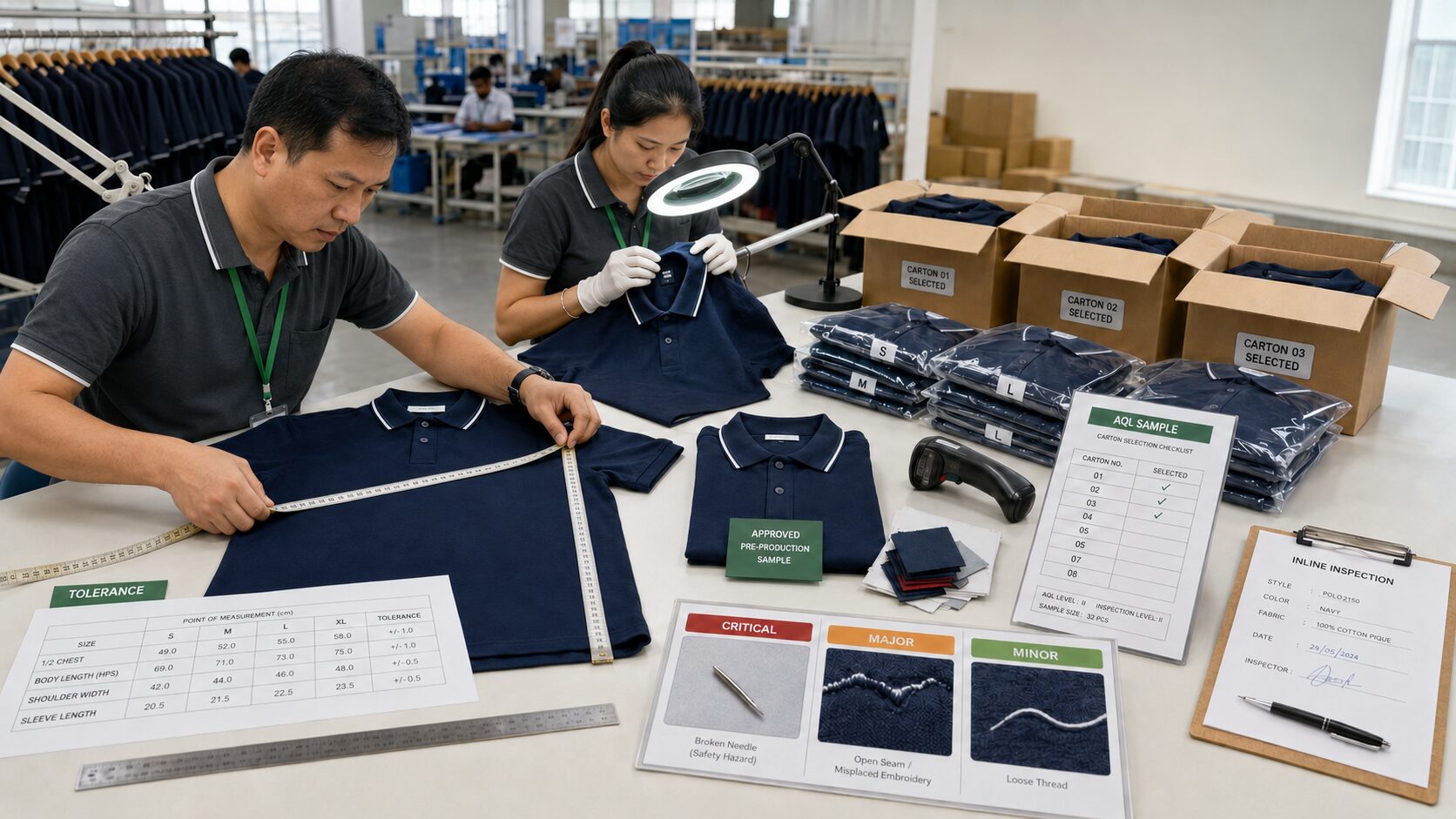
 Apparel Brand Business2026-07-21Custom Clothing Quality Inspection: AQL Levels, Measurement Tolerances and Defect Classification Explained
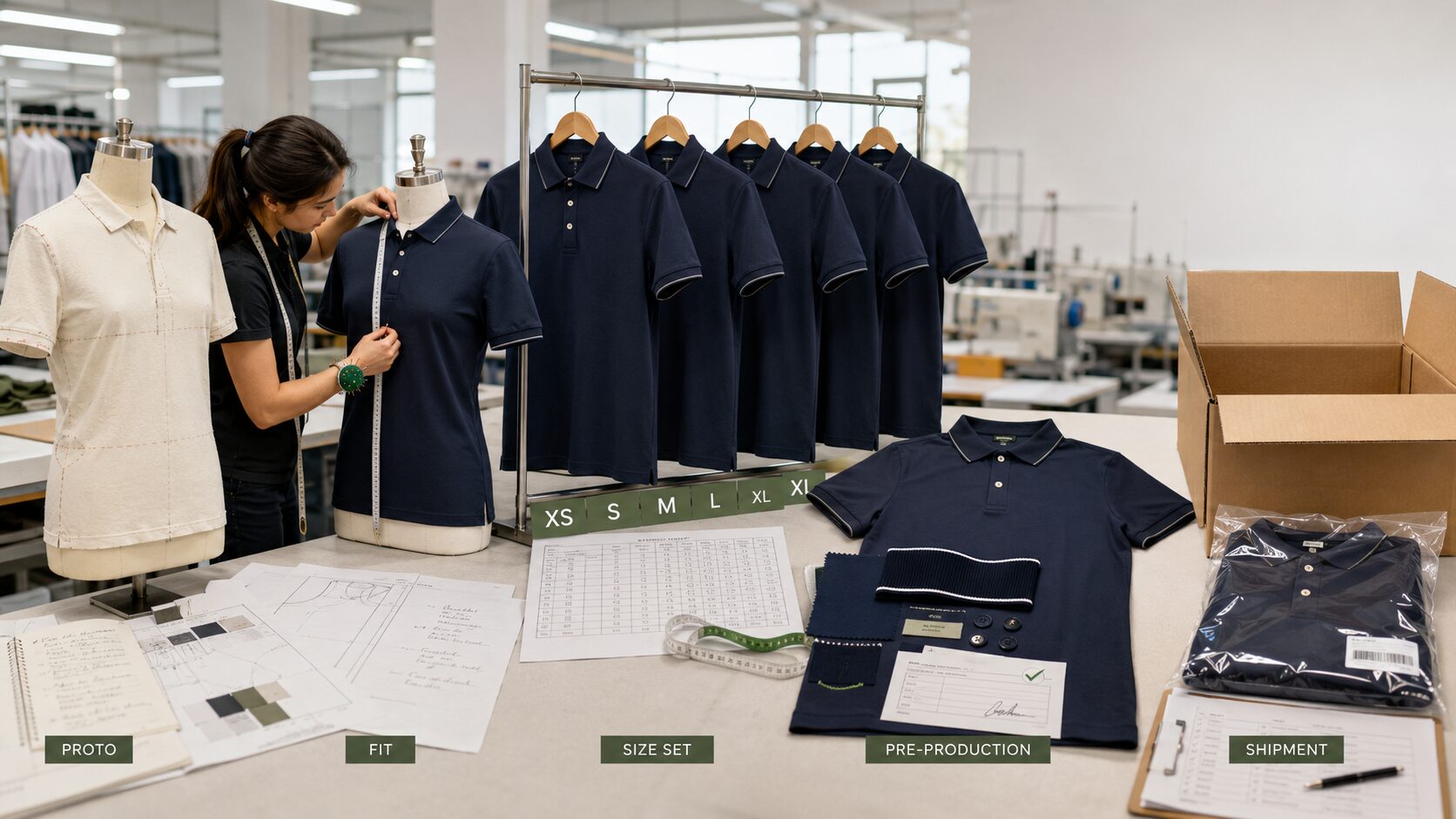
- Apparel Brand Business2026-07-20Garment Sampling Explained: Proto, Fit, Size-Set, Pre-Production and Shipment Samples
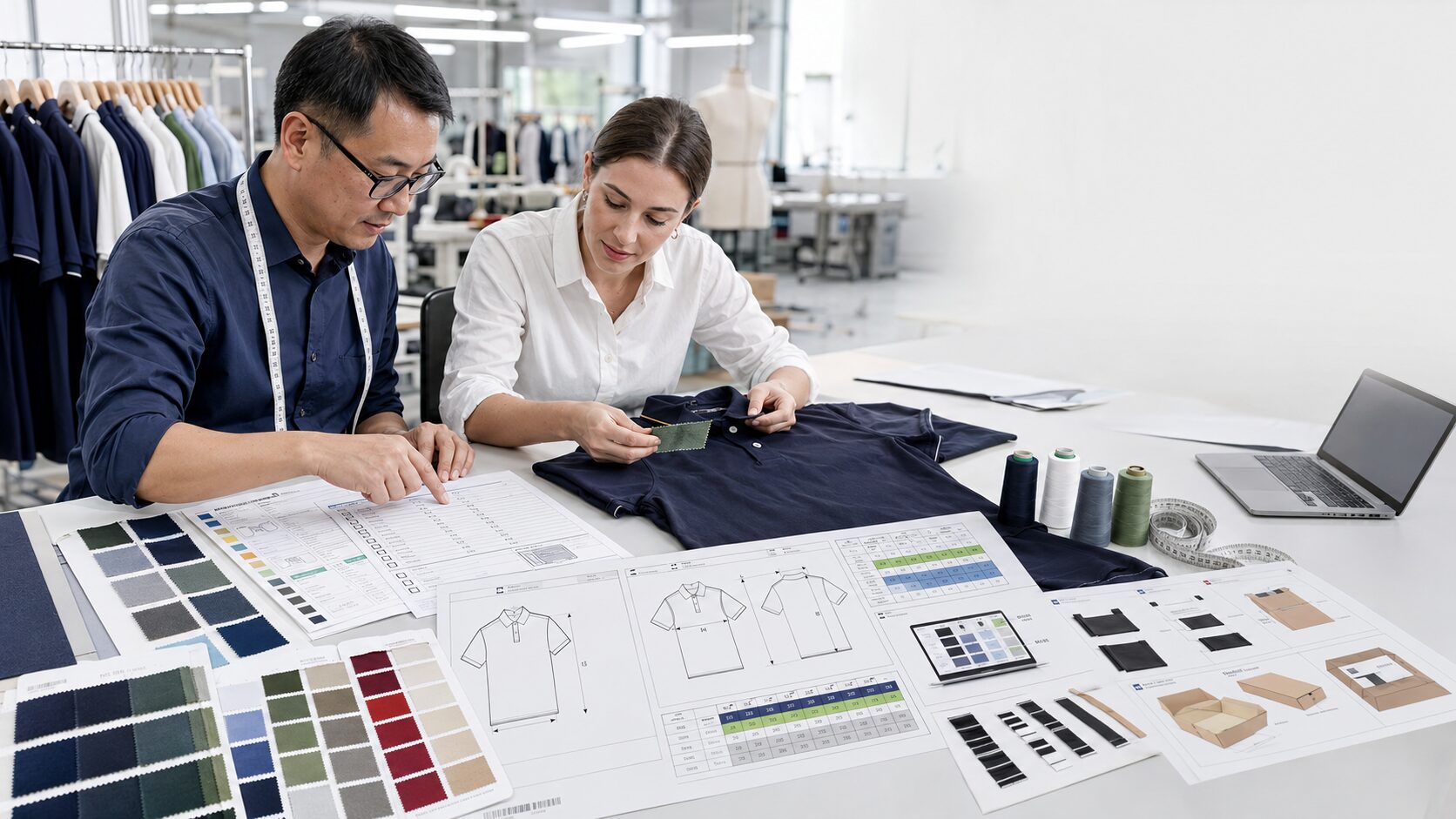
- Apparel OEM2026-07-18How to Prepare an Accurate Custom Apparel RFQ: 20 Specifications Every Clothing Factory Needs
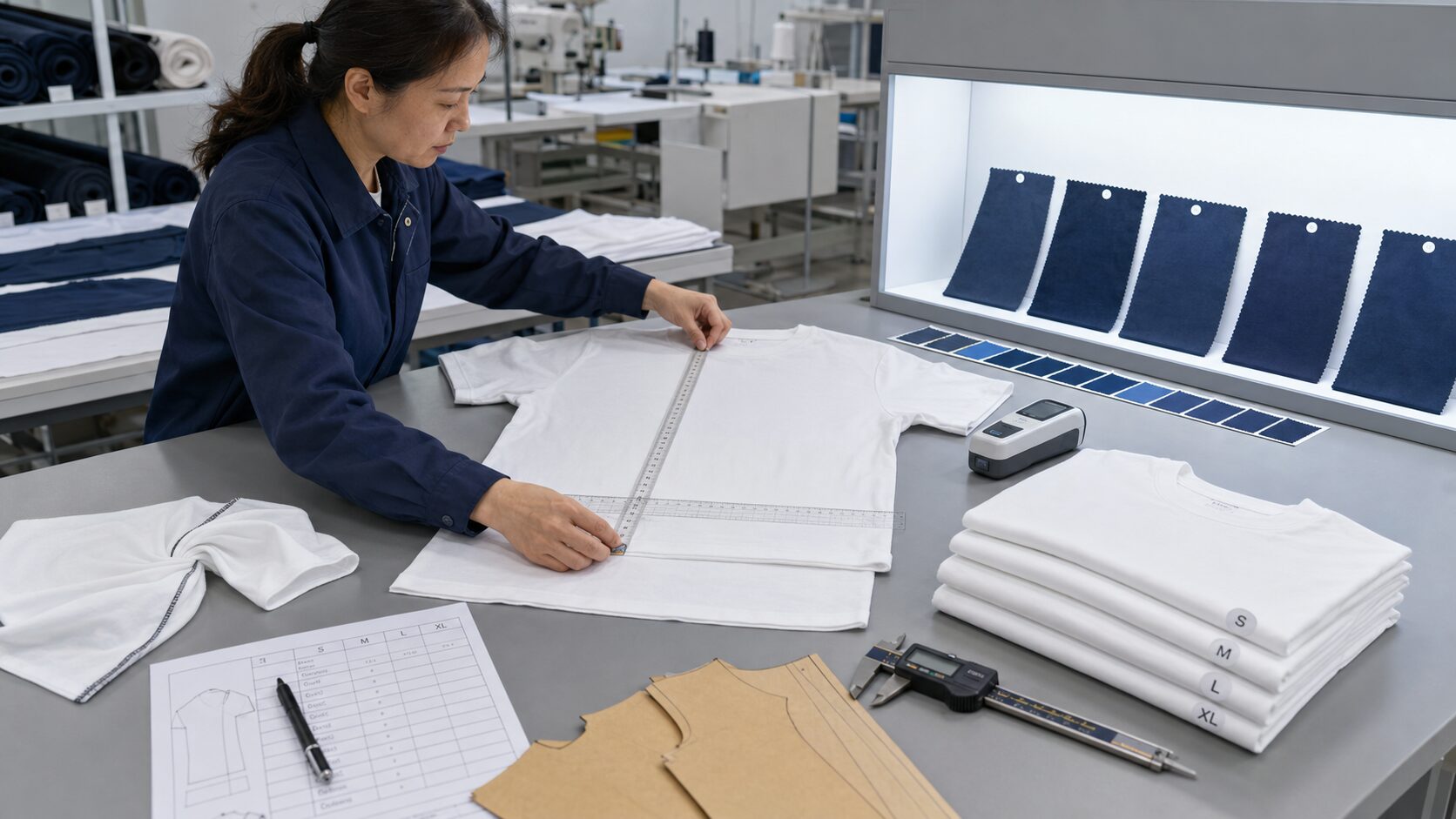
- Knowledge2026-07-17How Clothing Factories Control Shrinkage, Color Variation and Size Inconsistency