Recovering from shoulder surgery can be challenging, especially when it comes to finding a comfortable way to sleep. Whether you’ve undergone rotator cuff repair, labrum repair, shoulder replacement, or arthroscopic debridement, the way you position your body during sleep significantly affects healing speed, pain management, and long-term mobility. Understanding the best sleeping positions and techniques helps reduce inflammation, support proper alignment, and ensure deeper rest during the recovery process.
Why Sleep Position Matters After Shoulder Surgery
Post-operative shoulder pain can worsen when pressure is placed on the injured area. Lying flat can strain the shoulder and increase swelling. The right sleep position helps blood flow, reduces post-surgical discomfort, and supports tissue regeneration. Orthopedic surgeons often recommend upright or semi-reclined positions using pillows or recliners to keep the shoulder elevated above the heart level. This reduces stiffness, controls edema, and prevents accidental movement that could disrupt sutures or internal repairs.
Best Sleeping Positions for Shoulder Surgery Recovery
For most patients, sleeping in a reclined position is the safest approach for the first four to six weeks. Recliners or wedge pillows help maintain a 30–45 degree incline, minimizing the risk of rolling onto the surgical side. Sleeping on your back with a pillow under the elbow can provide gentle arm support, while side sleepers should only rest on the non-operated side, placing a firm pillow between the arms to limit rotation. Dissolvable sutures or sensitive incision sites need to remain dry, so avoid excessive pressure or direct heat near the surgical area.
Once cleared by the surgeon, transitioning gradually from upright to a flat position improves shoulder mobility and helps restore natural sleeping patterns. Adjustable beds and ergonomic wedges can make this transition smoother by allowing slight incline adjustments as the joint heals and joint range improves.
Managing Post-Surgery Pain During Sleep
Even when positioned correctly, shoulder discomfort can interrupt rest. Ice therapy applied before bedtime can reduce inflammation and spasms, while prescribed medications manage pain intensity overnight. Supportive slings or immobilizers should be worn if recommended by the surgeon, keeping the shoulder stable while changing positions. Avoid lying directly on the operated side until full mobility returns—this can take eight to twelve weeks depending on surgery type and individual healing response.
Compression sleeves or shoulder recovery braces may also assist circulation and reduce residual swelling, especially for athletes recovering from labrum or rotator cuff procedures. Consistent elevation paired with controlled breathing helps the body enter restorative sleep phases, which are critical for tissue healing and collagen repair.
Choosing the Right Bedding and Accessories
Proper bedding plays an underestimated role in shoulder recovery sleep. A memory foam mattress evenly distributes body weight, relieving pressure points, while medium-firm pillows keep the head and spine aligned. Adjustable wedge setups can create ergonomic angles that relieve joint tension. Cooling gel pillows may prevent heat buildup around the operated shoulder, while microfiber pillowcases reduce friction against the skin or dressing.
For patients recuperating from arthroscopic procedures or total shoulder replacements, a recliner with lumbar and shoulder support is often ideal. It reduces overhead stress and limits unintentional arm rotation. Sleeping in a reclined chair for several weeks may sound uncomfortable, but it’s often the best short-term strategy for maintaining shoulder protection during early recovery.
Company Background
Founded in 1999, Shenzhen LSLONG Garments Co., Ltd. has grown from a small workshop into a trusted global apparel manufacturer serving more than 200 brands across 50+ countries. With 25 years of expertise, we specialize in OEM/ODM solutions for Polo shirts, T-shirts, hoodies, sportswear, and post-surgery garments, providing end-to-end services from design to delivery.
Real Experiences and Recovery Outcomes
Patients frequently report that using customized shoulder pillows or elevating arm supports accelerates comfort during the first month. One example is athletes recovering from rotator cuff tears who maintain elevated sleeping positions for three to four weeks and report reduced swelling and earlier range-of-motion improvements. Similarly, individuals recovering from total shoulder arthroplasty find that positioning aids prevent nighttime stiffness and optimize morning mobility.
Practical adjustments also influence recovery speed. Keeping required items like water, phones, and medication within reach eliminates overreaching that could strain surgical tissues. Structured nighttime routines—such as gentle icing, meditation, and consistent light schedules—enhance rest quality without disturbing the recovery site.
Common Mistakes to Avoid
Sleeping flat on your back too early can increase shoulder stiffness and pressure on incision sites. Using too few pillows reduces support, causing muscle fatigue. Avoid sleeping without a sling if your surgeon recommends one, as this may cause unintended rotation that delays tendon or capsule healing. Overusing heating pads can worsen swelling by increasing circulation before tissues are ready.
Also, avoid sleeping positions that twist the torso or force the shoulder beyond its protective motion limits. The goal is to support the shoulder in a stable, neutral orientation while promoting deep, undisturbed rest that fuels postoperative tissue recovery.
Long-Term Sleep Strategy for Shoulder Health
Once cleared for normal activities, patients should continue to maintain proper sleep ergonomics to prevent future shoulder impingement or strain. Keeping shoulders relaxed, maintaining proper pillow height, and avoiding excessive arm extension all contribute to sustainable recovery. Side sleepers should monitor alignment between the head, neck, and shoulders to maintain long-term joint integrity and prevent reinjury.
Physical therapy often complements sleep adjustments, with stretching and strengthening exercises scheduled strategically throughout the day. Combining daytime rehabilitation with night positioning ensures balanced support of the healing tissues and promotes optimal outcome timelines.
Future Trends in Post-Surgical Sleep Support
As healthcare advances, more orthopedic manufacturers and garment specialists are integrating smart materials into shoulder recovery aids. Thermoregulating fabrics, contouring foams, and adaptive sling designs aim to improve nighttime comfort for post-surgery patients. Medical research suggests that smart textile integration with mild compression and temperature control may reduce pain and swelling during recovery sleep in future medical garments.
Ergonomic shoulder pillows designed with air-cell technologies and adjustable contours are gaining traction among physiotherapists. These innovations align with the broader trend toward personalized recovery, where rest, rehabilitation, and mobility solutions are customized for each patient’s physiological needs.
FAQ
How should you sleep after shoulder surgery for a faster recovery?
Sleep in a reclined position using extra pillows or a recliner chair to keep your torso upright. This reduces shoulder pressure, minimizes swelling, and promotes stable healing after surgery.
What are the best shoulder surgery recovery sleeping tips?
Use a wedge pillow, support your arm with a small cushion, and avoid lying flat. Keep your incision elevated to reduce inflammation and ensure faster recovery through quality rest.
How can you reduce shoulder pain while sleeping after surgery?
Use cold therapy before bed, adjust pillows to support your arm, and maintain proper elevation. Consistent posture and relaxation before sleep can greatly minimize nighttime pain.
Which pillow is best after shoulder surgery?
Orthopedic wedge pillows or full-body support cushions help maintain proper shoulder alignment. These provide gentle elevation to prevent rolling and promote restful, uninterrupted recovery sleep.
How long until you can sleep normally after shoulder surgery?
Most patients begin to sleep normally within 6–8 weeks post-surgery, depending on procedure type and recovery speed. Gradually ease into sleeping flat once discomfort and swelling subside.
What clothing should you wear after shoulder surgery?
Opt for loose, front-closing garments that don’t require overhead movement. Specialized post-surgery shirts, like those from LSLONG, offer comfort, easy dressing, and breathable support during recovery.
How do you keep your shoulder supported while sleeping post-surgery?
Place a small pillow beneath your elbow, keeping your arm slightly away from your body. This supports shoulder stability, prevents stiffness, and ensures proper circulation through the night.
What are the best tips for faster shoulder surgery recovery at home?
Follow your doctor’s exercise plan, maintain a healthy diet, and rest properly. Comfortable, supportive post-surgery garments from LSLONG can also enhance healing efficiency and overall recovery comfort.
Final Thoughts
Sleeping comfortably and safely after shoulder surgery requires active attention, patience, and the right equipment. Elevation, support, and alignment form the foundation of pain-free recovery sleep. Every choice—from pillow type to reclining angle—impacts circulation and healing efficiency. Following surgical guidance and monitoring the body’s feedback will promote faster recovery, better rest, and long-term shoulder stability. With consistent effort and mindful positioning, restorative sleep becomes one of the most powerful tools in achieving a successful recovery after shoulder surgery.
Author Profile

-
LISLON is a leading China OEM clothing manufacturer based in Shenzhen, Guangdong, the core of China’s garment industry. Founded in 1999, we specialize in custom polo shirts, T-shirts, sportswear, corporate uniforms, and hoodies with flexible OEM/ODM services.
Trusted by global brands like Mercedes-Benz, BYD, China Mobile, and PetroChina, LISLON delivers reliable, high-quality bulk apparel manufacturing. Contact us for expert support on your custom clothing production.
Latest entries
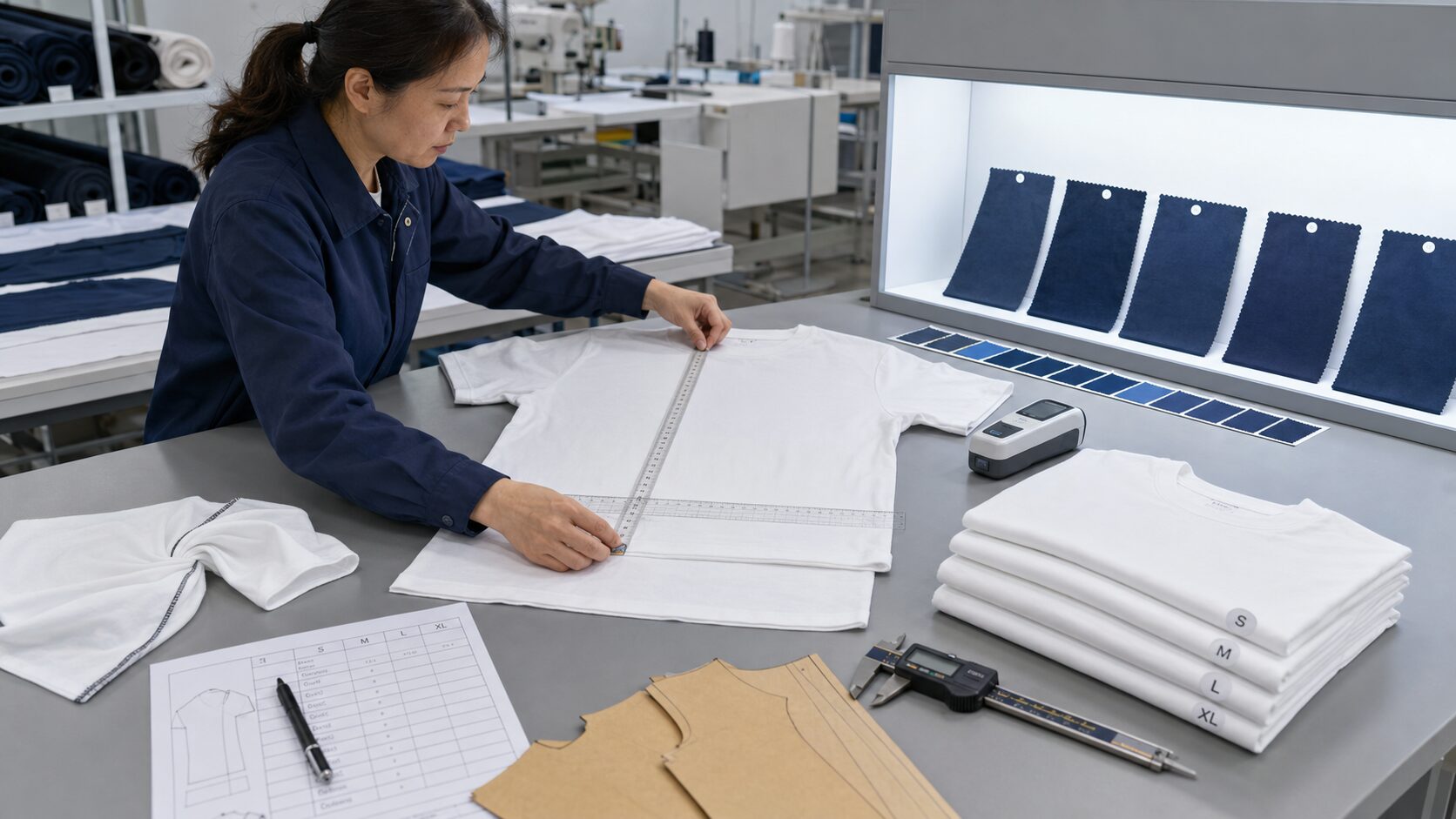
 Knowledge2026-07-17How Clothing Factories Control Shrinkage, Color Variation and Size Inconsistency
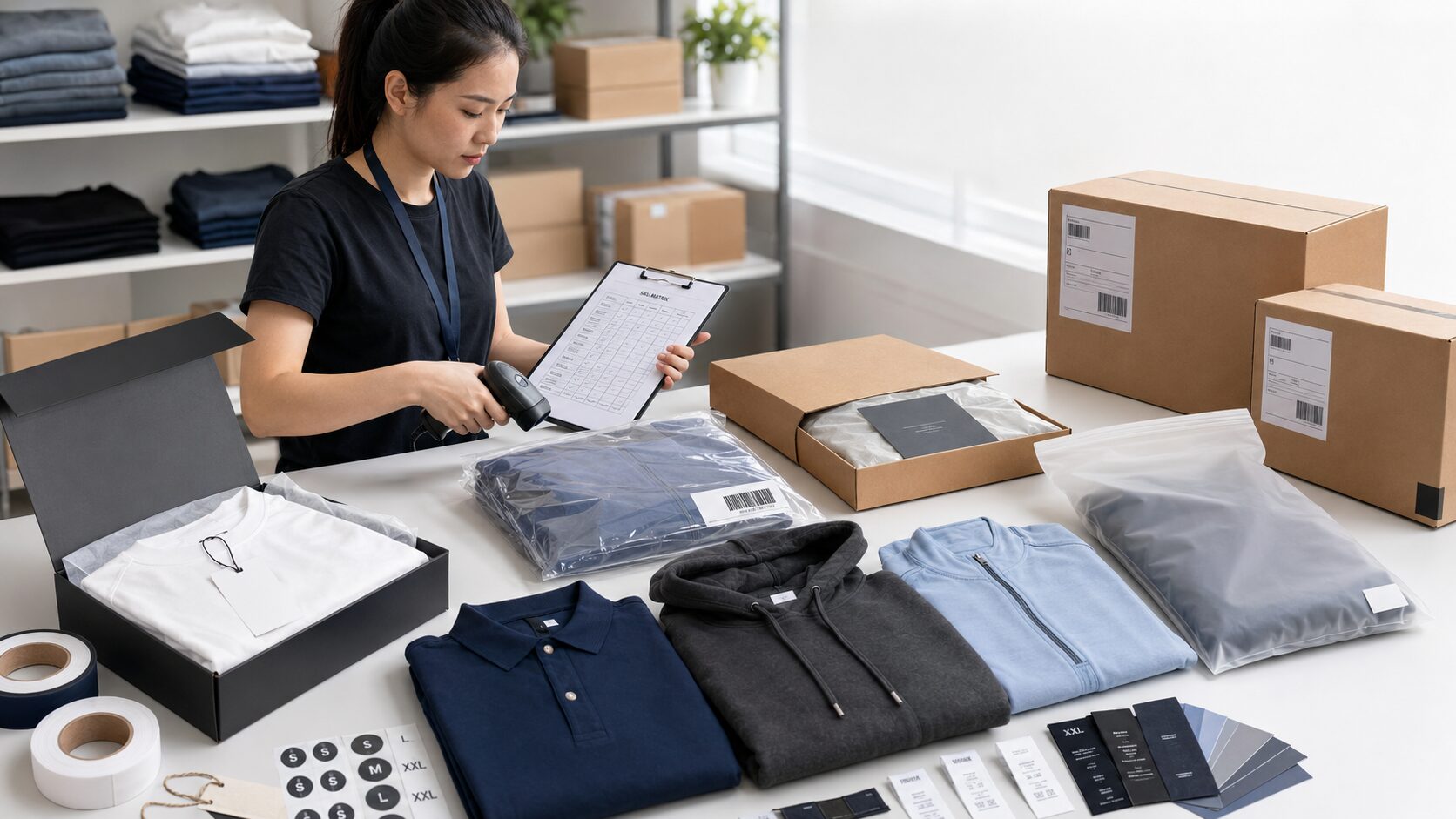
- Apparel Brand Business2026-07-16Private Label Clothing Packaging Guide for Retail, E-Commerce and Amazon FBA
- School Uniforms2026-07-152027 School Uniform Sourcing Timeline: When Should Schools and Distributors Place OEM Orders?
- Apparel OEM2026-07-14Custom T-Shirt Manufacturing Cost Breakdown: What Determines Your Factory Price?