

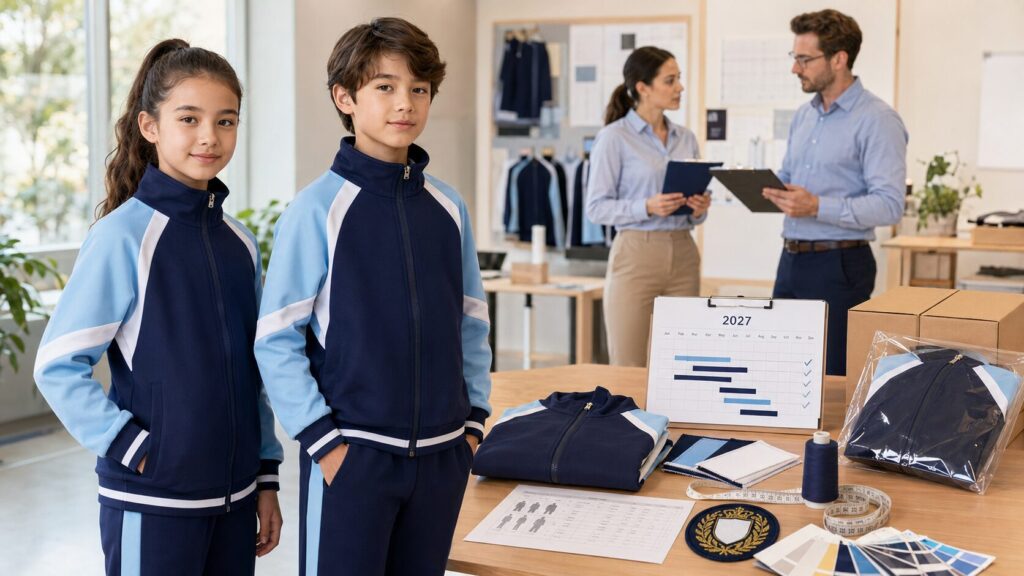
A reliable 2027 school uniform sourcing timeline should begin six to twelve months before students need their uniforms—not a few weeks before the first day of school.
School uniform procurement involves far more than selecting a polo shirt and adding a logo. A complete OEM program may include fabric development, custom colors, size grading, embroidery, student fitting, wash testing, packaging, bulk production, international shipping and local distribution.
Every one of these stages requires approval. A delay in one stage reduces the time available for the next.
For schools, education groups and uniform distributors preparing for the 2027 academic year, the safest approach is to calculate the order deadline backwards from the date uniforms must be available to students.
This guide explains when to start, what must happen at each stage and how to avoid the seasonal delays that commonly affect international school uniform orders.
The Short Answer: When Should You Place a 2027 School Uniform Order?
Recommended planning windows depend on the school calendar and complexity of the uniform program.
| Required Delivery Period | Recommended Project Start | Recommended Bulk Order Confirmation |
|---|---|---|
| January–February 2027 | March–June 2026 | July–September 2026 |
| April–May 2027 | June–September 2026 | October–December 2026 |
| August–September 2027 | October 2026–January 2027 | February–April 2027 |
| Rolling year-round supply | 9–12 months before launch | Initial order plus scheduled replenishment |
A simple stock-fabric polo shirt program may require less time. A complete uniform collection containing custom blazers, trousers, skirts, sportswear, jackets and winter garments requires significantly more development and production planning.
For a new OEM school uniform program, starting approximately nine months before distribution is a sensible target. Twelve months is better when the project involves custom fabric, formal tailoring, multiple campuses or market-specific testing.
Why School Uniform Orders Need Longer Planning Than Standard Apparel
A fashion product can sometimes be launched with a limited size range and replaced by another style next season. School uniforms operate differently.
The same uniform may need to remain consistent for several academic years. It must fit students of different ages, tolerate frequent washing and remain available for late enrollment and replacement purchases.
A typical program creates complexity in five areas:
- Multiple garment categories
- Large size ranges
- Gender-specific or unisex patterns
- Custom school colors and branding
- Replenishment throughout the academic year
An order for 10,000 identical T-shirts is relatively straightforward. An order for 10,000 uniform pieces divided across polos, shirts, skirts, trousers, shorts, jackets and sportswear may produce hundreds of individual SKU combinations.
That complexity affects material purchasing, cutting, sewing, labeling, packing and final order reconciliation.
Work Backwards From the Student Distribution Date
Schools often give suppliers the first day of term as the deadline. That is too late.
The operational deadline is the date uniforms must arrive at the school, distributor warehouse or retail outlet. Time is then needed for:
- Receiving inspection
- Warehouse allocation
- Campus distribution
- Student fitting
- Size exchanges
- Late registrations
- Replacement of damaged or missing items
Uniforms should ideally be available several weeks before the start of term.
A practical sourcing plan uses three separate dates:
- Student availability date: When families can collect or purchase uniforms
- Warehouse arrival date: When the complete shipment must reach the destination
- Factory completion date: When bulk production must pass inspection and be ready to ship
Confusing these dates is one of the most common reasons school uniform projects become urgent.
A 9-Month School Uniform OEM Timeline
The following model can be adapted for most international school uniform programs.
Stage 1: Define the Program — 9 to 12 Months Before Distribution
The first stage is not about factory production. It is about procurement clarity.
Schools and distributors should define:
- Student age groups
- Estimated enrollment
- Required garment categories
- Uniform usage frequency
- Climate and season
- Target retail or procurement budget
- Compulsory and optional items
- Branding requirements
- Expected replacement demand
- Compliance requirements
- Required delivery location
At this stage, decide whether the project is:
- A completely new uniform program
- A redesign of an existing uniform
- A supplier replacement using existing specifications
- A repeat order with minor adjustments
- A replenishment order for an established program
A repeat order with approved patterns and fabric references is much faster than a completely new uniform system.
Build the product list before requesting quotations
A complete school uniform range may include:
Daily uniform
- Polo shirts
- Woven shirts
- T-shirts
- Trousers
- Shorts
- Skirts
- Pinafores
- Dresses
Sports uniform
- Performance T-shirts
- Sports shorts
- Tracksuits
- Team jerseys
- Training jackets
Outerwear
- Hoodies
- Sweatshirts
- Cardigans
- Windbreakers
- Softshell jackets
- Padded winter coats
Formal uniform
- Blazers
- Formal shirts
- Ties
- Tailored trousers
- Pleated skirts
- Waistcoats
Each category should be treated as a separate product with its own fabric, pattern, size range and production requirements.
Stage 2: Prepare Specifications — 7 to 9 Months Before Distribution
The accuracy of the quotation depends on the quality of the specification.
A school uniform tech pack should identify:
- Garment drawings
- Fabric composition
- Fabric weight
- Color references
- Measurement chart
- Size range
- Logo dimensions
- Logo placement
- Embroidery or printing method
- Stitching requirements
- Labels
- Packaging
- Testing standards
- Order quantity by style
If an existing uniform is being reproduced, send the manufacturer an approved physical sample. Photographs alone may not reveal fabric weight, internal construction, seam reinforcement or exact measurements.
Decide what must remain consistent
For long-term uniform programs, consistency is often more important than following seasonal fashion.
Lock the following elements before sampling:
- School color
- Logo color
- Fabric surface and hand feel
- Collar and cuff construction
- Garment fit
- Button and zipper specifications
- Label format
- Core size chart
The manufacturer should retain approved references for future repeat orders. However, schools should also keep their own sealed samples and confirmed specifications rather than relying entirely on a supplier’s archive.
Stage 3: Material and Color Development — 6 to 8 Months Before Distribution
Material selection determines comfort, durability, appearance and much of the final cost.
Daily polos and T-shirts
Common choices include:
- Combed cotton
- Cotton-polyester blends
- Polyester performance fabric
- Pique knit
- Jersey knit
- Moisture-wicking fabric
Cotton offers natural comfort and breathability, while polyester blends can improve shape retention, drying speed and durability. The correct choice depends on climate, washing conditions, age group and budget.
Shirts, trousers and skirts
These garments usually need more structured woven fabrics. Buyers should evaluate:
- Wrinkle resistance
- Abrasion resistance
- Opacity
- Colorfastness
- Pilling
- Shrinkage
- Ease of ironing
- Seasonal comfort
Jackets and winter uniforms
Outerwear requires additional decisions about:
- Water resistance
- Wind resistance
- Insulation
- Lining
- Zippers
- Reflective details
- Hood construction
- Pocket security
These choices should be confirmed before the factory prepares the final quotation.
Custom school colors require extra time
Using available stock colors can shorten development and reduce the minimum quantity.
A custom school color may require:
- Color reference confirmation
- Laboratory dip development
- Buyer review
- Color adjustment
- Final approval
- Bulk fabric dyeing
- Shade inspection
Do not approve color only from a computer screen. Digital displays do not reproduce fabric colors consistently. Evaluate physical samples under suitable lighting.
Stage 4: Prototype and Fit Samples — 5 to 7 Months Before Distribution
The first sample is rarely the final sample.
A professional development process may include:
Prototype sample: Confirms the general design and construction.
Fit sample: Tests measurements and proportions.
Size-set sample: Checks how the pattern grades across several sizes.
Logo sample: Confirms embroidery or printing quality.
Pre-production sample: Represents the final approved product before bulk manufacturing.
A sample can look acceptable on a table but fail when worn by students. Fit testing is therefore particularly important for school uniforms.
Test uniforms on the actual age group
Adult proportions should not simply be reduced to create children’s sizes.
Children and teenagers change in:
- Shoulder width
- Body length
- Chest-to-waist proportion
- Arm length
- Hip shape
- Movement requirements
Where practical, schools should arrange fitting sessions using students from different age and size groups. Feedback should focus on movement, comfort and coverage—not just appearance.
Students should be able to:
- Sit comfortably
- Raise their arms
- Bend and move
- Participate in classroom activities
- Carry a backpack
- Wear appropriate layers underneath
Stage 5: Wear and Wash Testing — 4 to 6 Months Before Distribution
Uniforms are washed more frequently than many ordinary garments. A product that looks good before washing may perform poorly after several cycles.
Testing should reflect real use.
Evaluate:
- Dimensional change
- Color fading
- Color transfer
- Pilling
- Seam twisting
- Collar deformation
- Print cracking
- Embroidery puckering
- Button security
- Zipper function
- Fabric surface wear
Schools should define the washing method used for evaluation. A result based on gentle laboratory handling may not represent how families actually wash uniforms.
For a new uniform program, a short wear trial can provide valuable information. Give selected students sample garments, document the number of wears and washes, and collect structured feedback.
The purpose is not to create an unrealistic “indestructible” uniform. It is to identify preventable problems before thousands of pieces are produced.
Stage 6: Confirm Quantities and Place the Bulk Order — 3 to 5 Months Before Distribution
The purchase order should not state only the total quantity.
It should include a complete breakdown by:
- Product
- Color
- Size
- Gender or fit
- Campus
- Packaging group
- Delivery destination
Use enrollment data to forecast demand
A basic demand formula is:
Required Quantity = Expected Students × Participation Rate × Units per Student × Replenishment Factor
Consider a school with 1,500 students:
- Expected participation: 85%
- Three polo shirts per participating student
- Two bottoms per participating student
- 5% initial reserve
Estimated polo requirement:
1,500 × 85% × 3 = 3,825 pieces
With a 5% reserve: approximately 4,020 pieces
Estimated bottom requirement:
1,500 × 85% × 2 = 2,550 pieces
With a 5% reserve: approximately 2,680 pieces
This calculation creates a total program estimate. The more difficult task is distributing that total across sizes.
Do not copy last year’s size ratio blindly
Historical sales are useful, but size demand may change because of:
- Enrollment growth
- Different student age distribution
- Changes in garment fit
- New campuses
- Compulsory uniform policies
- Regional body-size differences
- Introduction of unisex sizing
Review returns, exchanges and stockouts from previous years. If one size repeatedly sells out while another remains in storage, the old ratio is not reliable.
Stage 7: Bulk Production — 2 to 4 Months Before Distribution
Once the purchase order, materials and pre-production sample are approved, bulk manufacturing can begin.
The production sequence normally includes:
- Bulk fabric sourcing or knitting
- Dyeing and finishing
- Fabric inspection
- Shrinkage testing
- Pattern marking
- Cutting
- Embroidery or printing
- Sewing
- Inline quality inspection
- Finishing and pressing
- Final measurement inspection
- Packaging
- Pre-shipment inspection
The exact sequence varies by garment.
For example, an embroidered polo may be embroidered before final assembly, while a finished T-shirt may receive a heat-transfer neck label after sewing.
Avoid design changes after bulk material approval
Late changes create more than an administrative problem. They can leave the factory with unusable labels, cut panels or custom-dyed fabric.
After pre-production approval, changes should be limited to genuine quality corrections. New design preferences should normally be reserved for the next order.
Stage 8: Final Inspection — 4 to 8 Weeks Before Distribution
Quality inspection should compare the bulk order against the approved specification and sample.
The inspection may cover:
- Quantity
- Assortment
- Measurements
- Fabric appearance
- Color consistency
- Stitching
- Logo placement
- Embroidery quality
- Print quality
- Label accuracy
- Packaging
- Carton marks
- Workmanship defects
For large or high-value programs, buyers may appoint an independent third-party inspection company.
Inspection should occur early enough to allow corrective work if problems are found. Inspecting on the same day the shipping container is booked leaves little room for correction.
Stage 9: International Shipping — 3 to 8 Weeks Before Distribution
Shipping time depends on destination, transport method, customs clearance and local delivery.
Sea freight
Best suited to planned bulk orders. It generally provides the lowest transportation cost per garment but requires the largest time buffer.
Air freight
Suitable for samples, urgent replenishment and relatively small shipments. It is faster but can substantially increase landed cost.
Courier service
Useful for development samples, approval sets and small emergency quantities.
Rail or multimodal transport
May be available for certain regions and can offer a balance between cost and transit time.
A sensible strategy is to send the main order by economical freight and reserve air transport for genuine emergencies. Using air freight for the entire order because production began late can erase much of the cost advantage of international sourcing.
Regional Planning Examples for the 2027 School Year
Academic calendars differ, so buyers must adapt the schedule to their local market.
Southern Hemisphere: January or February 2027 Start
For Australia, New Zealand and other markets with an early-year school intake, the procurement process should already be active during 2026.
| Milestone | Recommended Window |
|---|---|
| Program planning | March–May 2026 |
| Supplier and material selection | May–July 2026 |
| Samples and fitting | June–August 2026 |
| Bulk order confirmation | July–September 2026 |
| Production | August–October 2026 |
| Shipping | October–November 2026 |
| Local distribution | December 2026–January 2027 |
Orders confirmed late in 2026 face greater risk from peak export demand, holiday schedules and limited time for corrections.
Northern Hemisphere: August or September 2027 Start
Schools in the United States, Canada, the United Kingdom and much of Europe generally have more planning time for the 2027 intake.
| Milestone | Recommended Window |
|---|---|
| Program planning | October–December 2026 |
| Specifications and sourcing | December 2026–January 2027 |
| Samples and fitting | January–March 2027 |
| Bulk order confirmation | February–April 2027 |
| Production | April–June 2027 |
| Shipping | May–July 2027 |
| Local distribution | July–August 2027 |
Buyers should confirm the manufacturer’s operating calendar around the Lunar New Year before finalizing sample and production dates. Material suppliers, dyeing facilities and garment factories may follow different holiday schedules.
Multi-Campus and Distributor Programs
Education groups and distributors need additional time because they may coordinate:
- Multiple school identities
- Different logo files
- Campus-specific colors
- Separate purchase orders
- Individual packaging
- Multiple delivery addresses
- Central and local inventory
- Online ordering systems
- Year-round replenishment
For these programs, the most efficient model is usually to standardize core materials and construction while allowing controlled variation in branding.
For example, several schools may share:
- The same polo fabric
- The same size chart
- The same collar construction
- The same packaging format
Only the color, embroidery and school label may change. This improves production efficiency and simplifies replenishment.
How Much Safety Stock Should You Order?
There is no universal safety-stock percentage. The appropriate reserve depends on demand predictability, replenishment lead time and the cost of holding inventory.
Many buyers start by evaluating a reserve in the range of approximately 3–10%, but the stock should not be distributed equally across every size.
Prioritize:
- Historically fast-selling sizes
- Entry-year student sizes
- High-wear products
- Compulsory uniform items
- Products with long material lead times
Optional accessories and unusually slow sizes may require less reserve.
A better approach is to calculate safety stock by SKU rather than adding one percentage to the total order.
Initial Order and Replenishment Should Be Planned Together
A school uniform program does not end when the first shipment arrives.
Additional demand may come from:
- New student enrollment
- Size exchanges
- Lost garments
- Damage
- Seasonal changes
- Sports teams
- New staff
- Enrollment growth
Before placing the initial order, agree on the replenishment process.
Ask the manufacturer:
- Can approved fabric be reserved?
- How long can color consistency be maintained?
- What is the MOQ for repeat orders?
- Are patterns and embroidery files retained?
- Can several small replenishment orders be consolidated?
- What is the lead time during peak season?
- Can emergency quantities be shipped separately?
Custom-dyed fabric is particularly important. A future dye lot may show a slight shade difference even when produced to the same color reference. Where strict consistency is required, buyers can discuss reserving material from the original lot.
Common School Uniform Sourcing Mistakes
Starting after enrollment numbers are final
Waiting for perfect enrollment data leaves insufficient time for development and shipping. Begin with forecast quantities, then update the size and quantity breakdown before the agreed production cutoff.
Approving samples without wash testing
A sample may fit correctly before washing but shrink, twist or lose color afterward.
Ordering only the exact forecast quantity
Exact-quantity ordering leaves no protection against defects, exchanges, late enrollment or forecasting errors.
Treating every garment as one project
Polos, blazers, trousers and jackets have different development and production timelines. Manage them as related but separate workstreams.
Ignoring local labeling requirements
Fiber composition, care instructions, country of origin, age-related safety requirements and language rules vary by destination. These must be confirmed before labels are printed.
Comparing quotations with different specifications
One supplier may quote stock polyester while another prices custom cotton-rich fabric. A lower price does not mean better value when the specifications are different.
Leaving shipping decisions until production is complete
Freight capacity, customs documents and destination delivery should be planned before the garments leave the production line.
What to Include in a School Uniform RFQ
A well-prepared request for quotation should contain:
- School or distributor profile
- Destination country
- Required delivery date
- Product list
- Reference images
- Tech packs
- Fabric requirements
- Color references
- Size charts
- Estimated quantities
- Quantity per style and color
- Logo artwork
- Decoration dimensions
- Label requirements
- Packaging requirements
- Testing requirements
- Preferred Incoterm
- Expected replenishment model
If the product has not yet been designed, provide the manufacturer with the student age range, climate, use scenario, budget position and preferred visual direction.
This allows the factory to propose a realistic OEM or ODM solution.
Why Source Custom School Uniforms From LSLONG?
Shenzhen LSLONG Garments provides custom school uniform OEM and ODM manufacturing for schools, education groups, distributors and private label apparel businesses.
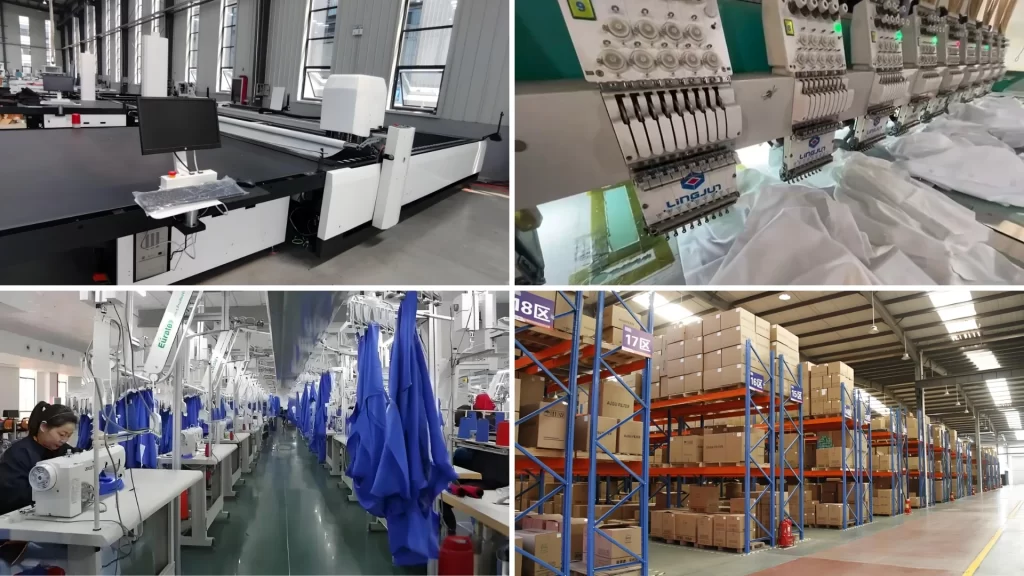
The available product scope includes:
- Primary school uniforms
- Middle school uniforms
- High school uniforms
- School polo shirts and T-shirts
- Shirts, trousers, shorts and skirts
- Sports uniforms and tracksuits
- Hoodies and sweatshirts
- Jackets and windbreakers
- Winter coats
- Formal blazers and coordinated sets
LSLONG can support the process from product planning and material selection through sampling, bulk manufacturing, branding, packaging and export coordination.
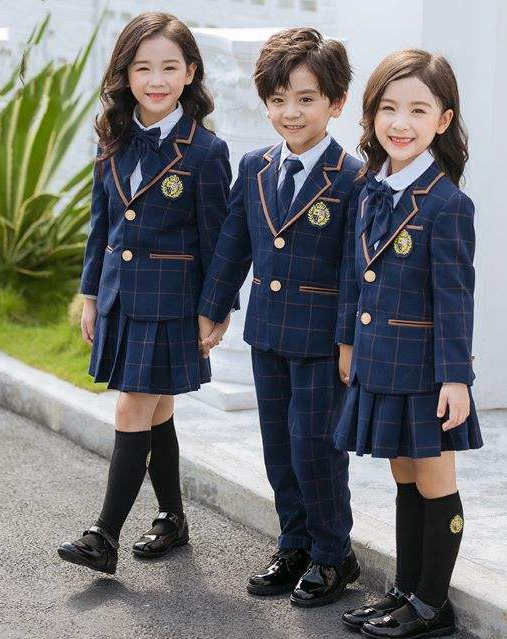
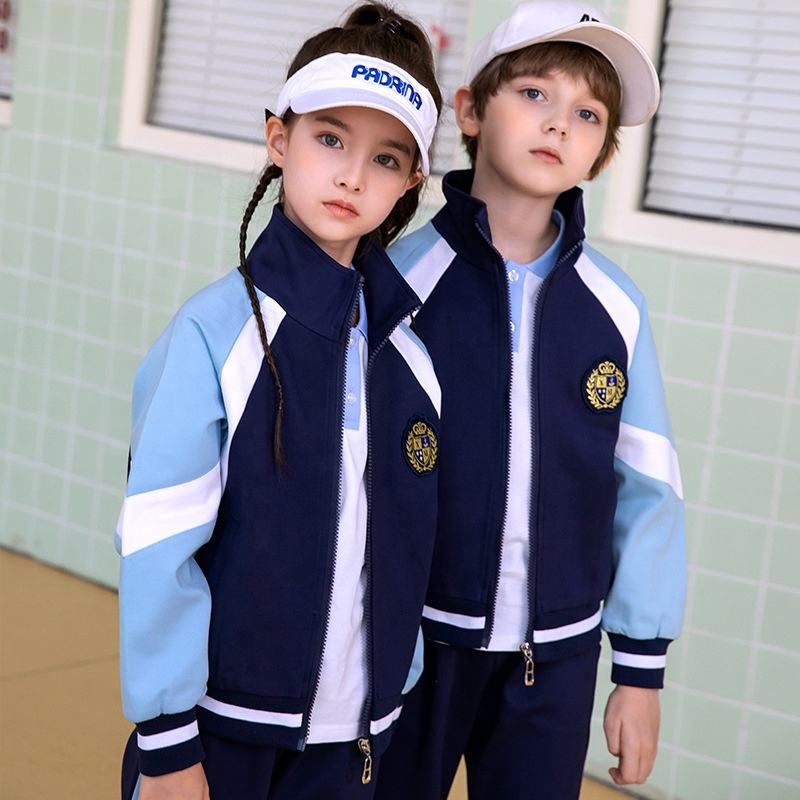
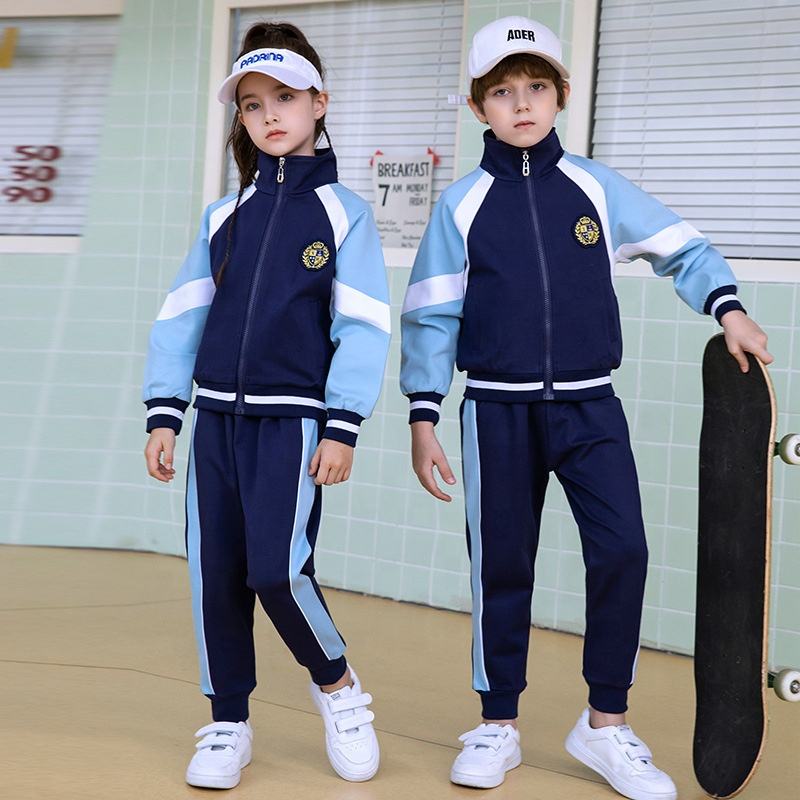
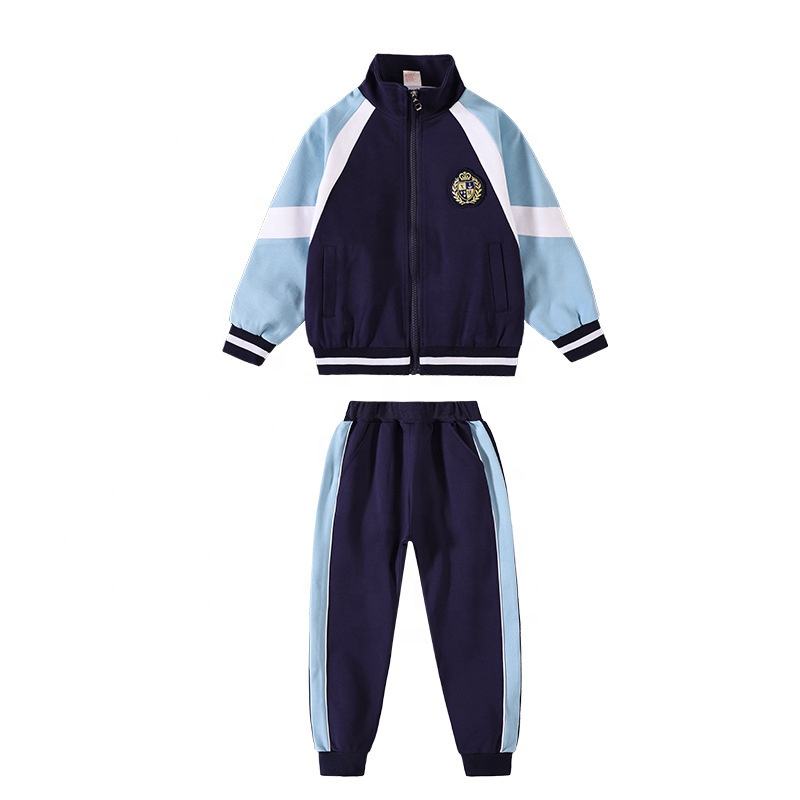
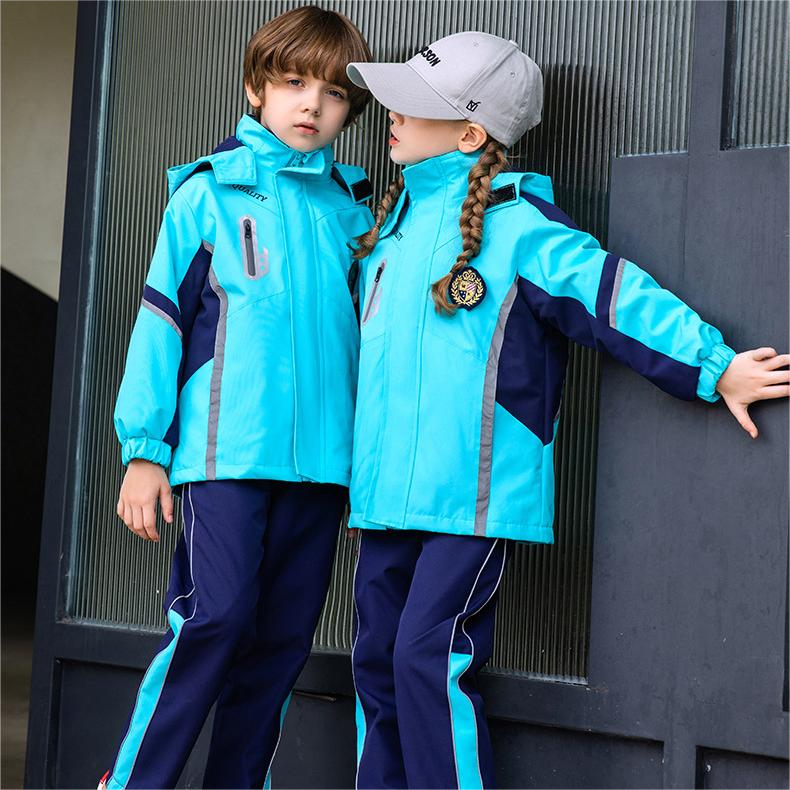
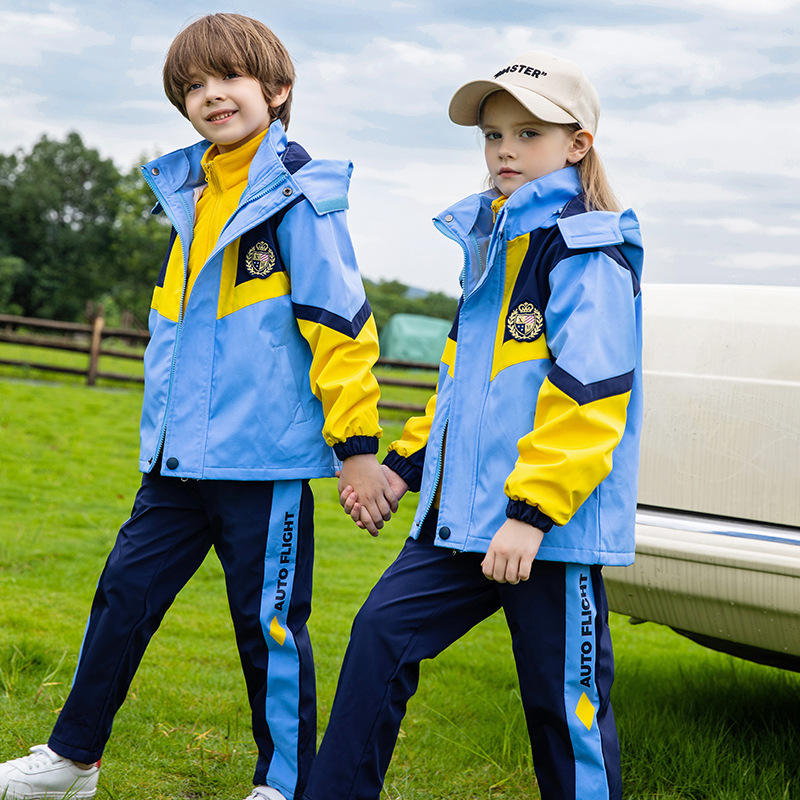
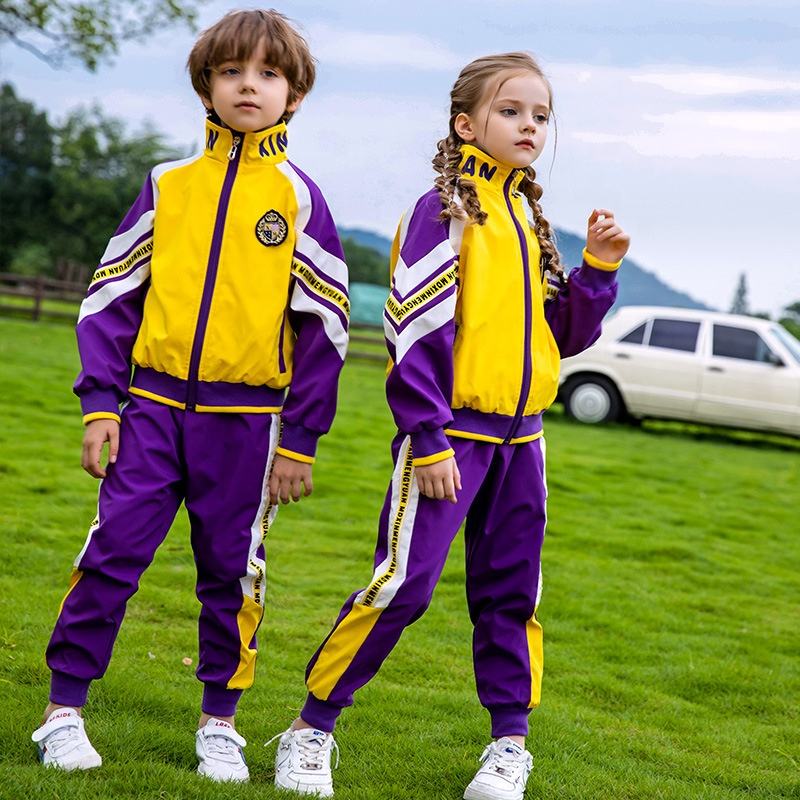
For buyers, the value of an experienced school uniform factory is not limited to sewing garments. The larger responsibility is managing consistency across sizes, products, deliveries and repeat orders.
A Practical 2027 Procurement Checklist
Before confirming the bulk order, verify that the following items are complete.
Product approval
- Final design approved
- Tech pack approved
- Fabric approved
- Physical color approved
- Size chart approved
- Logo artwork approved
- Embroidery or print sample approved
- Pre-production sample signed off
Commercial approval
- Quantity by SKU confirmed
- Unit prices confirmed
- Sample charges confirmed
- Payment terms confirmed
- Incoterm confirmed
- Production lead time confirmed
- Shipping method confirmed
Quality approval
- Measurement tolerances defined
- Shrinkage requirements defined
- Colorfastness requirements defined
- Inspection standard agreed
- Testing responsibilities assigned
- Packaging specification approved
Delivery approval
- Factory completion date confirmed
- Inspection date reserved
- Freight plan confirmed
- Customs documents identified
- Warehouse delivery date confirmed
- Student distribution buffer included
Final Recommendation: Earlier Planning Creates Better Uniforms

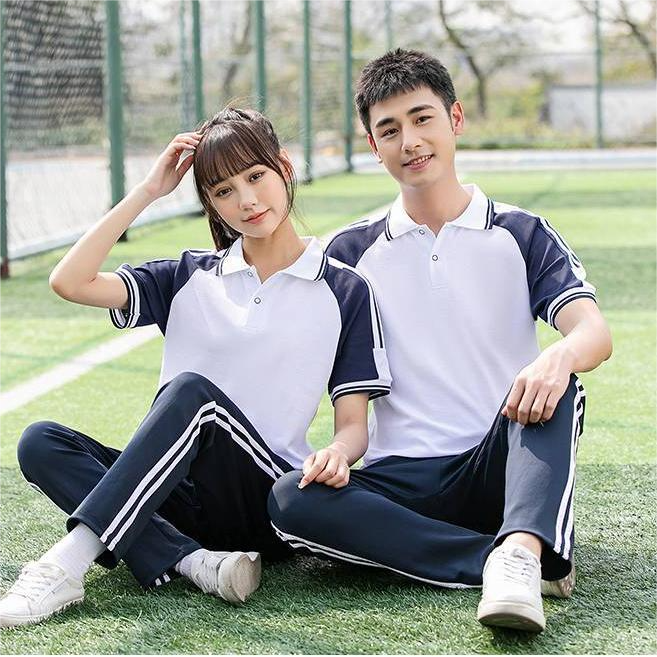
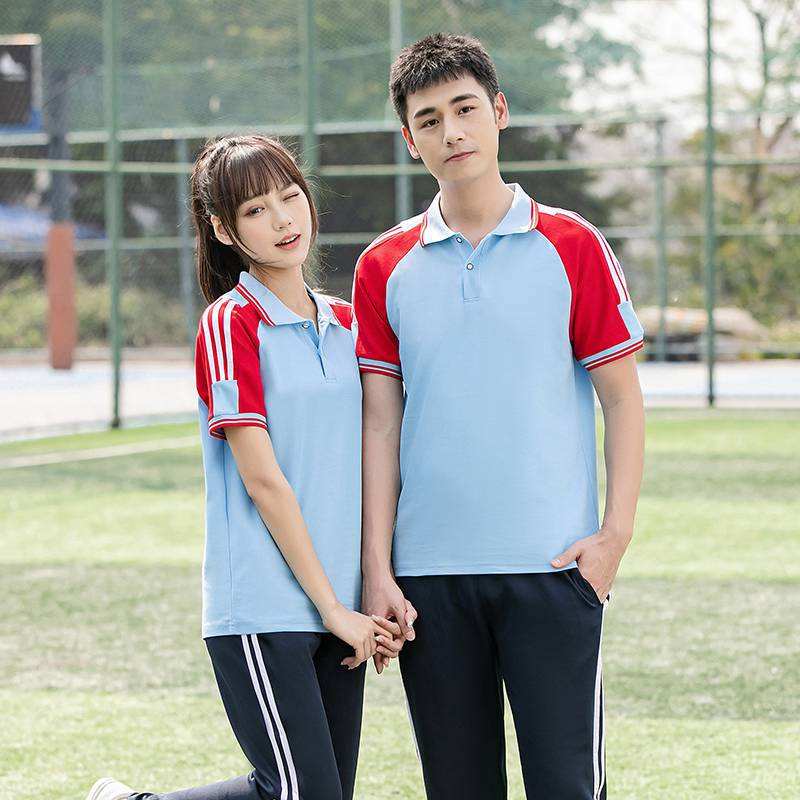
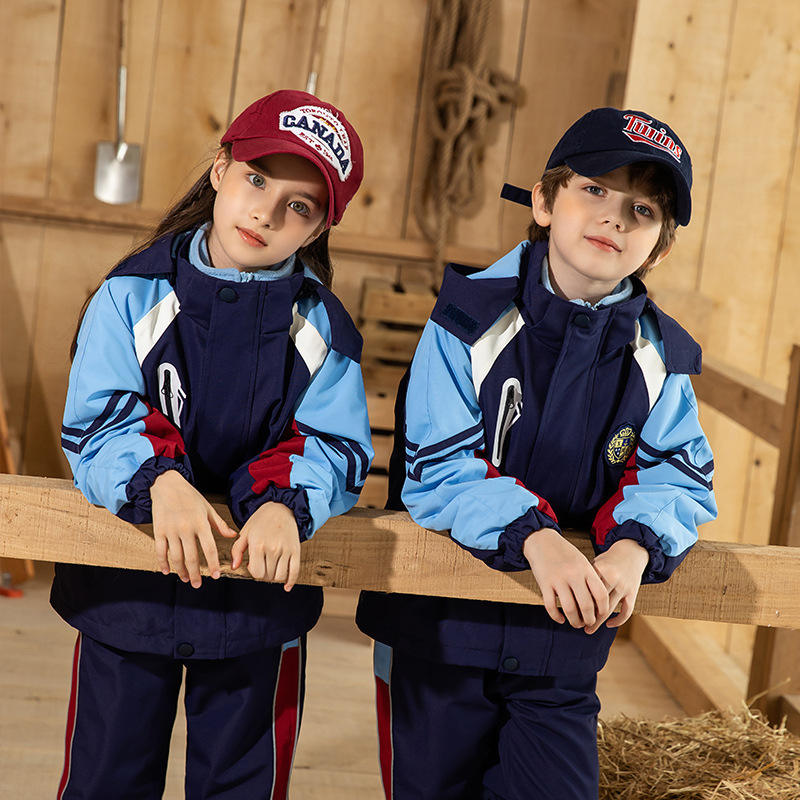
The best time to begin a 2027 school uniform OEM project is before the order feels urgent.
Early sourcing gives schools and distributors time to compare materials, test fit, correct samples, confirm colors and choose cost-effective transportation. It also gives the manufacturer enough time to protect quality instead of solving every problem through overtime and air freight.
For a January or February 2027 intake, bulk orders should generally be confirmed during the middle or third quarter of 2026. For an August or September 2027 intake, most new programs should begin by late 2026 or early 2027, with bulk orders confirmed in the first half of 2027.
The exact schedule depends on product complexity, quantity, destination and approval speed.
If your school, education group or distribution business is preparing a 2027 uniform program, send LSLONG your required delivery date, product list, expected student numbers and branding requirements.
The LSLONG school uniform OEM team can help convert those requirements into a workable development, production and delivery schedule.
Contact LSLONG to Plan Your 2027 Custom School Uniform Order.
Frequently Asked Questions
When should I order school uniforms for the 2027 academic year?
For a new custom program, begin planning approximately nine to twelve months before distribution. Bulk orders should usually be confirmed three to five months before the required warehouse arrival date.
How long does OEM school uniform production take?
The total timeline depends on design complexity, fabric availability, sampling, order quantity and testing. Bulk sewing may take only part of the schedule; material development, approvals and shipping must also be included.
Can a school place an order before final enrollment is known?
Yes. Schools can begin development using forecast enrollment data and confirm the final size breakdown before the factory’s agreed production cutoff.
How many extra uniforms should a school order?
The appropriate safety stock depends on historical demand and replenishment lead time. Buyers often evaluate a reserve of approximately 3–10%, concentrating on compulsory products and fast-selling sizes.
What information is required for a school uniform quotation?
Provide the product list, fabric requirements, size chart, colors, logo files, quantities, packaging, destination, delivery date and testing requirements.
Can LSLONG manufacture a complete school uniform collection?
Yes. LSLONG supports casual uniforms, polos, T-shirts, sportswear, hoodies, jackets, winter garments and formal school uniform products.
Should school uniforms be tested before bulk production?
Yes. Fit, shrinkage, colorfastness, workmanship and decoration durability should be evaluated according to the garment and destination-market requirements.
Is sea freight suitable for bulk school uniform orders?
Sea freight is generally cost-effective for planned bulk shipments. Buyers must provide enough time for port handling, customs clearance and local delivery.
How should distributors manage school uniform replenishment?
Maintain approved specifications and samples, track sales by SKU, reserve high-demand sizes and agree on repeat-order minimums and lead times before the first order is shipped.
Can LSLONG reproduce an existing school uniform?
An existing uniform can be used as a reference, but the buyer should also provide measurements, fabric expectations, color standards and branding files. A new approval sample should be confirmed before bulk production.