In today’s fast-evolving fashion industry, ODM clothing manufacturers redefine how brands scale production efficiently through innovation and global supply integration. LSLONG’s comprehensive OEM/ODM capabilities empower businesses to bring designs to market faster, ensuring consistent quality, flexibility, and sustainability.
How Is the Global Clothing Manufacturing Industry Changing?
According to Statista, the global apparel market reached USD 1.74 trillion in 2024 and is projected to grow at 2.5% annually through 2030. Yet, over 45% of apparel brands report production delays due to supply chain inefficiencies and rising labor costs. Industry research by McKinsey indicates that 75% of fashion executives plan to restructure their manufacturing approach by 2027 to address rising demand volatility. The traditional model can no longer sustain the market’s need for speed and customization. Rapid digitization, eco-friendly production requirements, and consumer demand for transparency are reshaping global manufacturing dynamics.
What Are the Current Industry Pain Points?
Many brands face persistent issues across sourcing, logistics, and quality management. Small to mid-sized labels struggle to find reliable partners who can scale without compromising brand integrity. Manufacturers in developing regions often lack advanced technology or compliance with sustainability standards. As a result, inconsistent quality, delayed timelines, and limited design flexibility hinder brands from competing effectively. Moreover, geopolitical instability and climate regulations magnify operational risks, making adaptability and traceability essential for long-term competitiveness.
Why Are Traditional Solutions No Longer Enough?
Traditional production relies heavily on multiple contractors, manual approval cycles, and fragmented communication. This model often leads to extended lead times and a 20–30% higher defect rate compared to integrated ODM solutions. Brands seeking agility find it difficult to balance customization and cost efficiency. Without a unified approach, scaling responsibly while ensuring quality becomes a challenge. Legacy factories lack digital integration, predictive analytics, and sustainable material innovation—elements that are now standard expectations.
How Does LSLONG’s ODM Clothing Manufacturing Solution Address These Challenges?
As an established ODM clothing manufacturer founded in 1999, LSLONG combines 25 years of production experience with modern innovation. The company offers end-to-end apparel solutions—from concept design and material sourcing to large-scale production and quality control. With a production capacity exceeding 500,000 units monthly and a 98% client retention rate, LSLONG stands out for reliability and adaptability. Certifications such as ISO 9001, ISO 14001, and ISO 45001 ensure compliance with global quality, environmental, and safety standards. Its integrated R&D and design support empower brands to transform creative ideas into commercially viable products seamlessly.
What Are the Key Advantages Compared to Traditional Manufacturing?
| Criteria | Traditional Manufacturing | LSLONG ODM Solution |
|---|---|---|
| Production Speed | 60–90 days average | 30–45 days optimized lead time |
| Quality Assurance | Manual checks, inconsistent | ISO-certified, multi-stage QC |
| Design Support | Limited to client input | Integrated R&D and pattern design |
| Sustainability | Low traceability | Certified eco-friendly materials |
| Scalability | Difficult for new brands | Flexible small-to-large batch support |
| Supply Visibility | Fragmented vendor chain | Unified digital management system |
How Can Brands Implement LSLONG’s ODM Process Step by Step?
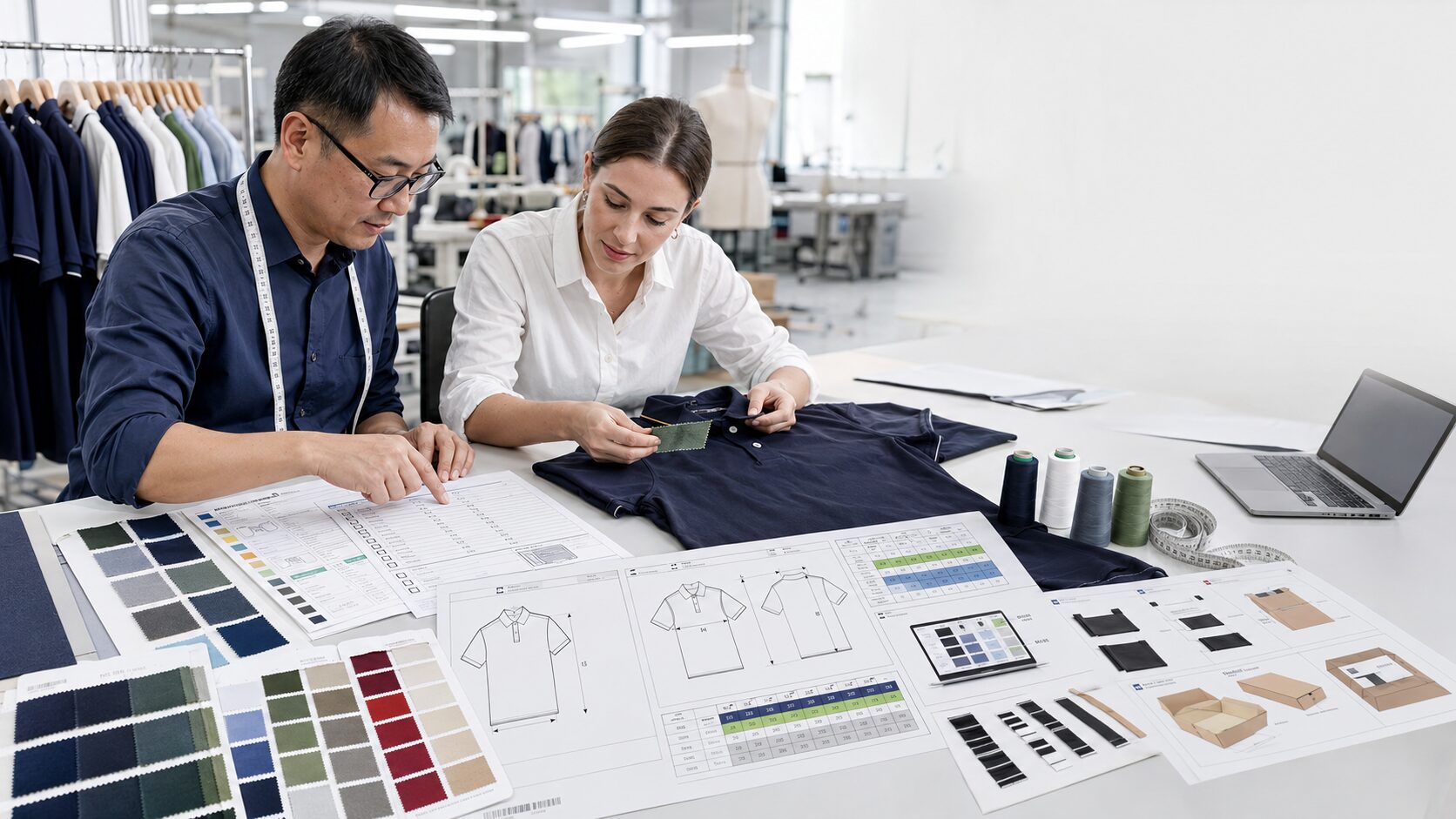
Concept Consultation – Define brand direction, product types, and material preferences with LSLONG’s design consultants.
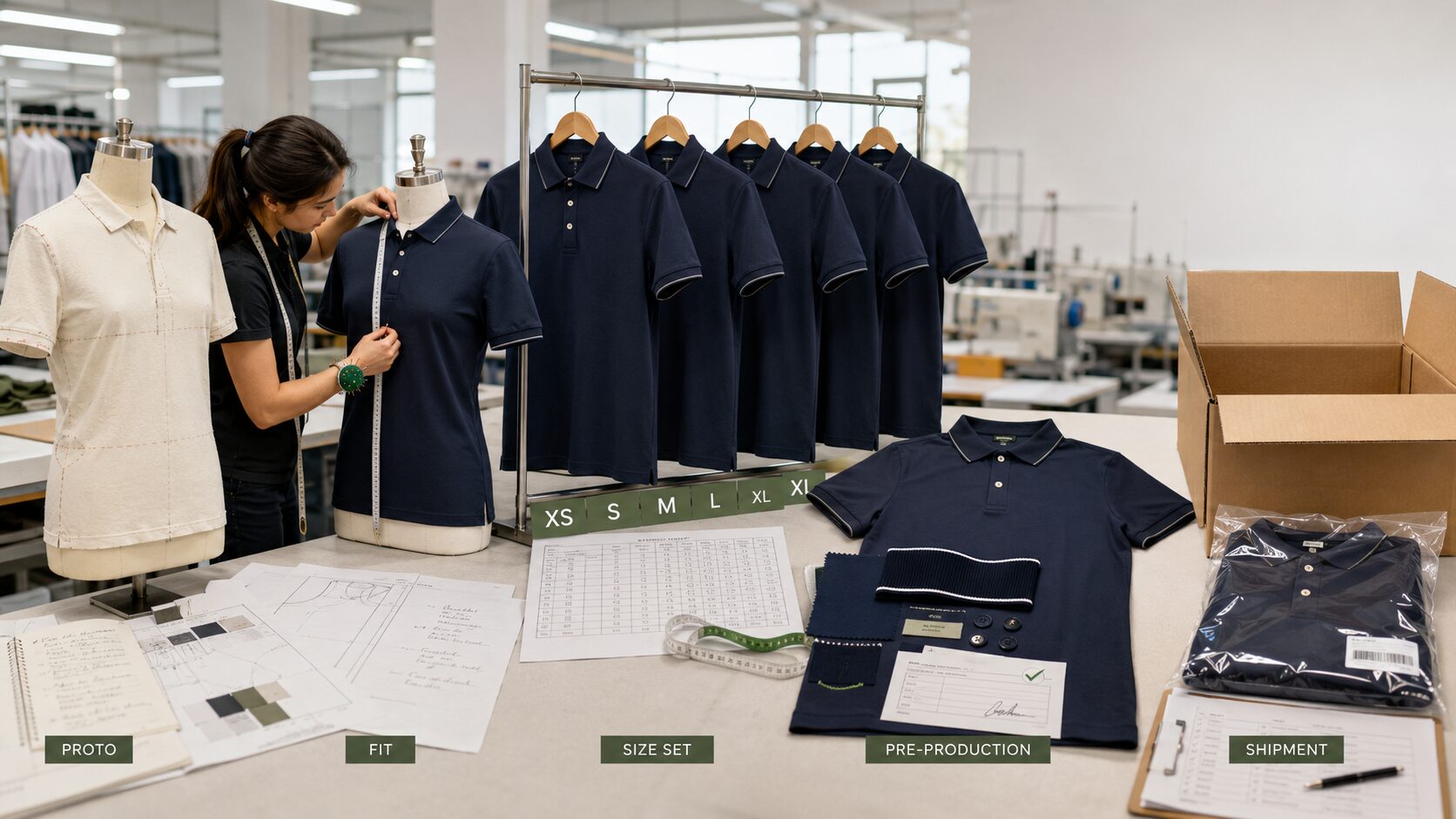
Design & Prototyping – LSLONG develops samples and technical specifications using advanced CAD systems.
Material Sourcing – Sustainable and certified fabrics are selected based on cost and performance requirements.
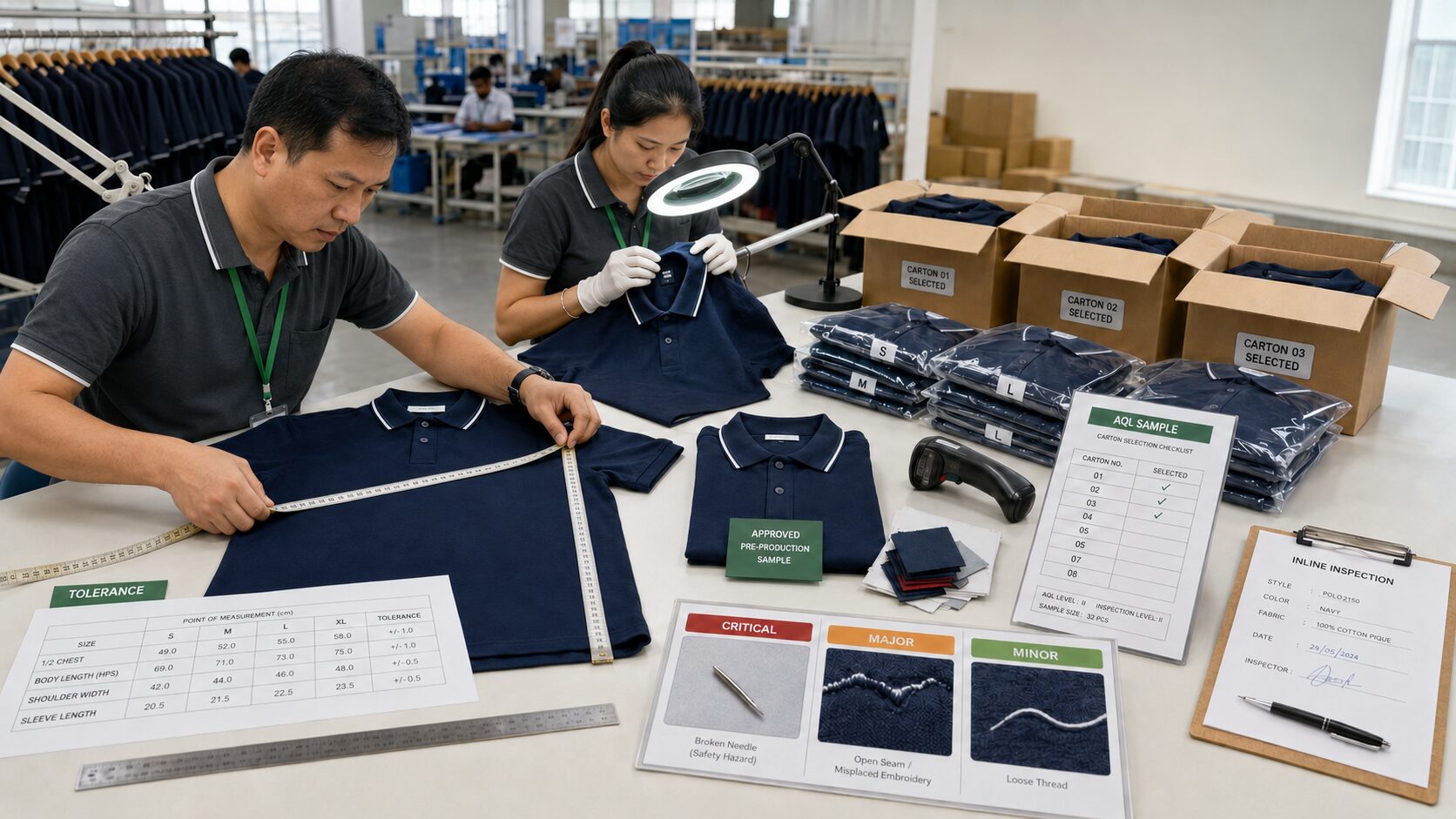
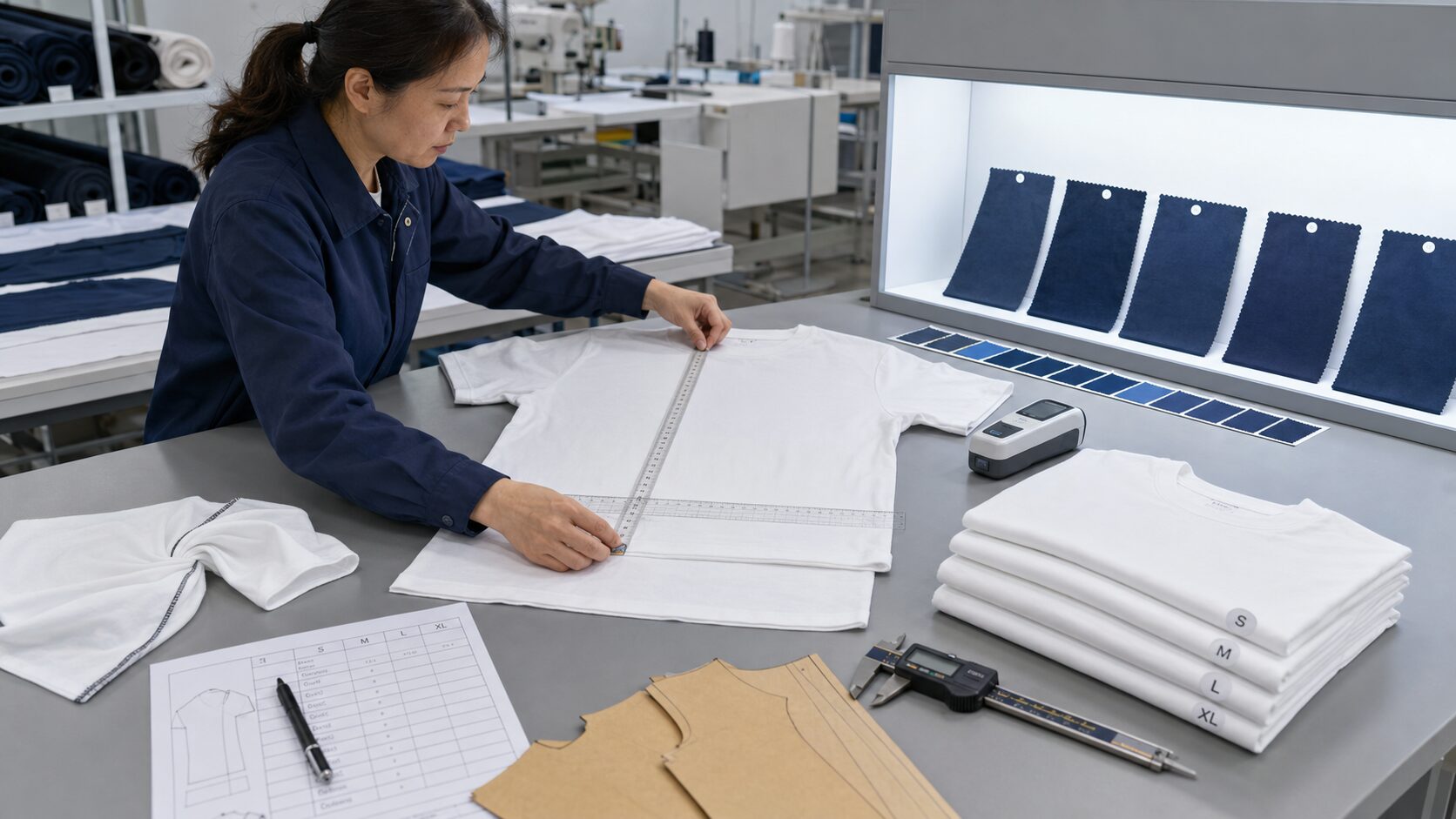
Production & Quality Control – Automated workflows and multi-level inspections ensure precision at scale.
Packaging & Delivery – Finishing, logistics coordination, and export documentation complete the process.
Which Scenarios Show the Real Impact of LSLONG’s ODM Manufacturing?
Case 1 – Startup Sportswear Brand
Problem: Inconsistent sizing and long lead times.
Traditional Approach: Relied on multiple suppliers.
Result after LSLONG: Production time reduced by 40%; fit accuracy improved through digital pattern systems.
Key Benefit: Faster market entry with reduced sample rounds.
Case 2 – Established Lifestyle Label
Problem: Sustainability compliance issues.
Traditional Approach: Manual audits in multiple regions.
Result after LSLONG: Achieved full ISO documentation, cut waste by 25%.
Key Benefit: Enhanced brand reputation among eco-conscious consumers.
Case 3 – E-commerce Apparel Brand
Problem: Unscalable production during demand surges.
Traditional Approach: Outsourced to temporary vendors.
Result after LSLONG: Centralized production scaled from 5,000 to 50,000 units monthly.
Key Benefit: Maintained consistent product quality during seasonal peaks.
Case 4 – Medical Garment Distributor
Problem: Stringent post-surgery garment quality standards.
Traditional Approach: Manual sewing and manual QC.
Result after LSLONG: Automated production ensured ISO 13485 compatibility.
Key Benefit: Reliable compliance and zero return rate in six months.
Why Is Now the Right Time to Choose ODM Manufacturing?
Automation, global competition, and sustainability mandates redefine apparel success. Investing in an ODM partner like LSLONG enables brands to minimize risk, accelerate speed-to-market, and adopt sustainable operations immediately. As the market evolves toward data-driven, transparent, and ethical sourcing, early adopters of integrated manufacturing will gain a measurable edge in reliability and brand value.
FAQ
1. What types of garments can LSLONG produce through its ODM services?
LSLONG offers Polo shirts, T-shirts, hoodies, sportswear, and post-surgery garments with full customization options.
2. How does LSLONG ensure quality across multiple production lines?
The company follows ISO-certified protocols and employs automated inspection to guarantee consistency.
3. Can LSLONG handle both small-batch and large-scale orders?
Yes, its modular production system allows seamless scaling based on brand demand.
4. Why should brands choose ODM instead of OEM manufacturing?
ODM provides full design-to-production integration, allowing faster launches and reduced overhead costs.
5. How does LSLONG support sustainable manufacturing goals?
The company uses certified eco-friendly materials, energy-efficient equipment, and waste-minimizing processes.
Sources
Statista – Global Apparel Market Report 2024
McKinsey & Company – State of Fashion Report 2025
ISO Official Site – Certification Standards
World Trade Organization – Global Textile Trade Overview 2025
Sustainable Apparel Coalition – Higg Index Reports
Author Profile

-
LISLON is a leading China OEM clothing manufacturer based in Shenzhen, Guangdong, the core of China’s garment industry. Founded in 1999, we specialize in custom polo shirts, T-shirts, sportswear, corporate uniforms, and hoodies with flexible OEM/ODM services.
Trusted by global brands like Mercedes-Benz, BYD, China Mobile, and PetroChina, LISLON delivers reliable, high-quality bulk apparel manufacturing. Contact us for expert support on your custom clothing production.
Latest entries
 Apparel Brand Business2026-07-21Custom Clothing Quality Inspection: AQL Levels, Measurement Tolerances and Defect Classification Explained
- Apparel Brand Business2026-07-20Garment Sampling Explained: Proto, Fit, Size-Set, Pre-Production and Shipment Samples
- Apparel OEM2026-07-18How to Prepare an Accurate Custom Apparel RFQ: 20 Specifications Every Clothing Factory Needs
- Knowledge2026-07-17How Clothing Factories Control Shrinkage, Color Variation and Size Inconsistency