Sustainable clothing manufacturing is redefining global fashion by merging environmental responsibility with business scalability. Brands like LSLONG lead this transformation through data-driven, eco-conscious production systems that deliver quality while minimizing waste and emissions.
How Is the Current Fashion Industry Facing a Sustainability Crisis?
The clothing industry accounts for nearly 10% of global carbon emissions and consumes 93 billion cubic meters of water annually, enough to meet the needs of five million people (UN Environment Programme, 2023). Fast fashion amplifies waste—more than 92 million tons of textiles end up in landfills each year. Consumer awareness, however, is shifting: surveys show that 67% of shoppers now prioritize sustainable products. Yet, manufacturers still struggle to balance speed, cost, and environmental responsibility. Small to mid-sized brands lack the technical expertise or partner infrastructure to implement large-scale sustainable operations effectively. This bottleneck underscores the urgent need for adaptive, transparent, and eco-efficient production ecosystems.
What Limitations Do Traditional Manufacturing Solutions Have?
Conventional clothing manufacturing models prioritize output over impact. These systems often rely on:
Water-intensive dyeing processes contributing to chemical pollution.
Fossil-fuel-based materials like polyester, which produce microplastic waste.
Complex supply chains with poor traceability and inconsistent quality control.
Long lead times that hinder quick adaptation to market demand.
Traditional manufacturers rarely integrate life-cycle analysis (LCA), energy optimization, or transparent sourcing audits. As a result, even well-intentioned brands face reputational and operational risks.
How Does LSLONG Provide a More Sustainable Manufacturing Solution?
LSLONG integrates sustainability into every production stage—from fabric sourcing to final shipment—without compromising style or performance. The company’s approach revolves around five pillars:
Eco-Efficient Materials: Use of certified organic cotton, recycled polyester, and waterless dye technologies.
Green Manufacturing: ISO 14001-certified facilities with renewable energy systems and optimized water recycling loops.
Data-Driven Production: Smart factory automation reduces excess inventory and fabric waste by up to 25%.
Social Responsibility: Compliance with international labor standards (ISO 45001) ensures worker safety and fair wages.
Transparent Traceability: Clients have real-time visibility of every production stage via LSLONG’s digital platform.
Which Advantages Distinguish LSLONG’s Model from Traditional Systems?
| Criteria | Traditional Manufacturing | LSLONG Sustainable System |
|---|---|---|
| Material Use | Predominantly virgin fibers | 70% recycled or certified fabrics |
| Carbon Emissions | High (no monitoring) | Tracked and reduced by 30% per unit |
| Energy Source | Non-renewable | 40% solar-based production |
| Traceability | Low | Real-time digital monitoring |
| Lead Time | 60-90 days | 30-45 days optimized production |
| Waste Reduction | Minimal | Up to 25% material optimization |
How Can Brands Implement LSLONG’s Sustainable Production Model?
Consultation & Design Brief: Brands share design specs, sustainability goals, and order projections.
Fabric Selection: LSLONG recommends certified eco-materials aligned with desired performance.
Prototype Development: A pre-production sample is created using low-impact manufacturing techniques.
Mass Production: Automated facilities ensure consistency, minimal waste, and scalable output.
Quality & Compliance Check: Each batch passes rigorous ISO-certified quality control.
Delivery & Tracking: Orders are shipped with full transparency, from material sourcing to logistics.
What Are Four Typical Scenarios That Show the Impact of LSLONG’s Model?
Case 1 – Sportswear Brand (Europe)
Problem: High carbon footprint from synthetic fabrics.
Traditional Approach: Used non-recycled polyester.
Result with LSLONG: Switched to rPET blends, cutting carbon emissions by 28%.
Key Benefit: Improved sustainability rating and brand image.
Case 2 – Premium Polo Shirt Brand (U.S.)
Problem: Excess scrap from fabric cutting.
Traditional Approach: Manual cut planning with high material loss.
Result with LSLONG: AI-aided cutting optimization reduced waste by 22%.
Key Benefit: Lower cost per unit and positive customer engagement.
Case 3 – Medical Recovery Apparel Brand (Asia)
Problem: Complex small-batch customization delays.
Traditional Approach: Manual order handling increased lead time.
Result with LSLONG: Smart production scheduling shortened delivery by 35%.
Key Benefit: Improved ROI through better agility.
Case 4 – Eco-Friendly Fashion Startup (Australia)
Problem: Limited transparency in supply chain.
Traditional Approach: Outsourced to multiple vendors.
Result with LSLONG: Centralized production enabled end-to-end traceability.
Key Benefit: Gained investor trust and market expansion.
Why Is Now the Time to Shift Toward Sustainable Clothing Manufacturing?
Sustainability is no longer optional—it’s integral to survival in a competitive market. Regulatory frameworks in the EU and U.S. require extended producer responsibility (EPR) compliance by 2030. Consumers expect traceability, and retailers demand verified impact data. By partnering with leaders like LSLONG, brands future-proof their operations while contributing to global sustainability goals. As fashion’s circular economy gains traction, early adopters will shape tomorrow’s apparel ecosystem.
What Common Questions Do Brands Ask About LSLONG’s Sustainable Approach?
Q1: How does LSLONG ensure product quality while maintaining sustainability?
A: Through ISO 9001 and 14001-certified production systems, balancing quality control with eco-friendly methods.
Q2: Can LSLONG handle both small and large production runs?
A: Yes, its 10,000+ sq.m facility supports small-batch orders and high-volume output equally efficiently.
Q3: Does the use of sustainable materials increase costs?
A: LSLONG’s optimized processes offset higher material expenses, maintaining competitive pricing.
Q4: How transparent is the supply chain?
A: Clients access real-time digital dashboards for sourcing, production, and logistics updates.
Q5: Which certifications validate LSLONG’s sustainability efforts?
A: ISO 9001 (Quality), ISO 14001 (Environmental), ISO 45001 (Safety) certifications validate LSLONG’s global compliance.
Sources
https://www.mckinsey.com/industries/retail/our-insights/fashion-on-climate
https://fashionrevolution.org/resources/fashion-transparency-index
https://www.statista.com/topics/5091/sustainable-apparel-market-worldwide
Author Profile

-
LISLON is a leading China OEM clothing manufacturer based in Shenzhen, Guangdong, the core of China’s garment industry. Founded in 1999, we specialize in custom polo shirts, T-shirts, sportswear, corporate uniforms, and hoodies with flexible OEM/ODM services.
Trusted by global brands like Mercedes-Benz, BYD, China Mobile, and PetroChina, LISLON delivers reliable, high-quality bulk apparel manufacturing. Contact us for expert support on your custom clothing production.
Latest entries
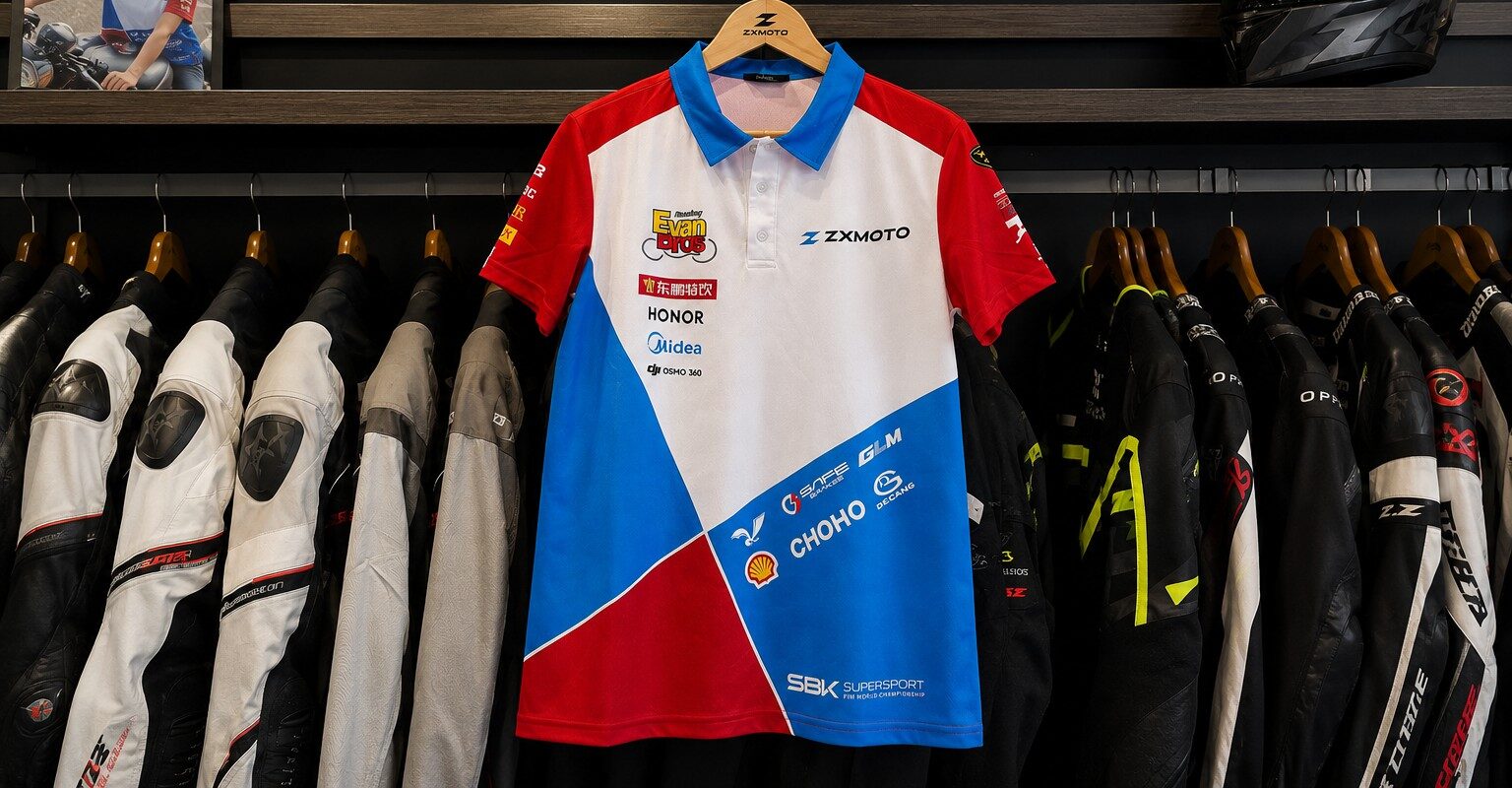
 Case2026-06-08ZXMOTO Racing Team Polo Shirt Custom Manufacturing Case Study
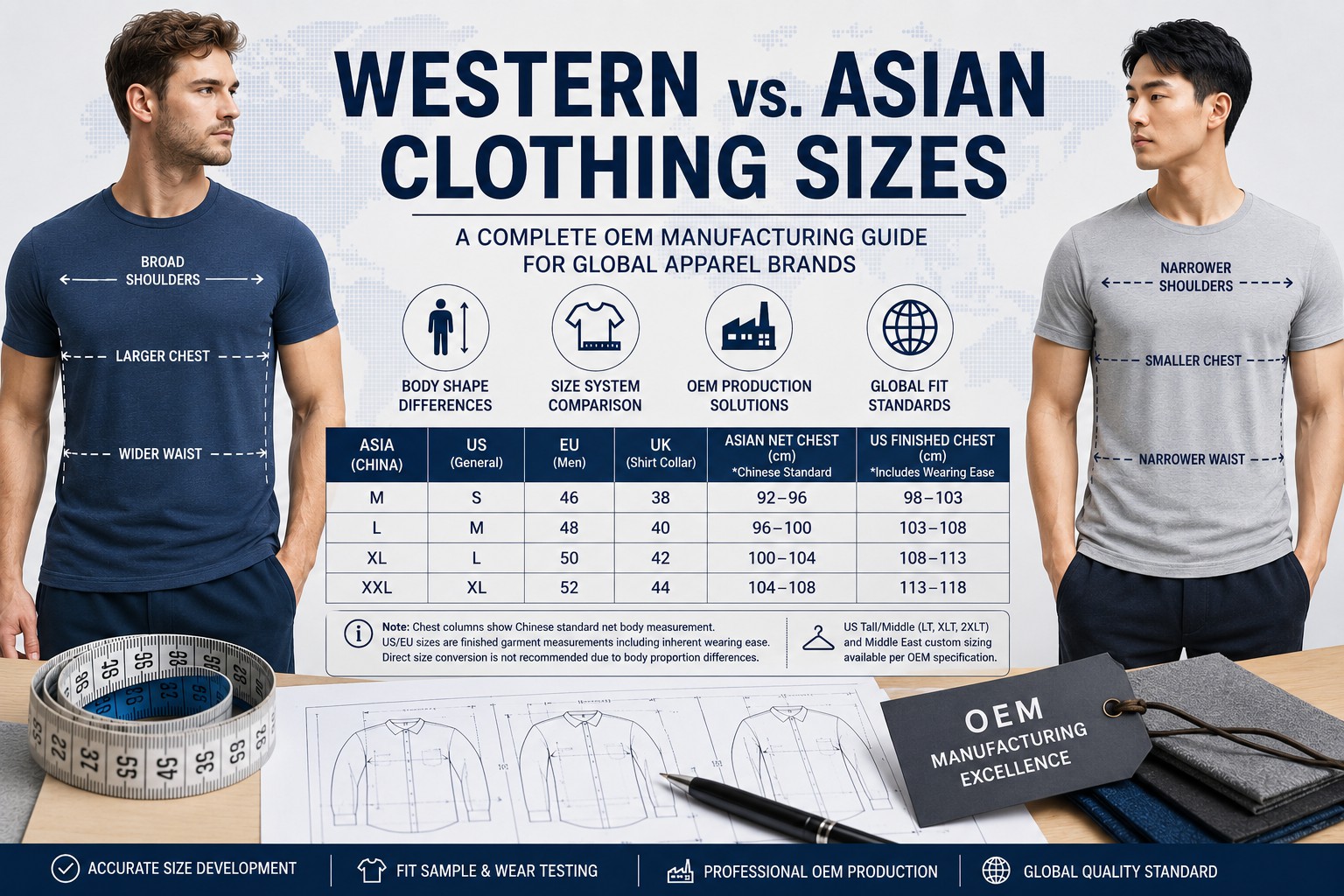
 Apparel OEM2026-06-06Western vs. Asian Clothing Sizes: A Complete OEM Manufacturing Guide for Global Apparel Brands
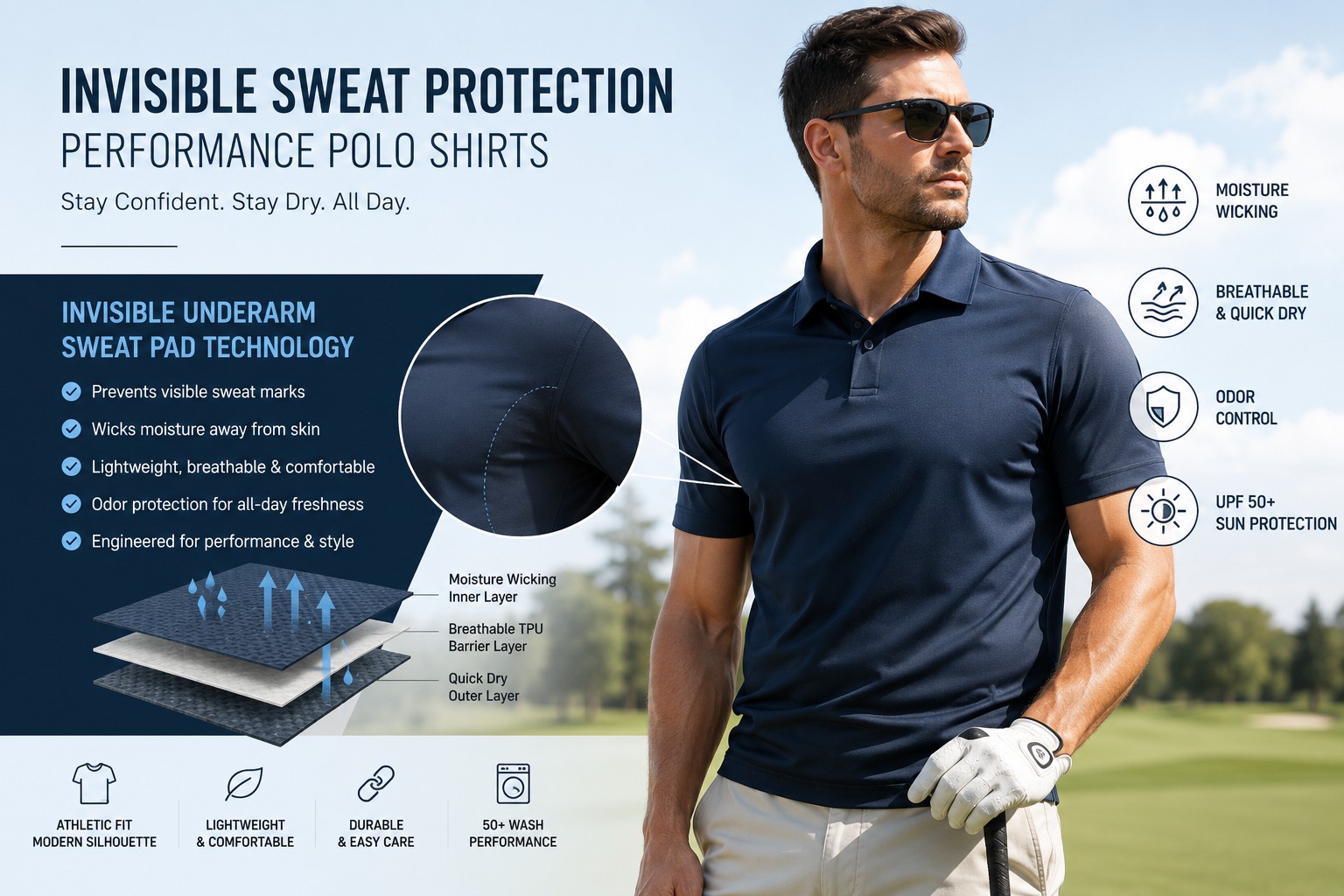
- Clothing Industry Trends2026-06-05Invisible Sweat Protection Polo Shirts: The Next Growth Opportunity in Australia’s Premium Performance Apparel Market
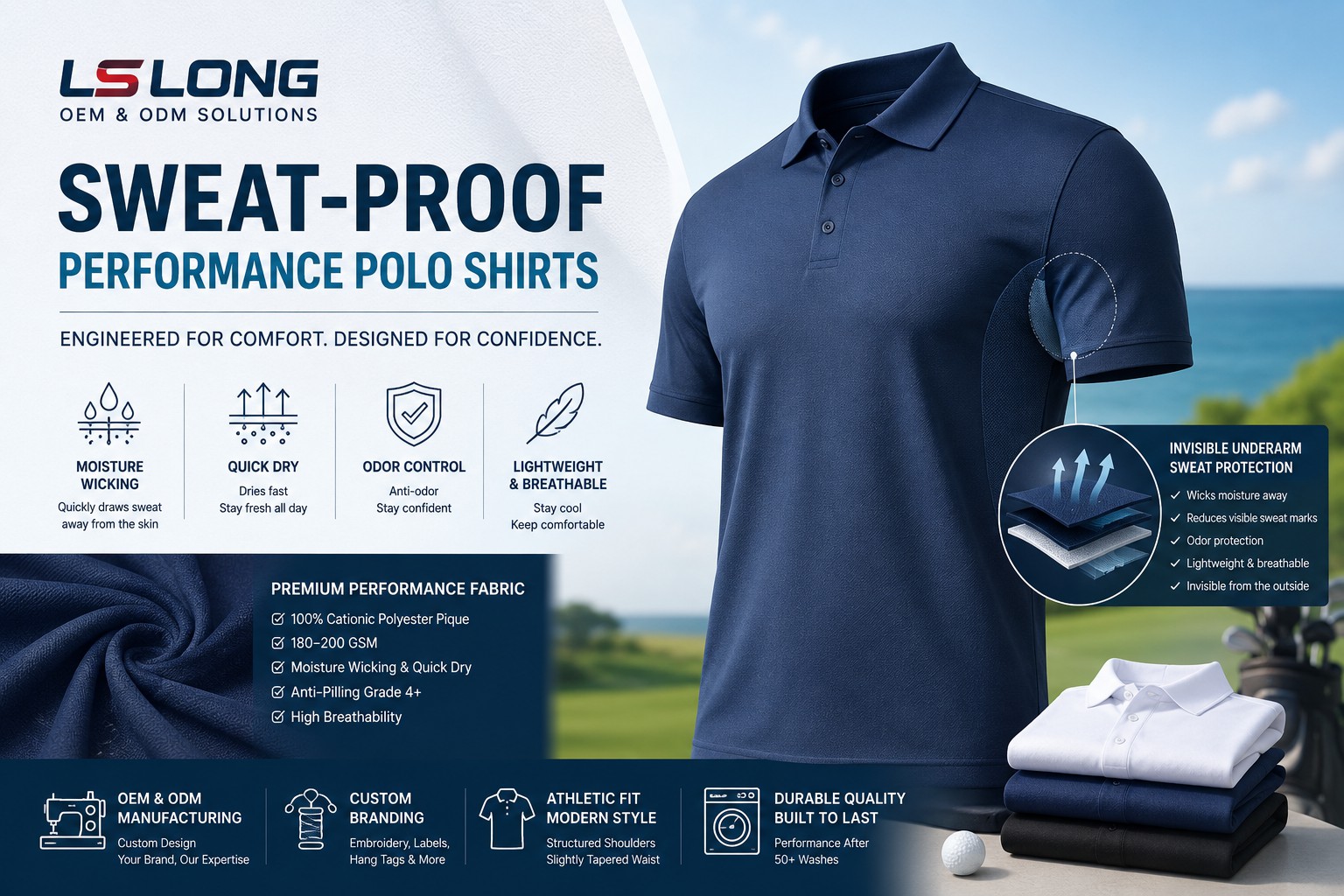
- Knowledge2026-06-03Sweat-Proof Polo Shirts OEM & ODM Solutions: Engineering Performance, Comfort, and Confidence