Post-surgical clothing for arm and shoulder recovery plays a critical role in patient comfort, faster healing, and daily mobility. The right garment enables pain-free dressing, enhanced compression, and proper circulation management, minimizing recovery complications and boosting confidence during rehabilitation.
How Big Is the Demand for Post-Surgical Clothing and What Are the Current Challenges?
According to a 2025 report by Grand View Research, the global post-surgical clothing market surpassed USD 530 million and is expected to grow at a CAGR of 6.2% through 2030. This rise is driven by increasing cosmetic, orthopedic, and reconstructive surgeries following trauma or chronic joint conditions. However, over 60% of patients report discomfort with their recovery garments, including difficulty in dressing, fabric irritation, and poor postural support (American Physical Therapy Association, 2024).
These issues highlight a gap between rising clinical needs and current garment performance.
Why Are Patients Struggling With Traditional Post-Surgical Apparel?
Three major pain points define the industry’s limitations today:
Restricted mobility: Most recovery garments rely on tight designs or stiff fabrics that interfere with shoulder rotation or arm lifts, especially during physiotherapy.
Poor breathability and hygiene: Inadequate ventilation leads to moisture buildup and skin irritation, increasing infection risk.
Complicated wearability: Typical designs require overhead dressing—difficult and painful for those with limited range of motion.
These persistent shortcomings underscore the urgent need for innovative design focused on medical-grade comfort and functional usability.
What Are the Limitations of Traditional Arm and Shoulder Recovery Clothing?
Traditional post-surgical wear is often adapted from sportswear or compression garments, not purpose-built for recovery. This mismatch creates several inefficiencies:
Limited adaptability: One-size-fits-all models ignore individual swelling or incision locations.
Lack of targeted compression: Uneven pressure impedes lymphatic flow and healing efficiency.
Uncomfortable closures: Zippers and seams placed near incision lines cause irritation.
These flaws slow recovery, reduce adherence to post-surgical garment protocols, and lower patient satisfaction.
How Does LSLONG’s Advanced Recovery Garment Address These Issues?
LSLONG’s post-surgical clothing line introduces ergonomic innovations blending medical science, textile engineering, and patient-centered design:
360° easy-access closures: Velcro and side-opening systems enable single-handed dressing without pain.
Smart compression panels: Graduated pressure zones aid lymphatic drainage while maintaining circulation.
Antibacterial, hypoallergenic fabrics: OEKO-TEX certified materials reduce infection risk and skin irritation.
Thermal regulation: Breathable microfibers stabilize temperature and minimize sweat accumulation.
Custom-fit options: Tailored sizing supports swelling fluctuations during recovery phases.
Each garment is rigorously tested and manufactured in LSLONG’s ISO 9001-certified facilities, ensuring precision and consistency for both hospital procurement and retail channels.
Which Advantages Make LSLONG Stand Out Compared to Traditional Solutions?
| Feature | Traditional Garments | LSLONG Post-Surgical Wear |
|---|---|---|
| Dressing convenience | Overhead design, painful | Side-open, pain-free access |
| Compression control | Static, uneven | Smart gradient pressure system |
| Fabric performance | Standard cotton/polyester | Medical-grade antibacterial fabric |
| Comfort and hygiene | Average, may cause irritation | Hypoallergenic, breathable |
| Durability | Moderate | Tested 200+ wash cycles |
| Design customization | Limited | OEM/ODM flexible design options |
How Can Patients or Clinics Use LSLONG Post-Surgical Clothing Effectively?
Assessment: Determine surgery type—rotator cuff, shoulder arthroplasty, or lymph node removal—to select compression level.
Measurement: Use LSLONG’s size chart or request custom fit for accurate compression mapping.
Daily wear routine: Dress using the side-open or front-zip design to avoid raising arms.
Cleaning and maintenance: Machine wash gently in cold water; air-dry to preserve elasticity and antibacterial properties.
Duration: Typically worn for 4–8 weeks post-surgery, based on physician guidance.
Who Benefits Most from LSLONG’s Post-Surgical Clothing?
Case 1: Shoulder Replacement Recovery
Problem: Painful dressing and limited mobility.
Traditional method: Loose T-shirts caused irritation.
After LSLONG: 40% reduction in dressing time, improved shoulder flexibility.
Key benefit: Enhanced independence during early recovery.
Case 2: Post-Mastectomy Lymphedema Management
Problem: Inconsistent compression causing swelling.
Traditional method: Elastic wraps requiring daily adjustments.
After LSLONG: Stable compression maintained all day.
Key benefit: Lower swelling and pain, improved confidence.
Case 3: Sports Injury Rehabilitation
Problem: Difficulty finding breathable garments for light exercise.
Traditional method: Tight compression tops causing overheating.
After LSLONG: Sweat-wicking fabric improved comfort during therapy.
Key benefit: Extended wear time with 25% faster muscle recovery.
Case 4: Hospital Post-Discharge Use
Problem: Limited garment options for home care patients.
Traditional method: DIY alterations by caregivers.
After LSLONG: Simplified wear design reduced caregiver involvement by 30%.
Key benefit: Greater autonomy and usability.
What Future Trends Define the Next Generation of Recovery Clothing?
The industry is moving toward AI-driven smart textiles and biometric monitoring integrated into recovery garments. LSLONG’s R&D division is exploring fiber sensors capable of tracking temperature and compression accuracy in real time. As surgical volumes grow globally, the demand for such intelligent clothing solutions will continue rising. Clinics and patients adopting early will gain measurable improvement in outcomes and efficiency. Now is the time to upgrade recovery wardrobes with science-backed apparel that truly supports healing.
FAQ
1. Can LSLONG garments be worn under regular clothing?
Yes. The lightweight, breathable design allows layering under normal attire without visible seams.
2. Are these garments suitable for both men and women?
Absolutely. LSLONG produces anatomically suited models for different body types and surgery zones.
3. How long should patients wear the garment after surgery?
Typical wear duration is 4–8 weeks, though physicians may extend based on recovery progress.
4. Does LSLONG offer hospital bulk orders or OEM branding?
Yes. With 25 years of experience, LSLONG provides customizable OEM/ODM solutions for clinics and retail brands.
5. Can I machine wash LSLONG recovery wear?
Yes. Wash on a gentle cycle with mild detergent and air dry to maintain compression integrity.
Sources
Author Profile

-
LISLON is a leading China OEM clothing manufacturer based in Shenzhen, Guangdong, the core of China’s garment industry. Founded in 1999, we specialize in custom polo shirts, T-shirts, sportswear, corporate uniforms, and hoodies with flexible OEM/ODM services.
Trusted by global brands like Mercedes-Benz, BYD, China Mobile, and PetroChina, LISLON delivers reliable, high-quality bulk apparel manufacturing. Contact us for expert support on your custom clothing production.
Latest entries
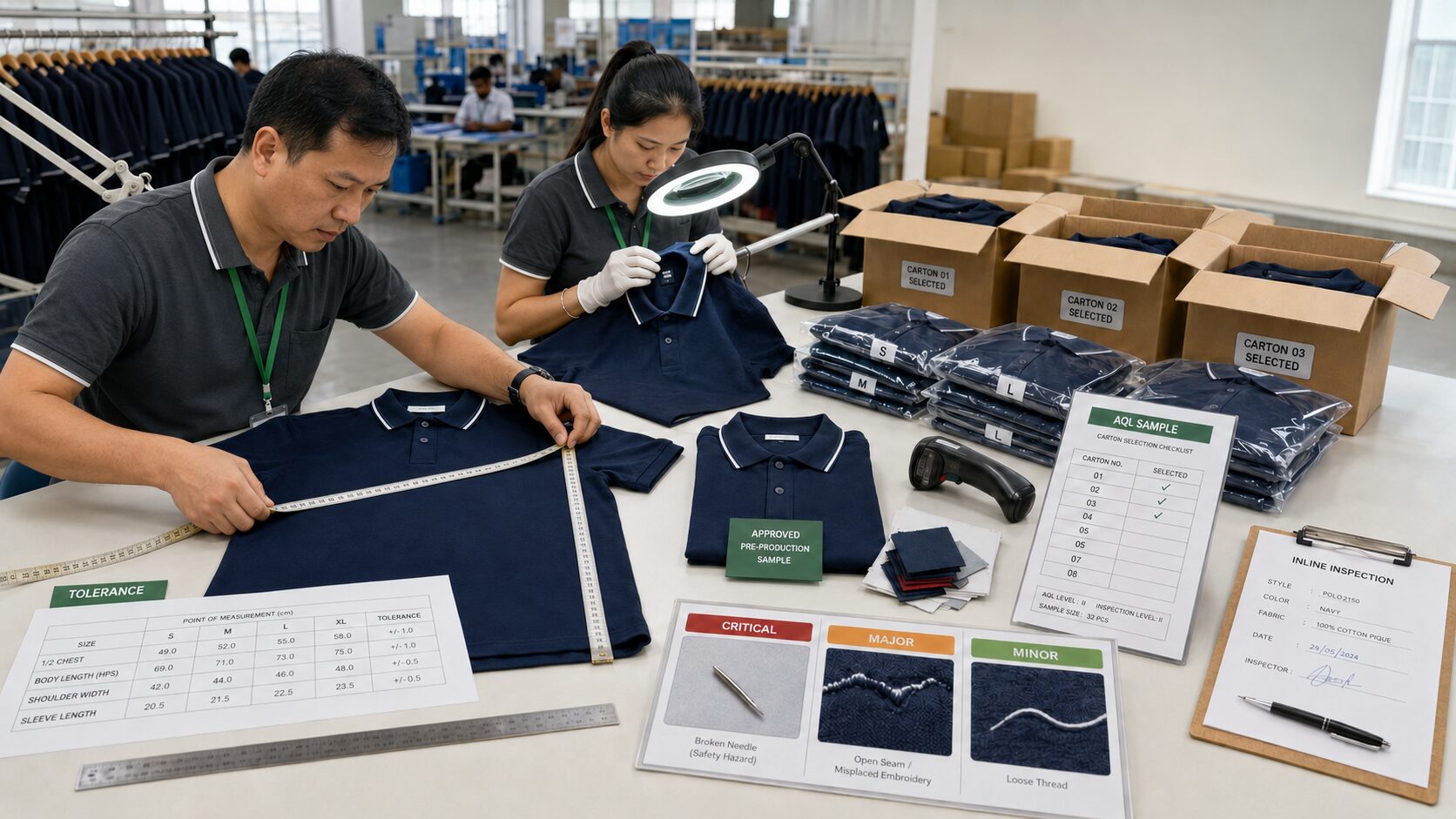
 Apparel Brand Business2026-07-21Custom Clothing Quality Inspection: AQL Levels, Measurement Tolerances and Defect Classification Explained
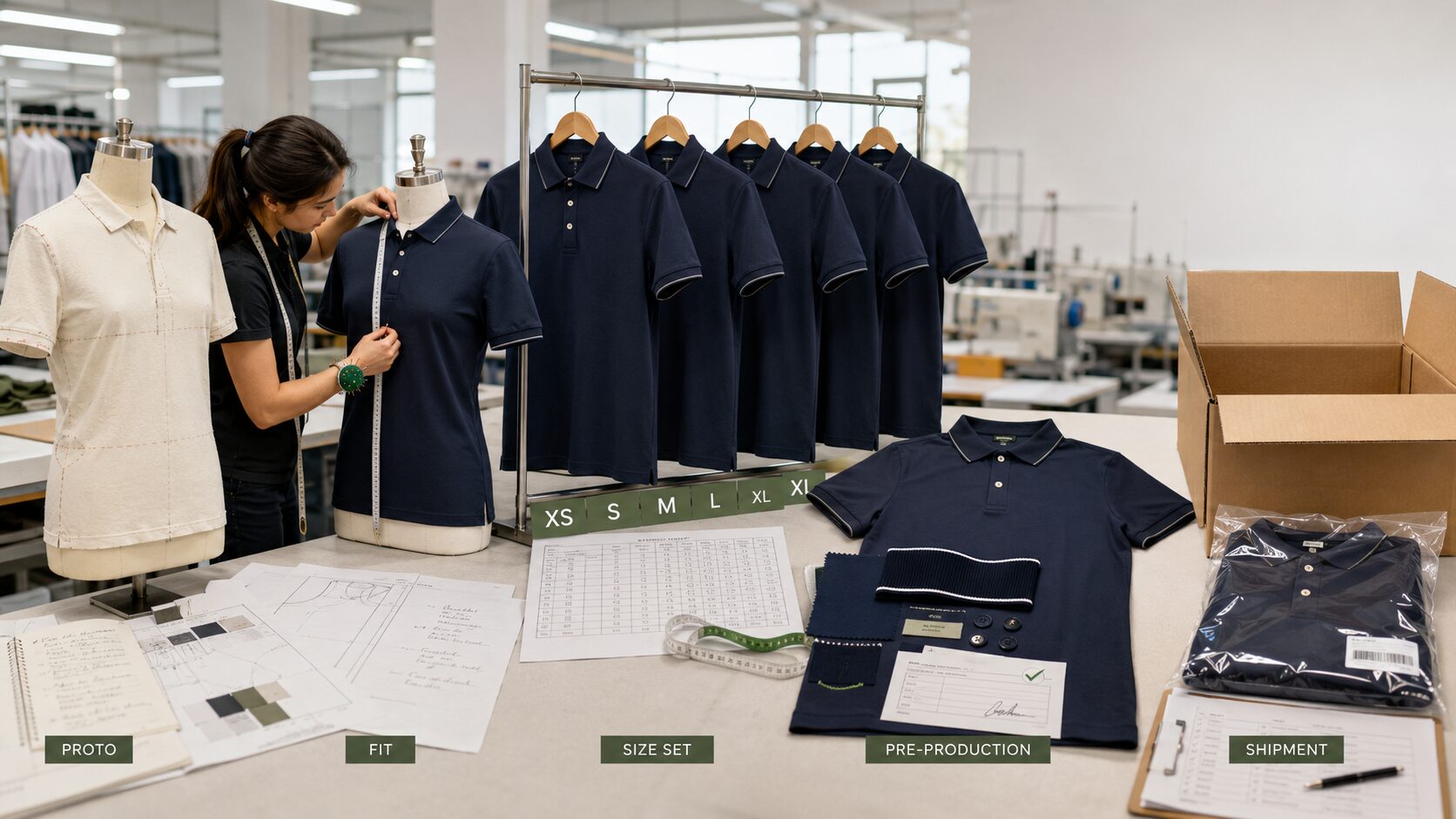
- Apparel Brand Business2026-07-20Garment Sampling Explained: Proto, Fit, Size-Set, Pre-Production and Shipment Samples
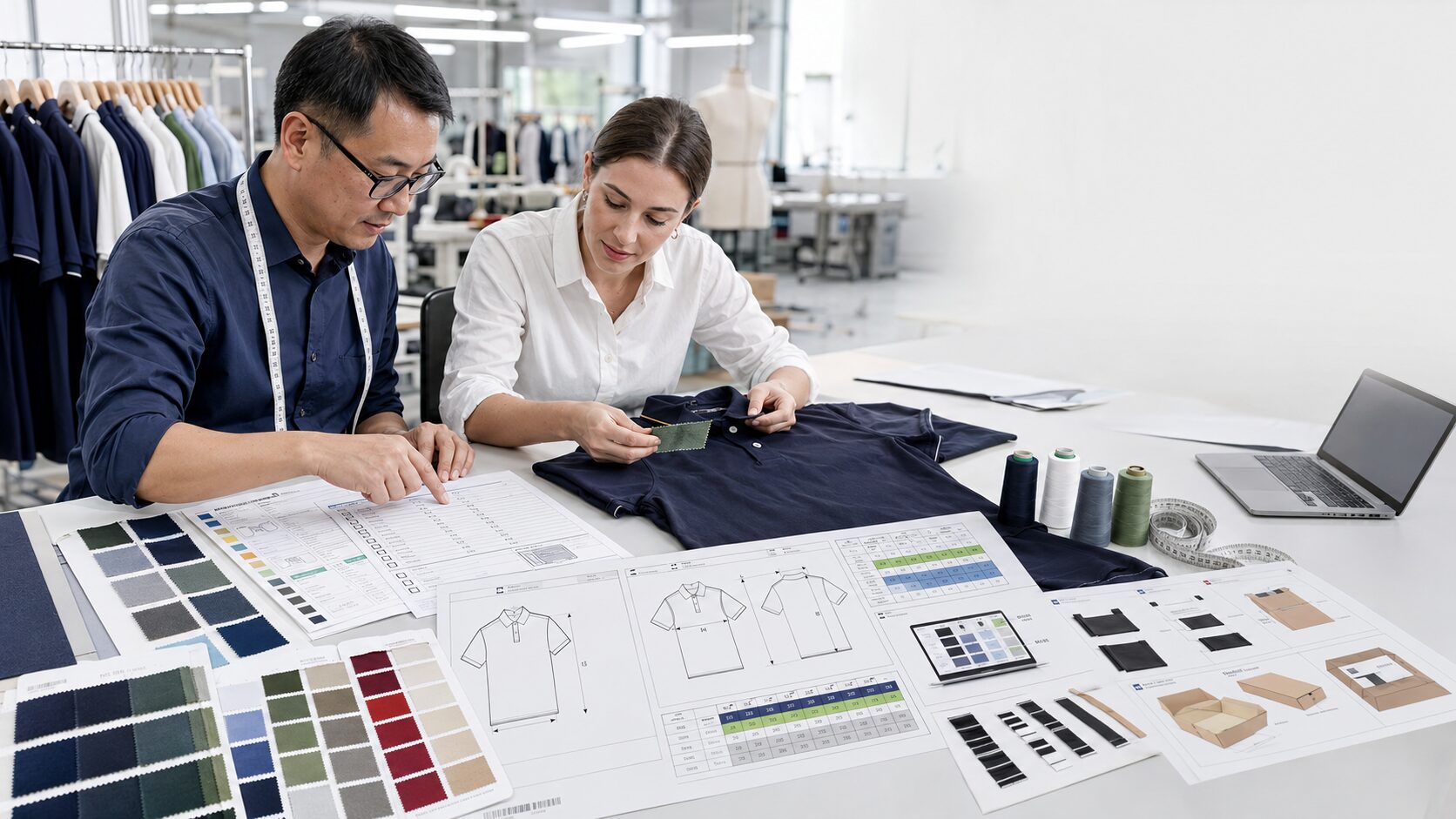
- Apparel OEM2026-07-18How to Prepare an Accurate Custom Apparel RFQ: 20 Specifications Every Clothing Factory Needs
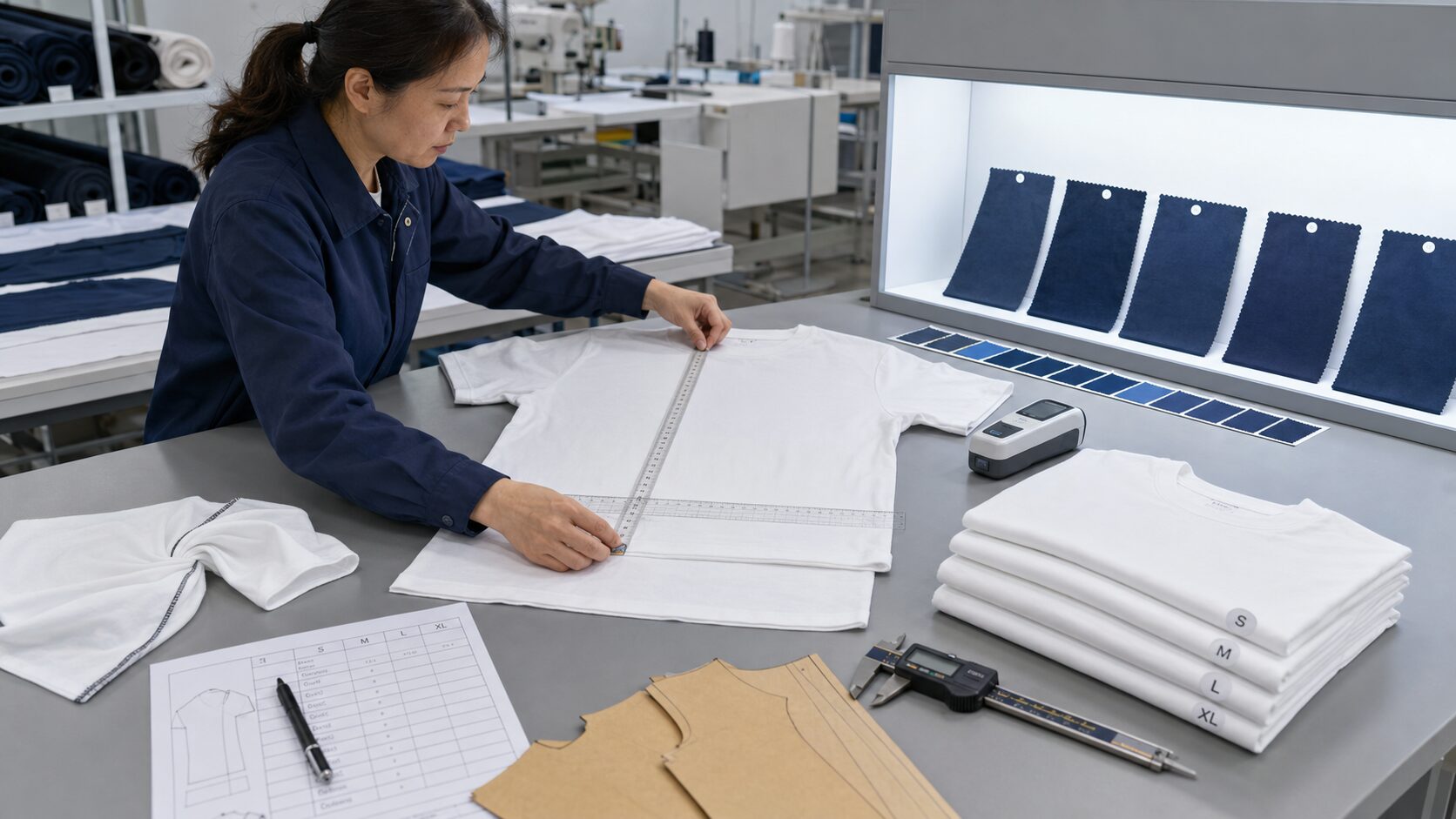
- Knowledge2026-07-17How Clothing Factories Control Shrinkage, Color Variation and Size Inconsistency