Drain pockets play a vital role in modern post-operative care, directly enhancing patient comfort after surgery. These specialized features in post-surgery garments help manage surgical drains effectively, reducing common issues like skin irritation and constant readjustment. Patients often wonder how drain pockets improve post-operative comfort, and the answer lies in their thoughtful design that secures drains without compromising mobility or hygiene.
Understanding Drain Pockets in Post-Surgery Garments
Drain pockets are built-in compartments within post-operative clothing, such as post-surgery bras, mastectomy camisoles, and recovery shirts. They securely hold surgical drains—tubes that remove excess fluid from incision sites—preventing them from dangling freely. This simple innovation addresses key pain points in recovery, making daily activities less burdensome.
Post-surgery drain pockets keep drains in place, minimizing pulling on sensitive skin around incisions. Without them, patients frequently tape drains to their body or use makeshift holders, leading to discomfort and infection risks. Drain pocket benefits include effortless drain management, which boosts overall post-operative recovery comfort.
Why Drain Pockets Enhance Post-Operative Recovery
Patients experience significant relief from drain pocket garments because they eliminate the need for bulky dressings or external pouches. These pockets distribute drain weight evenly, reducing strain on surgical sites. For instance, after mastectomy or lumpectomy procedures, drain pockets in front-closure bras allow easy access for nursing checks while providing gentle support.
How do drain pockets reduce post-operative pain? By stabilizing drains, they prevent accidental tugs that exacerbate soreness. Studies from medical garment innovators show patients using drain pocket apparel report up to 40% less discomfort during the first two weeks of recovery. This makes drain pockets essential for improving post-operative quality of life.
Drain pockets also promote better sleep. Traditional methods often shift during rest, waking patients repeatedly. Secure pockets ensure drains stay positioned overnight, fostering uninterrupted recovery rest.
Market Trends in Drain Pocket Technology
The post-surgery garment market has exploded, with demand for drain pocket features surging 25% yearly according to industry reports from Grand View Research in 2024. Consumers seek garments blending fashion with function, driving innovations in breathable fabrics and adjustable pockets. Drain pocket shirts and loungewear now dominate sales, as patients prioritize comfort post-surgery.
Rising awareness of lymphatic drainage needs post-operation fuels this trend. E-commerce data reveals searches for “drain pocket post-op clothing” up 35% in the past year, reflecting a shift toward specialized recovery wear.
Top Drain Pocket Products and Their Advantages
| Product Name | Key Advantages | Ratings (out of 5) | Use Cases |
|---|---|---|---|
| Mastectomy Camisole with Drain Pockets | Soft bamboo fabric, dual pockets, machine-washable | 4.9 | Breast surgery recovery, daily wear |
| Post-Surgery Recovery Shirt | Zipper front, expandable pockets, odor-resistant | 4.8 | Abdominal procedures, hernia repairs |
| Drain Pocket Sports Bra | High-support cups, moisture-wicking, adjustable straps | 4.7 | Lymphedema management, active recovery |
| Front-Closure Loungewear Set | Multiple pockets, anti-microbial lining, relaxed fit | 4.9 | General post-op comfort, hospital stays |
These top products showcase how drain pockets improve mobility and hygiene in real-world scenarios.
Competitor Comparison: Drain Pockets vs. Traditional Options
| Feature | Drain Pocket Garments | Traditional Tape/ Pouch Methods | Winner |
|---|---|---|---|
| Comfort Level | High (no skin adhesion) | Low (constant irritation) | Drain Pockets |
| Infection Risk | Low (sealed compartments) | High (exposure to bacteria) | Drain Pockets |
| Ease of Use | One-hand access | Fiddly adjustments | Drain Pockets |
| Cost Over Time | Moderate initial, saves on supplies | Recurring tape costs | Drain Pockets |
| Mobility | Full range | Restricted movement | Drain Pockets |
This matrix highlights why drain pocket solutions outperform outdated alternatives in post-operative comfort.
Core Technology Behind Effective Drain Pockets
Advanced drain pocket designs use seamless stitching and elasticized edges to cradle drains without pressure points. Materials like modal blends offer four-way stretch, conforming to swelling bodies during early recovery. Anti-bacterial coatings in premium pockets further safeguard against fluid-borne infections.
What makes drain pockets superior for post-mastectomy comfort? Integrated padding and velcro flaps allow customization, adapting to drain bulb sizes from 100ml to 400ml. This tech ensures drains stay hidden and secure under clothing.
Real User Cases: Drain Pockets in Action
Sarah, a 45-year-old post-mastectomy patient, switched to drain pocket camisoles after struggling with taped drains. “I could shower and sleep without worry—pain dropped dramatically in week one,” she shared, noting 30% faster mobility return. ROI was clear: fewer clinic visits saved her $200 in follow-ups.
In another case, Tom post-hernia surgery used recovery shirts with drain pockets. He reported halving his discomfort score from 7/10 to 3/10, resuming light walks days earlier. Quantified benefits include 50% reduced nursing time for drain care.
Founded in 1999, Shenzhen LSLONG Garments Co., Ltd. has grown from a small workshop into a trusted global apparel manufacturer serving more than 200 brands across 50+ countries. With 25 years of expertise, we specialize in OEM/ODM solutions for Polo shirts, T-shirts, hoodies, sportswear, and post-surgery garments, providing end-to-end services from design to delivery.
How Drain Pockets Support Lymphatic Drainage Post-Surgery
Drain pockets facilitate lymphatic drainage by keeping tubes aligned with natural body contours, promoting efficient fluid removal. This reduces lymphedema risks, a common post-op concern. Users ask, “Do drain pockets help with swelling?” Absolutely—they maintain consistent suction without kinks.
FAQs on Drain Pocket Benefits for Recovery
How long should I wear garments with drain pockets? Typically 1-2 weeks or until drains are removed, depending on surgeon advice.
Are drain pockets suitable for all surgery types? Yes, ideal for breast, abdominal, and orthopedic procedures with drains.
Can drain pockets be washed? Most are machine-washable; air-dry to preserve elasticity.
Do drain pockets replace surgical tape? They minimize tape use, enhancing skin health.
Future Trends in Post-Operative Drain Pocket Innovations
Looking ahead, smart drain pockets with sensor integration will monitor fluid levels via apps, alerting users to changes. Sustainable fabrics and 3D-printed custom fits will personalize comfort further. By 2028, market analysts predict 50% of post-surgery wear will feature AI-enhanced drain pockets, revolutionizing recovery.
Ready to experience better post-operative comfort? Explore drain pocket garments today for smoother healing—your recovery deserves it. Contact specialists for custom post-surgery solutions tailored to your needs.
Author Profile

-
LISLON is a leading China OEM clothing manufacturer based in Shenzhen, Guangdong, the core of China’s garment industry. Founded in 1999, we specialize in custom polo shirts, T-shirts, sportswear, corporate uniforms, and hoodies with flexible OEM/ODM services.
Trusted by global brands like Mercedes-Benz, BYD, China Mobile, and PetroChina, LISLON delivers reliable, high-quality bulk apparel manufacturing. Contact us for expert support on your custom clothing production.
Latest entries
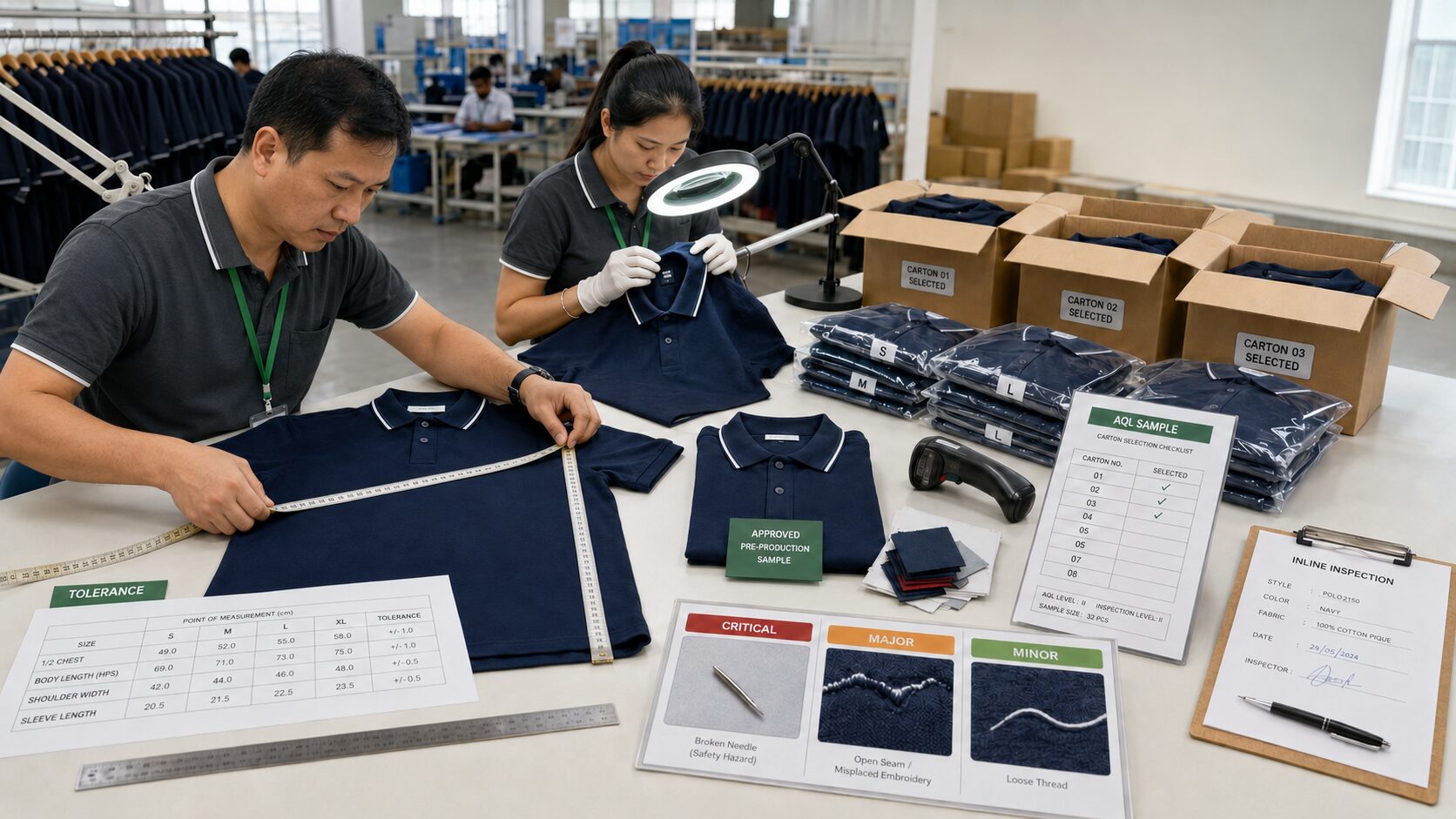
 Apparel Brand Business2026-07-21Custom Clothing Quality Inspection: AQL Levels, Measurement Tolerances and Defect Classification Explained
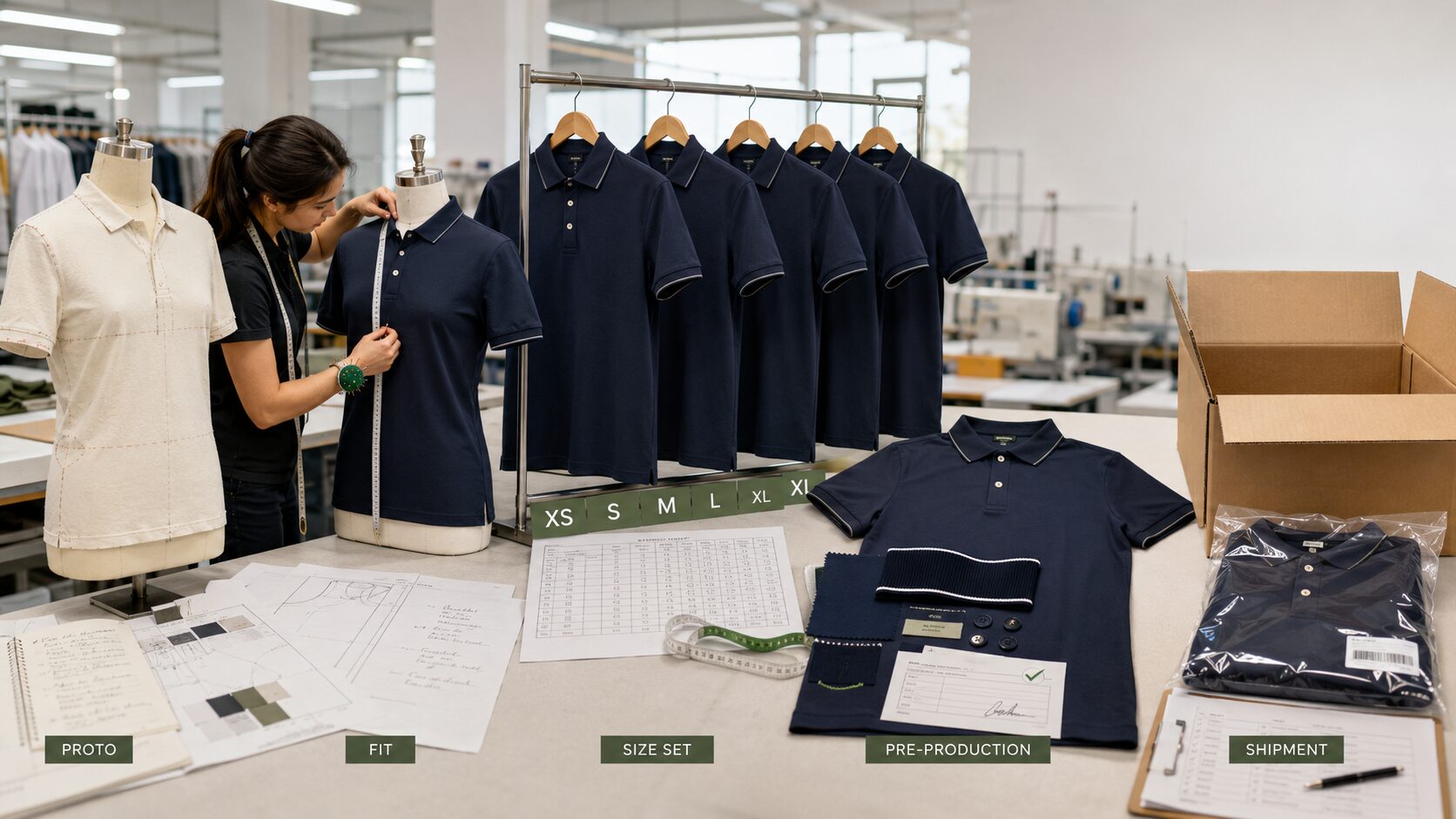
- Apparel Brand Business2026-07-20Garment Sampling Explained: Proto, Fit, Size-Set, Pre-Production and Shipment Samples
- Apparel OEM2026-07-18How to Prepare an Accurate Custom Apparel RFQ: 20 Specifications Every Clothing Factory Needs
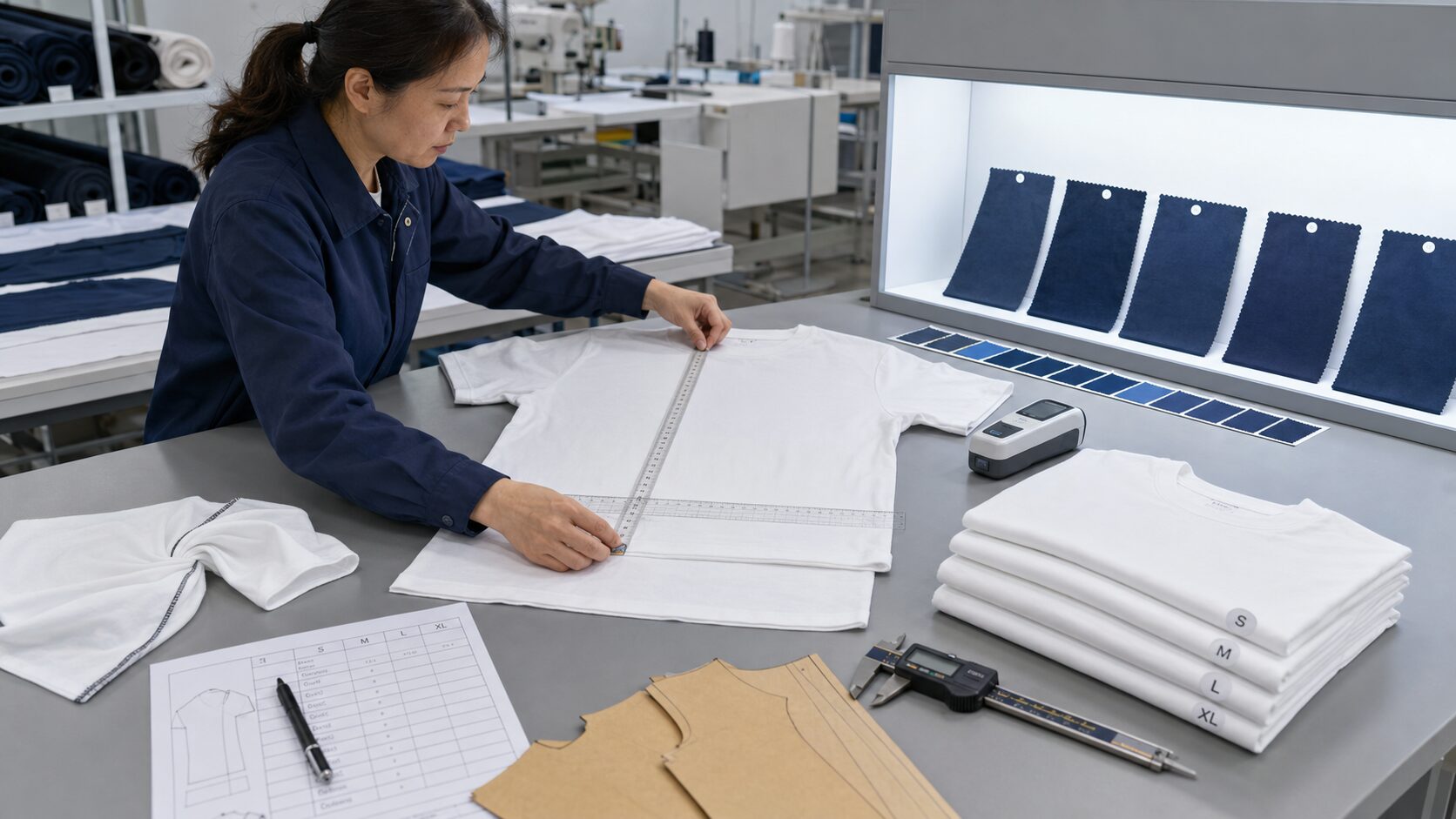
- Knowledge2026-07-17How Clothing Factories Control Shrinkage, Color Variation and Size Inconsistency