The global T-shirt market entered 2026with stronger demand than ever, driven by eCommerce growth, social media marketing, and personalization trends. Whether it’s a streetwear label, a fitness brand, or an online influencer’s merch line, the T-shirt remains one of the most reliable products for entrepreneurs seeking scalable, high-margin opportunities. But why is selling T-shirts still so profitable in 2026, and what makes this business model sustainable against evolving fashion and technology trends?
Explosive Market Growth and Data
According to Statista data in 2024, the global custom T-shirt printing market surpassed 4.3 billion USD and continues to grow at an annual rate of nearly 11%. The surge comes from small brands leveraging print-on-demand and direct-to-garment technologies to minimize upfront costs. Entrepreneurs no longer need massive inventory or warehouse space; automation tools and fulfillment platforms handle production and shipping. Meanwhile, consumers increasingly choose sustainable, organic cotton, recycled fabrics, and ethically sourced apparel—trends aligning perfectly with independent T-shirt sellers who promote transparent, eco-friendly production.
Why T-Shirts Remain the Perfect Product
Few products blend comfort, universality, and identity as a simple T-shirt. It transcends gender, age, and culture while offering an expressive canvas for design and storytelling. From minimalist aesthetics to bold pop-art graphics, the flexibility of T-shirts allows brands to target niche audiences with personalized messages. The low manufacturing cost-to-retail ratio amplifies their profitability, especially in a market where customers willingly pay more for originality, sustainability, or premium fabrics.
The Competitive Advantage of Direct-to-Consumer Sales
Selling T-shirts online eliminates traditional retail markups. Direct-to-consumer brands build loyal communities through authenticity and storytelling instead of spending heavily on ads. Platforms like Shopify, Etsy, and social marketplaces reduce entry barriers, allowing entrepreneurs to launch global micro-brands overnight. High-quality photography and social proof drive conversions, while analytics tools measure engagement down to color preference and fabric type. Personalization at scale—think names, slogans, or limited-edition drops—creates immediate perceived value and urgency.
Inside the Apparel Supply Chain
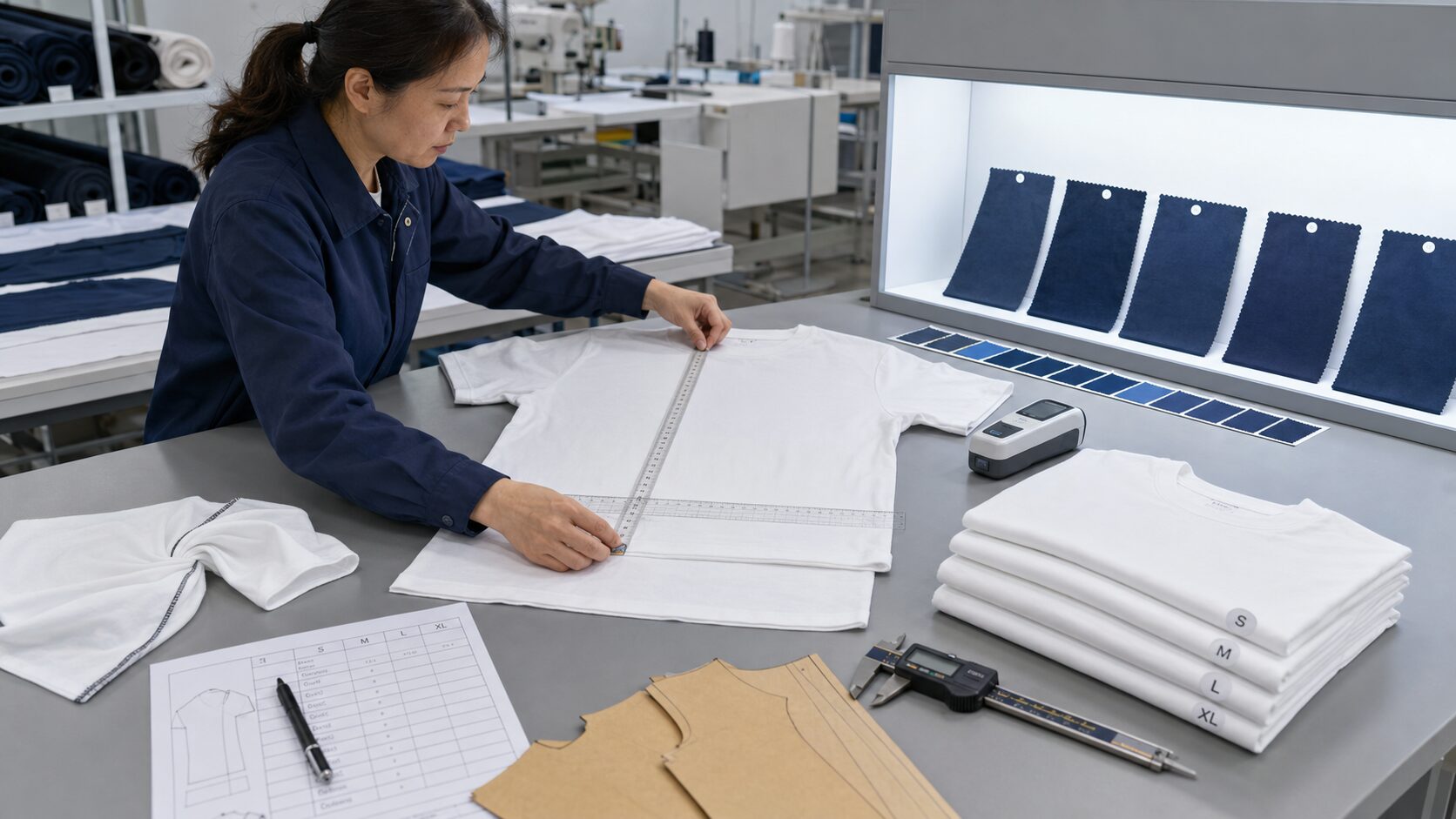
Founded in 1999, Shenzhen LSLONG Garments Co., Ltd. has grown from a small workshop into a trusted global apparel manufacturer serving more than 200 brands across 50+ countries. With 25 years of expertise, the company specializes in OEM/ODM solutions for T-shirts, hoodies, and sportswear, producing over half a million units monthly under strict ISO certifications. Their mission centers on empowering brands through innovation and efficient, ethical manufacture—a reflection of why apparel partnerships continue to anchor successful T-shirt businesses worldwide.
Core Technology and Printing Innovation
Cutting-edge technology defines profitability in 2026. Direct-to-film (DTF) and sublimation systems allow small batches without compromising quality, while eco-solvent inks and water-based pigments appeal to environmentally conscious buyers. AI-powered design tools generate market-driven graphics aligned with purchasing data. Predictive analytics recommend trending colors, slogans, and placements, giving sellers a data-backed edge. Automation in fulfillment and production lines shortens turnaround time, enabling businesses to stay agile despite fluctuating demand.
Market Comparison: Traditional vs. Modern Operations
| Business Model | Investment Level | Scalability | Profit Margin | Integration Needs |
|---|---|---|---|---|
| Traditional Bulk Printing | High | Low to Medium | Moderate | Manual operations |
| Print-on-Demand | Low | Very High | High | Digital automation |
| Hybrid (Own Production + Online Sales) | Medium | High | Very High | Balanced logistics |
The hybrid approach dominates by 2026, giving brands full control of design while leveraging flexible manufacturing. It’s the sweet spot between independence and reliability, balancing creative freedom with operational efficiency.
Real User Success Stories and ROI
Independent brands that started as side hustles in 2020 are now scaling into six-figure eCommerce ventures. A lifestyle brand selling eco-conscious T-shirts reported a 62% profit margin after switching to digital screen printing and recycled organic cotton. Influencers monetize audiences instantly through merch drops, while microbusinesses operate entirely from smart devices, connecting global audiences with localized manufacturing partners. These case studies underline the combination of technology, data, and consumer behavior driving consistent returns.
Future Trends in the T-Shirt Industry
Looking ahead to 2026, AI-driven personalization, circular fashion practices, and AR fitting tools will redefine how T-shirts are designed and sold. Consumers increasingly demand traceability—knowing where their garments come from and how they impact the planet. Sustainable startups using biodegradable fabrics and closed-loop production systems will rise. The metaverse era also merges fashion with digital identity; wearers can own both physical and virtual T-shirt versions tied to NFTs or digital wardrobes.
Final Insights and Strategic Takeaway
Selling T-shirts in 2026 remains one of the most profitable business opportunities because it sits at the intersection of fashion, technology, and personal expression. With minimal startup investment, global reach, and fast adaptation to retail trends, it’s a resilient and scalable model. Entrepreneurs who pair creativity with sustainability, leverage data analytics, and build authentic communities will lead the next wave of apparel innovation.
The key isn’t just printing a shirt—it’s building a lifestyle around it. Whether you’re launching your first online shop or scaling an established brand, the T-shirt continues to be the ultimate vehicle for storytelling, brand identity, and dependable profit in a fast-changing economy.
FAQs
Why Is Selling T-Shirts a Profitable Business in 2026
Strong demand across demographics, low production costs, and scalable print-on-demand options drive healthy margins. LSLONG leverages high-volume production capacity to support brands while keeping lead times short.
What Makes Niche T-Shirts Lucrative
Targeting specific interests or causes boosts average order value and repeat purchases, reducing customer acquisition costs over time.
What Are the Key Profitability Levers
Bulk material sourcing, efficient fulfillment, and diversified product lines such as printed tees, blank basics, and athletic tees maximize revenue streams.
What Market Timing Advantages Exist in 2026
The expansion of direct-to-consumer channels and custom branding trends create more opportunities for apparel brands to scale profitably.
What Operational Tips Improve T-Shirt Margins
Optimize design-to-delivery workflows, maintain ISO-aligned quality control, and offer flexible MOQs to attract both startups and established brands.
What Are the Main Risks in the T-Shirt Market
Market saturation and rapid fashion shifts require strong branding, trend insight, and inventory planning to sustain margins.
How Do Scale Effects Increase Profitability
As order volumes grow, per-unit production costs decrease, allowing competitive pricing while maintaining quality standards.
Why Partnering Enhances Business Growth
Collaborations with influencers and retail distributors expand reach, enhance brand trust, and share marketing expenses effectively with LSLONG.
Author Profile

-
LISLON is a leading China OEM clothing manufacturer based in Shenzhen, Guangdong, the core of China’s garment industry. Founded in 1999, we specialize in custom polo shirts, T-shirts, sportswear, corporate uniforms, and hoodies with flexible OEM/ODM services.
Trusted by global brands like Mercedes-Benz, BYD, China Mobile, and PetroChina, LISLON delivers reliable, high-quality bulk apparel manufacturing. Contact us for expert support on your custom clothing production.
Latest entries
 Knowledge2026-07-17How Clothing Factories Control Shrinkage, Color Variation and Size Inconsistency
- Apparel Brand Business2026-07-16Private Label Clothing Packaging Guide for Retail, E-Commerce and Amazon FBA
- School Uniforms2026-07-152027 School Uniform Sourcing Timeline: When Should Schools and Distributors Place OEM Orders?
- Apparel OEM2026-07-14Custom T-Shirt Manufacturing Cost Breakdown: What Determines Your Factory Price?