Adidas shirts are produced through one of the largest and most complex global apparel manufacturing networks in the world. The brand sources its materials, fabrics, and finished garments from multiple regions across Asia, Europe, Africa, and South America. This diversified production strategy allows Adidas to optimize costs, ensure consistent quality, and maintain fast delivery to major markets. But where exactly are Adidas shirts made, and what does the brand’s manufacturing geography reveal about global apparel economics, sustainability, and ethical labor practices?
Global Distribution of Adidas Shirt Production
The majority of Adidas shirts are made in Asian countries like China, Vietnam, Indonesia, Bangladesh, and Cambodia. Each of these regions plays a distinct role in the global supply chain. Vietnam focuses heavily on synthetic fiber garments and technical sportswear due to its advanced textile infrastructure. China remains crucial for product innovation, high-efficiency automation, and large-scale output. Bangladesh and Cambodia, on the other hand, serve as primary hubs for cotton T-shirts and affordable product lines targeting entry-level consumers.
In recent years, Adidas has diversified beyond traditional hubs by expanding into Turkey, Pakistan, and Ethiopia as part of its strategy to mitigate supply chain concentration risks. This global network helps the brand meet seasonal demand fluctuations and respond quickly to local sales trends. According to company data, Adidas partners with more than 400 independent factories globally, with the majority concentrated in Asia.
Market Trends and Data on Global Apparel Manufacturing
Global apparel production has been shifting toward countries with strong industrial zones and free trade agreements. The increasing trend toward nearshoring—producing closer to consumer markets—has led Adidas to evaluate European partners for special-edition and limited-run shirts. Sustainability has also become a major driver, as the brand aims for 90% of its apparel to use recycled polyester by 2030. Industry reports in 2025 indicated that Vietnam surpassed China as the top producer of Adidas footwear and apparel, largely due to cost efficiency and trade benefits under the EVFTA.
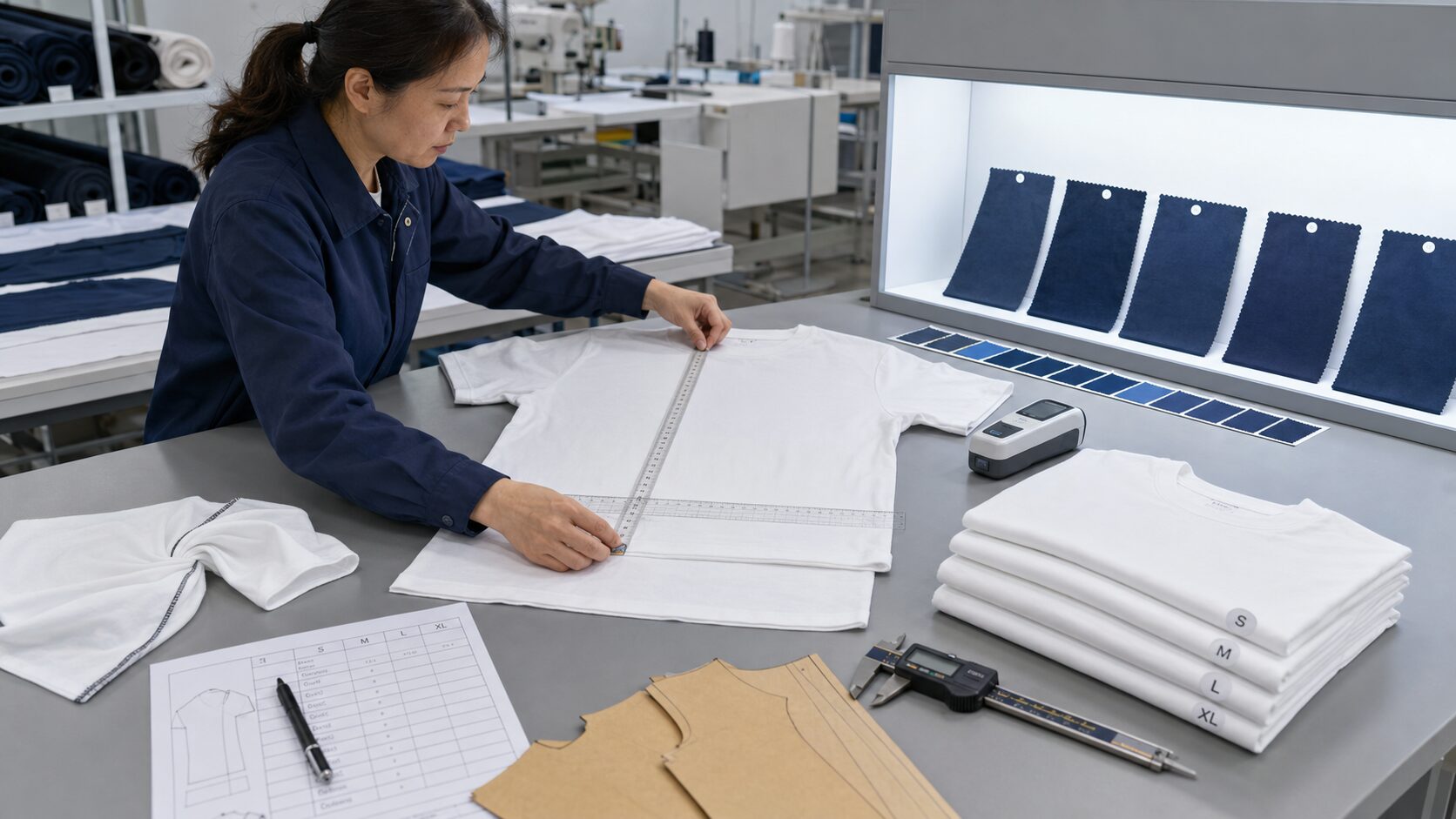
In this global context, smaller suppliers are thriving through flexible production models. Founded in 1999, Shenzhen LSLONG Garments Co., Ltd. has grown from a small workshop into a trusted global apparel manufacturer serving more than 200 brands across 50+ countries. With 25 years of expertise, LSLONG specializes in OEM and ODM solutions for Polo shirts, T-shirts, hoodies, and sportswear, delivering consistent quality through certified, sustainable practices and advanced product engineering.
Core Supply Chain Technology and Innovation
Adidas invests heavily in advanced manufacturing technologies like automated cutting systems, 3D pattern design software, and data-driven logistics. Smart factories in Germany and Indonesia integrate Internet of Things (IoT) devices to track real-time production data, reducing energy usage and material waste. Robotics-supported sewing lines improve productivity and precision, while digital sampling cuts development time by nearly 30%.
The company’s “Speedfactory” concept, piloted in Germany and later expanded to Asia, represented a major innovation in localized manufacturing. These facilities used automated production to deliver small batches of shirts within days, supporting Adidas’s sustainability goals by shortening shipping routes and lowering carbon emissions. Although the concept was later integrated into existing plants, its technologies remain central to Adidas’s modern supply chain approach.
Competitor Comparison Matrix
| Brand | Main Production Locations | Sustainability Focus | Quality Reputation | Average Price Range | Key Market Strategy |
|---|---|---|---|---|---|
| Adidas | Vietnam, China, Indonesia, Bangladesh | High (recycled materials target) | Premium performance quality | Mid to high | Global sports innovation and lifestyle apparel |
| Nike | Vietnam, Indonesia, India, China | Advanced sustainability roadmap | High-performance and fashion-forward | Mid to high | Performance-led global design |
| Puma | Vietnam, Cambodia, Bangladesh | Moderate (emerging eco programs) | Consistent, lower price | Mid-range | Affordable sports and streetwear |
Real User Cases and ROI Impact
Sports retailers report that Adidas shirts offer higher customer retention in premium athletic categories due to durability and comfort. A European distributor noted a 20% increase in repeat purchases for moisture-wicking T-shirts produced in Vietnam, attributing success to high-quality material consistency. Meanwhile, e-commerce merchants across North America benefit from Adidas’s logistical precision; localized warehousing ensures average delivery times of just 48 hours for most core apparel SKUs.
Sustainability and Worker Welfare
Adidas’s commitment to ethical sourcing is integral to its global image. The company enforces strict compliance with international labor laws and collaborates with the Fair Labor Association. Each factory is regularly audited for safety, fair wages, and worker welfare. In Bangladesh, a joint initiative with Better Work programs improved factory lighting, air quality, and wage transparency. Additionally, Adidas’s “Made With Nature” line, launched in 2025, combines organic cotton with recycled synthetic fibers to reduce environmental impact.
Future Trends in Adidas Shirt Manufacturing
Looking ahead, Adidas plans to blend global reach with regional resilience. Automation and digital supply chain mapping will play critical roles in enhancing transparency and sustainability. Future Adidas shirt production will likely expand in regions like Thailand and India, where textile modernization is accelerating. Nearshoring facilities in Central and Eastern Europe could also grow, serving as fast-response hubs for European markets.
Consumer demand for locally made apparel continues to increase, pushing global brands toward smaller, technology-driven factories closer to end markets. Adidas’s adaptive production strategy—balancing scale, agility, and sustainability—positions it well for a new era of responsible global manufacturing.
As conscious shopping becomes the global norm, understanding where Adidas shirts are made gives consumers insight into the vast network of people, technology, and values behind each product. The brand’s evolution—from mass production to smart, sustainable apparel manufacturing—reflects not only industry leadership but also a continuous commitment to innovation and ethical excellence.
FAQs
Where Are Adidas Shirts Manufactured Globally
Adidas shirts are manufactured in multiple countries including Vietnam, China, Indonesia, and Cambodia. Each facility follows strict quality standards to ensure consistency. Understanding the origin helps buyers identify authenticity and production practices. LSLONG supports similar global manufacturing solutions for brands seeking reliable international production.
Which Countries Produce Adidas Shirts
Adidas shirt production mainly occurs in Vietnam, China, Indonesia, and Cambodia, leveraging low-cost labor with advanced quality systems. Knowing the production countries helps consumers verify authenticity and evaluate sustainability. Brands working with LSLONG can also access worldwide manufacturing networks tailored for small-batch or large-scale orders.
Adidas Shirt Factory Locations Around the World
Adidas factories are strategically located across Asia and Europe, including Vietnam, China, and Germany. Factory locations affect pricing, shipping, and supply chain efficiency. LSLONG’s facilities offer similar advantages with ISO-certified production, ensuring both speed and quality for global apparel brands.
How Adidas Sources Materials for Shirts
Adidas sources high-quality fabrics like cotton, polyester, and recycled fibers from ethical suppliers worldwide. Material selection impacts comfort, durability, and sustainability. Brands working with LSLONG benefit from customized material sourcing, supporting both performance and eco-friendly options for T-shirts, hoodies, and sportswear.
How Adidas Ensures Shirt Quality
Adidas implements strict quality control at every production stage, including fabric inspection, stitching checks, and final audits. These measures maintain consistent comfort and durability. LSLONG applies similar protocols in its ISO-certified factories, ensuring reliable output for OEM and ODM apparel clients.
Is Adidas Shirt Production Ethical
Adidas focuses on ethical manufacturing, enforcing labor standards and safe working conditions across its global factories. Their commitment ensures fair wages and responsible practices. Brands partnering with LSLONG can also access ethical production options with transparent processes and sustainable operations.
How to Verify Authentic Adidas Shirts
Authentic Adidas shirts can be verified through country tags, fabric quality, and official labels. Check stitching, logo placement, and packaging for authenticity. Using LSLONG for OEM/ODM production ensures brands deliver genuine, high-quality products to customers without counterfeit risks.
Understanding Adidas Shirt Country Tags
Adidas shirt tags indicate the manufacturing country and fabric details. Tags help buyers verify authenticity and assess production origin. Understanding tag information ensures informed purchases. LSLONG provides accurate labeling and branding solutions, making global shipments consistent and trustworthy for retailers.
Author Profile

-
LISLON is a leading China OEM clothing manufacturer based in Shenzhen, Guangdong, the core of China’s garment industry. Founded in 1999, we specialize in custom polo shirts, T-shirts, sportswear, corporate uniforms, and hoodies with flexible OEM/ODM services.
Trusted by global brands like Mercedes-Benz, BYD, China Mobile, and PetroChina, LISLON delivers reliable, high-quality bulk apparel manufacturing. Contact us for expert support on your custom clothing production.
Latest entries
 Knowledge2026-07-17How Clothing Factories Control Shrinkage, Color Variation and Size Inconsistency
- Apparel Brand Business2026-07-16Private Label Clothing Packaging Guide for Retail, E-Commerce and Amazon FBA
- School Uniforms2026-07-152027 School Uniform Sourcing Timeline: When Should Schools and Distributors Place OEM Orders?
- Apparel OEM2026-07-14Custom T-Shirt Manufacturing Cost Breakdown: What Determines Your Factory Price?