Introduction: Why Fabric Selection Matters for Polo Shirts
When it comes to custom polo shirts, fabric selection is often more important than color, style, or logo placement. The fabric determines how a polo shirt feels, performs, washes, ages, and ultimately how customers perceive the quality of a brand.
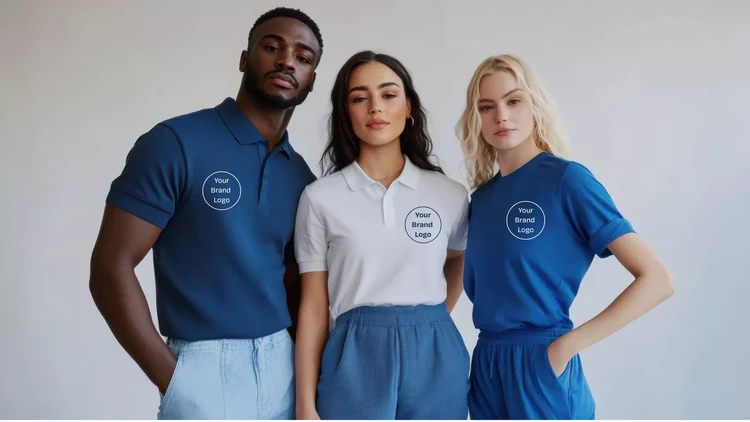
At LSLONG, we have manufactured custom polo shirts for corporate uniforms, promotional apparel, sports teams, golf clubs, retail fashion brands, and workwear programs across more than 50 countries. One of the most common questions we receive is:
“Which fabric is best for a polo shirt?”
The answer depends on your intended use, budget, climate, branding goals, and performance requirements.
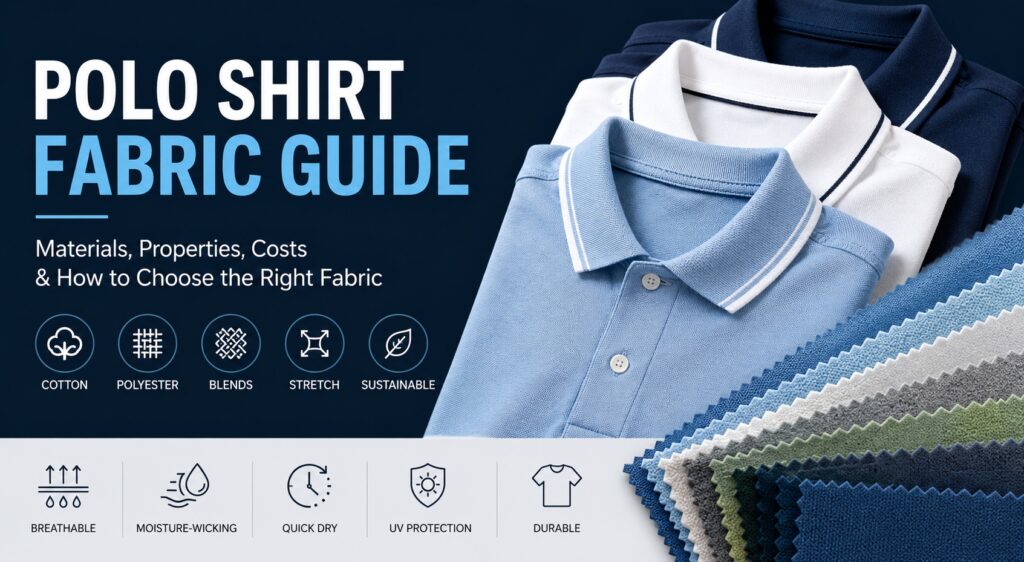
This comprehensive guide explains the most commonly used polo shirt fabrics worldwide, comparing their characteristics, advantages, disadvantages, costs, durability, comfort, and ideal applications.
Understanding Polo Shirt Fabric Construction
Before discussing fiber types, it is important to understand that most polo shirts are made using one of these knitting structures:
Piqué Knit
The classic polo fabric.
Characteristics:
- Textured honeycomb appearance
- Better airflow
- More structured look
- Traditional polo style
- Excellent durability
Used by:
- Corporate uniforms
- Golf apparel
- School uniforms
- Luxury polo brands
Jersey Knit
Similar to T-shirt fabric.
Characteristics:
- Smooth surface
- Softer hand feel
- Lightweight
- Modern appearance
Used by:
- Fashion brands
- Casual polos
- Streetwear collections
1. 100% Cotton Polo Fabric
Overview
Cotton remains the world’s most popular polo shirt material.
It offers natural comfort, breathability, and a premium touch that many consumers still prefer over synthetic fabrics.
Advantages
✓ Natural fiber
✓ Soft and comfortable
✓ Excellent breathability
✓ Skin-friendly
✓ Good moisture absorption
✓ Premium appearance
✓ Environmentally friendly
Disadvantages
✗ Wrinkles easily
✗ Shrinkage risk
✗ Slower drying
✗ Less durable than polyester
✗ Color fading over time
Common Cotton Types
Carded Cotton
Most economical cotton option.
Characteristics:
- Lower cost
- Slightly rough texture
- Suitable for promotional apparel
Cost Level:
$ (Lowest)
Combed Cotton
Short fibers removed during processing.
Benefits:
- Softer feel
- Better durability
- Reduced pilling
- Premium appearance
Cost Level:
$$
Long-Staple Cotton
Includes:
- Egyptian Cotton
- Pima Cotton
- Supima Cotton
Benefits:
- Luxury softness
- Superior strength
- Better color retention
- High-end retail quality
Cost Level:
$$$$
Best Applications
- Corporate uniforms
- Premium retail brands
- Luxury polos
- Fashion collections
- Golf apparel
2. Polyester Polo Fabric
Overview
Polyester is the dominant fabric in performance polo shirts and sports apparel.
Modern polyester fabrics have improved significantly compared with earlier generations and can now provide excellent comfort while delivering superior durability.
Advantages
✓ Excellent color retention
✓ Fast drying
✓ Wrinkle resistant
✓ Durable
✓ Shape retention
✓ Low maintenance
✓ Lower production cost
Disadvantages
✗ Less breathable than cotton
✗ May feel less natural
✗ Can retain odors
✗ Lower perceived luxury
Performance Polyester Features
Modern polyester polos may include:
- Moisture-wicking technology
- UV protection
- Quick-dry treatment
- Anti-bacterial finishing
- Anti-odor technology
Best Applications
- Sports teams
- Golf uniforms
- Event apparel
- Corporate uniforms
- Outdoor workwear
3. Cotton-Polyester Blend Polo Fabric
Overview
Cotton-poly blends are among the most widely used fabrics in commercial uniform programs.
Common ratios include:
- 65% Cotton / 35% Polyester
- 60% Cotton / 40% Polyester
- 50% Cotton / 50% Polyester
These blends combine the comfort of cotton with the durability of polyester.
Advantages
✓ Better wrinkle resistance
✓ Reduced shrinkage
✓ Improved durability
✓ Better color stability
✓ Comfortable wear
✓ Competitive pricing
Disadvantages
✗ Not as soft as pure cotton
✗ Less breathable than 100% cotton
✗ Not as performance-oriented as polyester
Cost Level
$$
Excellent value for money.
Best Applications
- Corporate uniforms
- School uniforms
- Franchise chains
- Hospitality uniforms
- Retail staff apparel
4. Cotton-Spandex Stretch Polo Fabric
Overview
Stretch polo shirts have become increasingly popular in premium corporate and fashion markets.
Typical composition:
- 95% Cotton + 5% Spandex
- 92% Cotton + 8% Spandex
Advantages
✓ Enhanced mobility
✓ Better body fit
✓ Improved comfort
✓ Premium appearance
✓ Modern silhouette
Disadvantages
✗ Higher cost
✗ Reduced durability under high heat
✗ More sensitive to washing conditions
Cost Level
$$$
Best Applications
- Executive uniforms
- Luxury hospitality
- Premium retail brands
- Fashion labels
5. Polyester-Spandex Performance Polo Fabric
Overview
This fabric dominates modern golf and athletic polo markets.
Common blend:
- 90% Polyester + 10% Spandex
- 88% Polyester + 12% Spandex
Advantages
✓ Four-way stretch
✓ Moisture management
✓ Quick drying
✓ Lightweight
✓ Athletic performance
✓ UV protection capability
Disadvantages
✗ Higher material cost
✗ Less natural touch
Cost Level
$$$–$$$$
Best Applications
- Golf apparel
- Tennis apparel
- Sports uniforms
- Outdoor performance wear
6. Recycled Polyester Polo Fabric
Overview
Sustainability is increasingly important for global brands.
Recycled polyester (rPET) is produced from recycled plastic bottles and post-consumer waste.
Advantages
✓ Environmentally responsible
✓ Similar performance to virgin polyester
✓ Supports ESG goals
✓ Popular among global brands
Disadvantages
✗ Higher cost
✗ Limited supplier availability
Cost Level
$$$–$$$$
Best Applications
- Sustainable fashion
- Corporate ESG programs
- Eco-friendly uniforms
- International retail brands
7. Bamboo Polo Fabric
Overview
Bamboo fabric has gained popularity as a premium eco-friendly alternative.
Advantages
✓ Extremely soft
✓ Natural antibacterial properties
✓ Excellent moisture management
✓ Sustainable image
✓ Luxury hand feel
Disadvantages
✗ Higher cost
✗ Lower abrasion resistance
✗ More complex manufacturing process
Cost Level
$$$$
Best Applications
- Luxury brands
- Wellness apparel
- Premium uniforms
- Sustainable fashion collections
Polo Shirt Fabric Cost Comparison
| Fabric Type | Relative Cost |
|---|---|
| Carded Cotton | $ |
| Polyester | $ |
| Cotton/Poly Blend | $$ |
| Combed Cotton | $$ |
| Cotton/Spandex | $$$ |
| Performance Polyester | $$$ |
| Recycled Polyester | $$$$ |
| Bamboo | $$$$ |
| Supima/Pima Cotton | $$$$ |
Which Polo Shirt Fabric Should You Choose?
Choose 100% Cotton If:
- Comfort is your priority
- You want a premium natural feel
- Your brand emphasizes quality
Choose Polyester If:
- Durability is critical
- Budget is limited
- Sports performance matters
Choose Cotton-Poly Blend If:
- You need balanced performance
- Uniform programs require durability
- You want the best value
Choose Performance Polyester-Spandex If:
- Golf apparel is your focus
- Athletes will wear the shirts
- Moisture management is important
Choose Recycled Polyester If:
- Sustainability is a core brand value
- ESG compliance is required
- Environmental marketing matters
Expert Recommendations from LSLONG
After producing millions of custom garments for global clients, our recommendations are:
Best Overall Value
65% Cotton / 35% Polyester Piqué
Ideal balance of:
- Comfort
- Durability
- Cost efficiency
- Professional appearance
Best Premium Option
Combed Cotton Piqué
Ideal for:
- Corporate executives
- Luxury uniforms
- High-end retail brands
Best Sports Option
Polyester-Spandex Performance Fabric
Ideal for:
- Golf
- Tennis
- Outdoor activities
- Active lifestyles
Best Sustainable Option
Recycled Polyester Piqué
Ideal for:
- ESG-focused organizations
- Sustainable apparel programs
- Environmentally conscious brands
Conclusion
The perfect polo shirt fabric is not necessarily the most expensive one—it is the fabric that best aligns with your brand positioning, user expectations, climate conditions, performance requirements, and budget.
For most corporate uniforms and promotional programs, cotton-polyester blends remain the optimal choice. For luxury branding, premium combed cotton or long-staple cotton delivers exceptional comfort and prestige. For sports and outdoor applications, performance polyester fabrics provide unmatched durability and moisture management.
At LSLONG, our garment specialists help clients select the ideal fabric based on their specific market, application, and budget requirements, ensuring every custom polo shirt delivers the right balance of quality, comfort, durability, and value.
Author Profile

-
LISLON is a leading China OEM clothing manufacturer based in Shenzhen, Guangdong, the core of China’s garment industry. Founded in 1999, we specialize in custom polo shirts, T-shirts, sportswear, corporate uniforms, and hoodies with flexible OEM/ODM services.
Trusted by global brands like Mercedes-Benz, BYD, China Mobile, and PetroChina, LISLON delivers reliable, high-quality bulk apparel manufacturing. Contact us for expert support on your custom clothing production.
Latest entries
 Apparel Brand Business2026-07-21Custom Clothing Quality Inspection: AQL Levels, Measurement Tolerances and Defect Classification Explained
- Apparel Brand Business2026-07-20Garment Sampling Explained: Proto, Fit, Size-Set, Pre-Production and Shipment Samples
- Apparel OEM2026-07-18How to Prepare an Accurate Custom Apparel RFQ: 20 Specifications Every Clothing Factory Needs
- Knowledge2026-07-17How Clothing Factories Control Shrinkage, Color Variation and Size Inconsistency