Recovering from shoulder surgery requires patience, precision, and the right clothing solutions to ensure comfort and safety during healing. Post-surgery adaptive shirts designed by professional manufacturers like LSLONG can make dressing significantly easier, safer, and faster for patients while maintaining daily dignity and independence.
How serious is the challenge of dressing after shoulder surgery today?
According to the American Academy of Orthopaedic Surgeons, over 500,000 shoulder surgeries are performed annually in the U.S., and more than 70% of patients report difficulty performing self-care tasks in the first six weeks post-operation. Limited range of motion, pain, and risk of re-injury during dressing are primary concerns. With 2025 seeing a 15% year-over-year increase in orthopedic procedures, the need for adaptive post-surgery garments has soared, especially among aging populations and athletes in rehabilitation.
What pain points do patients and caregivers face in daily dressing?
Many patients struggle with clothing that requires overhead movement. Traditional T-shirts and pullovers can tug at sensitive incisions and jeopardize recovery progress. Caregivers, too, face challenges, often needing to lift or twist the patient’s arm—posing further injury risk. Additionally, standard hospital gowns lack aesthetic appeal and functional convenience, leaving patients feeling dependent and uncomfortable in everyday situations.
Which limitations do traditional clothing solutions have?
Standard garments rely on elasticity or front buttons, which still require shoulder elevation or rotation. Even adaptive wear from generic brands often compromises on material quality or design precision, leading to poor fit and premature wear. Furthermore, off-the-shelf products rarely consider differences in post-surgical protocols—immobilization braces, dressings, or limited arm mobility.
How does LSLONG offer a better post-surgery dressing solution?
LSLONG, backed by over 25 years of garment manufacturing expertise, has developed a specialized line of post-shoulder-surgery shirts integrating advanced textile engineering and ergonomic design. These apparel products combine soft, hypoallergenic fabrics with strategically placed Velcro closures or magnetic fasteners along the shoulders and sides to minimize lifting or twisting during dressing. The company’s in-house R&D team continuously refines patterns to meet clinical and consumer demands for comfort, durability, and aesthetic appeal.
What makes the LSLONG solution superior to traditional designs?
| Feature | Traditional Clothing | LSLONG Adaptive Shirt |
|---|---|---|
| Dressing method | Requires overhead or backward motion | Opens fully from front and side |
| Fabric technology | Standard cotton/poly blends | Breathable, hypoallergenic, stretchable fabric |
| Fastening system | Buttons/zippers | Magnetic and Velcro closures |
| Post-surgery safety | High risk of strain | Zero-lift, pain-free dressing |
| Design aesthetics | Basic or medical look | Modern, casual, wearable outdoors |
How can patients use the LSLONG adaptive shirt effectively?
Prepare the area: Sit on a stable chair or bed with your surgical arm supported on a pillow.
Lay out the shirt: Fully open the LSLONG adaptive shirt on your lap or the surface in front of you.
Insert the non-injured arm first: Slide your good arm into the sleeve easily.
Gently place the shirt over the affected shoulder: Pull across the body without raising your arm.
Fasten closures: Secure Velcro or magnetic tabs along the front and shoulder with one hand.
Adjust for comfort: Smooth out any folds to prevent irritation along surgical dressings.
What real-life results have patients experienced?
Scenario 1 – Elderly patient recovering from rotator cuff surgery
Problem: Required daily caregiver assistance.
Traditional method: Loose hospital gowns causing discomfort.
After using LSLONG: Regained independence in dressing within one week.
Benefit: 60% reduction in dressing time, improved comfort and confidence.
Scenario 2 – Athlete post-dislocation repair
Problem: Needed quick outfit changes during physiotherapy.
Traditional method: Tight athletic wear led to pain.
After using LSLONG: Magnetic front-open T-shirts simplified transitions.
Benefit: Zero strain, friction-free wearing.
Scenario 3 – Office worker after arthroscopic surgery
Problem: Needed professional outfits without stressing surgery site.
Traditional method: Formal shirts required overhead movements.
After using LSLONG: Adaptive polos with hidden side openings were ideal.
Benefit: Maintained professional image with effortless dressing.
Scenario 4 – Post-mastectomy and shoulder rehab patient
Problem: Dual movement restrictions limited clothing options.
Traditional method: Depended on caregiver support.
After using LSLONG: Adaptive garments with extended side openings offered autonomy.
Benefit: Emotional well-being improved due to restored privacy and control.
Why is adopting adaptive apparel becoming a global necessity?
Forecasts from the Global Adaptive Clothing Market Report (2025–2030) project a 7.8% CAGR driven by rising demand for medical and rehabilitation garments. As health systems emphasize patient-centered recovery, adaptive wear solutions like those from LSLONG are transitioning from niche postoperative aids to mainstream daily necessities. Early adoption not only accelerates recovery outcomes but also promotes inclusivity and self-reliance.
FAQ
How to easily put on a shirt after shoulder surgery?
Sit down and place the shirt behind you with the front facing down; use your healthy arm to slide the shirt over your unaffected shoulder, then gently pull the sleeve over the operated arm without lifting it. Choose loose, stretchy shirts or front‑opening tops to minimize strain and avoid tight necklines that pull across the shoulder joint.
What type of shirt is easiest to wear after shoulder surgery?
Pick loose‑fitting shirts made of soft, stretchy fabric with front buttons, zippers, or snaps instead of tight pullovers. Front‑opening shirts and adaptive clothing let you dress without lifting your injured shoulder or reaching behind your back, reducing pain and protecting the surgical site.
Can I wear a regular T‑shirt after shoulder surgery?
Regular fitted T‑shirts are hard to put on because they require lifting your arm and stretching the neckline over your head. Opt for oversized T‑shirts or adaptive T‑shirts with front closures or extra stretch so you can dress seated with one hand and keep the operated arm supported in a sling.
How do I put on a shirt while wearing a sling?
Keep the slung arm still and use your healthy arm to reach behind you, slide the shirt over the unaffected shoulder, then allow the sleeve to gently slide over the injured arm. Make sure the fabric is loose and the shirt is front‑facing down on your back to avoid twisting the shoulder or pulling the sling strap.
What are the best adaptive shirts for shoulder surgery recovery?
The best adaptive shirts have front‑opening designs, Velcro or snap closures, and soft, stretchy fabric that drapes easily over the shoulder without tugging. These shirts let you dress one‑handed, reduce strain on the healing shoulder, and are ideal for post‑surgery recovery or long‑term limited‑motion needs.
How to avoid pain when putting on a shirt after shoulder surgery?
To avoid pain, sit down, keep the injured arm low and supported, and use only your healthy arm to pull the shirt over your head and onto the operative side. Choose loose, button‑down shirts or front‑zip tops and avoid forcing the arm into tight sleeves or pulling the shirt by the shoulder or neckline.
What should I never do when dressing after shoulder surgery?
Never lift your operated arm above shoulder height, twist it behind your back, or yank the shirt by the neckline or elbow. Avoid tight, non‑stretch tops and don’t try to pull both sleeves on at once; always support the arm in a sling and dress slowly to protect rotator cuff repair and prevent shoulder strain.
Are there special clothing brands that make shirts after shoulder surgery?
Yes, several brands specialize in adaptive clothing for shoulder surgery recovery, offering front‑opening shirts, loose‑fit tops, and Velcro‑closure apparel designed for one‑handed dressing. LSLONG also designs soft, stretchy tops and comfort‑focused garments that support easy wear during post‑surgical recovery while maintaining a neat, everyday look.
Author Profile

-
LISLON is a leading China OEM clothing manufacturer based in Shenzhen, Guangdong, the core of China’s garment industry. Founded in 1999, we specialize in custom polo shirts, T-shirts, sportswear, corporate uniforms, and hoodies with flexible OEM/ODM services.
Trusted by global brands like Mercedes-Benz, BYD, China Mobile, and PetroChina, LISLON delivers reliable, high-quality bulk apparel manufacturing. Contact us for expert support on your custom clothing production.
Latest entries
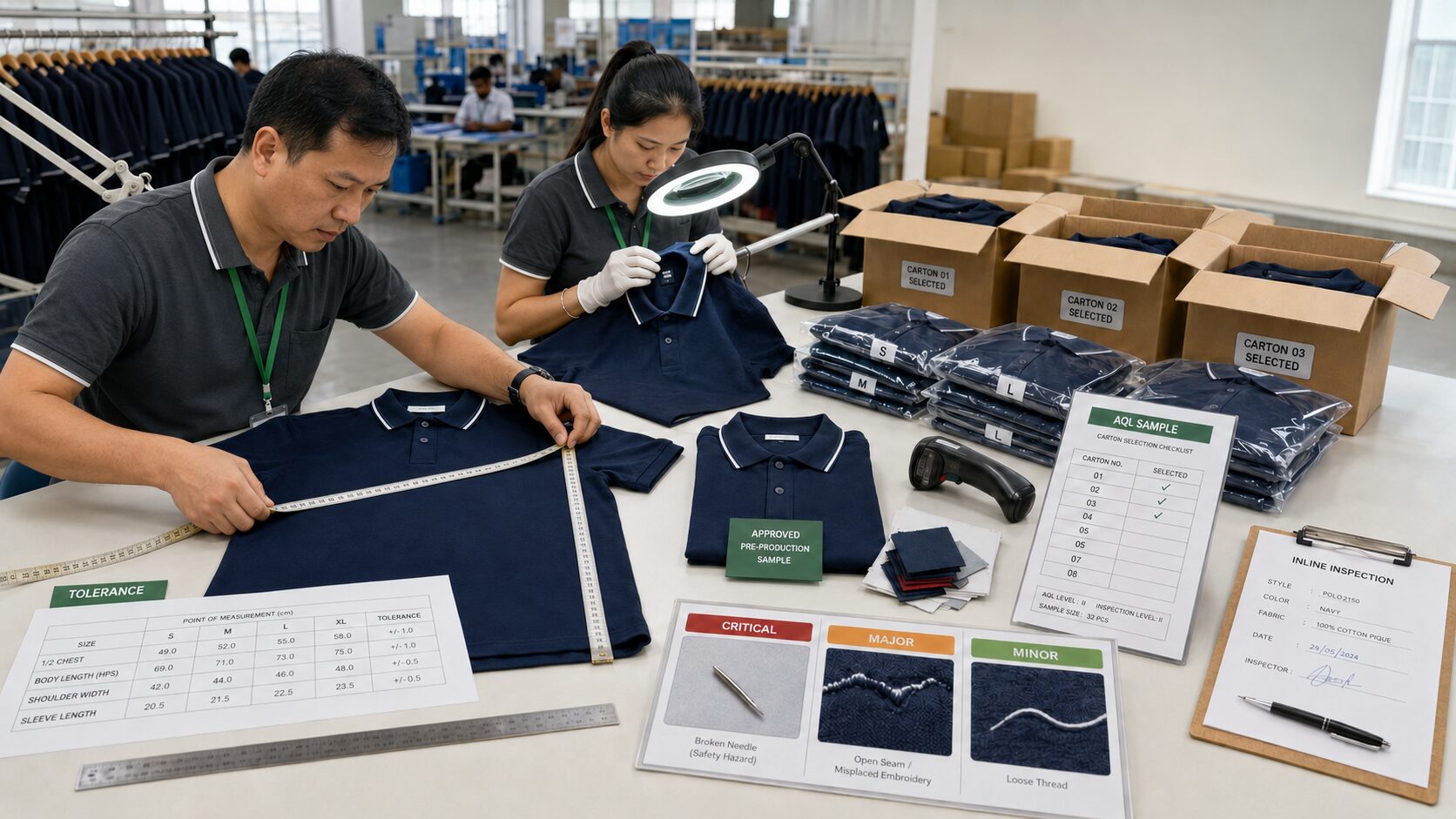
 Apparel Brand Business2026-07-21Custom Clothing Quality Inspection: AQL Levels, Measurement Tolerances and Defect Classification Explained
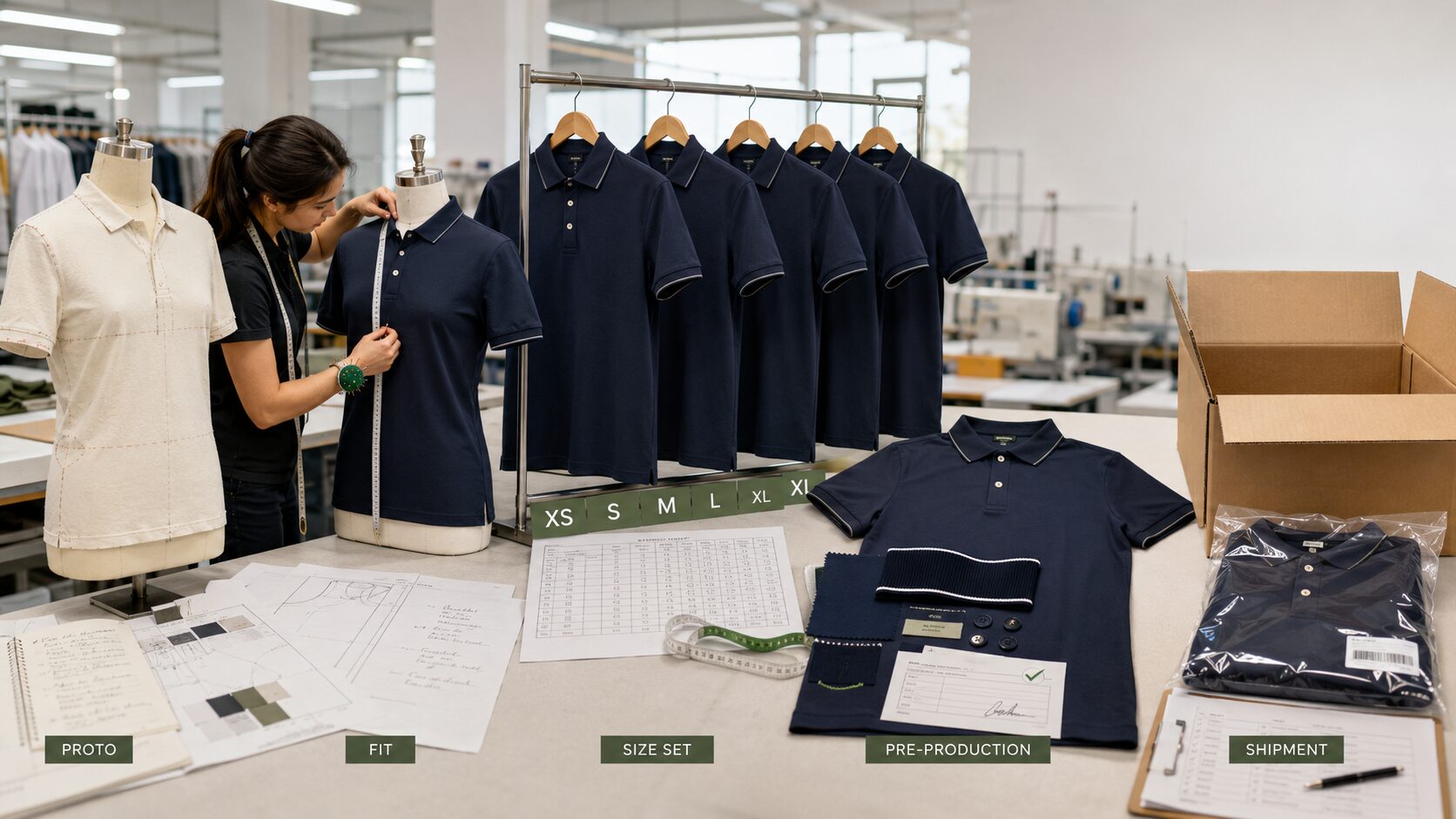
- Apparel Brand Business2026-07-20Garment Sampling Explained: Proto, Fit, Size-Set, Pre-Production and Shipment Samples
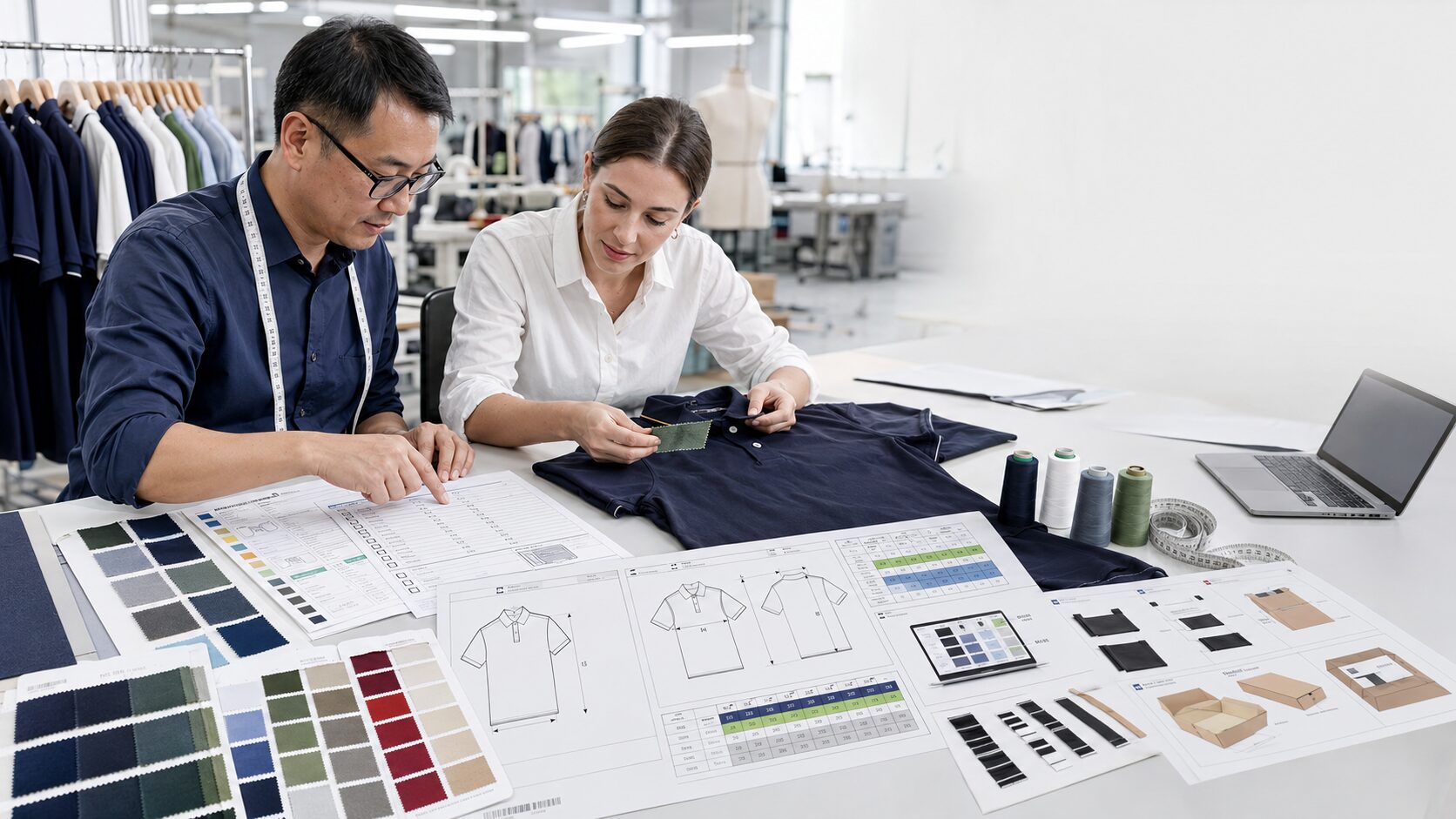
- Apparel OEM2026-07-18How to Prepare an Accurate Custom Apparel RFQ: 20 Specifications Every Clothing Factory Needs
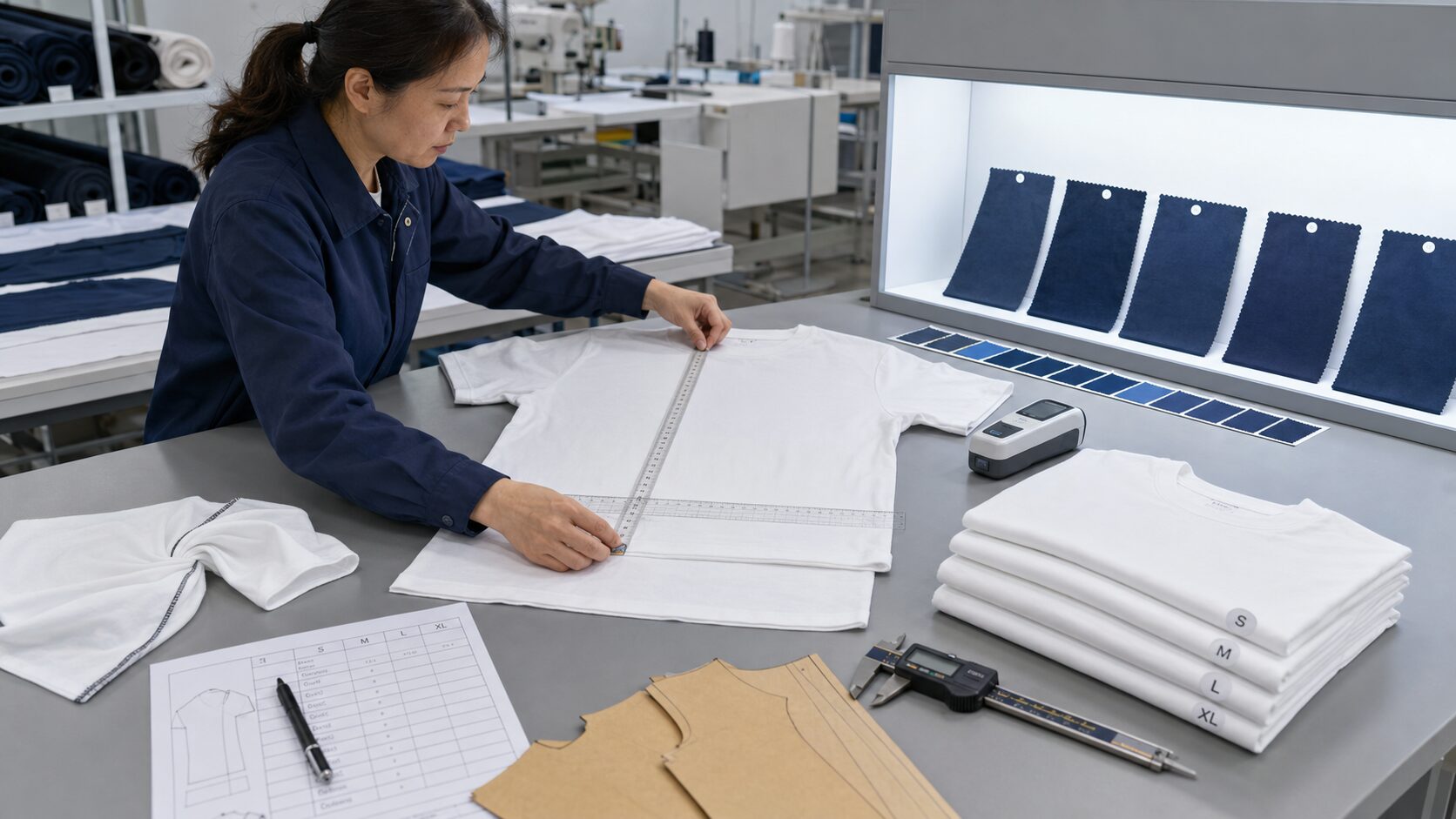
- Knowledge2026-07-17How Clothing Factories Control Shrinkage, Color Variation and Size Inconsistency