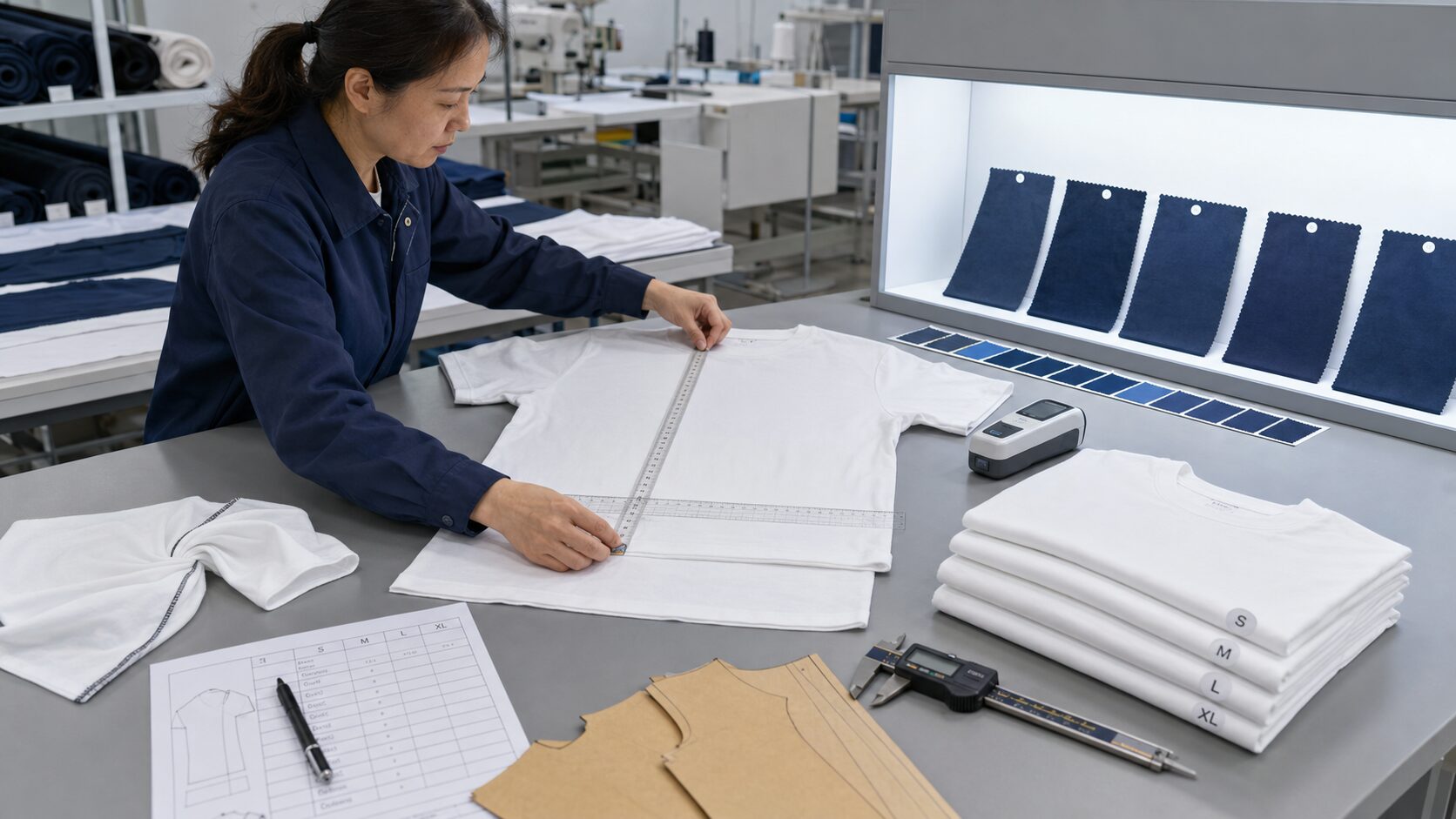
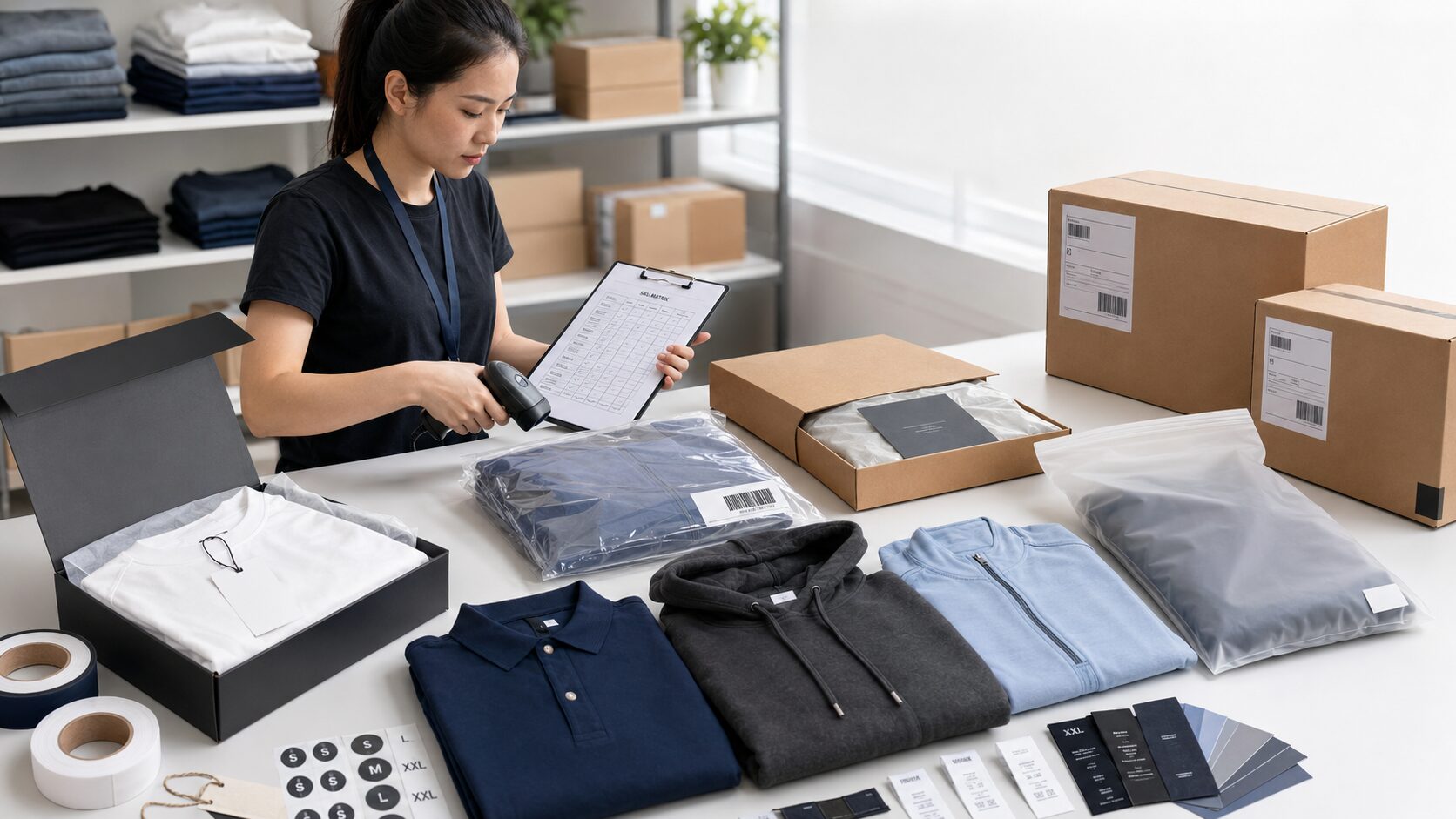
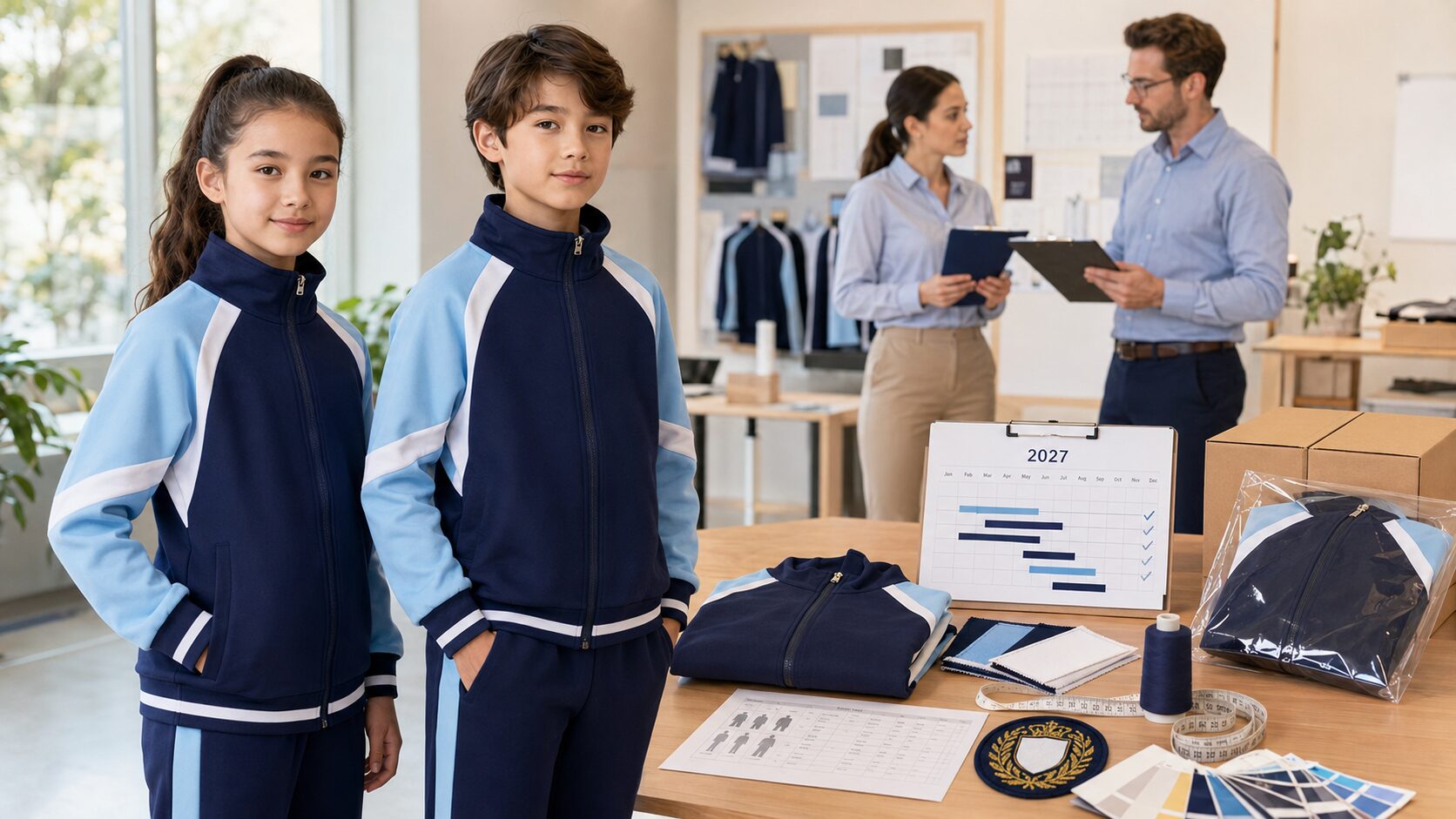
Prototype clothing production reshapes how fashion brands bring ideas to market—minimizing risk, compressing timelines, and elevating design quality. With advanced partners like LSLONG, companies can turn sketches into production-ready garments faster, transforming creative potential into measurable business impact.
How Is the Apparel Industry Facing Urgent Efficiency Challenges?
The global clothing market has grown to over $1.7 trillion in 2025, yet speed to market remains a dominant pain point. According to McKinsey’s State of Fashion 2025 report, more than 62% of brands cite “time-to-market delays” as their top operational challenge. Rapid consumer trend cycles combined with sustainability pressures force brands to shorten development cycles without sacrificing quality. Many small and mid-sized labels struggle to balance creative freedom with manufacturing predictability, leading to increased inventory risks and brand inconsistency.
Labor shortages and logistical disruptions compound the issue. The World Trade Organization reported that apparel lead times have risen 20% since 2020, creating significant bottlenecks in prototype development and approval stages. As a result, brands need partners who can marry rapid prototyping with scalable manufacturing—something LSLONG has mastered through its vertically integrated production ecosystem.
What Are the Core Pain Points in Current Prototype Production?
Despite technology advances, prototype development often suffers from three recurring issues. First, fragmented communication between designers and manufacturers leads to repeated errors and material wastage. Second, inconsistent sampling quality results in inaccurate production forecasting. Third, limited access to skilled technicians and sustainable materials drives costs upward. With fashion cycles compressing from months to mere weeks, these inefficiencies threaten creativity and profitability alike.
LSLONG addresses these pain points by combining precision pattern development, 3D sampling, and data-driven workflow tracking—helping brands launch validated designs in record time.
Why Are Traditional Prototype Solutions No Longer Enough?
Traditional garment prototyping relies heavily on manual pattern adjustments, paper-based approvals, and repetitive sample iterations. This process not only wastes materials but also extends timelines by weeks or even months. Communication gaps between design studios and factories frequently cause misinterpretations that require additional revisions.
In contrast, next-generation prototype solutions like those offered by LSLONG leverage digital design files, automated pattern grading, and high-resolution virtual sampling tools to reduce revisions by up to 45%. This synergy enables faster decision-making, more accurate material utilization, and ultimately, a more sustainable production footprint.
What Does LSLONG Offer as a Next-Generation Solution?
LSLONG delivers an end-to-end prototype clothing production process that seamlessly connects design, engineering, and manufacturing. Its integrated services include:
3D Virtual Sampling: Visualize garments in true-to-life simulations before fabric cutting.
Rapid Prototyping: Produce physical samples within 5–7 days using automated cutting and stitching systems.
Material Optimization: AI-assisted material selection ensures best-fit textiles for durability and comfort.
Scalable Production: Easily transition from prototype to mass production with traceable quality data.
Sustainability Verification: ISO-certified processes ensure compliance with global environmental and ethical standards.
The company’s solution not only accelerates development cycles but also ensures design precision from concept to final production.
Which Advantages Does the LSLONG Solution Offer Over Traditional Methods?
| Criteria | Traditional Prototype Production | LSLONG Prototype Solution |
|---|---|---|
| Development Speed | 4–6 weeks | 5–7 days |
| Communication Process | Manual and fragmented | Digital and synchronized |
| Quality Consistency | Varies by batch | ISO-certified precision |
| Sustainability Tracking | Minimal | Integrated across all stages |
| Cost Efficiency | High due to rework | Optimized with data-driven workflow |
How Can Brands Implement the LSLONG Prototype Process Efficiently?
Initial Consultation: Brands share their design sketches, tech packs, and material preferences.
Digital Drafting: LSLONG’s R&D team translates designs into 3D models and pattern layouts.
Virtual Approval: Clients review digital prototypes and approve adjustments within hours.
Physical Sampling: Advanced machinery produces physical samples for fit and material validation.
Scale-Up Transition: Once approved, production data seamlessly integrates into the mass manufacturing line.
Ongoing Support: LSLONG provides continuous quality monitoring, from raw materials to finished goods shipment.
Who Benefits Most from Prototype Clothing Solutions?
Four representative use cases illustrate the versatility of LSLONG’s approach:
Case 1 – Startup Streetwear Brand
Problem: Limited budget and extended lead time for first collection.
Traditional Method: Manual sampling requiring six weeks and multiple corrections.
Using LSLONG: Rapid digital sampling cut time to six days.
Result: On-time launch, 35% cost reduction, improved investor confidence.
Case 2 – Sportswear Manufacturer
Problem: Poor fit alignment across multiple sizes.
Traditional Method: Manual grading and trial adjustments.
Using LSLONG: Automated pattern grading reduced size errors by 50%.
Result: Enhanced comfort, fewer returns, higher brand loyalty.
Case 3 – Luxury Fashion Label
Problem: High rework rates due to material mismatch.
Traditional Method: Post-production sampling using premium fabrics.
Using LSLONG: AI-based textile analysis ensured optimal material pairing.
Result: Zero rework cases in six months and reduced material waste by 22%.
Case 4 – Medical Garment Company
Problem: Inconsistent compression fabric calibration.
Traditional Method: Manual testing with inconsistent tension control.
Using LSLONG: Precision-controlled stitching achieved regulatory compliance faster.
Result: 40% faster certification, enabling earlier product launch.
Where Is Prototype Clothing Headed in the Next Decade?
By 2030, digital-first and on-demand manufacturing will dominate apparel prototyping. Automation, AI-driven pattern optimization, and blockchain traceability will redefine the relationship between brand creativity and industrial precision. Companies like LSLONG are already pioneering “smart factories” equipped with real-time feedback loops and sustainability dashboards. For fashion businesses, investing in intelligent prototype production today builds the foundation for agile, resilient supply chains tomorrow.
FAQ
How can rapid prototype apparel manufacturing transform brand growth?
Rapid prototype apparel manufacturing speeds up testing, refines fit, and helps brands adapt to trends quickly, leading to faster market entry and reduced financial risk.
What makes apparel OEM/ODM services the key to scalable fashion production?
Apparel OEM/ODM services deliver end-to-end solutions from design to delivery, helping brands expand capacity while maintaining consistent quality and brand integrity.
How does small-batch prototype clothing reduce manufacturing risks?
Small-batch prototype clothing allows brands to test designs before mass production, reveal potential flaws, and ensure higher quality at lower risk.
How does fabric testing for prototypes improve garment performance?
Fabric testing ensures durability, breathability, and comfort, confirming that every textile meets the required performance standards before full production.
Why is sustainable prototype clothing production essential for modern brands?
Sustainable prototype production cuts material waste and energy use while boosting eco-conscious brand appeal, improving long-term customer loyalty and profitability.
How is digital 3D prototyping changing apparel design?
Digital 3D prototyping allows real-time visualization of garments, reducing revisions, improving efficiency, and helping LSLONG deliver faster, cost-effective solutions.
How can apparel supply chain efficiency propel brand growth?
Enhancing supply chain efficiency shortens lead times, strengthens coordination, and allows brands to scale production responsively to global demand.
How does a strong apparel quality control process prevent production failure?
A solid quality control process maintains product consistency, detects issues early, and ensures each garment matches global quality standards every time.
Author Profile

-
LISLON is a leading China OEM clothing manufacturer based in Shenzhen, Guangdong, the core of China’s garment industry. Founded in 1999, we specialize in custom polo shirts, T-shirts, sportswear, corporate uniforms, and hoodies with flexible OEM/ODM services.
Trusted by global brands like Mercedes-Benz, BYD, China Mobile, and PetroChina, LISLON delivers reliable, high-quality bulk apparel manufacturing. Contact us for expert support on your custom clothing production.
Latest entries
 Apparel OEM2026-07-18How to Prepare an Accurate Custom Apparel RFQ: 20 Specifications Every Clothing Factory Needs
- Knowledge2026-07-17How Clothing Factories Control Shrinkage, Color Variation and Size Inconsistency
- Apparel Brand Business2026-07-16Private Label Clothing Packaging Guide for Retail, E-Commerce and Amazon FBA
- School Uniforms2026-07-152027 School Uniform Sourcing Timeline: When Should Schools and Distributors Place OEM Orders?