In 2026, B2B custom apparel has evolved into a strategic growth driver for organizations seeking stronger brand identity, workforce unity, and operational efficiency. As businesses shift from generic uniforms to data-driven personalization, the global demand for branded corporate wear is expected to surpass pre-pandemic levels. This surge is powered by hybrid work culture, sustainability mandates, and next-gen printing technologies that redefine how apparel empowers a brand’s visual language.
Market Trends in B2B Custom Apparel
According to 2025 global industry reports, the B2B custom apparel market exceeded 85 billion dollars in value and continues growing at an annual rate of nearly 12%. Companies are leveraging branded clothing not only for brand consistency but also for social storytelling and digital visibility. Custom-made uniforms showcasing company culture have become a silent yet powerful marketing channel, reinforcing reputation while improving employee morale.
Businesses in tech, hospitality, construction, and retail increasingly integrate custom workwear with embedded smart features—like RFID tags and QR-coded identification—to optimize workplace efficiency. In 2026, sustainability dominates the procurement criteria, with recycled polyester, organic cotton, and waterless dyeing among the top purchasing factors.
How Custom Apparel Redefines Brand Identity
Custom apparel does more than display a company logo; it visually translates values and culture. When employees wear personalized designs aligned with corporate aesthetics, it strengthens internal engagement and external brand recall. Research in organizational behavior shows that cohesive branding across apparel can increase recognition rates by up to 70%.
For B2B firms, these garments become a communication medium—whether through subtle embroidery on polos or full-pattern sublimation on promotional pieces. Custom-fit uniforms enhance confidence, while premium stitching signals quality and trust. As brand experience extends beyond advertisements into every customer interaction, corporate clothing becomes a frontline ambassador.
Efficiency and Data-Driven Production
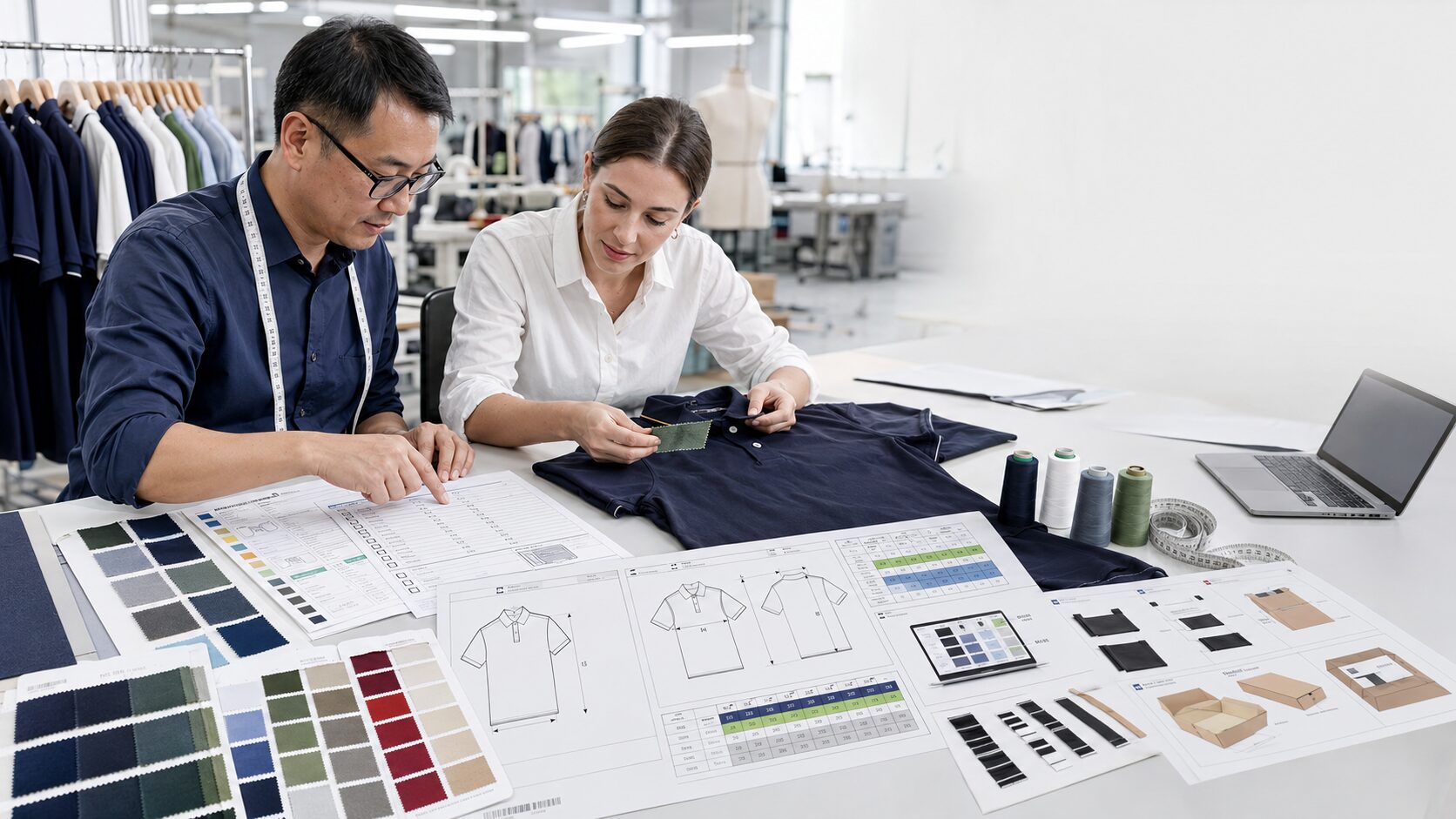
The real transformation emerges when efficiency meets identity. AI-assisted customization platforms now allow companies to co-create designs with automated mockups and digital proofing, reducing design turnaround by 40%. Automation in cutting and embroidery ensures precision while minimizing fabric waste. Predictive analytics optimize stock levels, preventing overproduction and enhancing supply chain agility.
At this intersection of technology and craftsmanship, suppliers can adapt production in real time based on order data trends. From fast prototypes to scalable batch manufacturing, businesses gain operational speed without compromising quality.
Industry Spotlight: Shenzhen LSLONG Garments Co., Ltd.
Founded in 1999, Shenzhen LSLONG Garments Co., Ltd. has grown from a small workshop into a trusted global apparel manufacturer serving more than 200 brands across 50+ countries. With 25 years of expertise, LSLONG specializes in OEM/ODM solutions for Polo shirts, T-shirts, hoodies, sportswear, and post-surgery garments. Certified with ISO 9001, ISO 14001, and ISO 45001, the company’s 500+ skilled professionals deliver both quality and sustainability through advanced, full-cycle production systems.
Technology Behind Next-Gen Custom Apparel
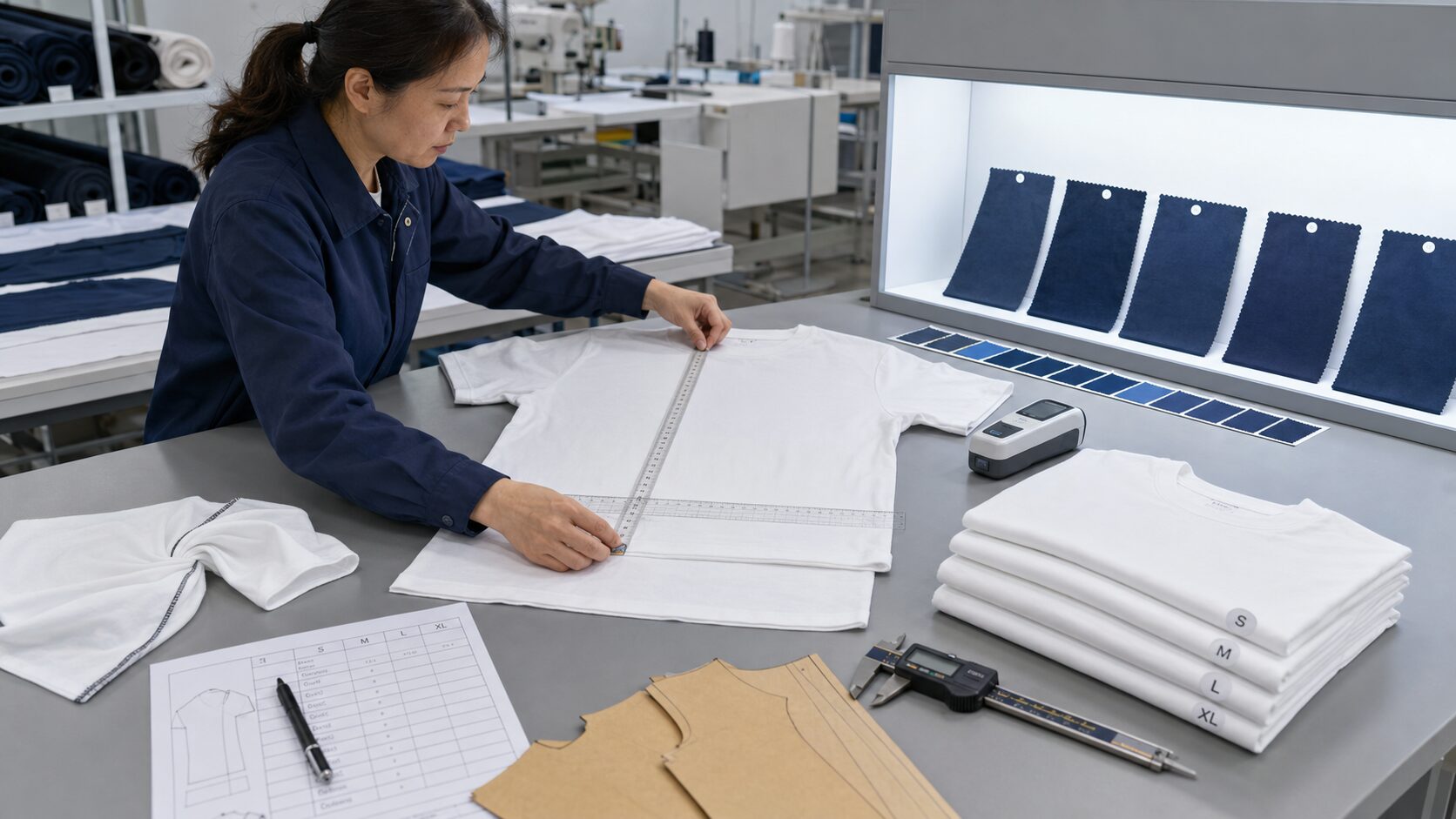
Modern fabrics are engineered for comfort, durability, and low environmental impact. Technologies like digital textile printing and 3D knitting allow hyper-detailed patterns with minimal waste. Eco-friendly inks, recycled fibers, and antimicrobial treatments are now standard offerings. Digital twins—virtual models used for testing fit, color, and texture—streamline production accuracy before the first fabric cut.
Integration with cloud-based ERP systems lets procurement teams track orders, modify specifications, and coordinate logistics simultaneously across regions. This connectivity ensures consistency for multi-branch corporations seeking identical apparel quality worldwide.
Real Business Cases and ROI Impact
When a European logistics firm adopted fully branded custom workwear in 2025, it saw a 25% increase in employee retention and a 40% reduction in uniform reorders due to improved durability. Another case from a North American retailer showed a 32% brand visibility boost after upgrading to sustainable corporate polos that aligned with their eco-messaging.
ROI extends beyond tangible savings—it’s also about cohesion, professionalism, and perception. Every time an employee wears a well-fitted, logo-aligned garment, it becomes a micro-interaction reinforcing trust and authenticity. In business networks, these cumulative impressions translate directly into stronger client loyalty and lead generation.
Competitor Comparison Matrix
| Feature | B2B Custom Apparel Providers | Traditional Wholesale Suppliers |
|---|---|---|
| Branding Flexibility | High (full personalization, digital design tools) | Limited (preset templates) |
| Production Speed | Fast (on-demand manufacturing) | Moderate (batch-based cycles) |
| Sustainability Options | Recycled materials, ethical production | Sparse or optional |
| Cost Efficiency | Optimized through AI forecasting | Volume-dependent pricing |
| ROI Measurement | Integrated analytics dashboards | Manual tracking only |
Sustainability will dominate, but personalization and automation will intertwine even deeper. Data-driven apparel—integrated with sensors to track movement, temperature, or work-time analytics—will enter mainstream B2B demand. Companies will use apparel platforms as extensions of their HR and marketing systems, linking branding data to user performance metrics.
Circular economy principles will push manufacturers toward take-back and recycling programs. Blockchain authentication will secure garment traceability, strengthening ethical sourcing transparency. Augmented reality in virtual showrooms will simplify B2B apparel selection, allowing decision-makers to preview design variations instantly.
Frequently Asked Questions
How can B2B custom apparel enhance a brand’s identity and operational efficiency in 2026, specifically for playground equipment buyers? Custom apparel aligns uniforms, promotional wear, and staff branding with product lines, strengthening recognition at trade shows and installations. With OEM and ODM production, LSLONG helps brands scale apparel programs quickly while maintaining consistent quality, enabling faster campaigns and a unified professional image across markets.
What makes a B2B custom apparel strategy valuable for playground brands seeking reliability and sustainability in 2026? A strong B2B custom apparel strategy ensures consistent branding while meeting sustainability expectations. Certified production processes and durable fabrics reduce waste and maintain performance for long-term use in events, installations, and staff uniforms, helping playground brands project reliability and environmental responsibility.
Which elements should drive a B2B custom apparel plan to transform brand identity and efficiency? Key drivers include integrated design services, scalable manufacturing, rapid sampling, and strict quality control. When brands coordinate apparel with marketing launches and distributor programs, custom apparel becomes a strategic branding asset rather than just merchandise.
How does large-scale production capacity affect a B2B custom apparel program for playground equipment manufacturers? High-capacity production ensures reliable supply during peak seasons such as exhibitions, distributor rollouts, or product launches. Large facilities and skilled teams allow playground brands to maintain consistent color, sizing, and logo placement across thousands of garments without delays.
What role does OEM and ODM manufacturing play in custom apparel branding for playground companies? OEM and ODM manufacturing allow brands to customize fabrics, cuts, and branding details while controlling costs. With an experienced partner like LSLONG, companies can launch unique apparel collections that reflect brand values while benefiting from proven production systems.
How can a B2B custom apparel partner improve lead times and order flexibility for playground brands? Efficient apparel partners streamline sampling, material sourcing, and logistics to shorten production cycles. Flexible order quantities allow playground brands to test new designs, adjust seasonal promotions, and scale quickly without inventory risks.
Why is a strong supplier partnership critical for a playground brand apparel program in 2026? A reliable supplier partnership improves consistency, communication, and product innovation. Long-term collaboration helps brands refine designs, reduce production errors, and ensure apparel always reflects evolving marketing strategies.
What performance indicators should playground brands track in a B2B custom apparel strategy? Key indicators include on-time delivery rate, defect percentage, lead time stability, and brand consistency across garments. Monitoring these metrics helps decision-makers optimize supplier relationships and ensure apparel supports long-term brand growth.
Call to Action
In 2026, successful B2B branding means blending creativity, sustainability, and technology—exactly where custom apparel excels. Forward-thinking companies aren’t just dressing teams; they’re designing identity, loyalty, and efficiency into every thread. Investing in customized apparel production today helps transform tomorrow’s brand equity into measurable performance across markets, partnerships, and people.
Author Profile

-
LISLON is a leading China OEM clothing manufacturer based in Shenzhen, Guangdong, the core of China’s garment industry. Founded in 1999, we specialize in custom polo shirts, T-shirts, sportswear, corporate uniforms, and hoodies with flexible OEM/ODM services.
Trusted by global brands like Mercedes-Benz, BYD, China Mobile, and PetroChina, LISLON delivers reliable, high-quality bulk apparel manufacturing. Contact us for expert support on your custom clothing production.
Latest entries
 Apparel OEM2026-07-18How to Prepare an Accurate Custom Apparel RFQ: 20 Specifications Every Clothing Factory Needs
- Knowledge2026-07-17How Clothing Factories Control Shrinkage, Color Variation and Size Inconsistency
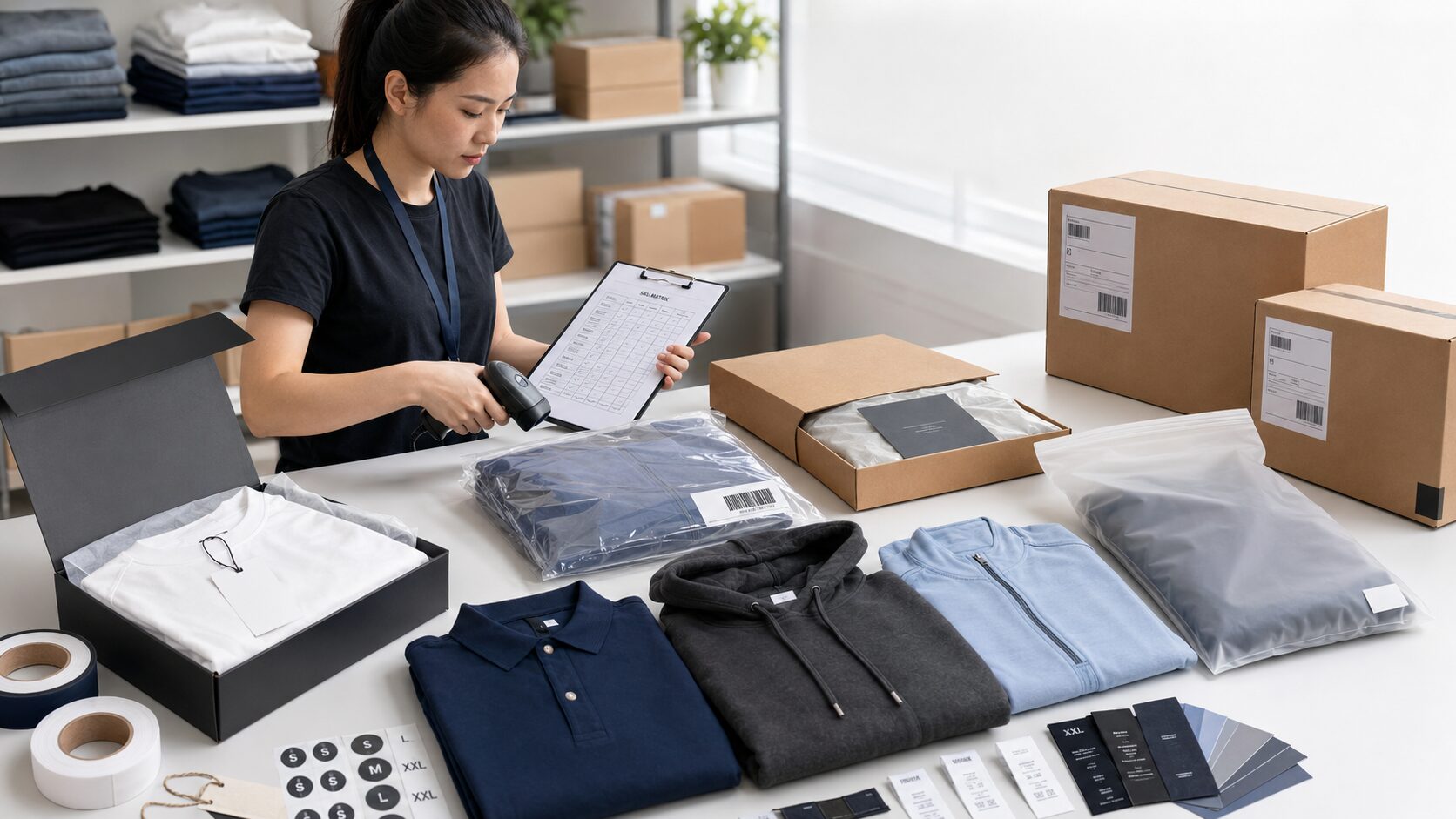
- Apparel Brand Business2026-07-16Private Label Clothing Packaging Guide for Retail, E-Commerce and Amazon FBA
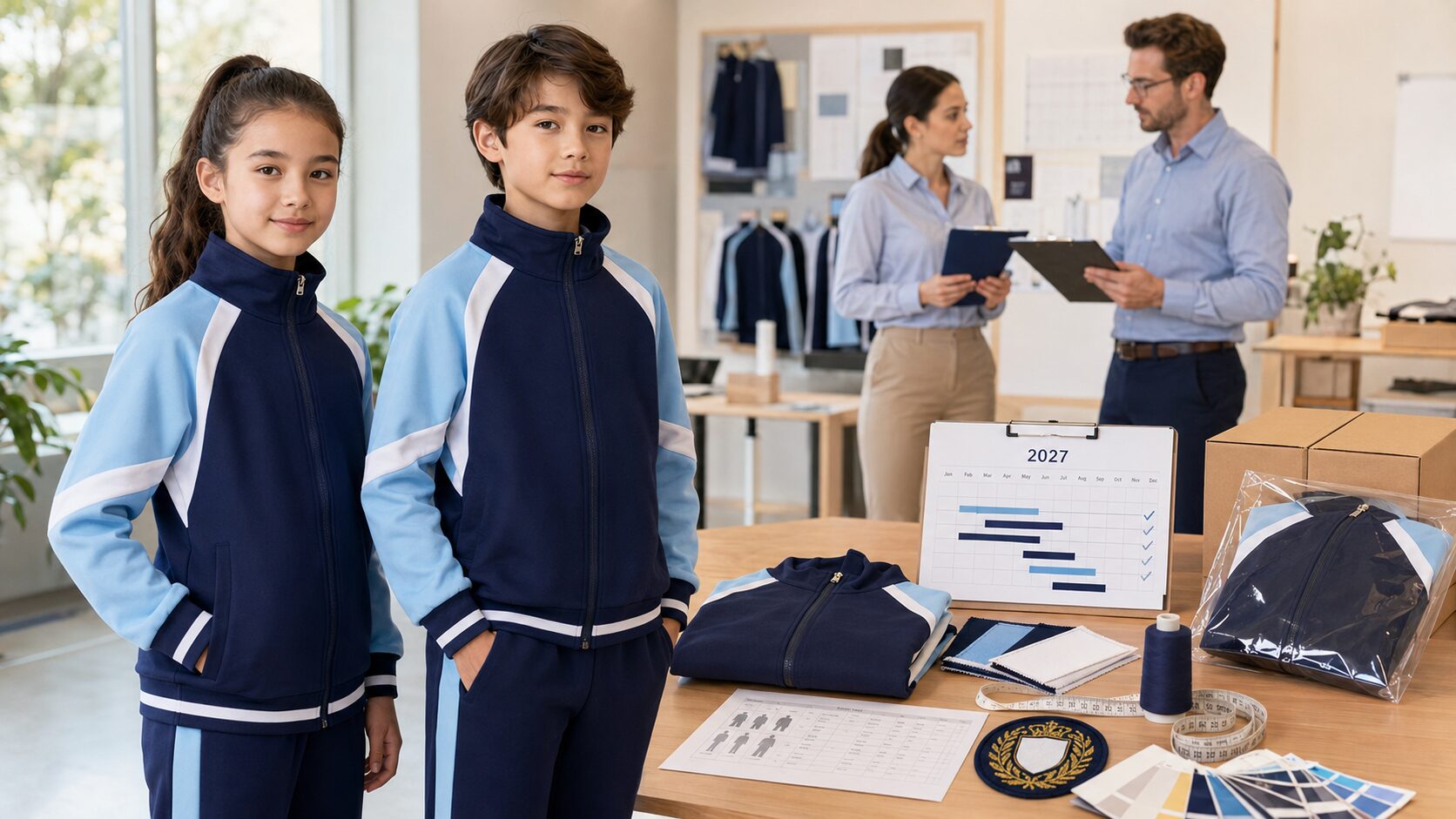
- School Uniforms2026-07-152027 School Uniform Sourcing Timeline: When Should Schools and Distributors Place OEM Orders?