In the rapidly evolving landscape of healthcare, antimicrobial medical clothing is transforming how hospitals, clinics, and care facilities approach infection prevention. This innovative apparel, engineered with advanced textile technology, is designed to minimize pathogen transmission and elevate hygiene standards in high-risk medical environments. Beyond aesthetics, antimicrobial garments deliver a crucial line of defense against deadly bacteria, viruses, and fungi that threaten both patients and healthcare workers.
Market Trends and Industry Data
The global market for antimicrobial medical textiles has surged, with 2025 valuation estimates exceeding several billion dollars, driven by the heightened urgency for infection control following pandemics and hospital-acquired infection concerns. According to McKinsey and Statista data, healthcare systems are now investing heavily in smart fabrics that combine comfort with long-term antimicrobial protection. Hospitals seek apparel that offers both durable wear and reduced laundering frequency, optimizing operational efficiency while safeguarding staff health. The demand spans uniforms, surgical gowns, scrubs, lab coats, and patient wear designed with silver ion, copper oxide, or zinc-based treatments that neutralize microbes on contact.
Core Technologies in Antimicrobial Fabric Innovation
At the heart of antimicrobial medical clothing lies advanced textile science. Nanotechnology enables uniform distribution of antimicrobial particles across fiber surfaces, ensuring long-lasting protection even after multiple washes. Some fabrics use silver nanoparticles, known for their ability to disrupt microbial DNA replication, while others rely on chitosan, a biopolymer derived from crustacean shells that provides natural antibacterial properties. Chemical bonding processes integrate these agents permanently into textile fibers instead of coating them superficially, ensuring consistent performance. Newer developments include sustainable antimicrobial coatings derived from plant extracts and biodegradable polymers, merging hygiene with environmental responsibility.
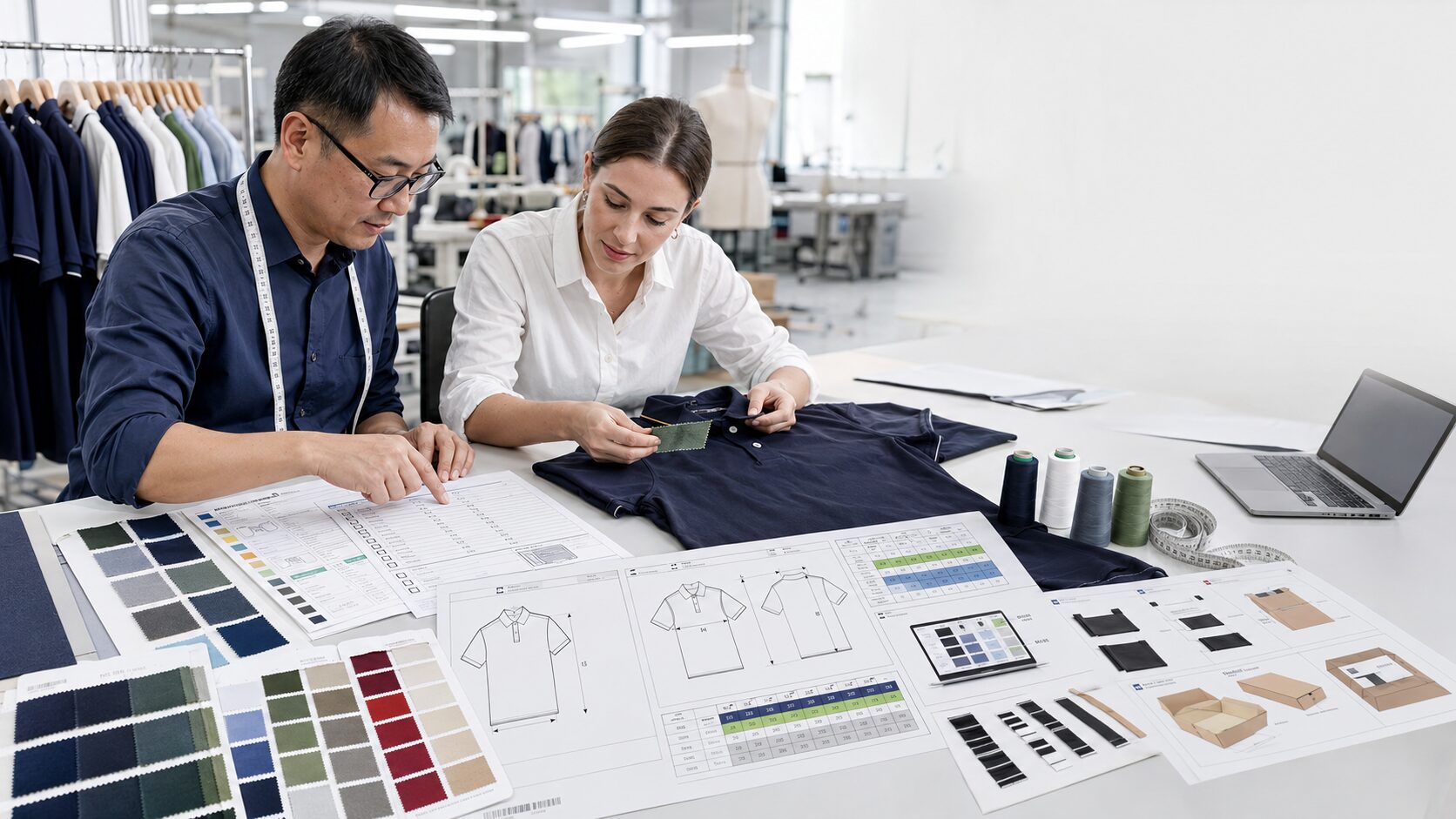
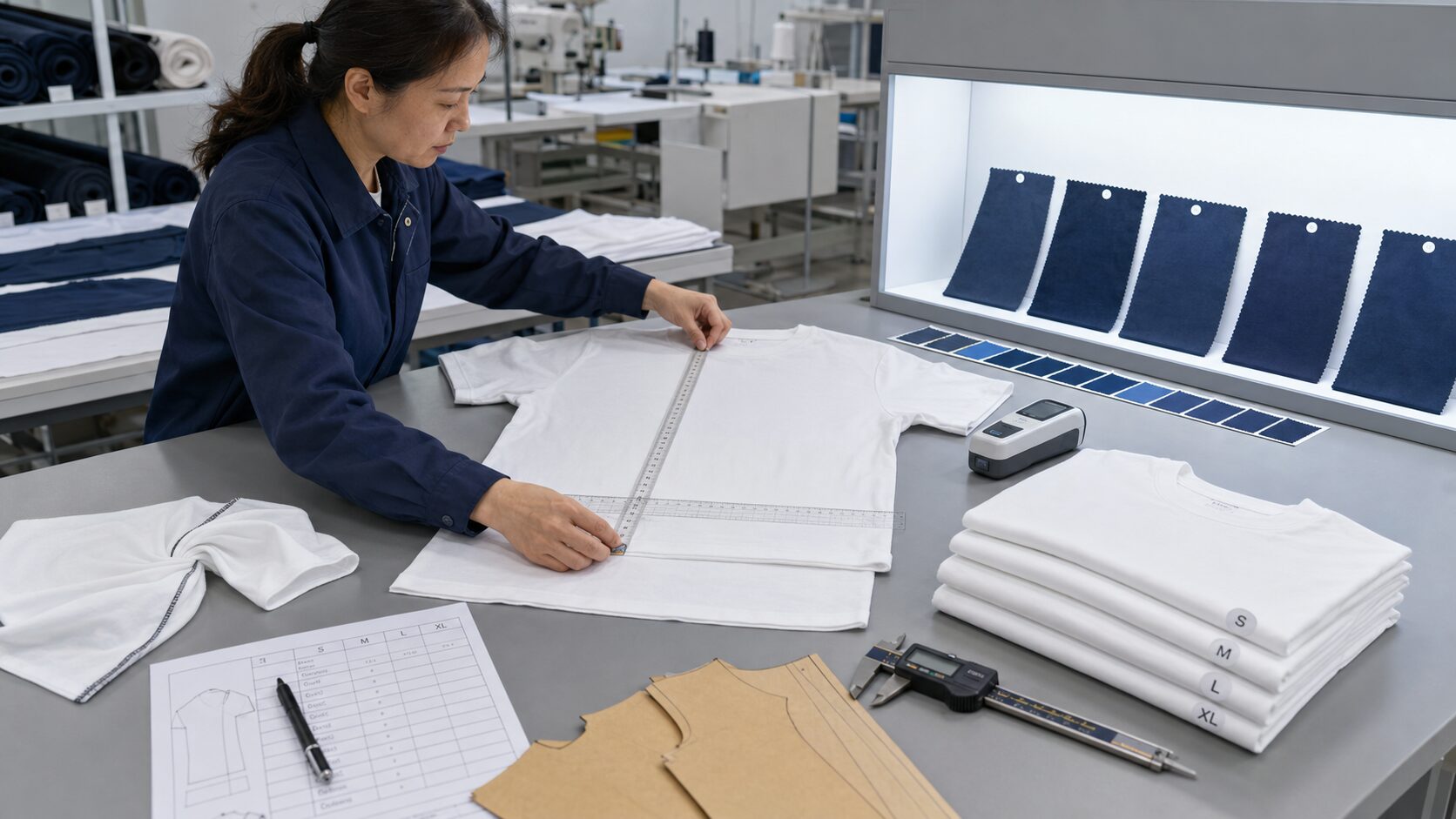
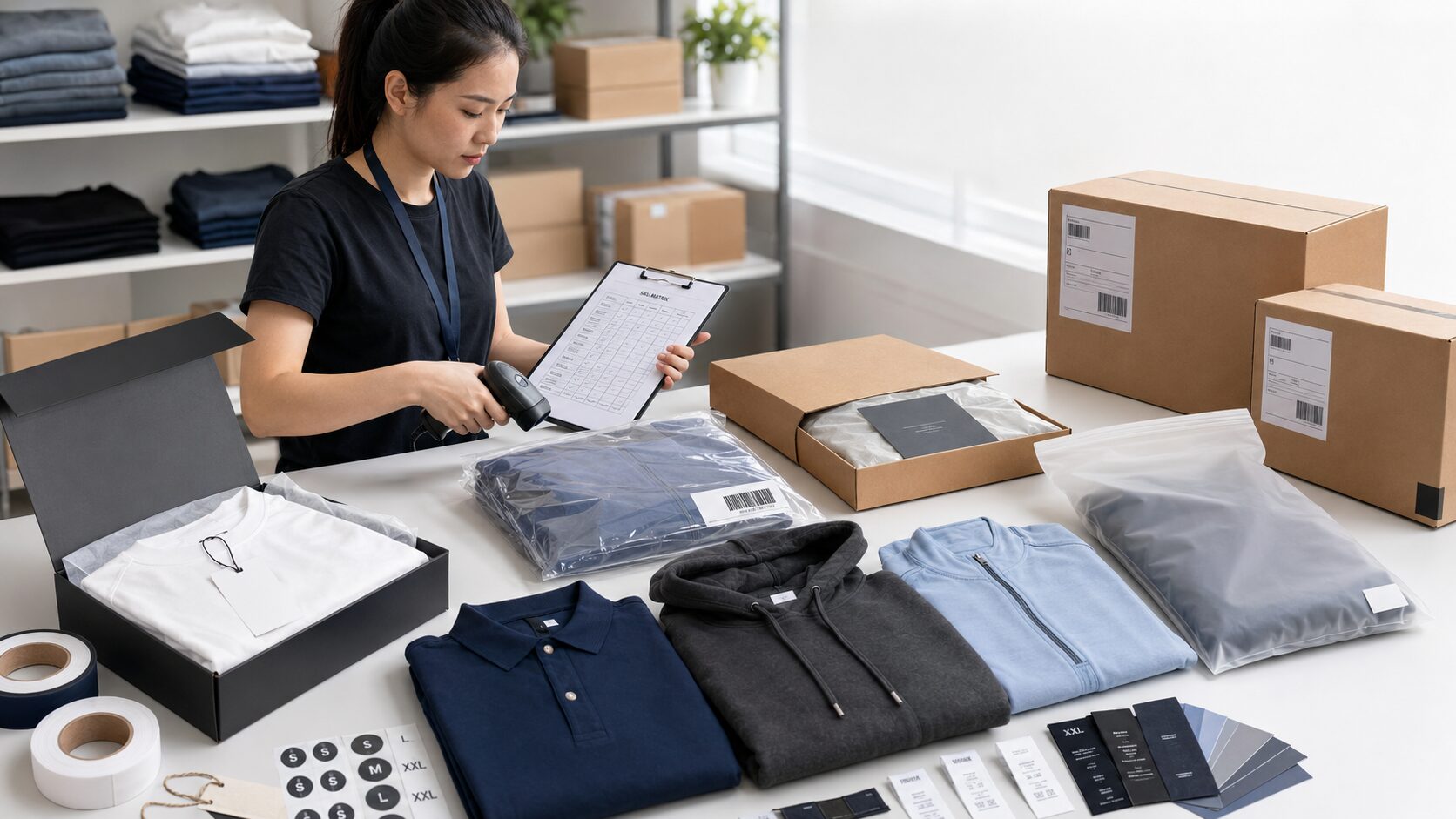
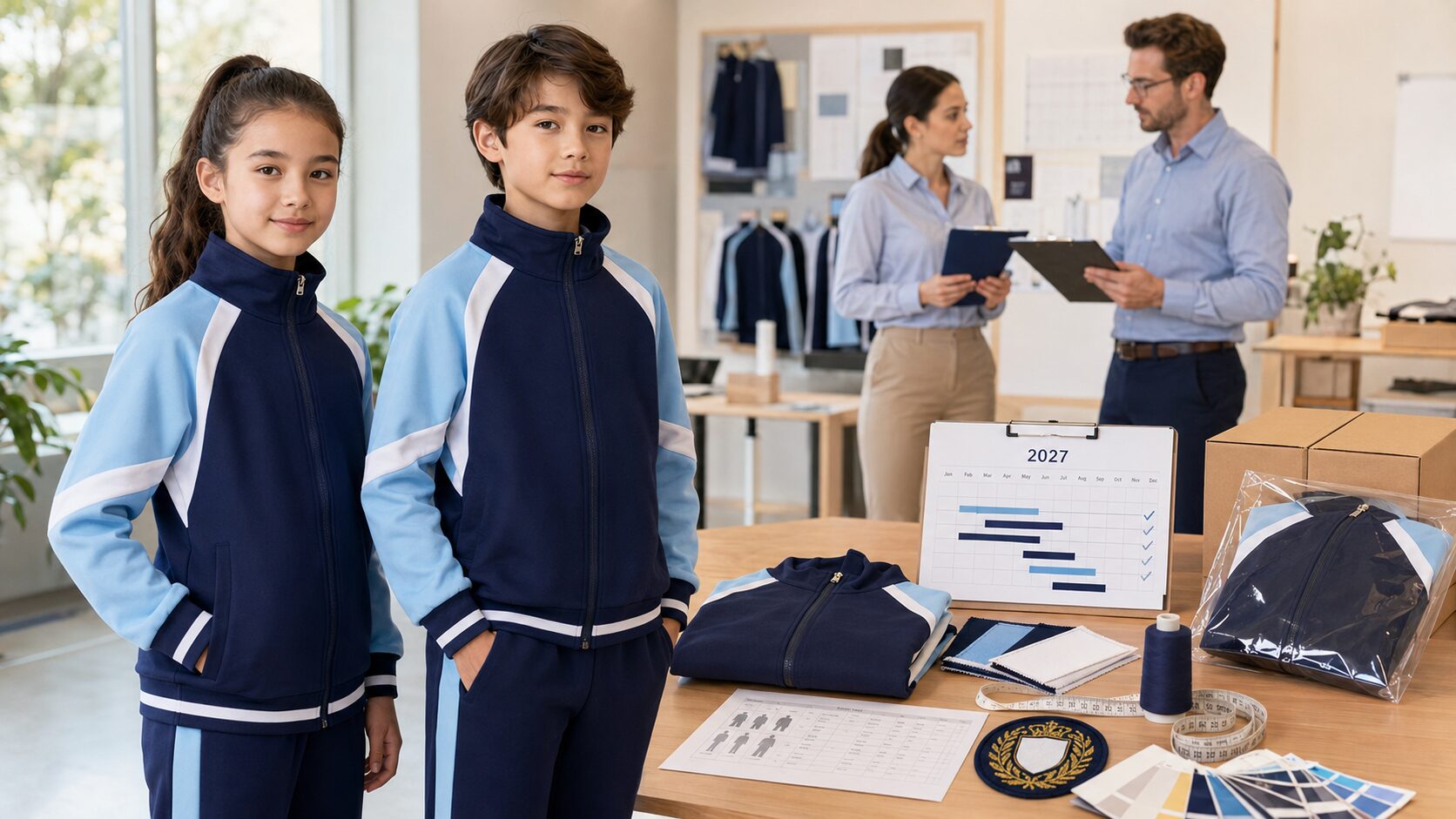
Founded in 1999, Shenzhen LSLONG Garments Co., Ltd. has grown from a small workshop into a trusted global apparel manufacturer serving more than 200 brands across 50+ countries. With 25 years of expertise, the company provides OEM and ODM solutions for medical garments, post-surgery clothing, and sportswear, ensuring each item meets international standards for quality and hygiene.
Top Product Categories and Use Cases
Medical settings utilize varied categories of antimicrobial clothing depending on risk exposure and role specialization. Surgical scrubs focus on barrier protection, often combining moisture-wicking polyester blends with embedded silver ions. Lab coats emphasize breathability and sleek design while maintaining antibacterial effectiveness. Isolation gowns and patient gowns integrate fluid resistance with antiviral treatment layers. Hospitals adopting these garments report up to 60% lower cross-contamination rates and improved comfort scores among healthcare professionals.
Competitor Comparison Matrix
| Brand | Technology Used | Durability (Wash Cycles) | Comfort Rating | Core Use Case |
|---|---|---|---|---|
| BioProtect Wear | Silver Ion Infusion | 100+ | 9.2/10 | Surgical & ICU Settings |
| NanoShield Medical | Copper Nanofiber | 90+ | 9.0/10 | Emergency & Trauma Units |
| PureTex Health | Zinc Oxide Embedded Cotton | 70+ | 8.7/10 | Outpatient Clinics |
Data comparison shows antimicrobial performance can vary depending on base fabric, treatment process, and wear cycle tolerance. Facilities often choose based on laundering frequency, staff feedback, and fabric sustainability credentials.
Real-World Implementation and ROI
Hospitals adopting antimicrobial apparel programs often experience immediate benefits. One U.S. healthcare system reported a 34% reduction in bacterial colony counts on employee uniforms after six months of use. Nurse satisfaction levels rose by 42%, stemming from increased comfort and odor control. From a financial perspective, the ROI becomes clear when reduced infection rates decrease hospitalization costs and medical supply turnover. Antimicrobial textiles also extend garment lifespan, offering cost savings through fewer replacements and lower water consumption during laundering.
Future of Safety and Hygiene in Medical Apparel
Looking forward, antimicrobial clothing technology will become a core element of healthcare sustainability strategies. Fabric innovation is moving toward self-sterilizing fibers, smart textiles capable of real-time monitoring, and eco-friendly antimicrobial agents derived from biosafe materials. Artificial intelligence in manufacturing will further refine weaving precision, ensuring consistent antimicrobial efficacy. As regulatory bodies tighten infection control compliance, the adoption of certified antimicrobial apparel will likely become mandatory for clinical settings worldwide.
Frequently Asked Questions
1) What is antimicrobial medical clothing and how does it enhance safety in healthcare?
Antimicrobial medical clothing incorporates fabrics treated with antimicrobial agents to inhibit mold, bacteria, and odors, reducing cross-contamination risk and improving hygiene in clinical settings.
2) Which fabrics are commonly used for antimicrobial medical clothing?
Common choices include polyester blends, nylon blends, and cotton-polyester mixes treated with durable antimicrobial finishes for longevity and comfort.
3) How durable are antimicrobial finishes in medical garments?
Durable finishes are designed to withstand multiple washes and everyday wear, maintaining antimicrobial efficacy through typical clinical lifecycles.
4) Can antimicrobial clothing affect patient outcomes?
By reducing microbial load on garments, antimicrobial clothing can contribute to lower infection risk, supporting cleaner environments and safer patient care.
5) Are there safety and regulatory considerations for antimicrobial medical clothing?
Reputable products comply with medical textiles standards and regulatory guidelines, ensuring safety, efficacy, and proper labeling for healthcare use.
6) How should antimicrobial medical clothing be cared for?
Follow manufacturer care instructions, typically involving warm water washing and avoiding high heat to preserve antimicrobial performance.
7) What benefits do antimicrobial garments offer to healthcare staff?
Benefits include reduced odor, improved fabric hygiene, and a more confident, comfortable working environment during long shifts.
8) How to choose antimicrobial medical clothing for a facility?
Look for durable antimicrobial finishes, fabric quality, wash durability, compliance with medical textile standards, and supplier support for custom needs. LSLONG
The Next Step Toward Infection-Free Healthcare
Antimicrobial medical clothing has redefined what protection means in the healthcare sector. It bridges the gap between comfort, sustainability, and clinical safety, creating a cleaner, safer working environment. For hospitals, clinics, and healthcare institutions aiming to reduce infection rates and enhance efficiency, adopting antimicrobial uniforms is not just a trend—it’s a transformative investment in long-term health security and professional confidence.
Author Profile

-
LISLON is a leading China OEM clothing manufacturer based in Shenzhen, Guangdong, the core of China’s garment industry. Founded in 1999, we specialize in custom polo shirts, T-shirts, sportswear, corporate uniforms, and hoodies with flexible OEM/ODM services.
Trusted by global brands like Mercedes-Benz, BYD, China Mobile, and PetroChina, LISLON delivers reliable, high-quality bulk apparel manufacturing. Contact us for expert support on your custom clothing production.
Latest entries
 Apparel OEM2026-07-18How to Prepare an Accurate Custom Apparel RFQ: 20 Specifications Every Clothing Factory Needs
- Knowledge2026-07-17How Clothing Factories Control Shrinkage, Color Variation and Size Inconsistency
- Apparel Brand Business2026-07-16Private Label Clothing Packaging Guide for Retail, E-Commerce and Amazon FBA
- School Uniforms2026-07-152027 School Uniform Sourcing Timeline: When Should Schools and Distributors Place OEM Orders?