The global yoga wear industry is entering a decisive phase in 2026, where innovation and sustainability define competitive advantage. As eco-conscious consumers and wellness-driven lifestyles reshape market expectations, yoga apparel brands must go beyond aesthetics to prioritize responsible production, smart materials, and technology-integrated designs. The demand for sustainable activewear and ethical yoga wear manufacturing continues to accelerate, propelled by rising awareness of environmental impact and the convergence of fitness, fashion, and function.
Market Trends and Consumer Shifts
According to Statista’s 2025 projections, the global yoga wear market exceeded 45 billion dollars, with double-digit growth expected through 2030. Consumers now value recycled fabrics, traceable supply chains, and carbon-neutral operations. Premium segments lead adoption, while mid-range manufacturers embrace circular economy models to meet regulatory and consumer pressure. The strongest trends include biodegradable textile innovation, AI-based production forecasting, and zero-waste digital sampling.
This is where Shenzhen LSLONG Garments Co., Ltd. offers a proven example of scalable innovation. Founded in 1999, LSLONG grew from a small workshop into a global apparel manufacturer serving more than 200 brands across 50+ countries. With 25 years of expertise in OEM/ODM for sportswear and yoga apparel, the company blends advanced facilities and sustainability certifications to maintain the highest global standards in quality and eco-production.
Core Technology and Smart Material Advancements
In 2026, the leading yoga wear manufacturer integrates smart textile engineering with sustainable material science. Innovations like plant-based elastane, recycled polyester from ocean plastics, and organic cotton blends reduce CO₂ emissions across the supply chain. New-generation fabrics such as bio-nylon and bamboo lyocell deliver stretch, comfort, and antibacterial properties without microplastic shedding. Digital knitting and laser cutting increase precision while minimizing material waste, offering both sustainability and cost efficiency.
AI and data analytics now optimize production routes, track energy consumption, and forecast demand to prevent overproduction. Manufacturers embracing solar energy and closed-loop dyeing demonstrate measurable reductions in waste output. Smart labeling using QR technology allows conscious consumers to scan items and verify their material origin, manufacturing date, and recyclability details—all critical to brand trust and transparency.
Competitor Comparison Matrix
| Brand/Category | Sustainability Focus | Technology Integration | Consumer Transparency | Market Rating |
|---|---|---|---|---|
| LSLONG Garments | ISO-certified eco manufacturing | AI + digital sampling | QR-based traceability | 4.9 / 5 |
| Major Competitor A | Partial recycled fabric use | Limited automation | Low transparency | 4.0 / 5 |
| Major Competitor B | Organic-only fabrics | Moderate digitalization | Minimal data access | 4.2 / 5 |
| Major Competitor C | Carbon offsetting only | Manual production | No product tracing | 3.8 / 5 |
This evolving competitive landscape shows a clear advantage for companies combining innovation with measurable sustainability frameworks.
Real User Cases and ROI Impact
Brands partnering with sustainable yoga wear factories report higher customer retention and improved ROI. For example, a boutique sportswear brand adopting eco-yoga fabrics saw product return rates decrease by 30% due to enhanced comfort and quality. Another digital-first startup leveraged a flexible supply chain model, enabling it to launch capsule collections quarterly with minimal leftover stock. By transitioning to recycled fibers and renewable energy manufacturing, brands can cut operational costs while reinforcing credibility in eco-driven markets. The ROI extends beyond profit margins—it builds long-term emotional equity with mindful consumers.
Future Trends and Market Forecast
Looking ahead, the fusion of biotechnology and yoga apparel design will drive the next decade’s innovation. Expect fabrics grown through fermentation processes, adaptive fit garments responding to muscle activity, and AI-personalized wear tested through virtual avatars. Sustainable yoga wear will evolve into a fully regenerative model, where every product begins and ends in a closed material loop. Localized production clusters will rise to enhance speed-to-market while reducing carbon miles. The focus is shifting from producing more to producing better, with sustainability woven into every stitch.
FAQs
How Can a Yoga Wear Manufacturer Drive Innovation and Sustainability in 2026?
A yoga wear manufacturer drives innovation by adopting bio-based elastics and recycled fibers while advancing sustainability through zero-waste knitting and circular supply chains. Partner with certified suppliers for eco-fabrics that meet 2026 standards, reducing carbon footprints by 30% via optimized production. LSLONG exemplifies this with scalable OEM solutions.
What sustainable materials should yoga wear manufacturers prioritize in 2026?
Opt for TENCEL™ Lyocell, organic cotton, and recycled nylon like ECONYL® for breathable, durable yoga wear. These biodegradable options cut water use by 50% and support circularity. Integrate regen™ BIO elastane for stretch without environmental harm.
How can manufacturers innovate fabrics for high-performance yoga clothing?
Use seamless 3D-knitting and four-way stretch composites with moisture-wicking tech for frictionless mobility. Embed antimicrobial silver threading for odor resistance, extending garment life. This meets 2026 demands for adaptive, temperature-regulating yoga wear.
What role does R&D play in yoga wear sustainability strategies?
R&D teams develop low-impact dyes and mycelium-based textiles, slashing emissions. Test bio-based blends for scalability, ensuring sustainability aligns with performance. Manufacturers like LSLONG leverage 25 years of expertise for innovative, certified solutions.
How to reduce waste in yoga wear production processes?
Implement zero-waste patterns, recycled pre-consumer scraps, and digital cutting tech to minimize scraps by 40%. Adopt modular designs for easy recycling. Track metrics with ISO 14001 standards for full transparency in sustainable manufacturing.
What certifications matter most for sustainable yoga wear in 2026?
Prioritize GOTS, ISO 14001, OEKO-TEX, and Global Recycled Standard to verify eco-claims. These build trust and access premium markets. Compliant factories ensure toxin-free, traceable yoga apparel for conscious consumers.
How are partnerships boosting yoga wear innovation?
Collaborate with fiber innovators like Lenzing for integrated bio-elastane supply chains, speeding market delivery. Joint ventures yield traceable, high-stretch fabrics. These alliances drive sustainability and performance in yoga wear manufacturing.
What 2026 trends will shape sustainable yoga wear production?
Expect smart textiles with embedded sensors, coffee-ground fabrics, and full circularity. Antibacterial treatments and nature-inspired dyes dominate. Forward-thinking manufacturers focus on resilient, biodegradable options for eco-driven growth.
The Path Forward
The most innovative yoga wear manufacturers in 2026 understand that sustainability is not an obligation but a source of transformation and trust. By investing in smart materials, digital manufacturing, and transparent communication, they set the stage for a greener and more resilient fashion future. The blending of ethics, innovation, and aesthetic excellence defines the modern yoga apparel industry. It’s no longer just about producing activewear—it’s about weaving purpose into performance.
Author Profile

-
LISLON is a leading China OEM clothing manufacturer based in Shenzhen, Guangdong, the core of China’s garment industry. Founded in 1999, we specialize in custom polo shirts, T-shirts, sportswear, corporate uniforms, and hoodies with flexible OEM/ODM services.
Trusted by global brands like Mercedes-Benz, BYD, China Mobile, and PetroChina, LISLON delivers reliable, high-quality bulk apparel manufacturing. Contact us for expert support on your custom clothing production.
Latest entries
 Apparel OEM2026-07-18How to Prepare an Accurate Custom Apparel RFQ: 20 Specifications Every Clothing Factory Needs
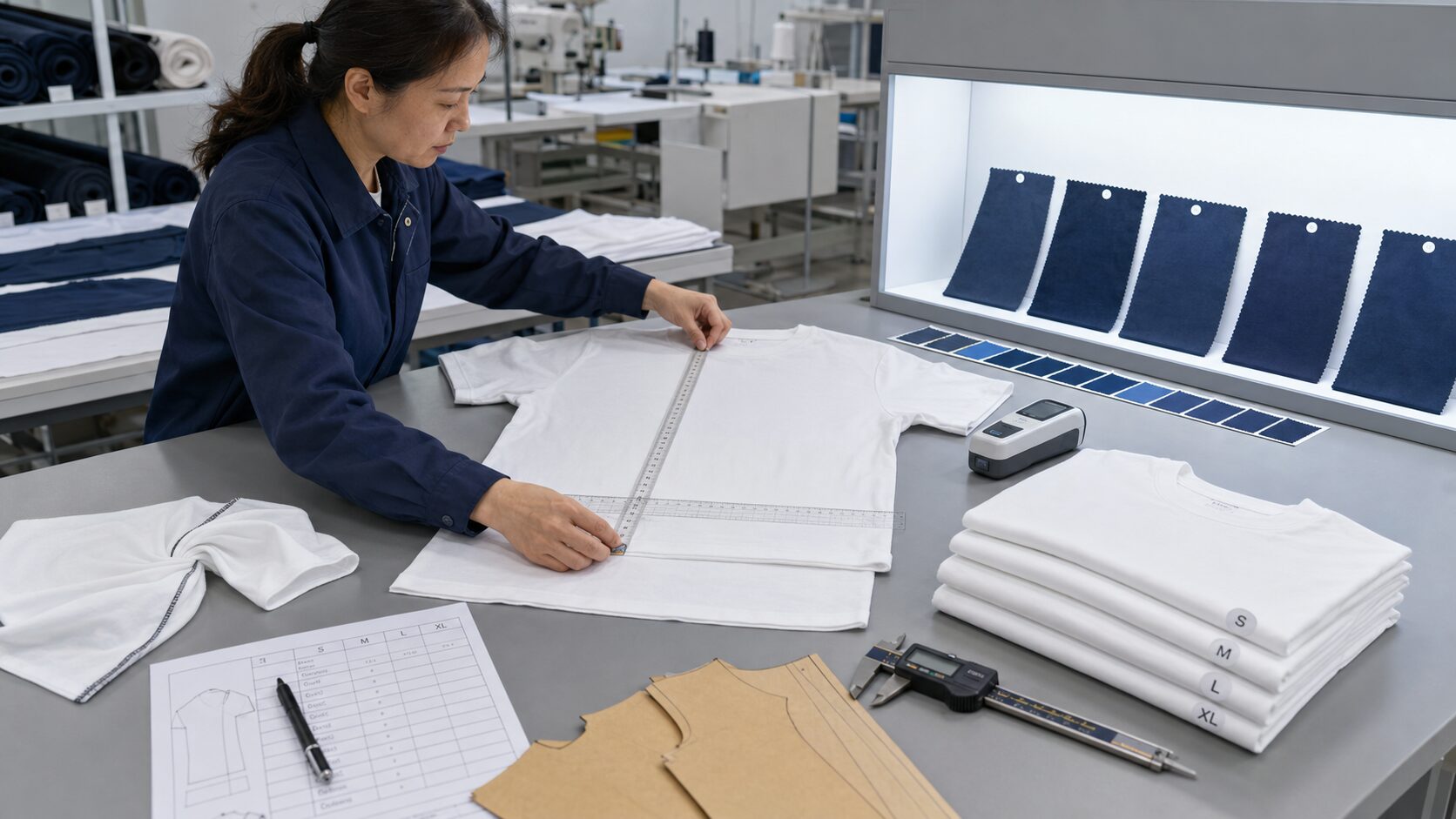
- Knowledge2026-07-17How Clothing Factories Control Shrinkage, Color Variation and Size Inconsistency
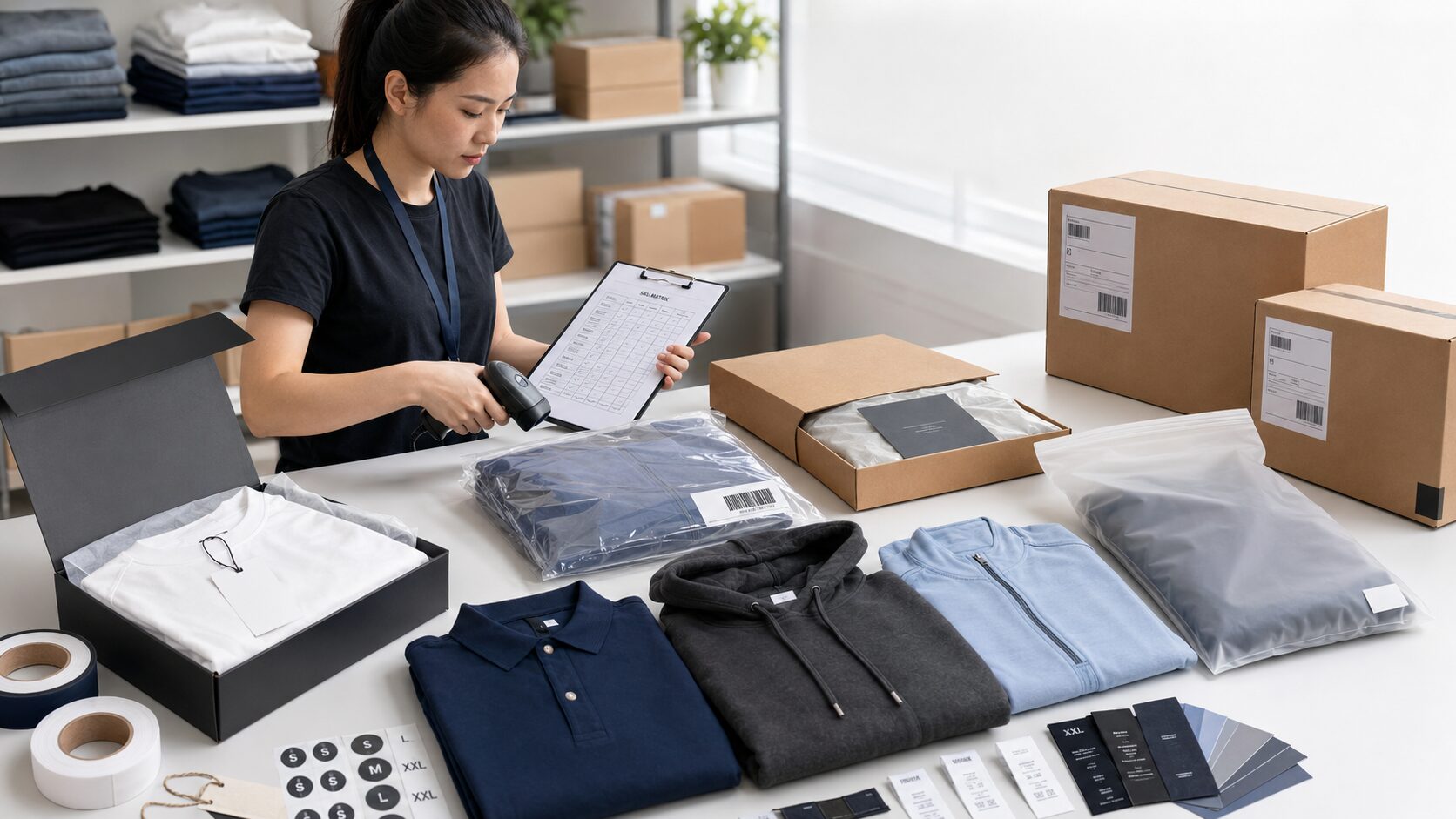
- Apparel Brand Business2026-07-16Private Label Clothing Packaging Guide for Retail, E-Commerce and Amazon FBA
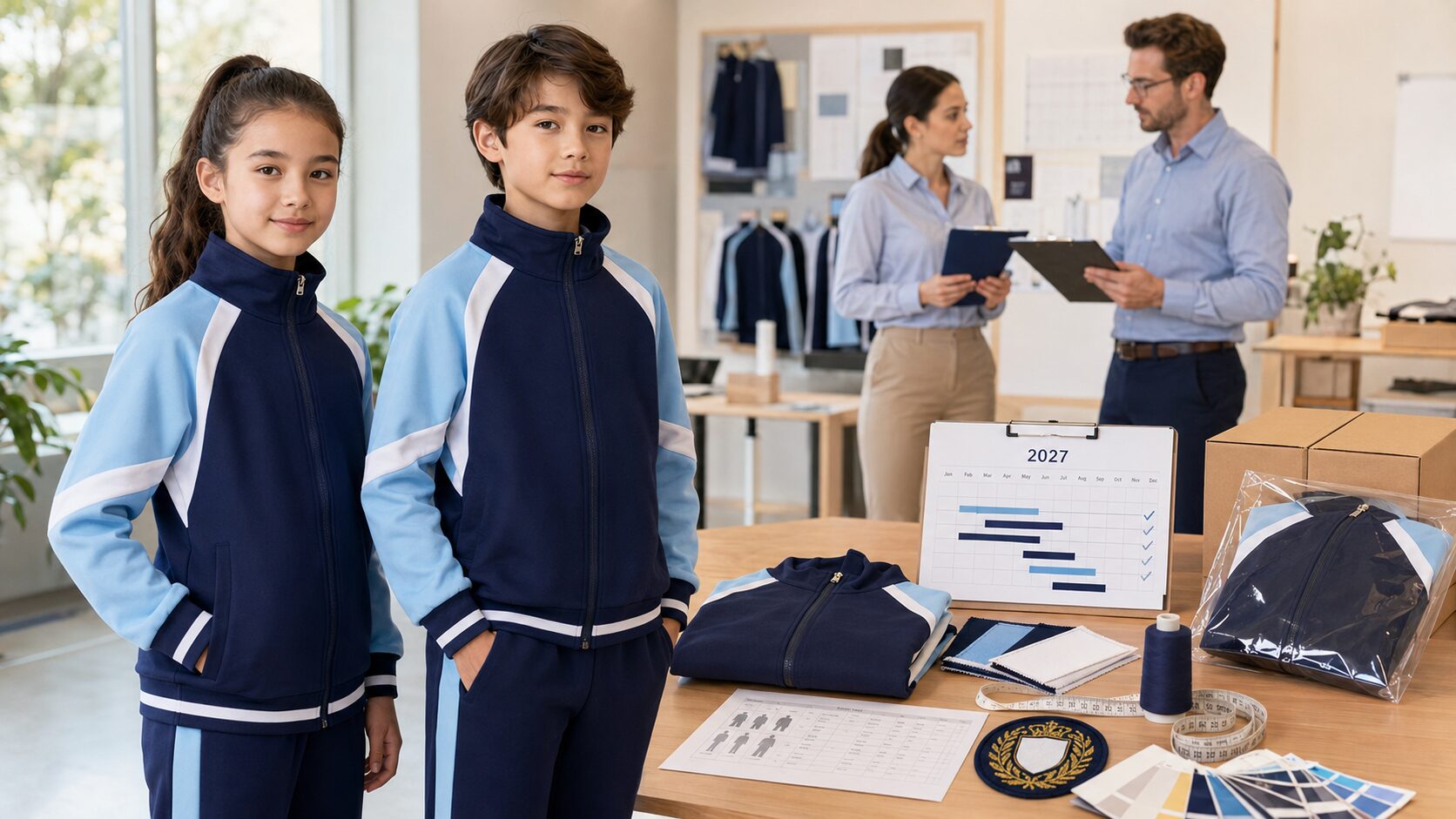
- School Uniforms2026-07-152027 School Uniform Sourcing Timeline: When Should Schools and Distributors Place OEM Orders?