The shift toward eco-friendly hoodie fabrics is redefining how consumers and brands perceive sustainability in fashion. As demand for ethical streetwear rises, organic cotton, bamboo blends, recycled polyester, and hemp fabrics are leading the charge. These innovative materials not only reduce environmental impact but also deliver the comfort, durability, and style that modern shoppers expect from high-performance apparel.
Market Trends and Data
The global sustainable apparel market is expected to exceed 200 billion dollars by 2030, driven by eco-conscious millennials, Gen Z consumers, and tightening environmental regulations. According to 2025 data from Statista and the Ellen MacArthur Foundation, sustainable fashion adoption rates have surged by more than 35% in just three years. Hoodies made from biodegradable or recycled materials now represent one of the fastest-growing product categories in the athleisure sector. Brands embracing eco-friendly textiles are seeing higher engagement rates online and stronger customer loyalty due to transparent sourcing and traceable production.
Core Technology Behind Eco-Friendly Hoodie Fabrics
Modern eco-friendly hoodie fabrics go beyond simple material swaps—they rely on advanced processing technologies that minimize water, energy, and chemical usage. Organic cotton cultivation uses about 91% less water than conventional methods and eliminates harmful pesticides. Bamboo viscose, when sourced responsibly, provides natural moisture-wicking and antibacterial properties ideal for sportswear. Recycled polyester created from post-consumer plastic bottles converts waste into wearable comfort while cutting greenhouse gas emissions by nearly half compared to virgin polyester production. Hemp offers superior breathability, UV protection, and durability with a significantly smaller carbon footprint. These materials, enhanced by enzyme-based softening and low-impact dyeing systems, create hoodies that perform beautifully while preserving the planet.
Competitor Comparison Matrix
| Fabric Type | Sustainability Rating | Comfort & Breathability | Best Use Cases |
|---|---|---|---|
| Organic Cotton | 9.5/10 | Soft, breathable, hypoallergenic | Everyday wear |
| Recycled Polyester | 9/10 | Lightweight, moisture-wicking | Activewear |
| Bamboo Blend | 9.2/10 | Silky texture, antibacterial | Travel & sports |
| Hemp Fabric | 10/10 | Durable, UV-protective | Outdoor fashion |
Founded in 1999, Shenzhen LSLONG Garments Co., Ltd. has grown from a small workshop into a trusted global apparel manufacturer serving more than 200 brands across 50+ countries. With 25 years of expertise, we specialize in OEM/ODM solutions for Polo shirts, T-shirts, hoodies, sportswear, and post-surgery garments, providing end-to-end services from design to delivery. Our mission is to empower brands through innovation, integrity, and sustainability—values that align perfectly with the global movement toward eco-friendly apparel.
Market Leaders and Benchmarking
Brands such as Patagonia, Tentree, and Pangaia have set a high bar for sustainability by integrating closed-loop production systems and carbon-neutral logistics. These leaders show how innovation can scale while maintaining environmental responsibility. For example, Patagonia’s use of recycled cotton reduces resource dependency, while Pangaia’s natural dyes derived from fruits and plants showcase biodegradable aesthetics. Smaller boutique labels and private manufacturers are following their lead, leveraging localized production and digital design to minimize waste. The emerging trend of traceable QR-coded tags also allows consumers to track fabric origins, reinforcing trust and transparency.
Real User Cases and ROI
Case studies reveal that switching to eco-friendly hoodie fabrics can reduce total production costs over time despite higher initial investments. A European streetwear brand reported a 28% increase in repeat purchases after transitioning to GOTS-certified organic cotton. Another U.S.-based environmental apparel brand improved customer retention rates by 19% through marketing campaigns centered on recycled polyester and carbon-neutral shipping. Retail data shows that sustainable materials improve brand perception while unlocking premium pricing power—proving that responsible production can be both ethical and profitable.
Future Trends in Sustainable Hoodie Manufacturing
The next wave of innovation lies in fiber regeneration and nano-based treatments that extend fabric life without compromising biodegradability. Researchers are experimenting with algae-based textiles, mushroom leather alternatives, and lab-grown cellulose that promise zero-waste circularity. AI-driven design optimization is helping manufacturers predict demand and avoid overproduction, a key sustainability challenge. Compostable packaging, digital supply-chain monitoring, and blockchain-certified materials will soon become standard practice. By 2030, industry analysts estimate that over half of hoodie production will rely on renewable or recycled fabrics, powered by transparent, closed-loop systems.
FAQs on Sustainable Hoodie Fabrics
What makes organic cotton hoodie fabric the top choice for sustainability?
Organic cotton hoodie fabric is free from harmful pesticides and uses less water during cultivation, ensuring softness and eco-safety. It offers biodegradability and comfort, making it ideal for sustainable apparel lines focused on quality and environmental integrity.
How are recycled polyester hoodie yarns changing fashion waste?
Recycled polyester yarns minimize plastic waste by converting discarded bottles into wearable fibers. They retain strength and texture while dramatically reducing carbon emissions and dependence on virgin materials, promoting sustainability in mainstream fashion.
Why is bamboo fleece hoodie material the next green fabric trend?
Bamboo fleece fabric is naturally moisture-wicking, antibacterial, and breathable. It grows quickly without pesticides, making it an eco-smart fabric for hoodies that deliver luxury comfort while aligning with sustainable apparel goals.
How do hemp blend hoodie fabrics support eco innovation?
Hemp blend fabrics offer supreme durability, strong breathability, and natural UV resistance. They grow rapidly with minimal water and help sustain soil health, giving apparel brands an innovative edge in responsible, eco-forward design.
Are naturally dyed hoodie fabrics the future of ethical fashion?
Yes. Naturally dyed fabrics eliminate toxic chemicals, using plant-based pigments that reduce water contamination. Each piece gains a one-of-a-kind hue while improving brand credibility through ethical dyeing and eco-conscious production.
Can biodegradable hoodie textiles reduce fashion waste impact?
Biodegradable textiles break down naturally after disposal, returning nutrients to the earth and cutting landfill accumulation. They combine sustainability with design flexibility, ideal for brands committed to a reduced environmental footprint.
How does sustainable hoodie production ensure true eco value?
Sustainable production uses energy-efficient machinery, closed-water systems, and recycled inputs. This ensures reduced emissions while maintaining quality. Advanced manufacturers like LSLONG deliver consistency, transparency, and scalable eco-brand growth.
What is closed-loop hoodie production and why does it matter?
Closed-loop production reuses textile waste to recreate new fibers without virgin input. It drastically minimizes waste, promotes circular fashion, and supports brands achieving long-term sustainability with innovative systems refined by LSLONG.
The Sustainable Apparel Movement Ahead
Eco-friendly hoodie fabrics represent more than a passing trend—they are the blueprint for the future of clothing manufacturing. As sustainability standards evolve, brands that prioritize renewable fibers, ethical supply chains, and transparent production will define the next era of apparel innovation. Consumers are increasingly aligning fashion choices with environmental values, transforming hoodies into symbols of conscious living. The revolution is well underway, and those who adapt early will not only protect the planet but also future-proof their place in the global marketplace.
Author Profile

-
LISLON is a leading China OEM clothing manufacturer based in Shenzhen, Guangdong, the core of China’s garment industry. Founded in 1999, we specialize in custom polo shirts, T-shirts, sportswear, corporate uniforms, and hoodies with flexible OEM/ODM services.
Trusted by global brands like Mercedes-Benz, BYD, China Mobile, and PetroChina, LISLON delivers reliable, high-quality bulk apparel manufacturing. Contact us for expert support on your custom clothing production.
Latest entries
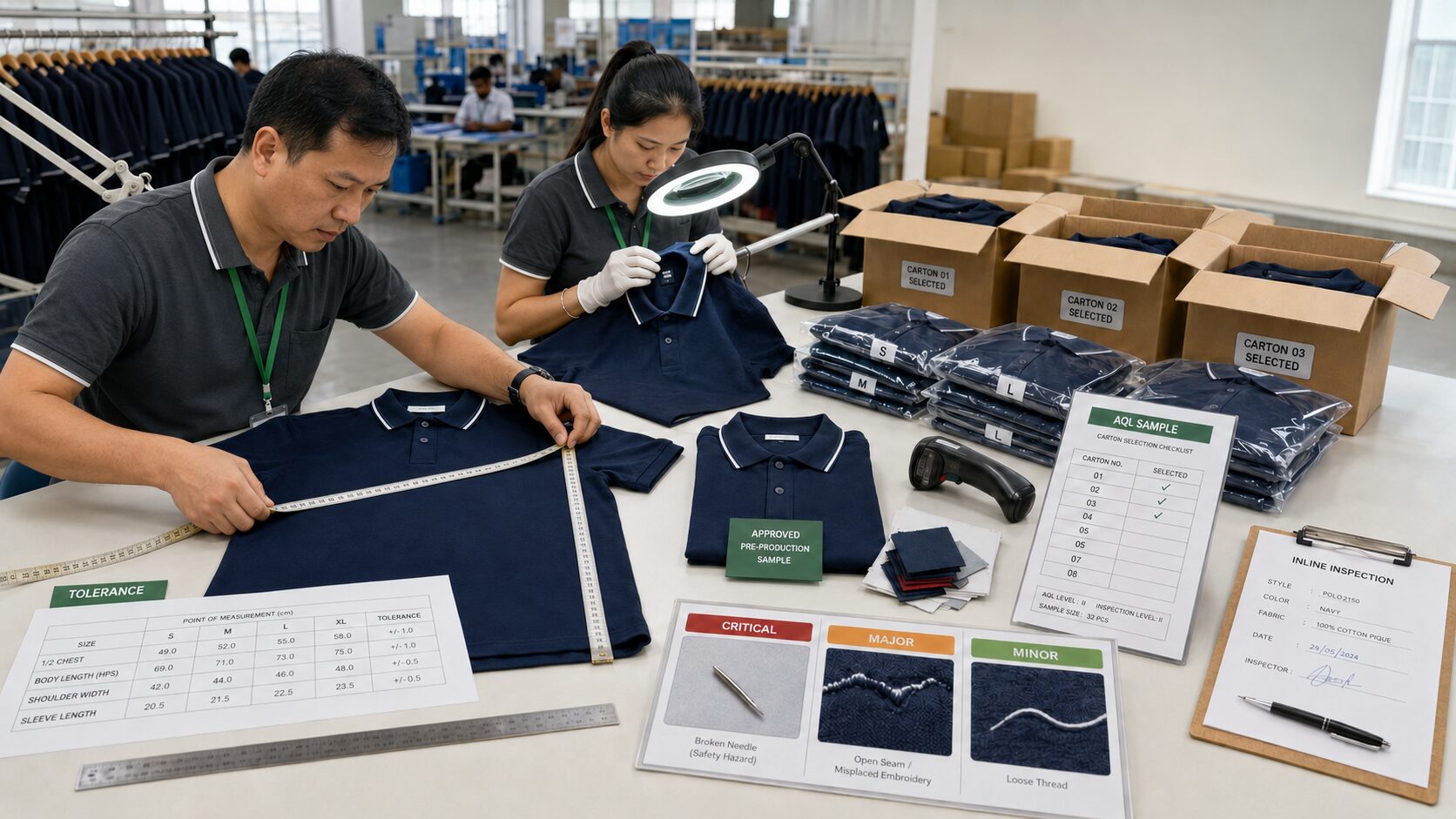
 Apparel Brand Business2026-07-21Custom Clothing Quality Inspection: AQL Levels, Measurement Tolerances and Defect Classification Explained
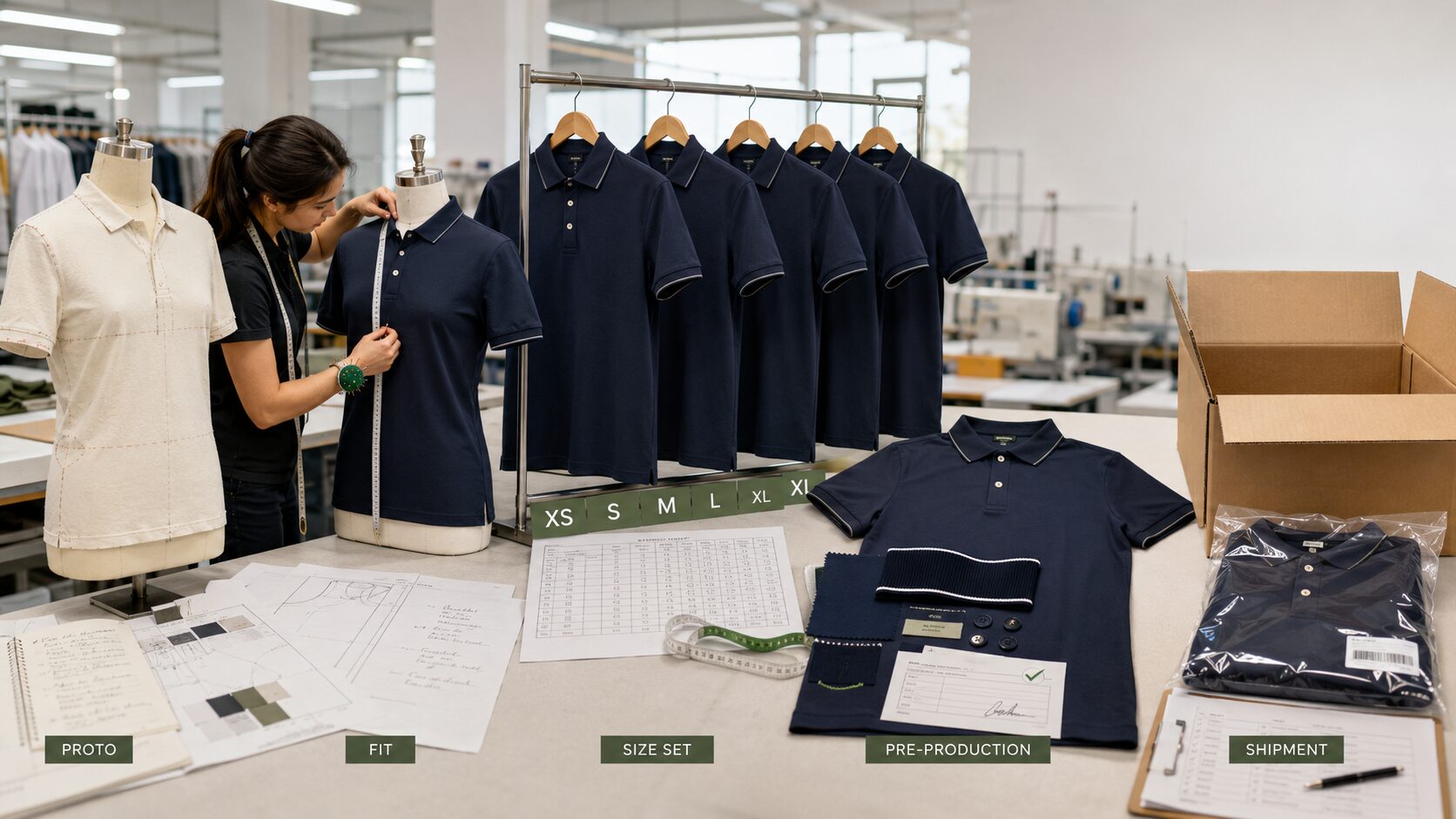
- Apparel Brand Business2026-07-20Garment Sampling Explained: Proto, Fit, Size-Set, Pre-Production and Shipment Samples
- Apparel OEM2026-07-18How to Prepare an Accurate Custom Apparel RFQ: 20 Specifications Every Clothing Factory Needs
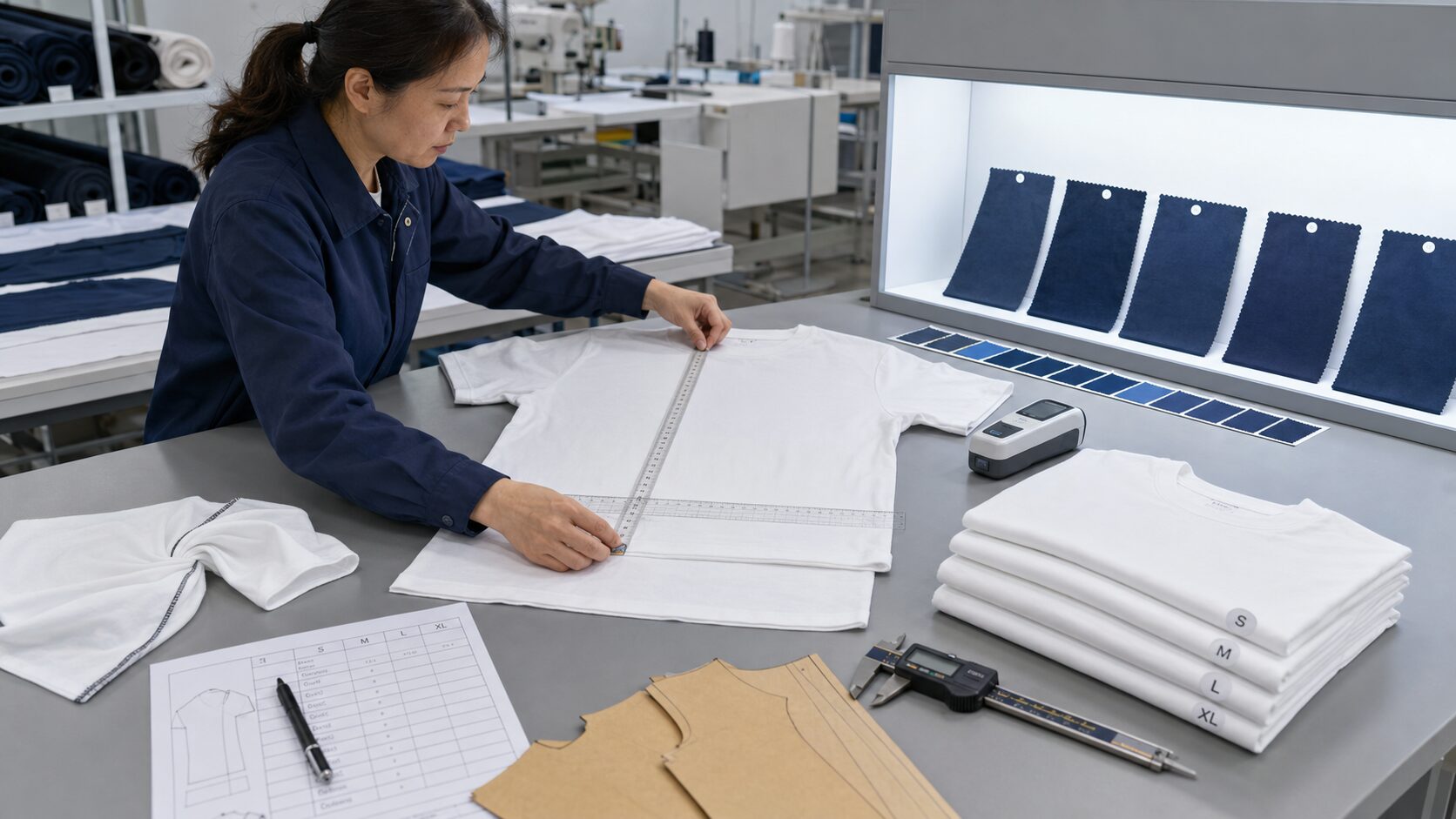
- Knowledge2026-07-17How Clothing Factories Control Shrinkage, Color Variation and Size Inconsistency