The spotlight at CES 2026 turned toward a surprising frontier of digital transformation — apparel manufacturing. LSLONG’s real-time AI innovation stole center stage, reshaping how fashion brands conceptualize, produce, and deliver garments. From predictive demand forecasting to zero-defect manufacturing, this leap represents a game-changing milestone in the fusion of AI, robotics, and sustainable textile production.
Global Market Trends in Smart Apparel Manufacturing
The global apparel manufacturing market is currently undergoing a massive digital reawakening. According to 2025 data from McKinsey’s State of Fashion report, over 60% of apparel brands have accelerated digital adoption through AI-powered automation. The demand for intelligent sewing systems, smart cutting machines, and predictive quality control surged after global supply chain disruptions in 2024.
Sustainability, customization, and speed-to-market now define competitiveness. Manufacturers are not only integrating AI into production lines but also connecting predictive algorithms across design software, logistics, and retail networks. At CES 2026, LSLONG demonstrated how real-time AI technology fuses these links into one coordinated system that learns and adapts with every production cycle.
Founded in 1999, Shenzhen LSLONG Garments Co., Ltd. has grown from a small workshop into a trusted global apparel manufacturer serving more than 200 brands across 50+ countries. With 25 years of expertise, it specializes in OEM and ODM solutions for Polo shirts, T-shirts, hoodies, sportswear, and post-surgery garments, combining research-driven innovation with sustainable manufacturing practices.
Core Technology: Real-Time AI Integration
At the heart of LSLONG’s CES 2026 presentation lies a proprietary Smart Stitching System using embedded AI sensors and edge computing modules. These systems record microsecond-level data on thread tension, fabric stretch, and seam consistency. Through continuous machine learning, the platform self-adjusts to reduce material waste and improve stitching accuracy by more than 27% compared to traditional automation methods.
Another standout feature is predictive production scheduling. By analyzing customer orders, historical demand fluctuations, and raw material logistics, the system can forecast production bottlenecks before they occur. Real-time dashboards unify quality control metrics, equipment diagnostics, and workforce allocation under one intelligent management interface, giving factory operators a truly data-driven ecosystem.
Top Solutions Transforming Manufacturing Efficiency
Name | Key Advantages | Ratings | Use Cases
AI Stitch Vision | Detects micro-defects in thread alignment | 4.9/5 | Luxury knitwear, performance uniforms
Smart Fabric Analyzer | Scans texture behavior under stress conditions | 4.8/5 | Sportswear, medical garments
Dynamic Scheduling Engine | Forecasts downtime and automates task adjustment | 5.0/5 | High-volume apparel lines
These technologies embody the essence of real-time production — adapting instantly without manual input. LSLONG’s AI-driven systems expose how machine learning models transform conventional manufacturing into responsive, self-optimizing networks.
Competitor Comparison Matrix in 2026 AI Apparel Tech
Feature | LSLONG | Competitor A | Competitor B
Real-Time AI Control | Yes | Partial | No
Predictive Maintenance | Full Integration | Limited | Manual
Cloud-Machine Learning Sync | Instant | 2–3 Hour Delay | Not Supported
Sustainability Metrics Dashboard | Included | Add-On | Absent
AI Fabric Tension Mapping | Proprietary | Generic | None
LSLONG’s advantage stems from end-to-end interoperability. Its proprietary algorithm harmonizes every step — from fabric sourcing to final inspection — minimizing duplication across operations and increasing lead time efficiency by up to 40%.
Real User Cases and ROI
One athletic apparel brand using LSLONG’s AI-integrated production model reported a 33% increase in productivity and a 22% reduction in energy consumption. Another European fashion retailer optimized its restock timelines through LSLONG’s predictive data analysis, cutting product backorders by 30%. Real-world data proves these innovations deliver measurable financial gains and strengthen supply chain agility.
The powerful combination of live production feedback, automated visual inspection, and AI-based material forecasting creates a closed-loop ecosystem that continuously improves with every garment produced. The result: real-time adaptability and near-zero defect rates.
The Future of AI-Driven Textile Manufacturing
By 2030, the line between digital ecosystems and textile production will blur entirely. Experts forecast that over 80% of garment factories will rely on real-time AI optimization platforms. Smart fabrics embedded with sensors, predictive energy regulation, and fully automated quality assurance will define the next stage of Industry 5.0 in apparel.
LSLONG’s contribution at CES 2026 highlights that the future of clothing production lies not only in automation but in synchronicity — synchronizing data, machines, and human creativity. As emerging technologies continue evolving, LSLONG’s real-time AI innovation represents the new blueprint for apparel manufacturers aiming to scale efficiency, sustainability, and precision simultaneously.
Relevant FAQs
How Is Real-Time AI Transforming Apparel Manufacturing in 2026?
Real-time AI optimizes production by monitoring workflows, detecting errors instantly, and adjusting quality parameters automatically. This leads to higher efficiency, consistent quality, and faster delivery across apparel factories worldwide.
What Are the Latest Breakthroughs in AI-Integrated Smart Fabrics at CES 2026?
AI-integrated smart fabrics unveiled at CES 2026 feature sensors that regulate temperature, track biometrics, and adapt to body movements, enhancing comfort, sustainability, and performance in everyday and athletic wear.
How Is AI Powering Sustainable Apparel Manufacturing in 2026?
AI increases sustainability by predicting material use, minimizing overproduction, and analyzing factory emissions in real time. This enables manufacturers to reduce waste while meeting eco-friendly standards more effectively.
How Are Apparel Factories Using AI-Driven Automation in 2026?
Factories use AI-driven robots for sewing, cutting, and packaging tasks, ensuring precision and speed. Integrated systems streamline workflows, reduce labor strain, and enhance consistency across mass apparel production lines.
How Is AI Revolutionizing Supply Chain Optimization in the Fashion Industry?
AI transforms supply chains by forecasting demand, managing inventory, and providing transparent tracking. It ensures timely sourcing and faster deliveries, reducing operational costs and creating smarter production planning.
How Does AI Enable Smarter OEM/ODM Apparel Production in 2026?
AI improves OEM/ODM production by automating design processes, predicting fabric performance, and personalizing output based on client needs. It boosts efficiency and customization levels for large-scale apparel manufacturing.
How Is AI Enhancing Post-Surgery Garment Design and Comfort in 2026?
AI tailors post-surgery garments using 3D body data to improve fit, pressure distribution, and recovery comfort. Adaptive materials and predictive sizing ensure better patient outcomes and satisfaction.
What Were the Biggest Apparel Innovation Highlights from CES 2026?
CES 2026 showcased innovations like real-time AI monitoring, smart fabrics, and automated sustainability systems. These breakthroughs mark a shift toward intelligent, efficient, and environmentally conscious apparel production.
Conclusion and Call to Action
The unveiling of LSLONG’s real-time AI technology at CES 2026 redefines what’s possible in apparel manufacturing. As brands demand faster turnaround, personalized products, and verifiable sustainability metrics, this innovation delivers an all-in-one transformation engine. For organizations seeking long-term efficiency and growth in the competitive apparel sector, partnering with AI leaders like LSLONG may be the most strategic move of the decade.
Author Profile

-
LISLON is a leading China OEM clothing manufacturer based in Shenzhen, Guangdong, the core of China’s garment industry. Founded in 1999, we specialize in custom polo shirts, T-shirts, sportswear, corporate uniforms, and hoodies with flexible OEM/ODM services.
Trusted by global brands like Mercedes-Benz, BYD, China Mobile, and PetroChina, LISLON delivers reliable, high-quality bulk apparel manufacturing. Contact us for expert support on your custom clothing production.
Latest entries
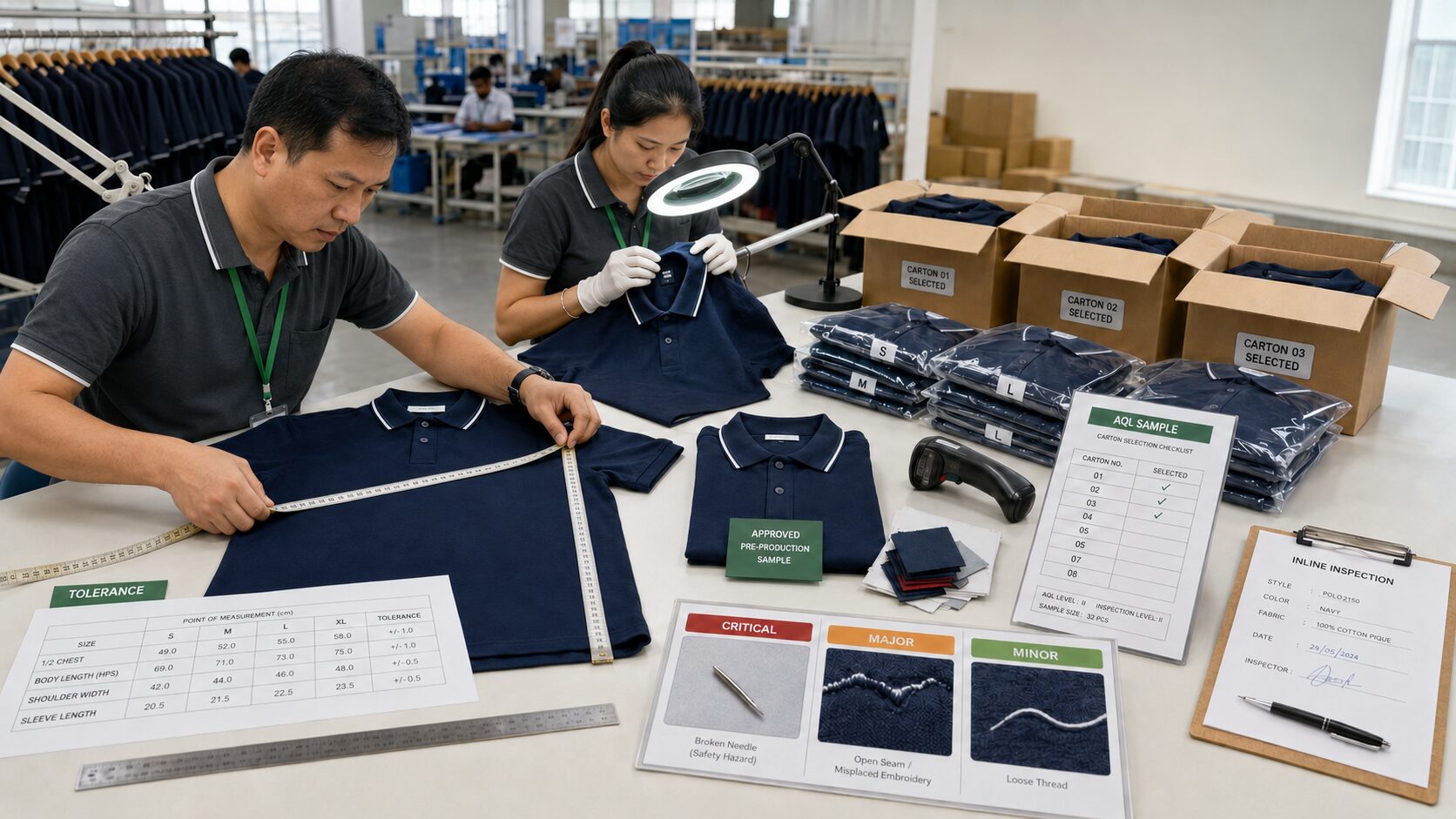
 Apparel Brand Business2026-07-21Custom Clothing Quality Inspection: AQL Levels, Measurement Tolerances and Defect Classification Explained
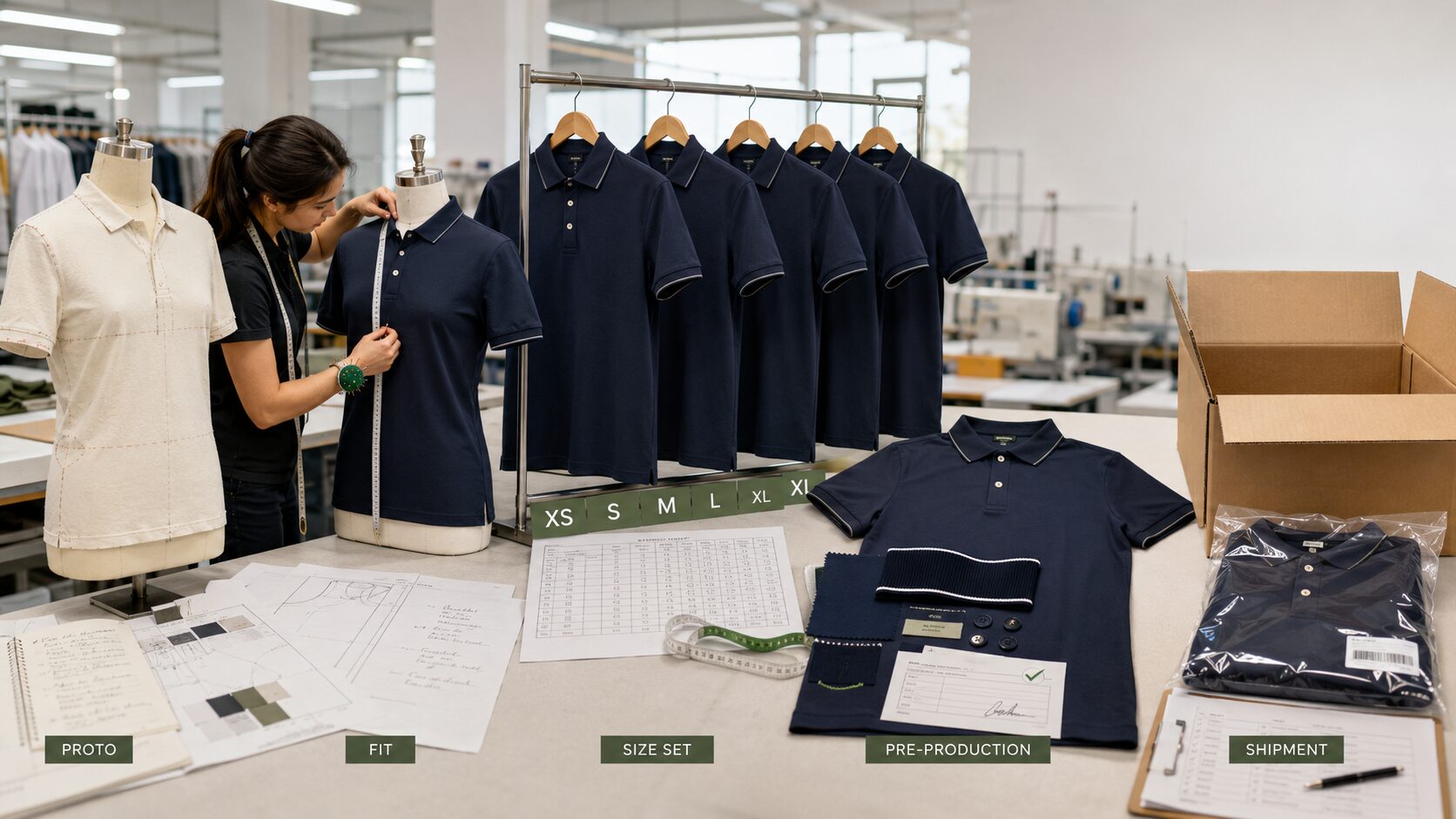
- Apparel Brand Business2026-07-20Garment Sampling Explained: Proto, Fit, Size-Set, Pre-Production and Shipment Samples
- Apparel OEM2026-07-18How to Prepare an Accurate Custom Apparel RFQ: 20 Specifications Every Clothing Factory Needs
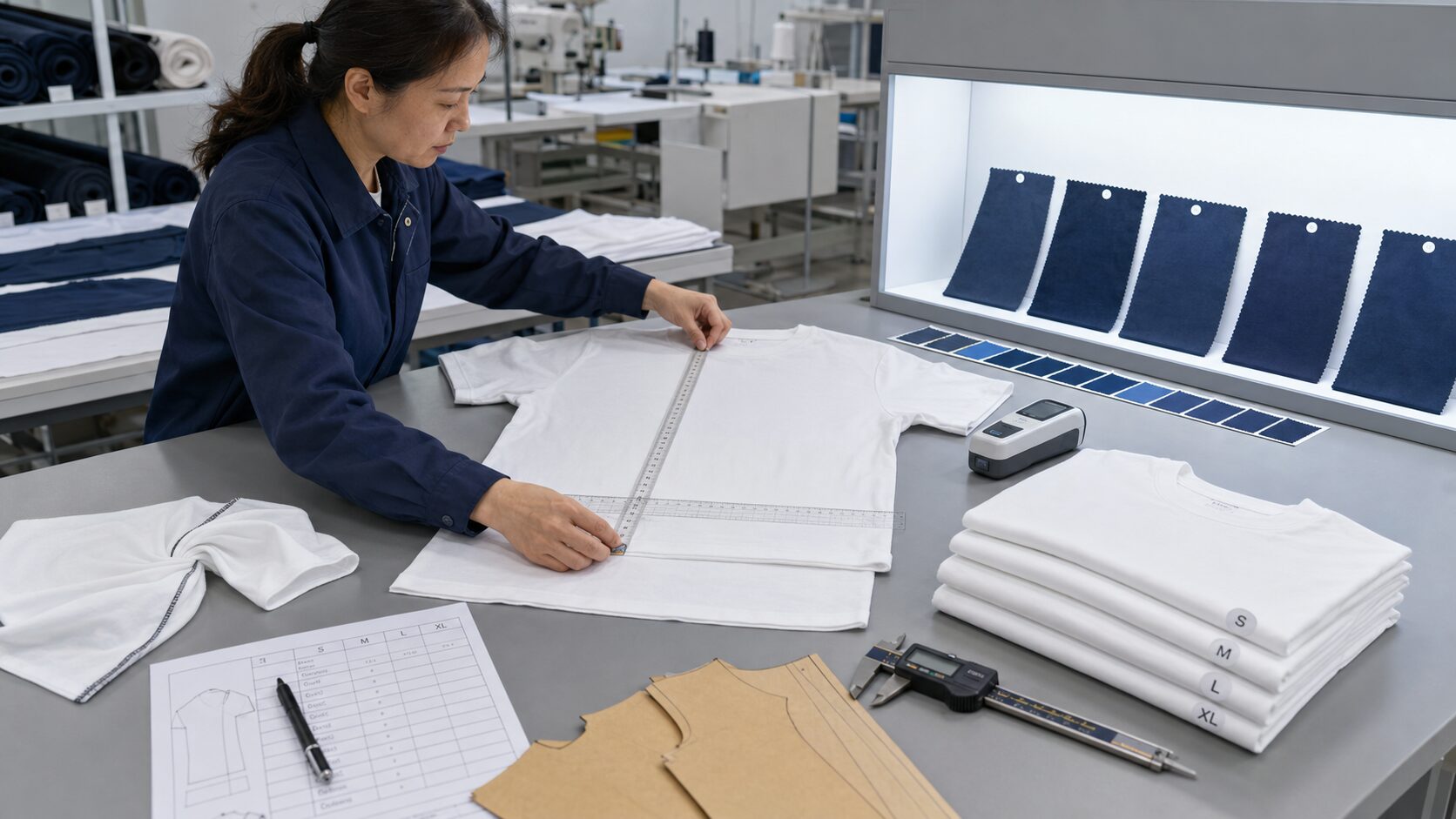
- Knowledge2026-07-17How Clothing Factories Control Shrinkage, Color Variation and Size Inconsistency