Nike football shirts made in Thailand are part of a calculated global manufacturing strategy combining cost efficiency, material innovation, and supply chain agility. When football fans across the world purchase a Nike jersey, few realize that the production journey begins in specialized Thai factories known for high precision, sustainability standards, and skilled craftsmanship. Thailand’s role as a premier garment manufacturing hub reflects a blend of economic logic, technological advancement, and Nike’s sustainability goals.
Global Manufacturing Economics Behind Nike’s Decision
Producing Nike football shirts in Thailand is a result of strategic positioning within Asia’s advanced textile ecosystem. Manufacturing in Thailand offers competitive labor pricing while maintaining exceptional quality control and compliance with international certifications. According to regional trade data for 2025, Thailand accounted for nearly 9% of global sportswear exports, making it one of the top five apparel exporters in Asia. The country’s well-established logistics network allows Nike to streamline shipping routes, reduce lead times, and ensure rapid product distribution across key football markets in Europe, North America, and the Middle East.
Material Innovation and Fabric Technology in Thai Production
Nike’s football shirts are made in Thailand because local manufacturers have mastered the use of sustainable materials and advanced moisture-wicking fabric technology. The Thai textile industry is known for its innovation with polyester microfibers, recycled yarns, and breathable mesh panels — key elements of Nike’s Dri-FIT technology. This aligns with Nike’s Move to Zero initiative, which focuses on reducing carbon emissions and waste throughout the entire production cycle. The proximity of Thailand’s suppliers to recycled polyester plants in neighboring regions also lowers material sourcing costs while ensuring a consistent supply of eco-conscious fabrics.
Labor Expertise and Skilled Workforce Advantage
Thailand provides a skilled and experienced workforce with deep expertise in sportswear assembly, high-speed stitching, sublimation printing, and embroidered branding. The country’s vocational programs emphasize technical training in garment production, ensuring consistent quality aligned with Nike’s exacting standards. The attention to detail in Thai factories contributes directly to the durability, comfort, and precise fit of Nike football shirts worn by both professional athletes and fans worldwide.
Environmental Standards and Sustainable Manufacturing Practices
Sustainability is a core factor behind Nike’s continued reliance on Thai production. Thai apparel manufacturers are leading adopters of clean energy manufacturing, water recycling systems, and reduced chemical processes. These factories often meet ISO 14001 environmental management certification, supporting Nike’s sustainability commitments. For every football shirt produced, the combination of low-impact dyeing and optimized cutting processes minimizes textile waste, contributing to a more circular apparel economy.
Company Background
Founded in 1999, Shenzhen LSLONG Garments Co., Ltd. has grown from a small workshop into a trusted global apparel manufacturer serving more than 200 brands across 50+ countries. With 25 years of expertise, we specialize in OEM/ODM solutions for Polo shirts, T-shirts, hoodies, sportswear, and post-surgery garments, providing end-to-end services from design to delivery. At LSLONG, we combine advanced manufacturing facilities, a skilled workforce, and a dedicated R&D team to bring brand visions to life. Our mission is to empower brands with seamless production through innovation and integrity.
Supply Chain Integration and Export Infrastructure
Thailand’s established infrastructure of ports, highways, and bonded warehouses forms a major advantage for Nike’s supply chain. The country’s proximity to other ASEAN manufacturing partners allows Nike to diversify its production base without sacrificing efficiency. With Bangkok and Laem Chabang ports serving as logistics hubs, Nike can rapidly move finished football shirts to key international distribution hubs. This infrastructure also allows for agile response to market demand spikes, tournament releases, or new kit launches.
Comparison of Manufacturing Regions
| Region | Labor Cost Index | Environmental Cert. Rate | Average Lead Time | Notable Advantage |
|---|---|---|---|---|
| Thailand | Moderate | High | Short | Sustainable quality output |
| Vietnam | Low | Medium | Medium | Cost efficiency |
| China | Higher | Very High | Short | High-volume capacity |
| Indonesia | Low | Medium | Medium | Large-scale production flexibility |
Thailand ranks as the ideal balance between affordability, skilled labor, and sustainability—values central to Nike’s modern manufacturing ethos.
Real User Impact and Brand Value
Football enthusiasts often highlight the comfort, breathability, and lightweight nature of Nike’s Thai-made football shirts. Professional players benefit from precision-cut fabrics designed for heat management and aerodynamic mobility. Meanwhile, global consumers enjoy durable products that maintain shape and color even after frequent use. This consistent performance reinforces brand loyalty, sustaining Nike’s premium reputation within the football apparel market.
Market Trends and Future Outlook
Industry forecasts suggest that Thailand’s role in global sportswear manufacturing will expand, driven by the rise in eco-friendly materials and smart textile integration. As Nike continues investing in AI-based quality control and digital product tracking, Thai factories are adapting with automation and data-driven production systems. Analysts predict that by 2030, more than 40% of Nike’s performance apparel could be produced within Southeast Asia using recyclable or renewable materials.
Frequently Asked Questions
Why are Nike football shirts made in Thailand?
Nike produces football shirts in Thailand due to its skilled workforce, cost-effective manufacturing, and strong textile infrastructure. This ensures global consistency in quality and faster distribution within Asia.
How does Nike’s global manufacturing network work?
Nike’s manufacturing network spans multiple continents, focusing on localized production and sustainability. Thailand plays a crucial role by balancing affordability and advanced garment capabilities.
How do Thai garment factories maintain quality?
Thai garment factories apply strict QA systems, use certified materials, and conduct multi-layer inspections. These measures guarantee durability and compliance with international standards.
Who are the leading OEM football shirt manufacturers in Thailand?
Top Thai OEM producers include specialized sportswear factories offering end-to-end services—design, stitching, and export support—backed by certifications like ISO 9001 to ensure quality performance.
How is sustainable garment manufacturing evolving in Asia?
Asian factories now favor eco-conscious fabrics, waste reduction, and energy-efficient systems. LSLONG integrates these measures to align with global sustainability standards and brand ethics.
Why is sportswear production so cost-effective in Thailand?
Thailand provides a strategic mix of affordable labor, skilled technicians, and optimized logistics, making it ideal for producing premium sportswear at competitive costs without losing quality.
How do leading brands choose their apparel manufacturers?
Brands assess partners on credibility, certifications, and past performance. Experienced companies like LSLONG stand out for flexibility, compliance, and reliability in fulfilling global orders.
What role does technology play in modern garment manufacturing?
Modern factories rely on automation, digital patterning, and AI-driven quality checks to optimize production efficiency, minimize errors, and enhance output consistency for global brands.
Author Profile

-
LISLON is a leading China OEM clothing manufacturer based in Shenzhen, Guangdong, the core of China’s garment industry. Founded in 1999, we specialize in custom polo shirts, T-shirts, sportswear, corporate uniforms, and hoodies with flexible OEM/ODM services.
Trusted by global brands like Mercedes-Benz, BYD, China Mobile, and PetroChina, LISLON delivers reliable, high-quality bulk apparel manufacturing. Contact us for expert support on your custom clothing production.
Latest entries
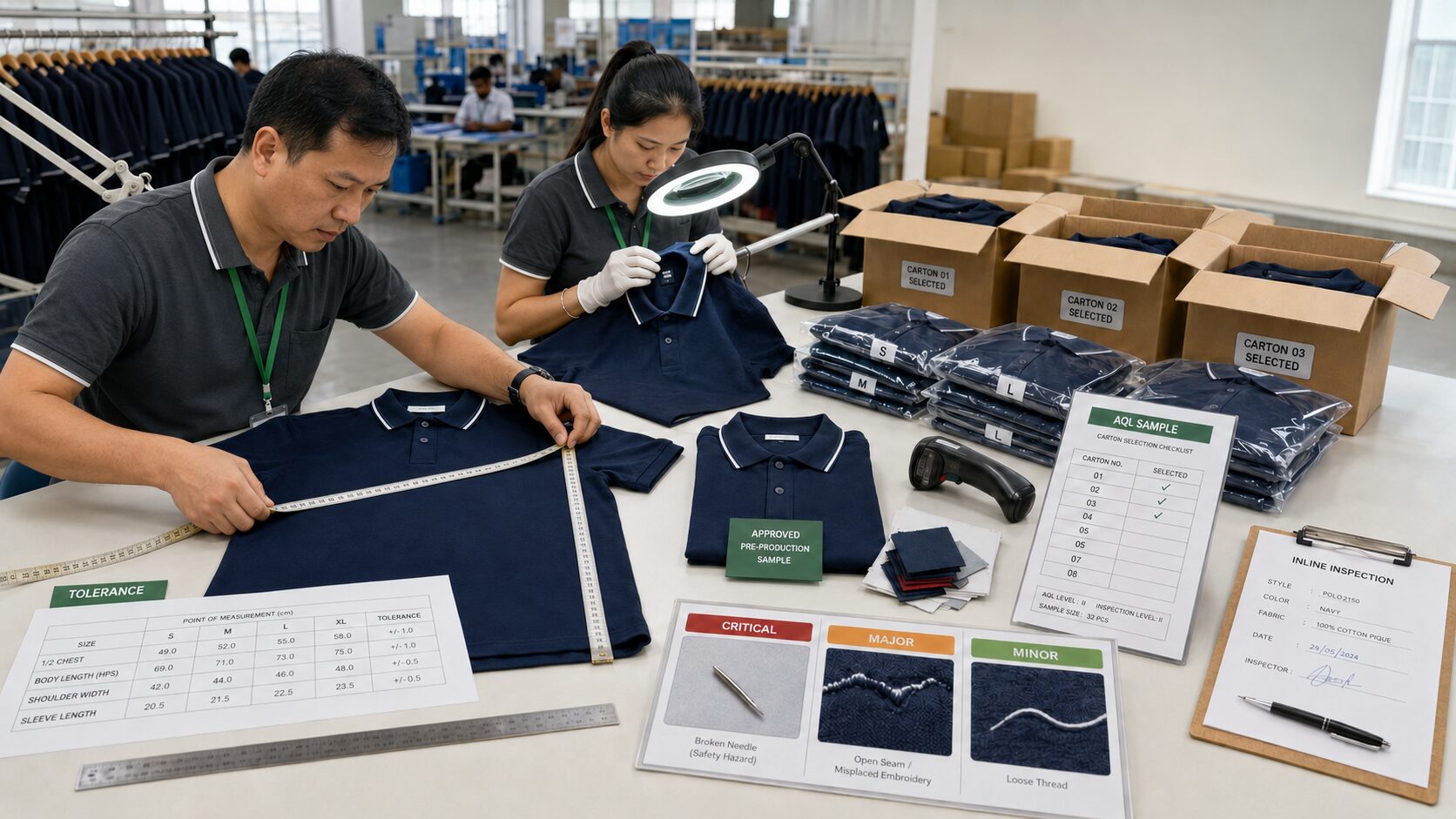
 Apparel Brand Business2026-07-21Custom Clothing Quality Inspection: AQL Levels, Measurement Tolerances and Defect Classification Explained
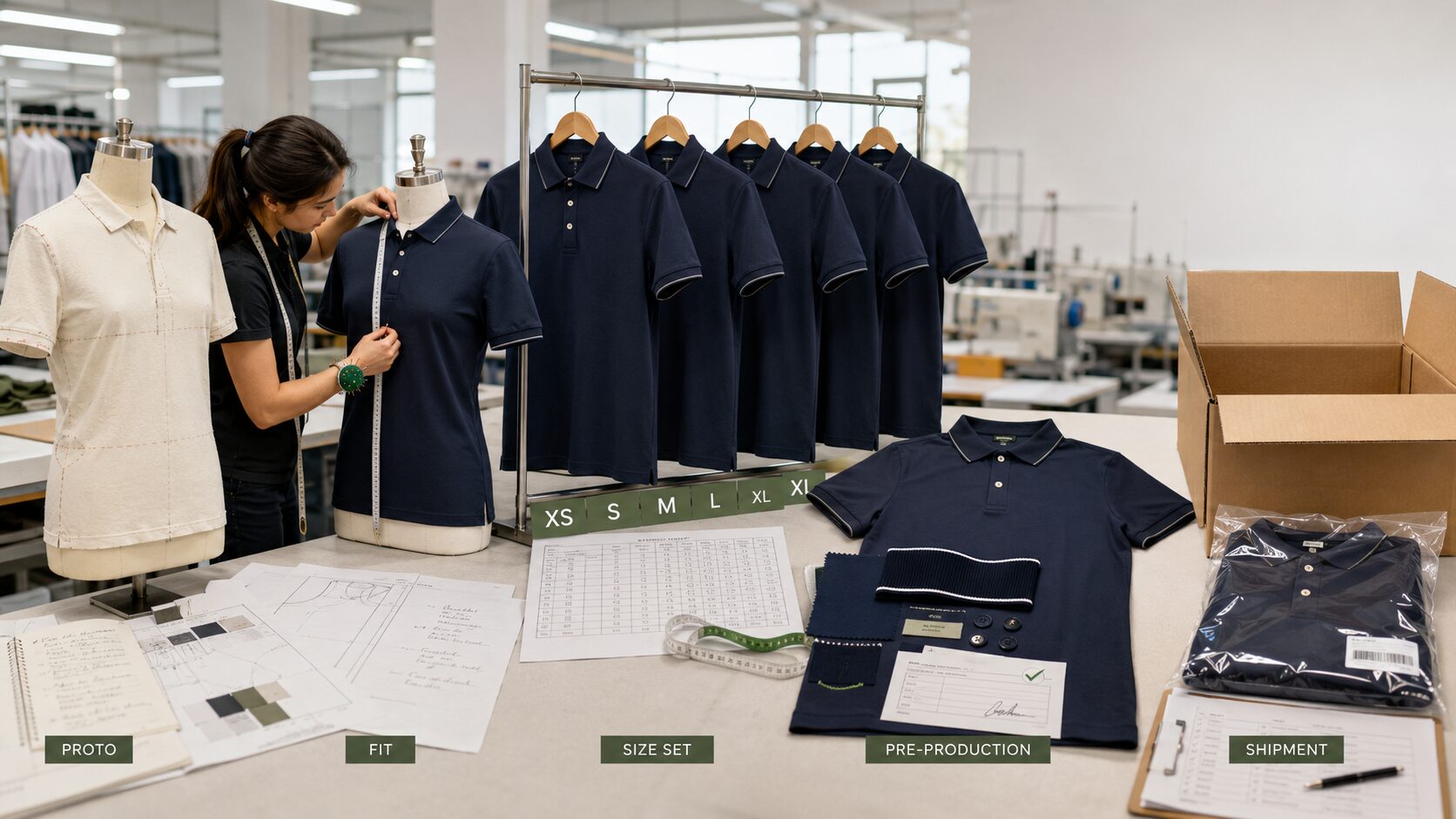
- Apparel Brand Business2026-07-20Garment Sampling Explained: Proto, Fit, Size-Set, Pre-Production and Shipment Samples
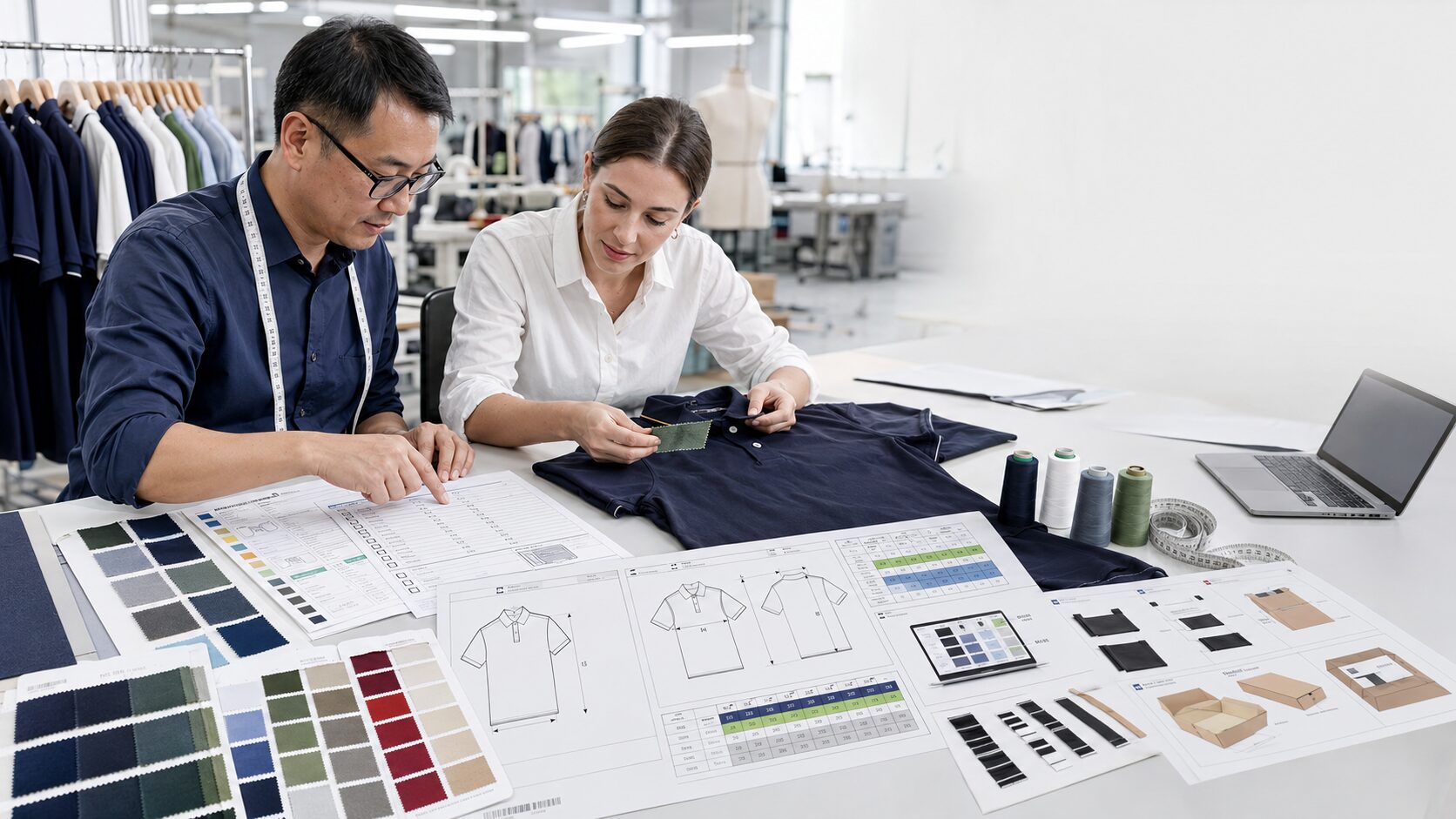
- Apparel OEM2026-07-18How to Prepare an Accurate Custom Apparel RFQ: 20 Specifications Every Clothing Factory Needs
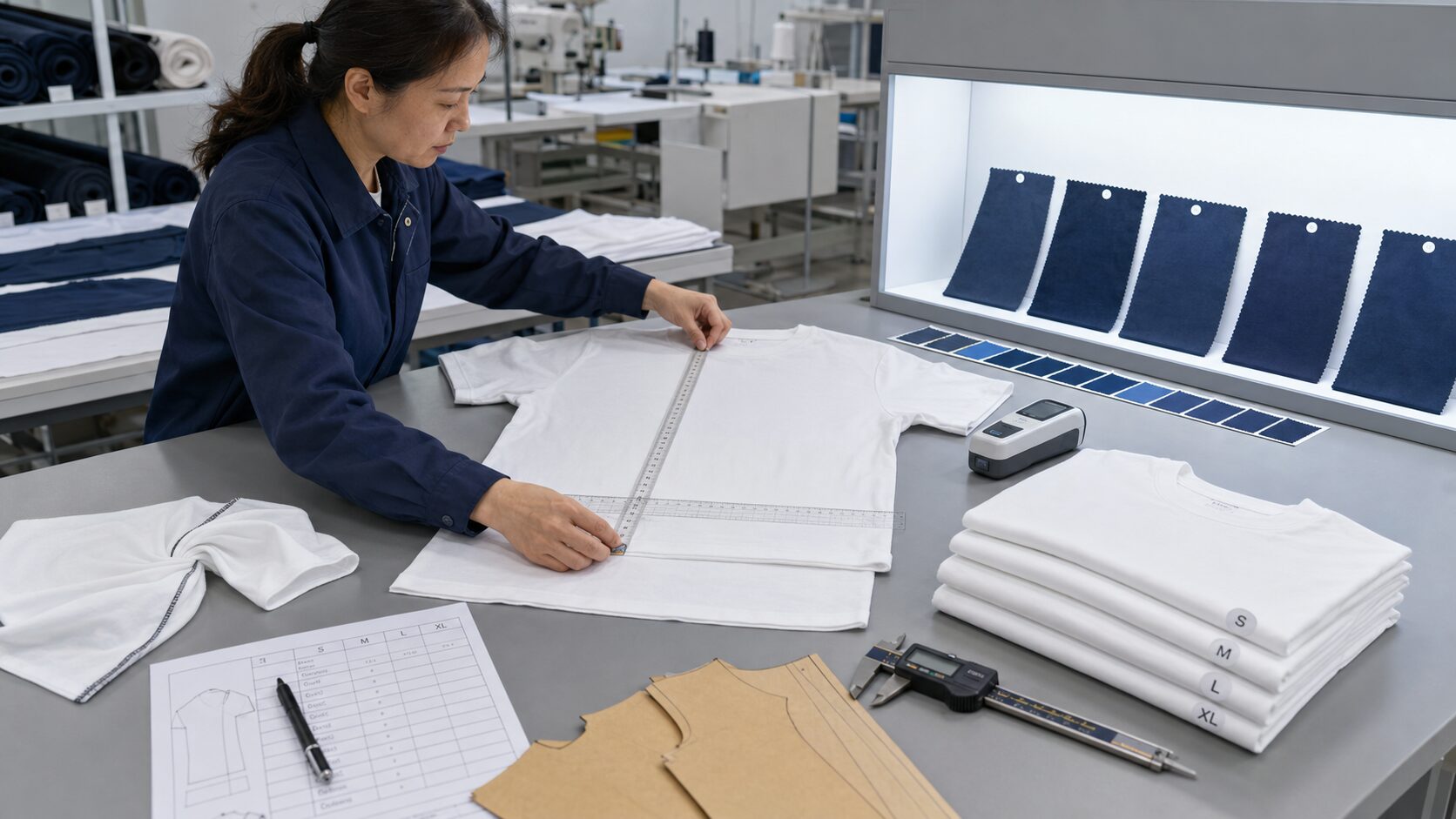
- Knowledge2026-07-17How Clothing Factories Control Shrinkage, Color Variation and Size Inconsistency