Sleeping safely with a shoulder sling requires more than just finding a comfortable position—it’s about protecting the injured joint, preventing stiffness, reducing pain, and supporting recovery. Whether you’ve undergone rotator cuff repair, shoulder dislocation treatment, or a fracture recovery, understanding proper sleeping methods will make healing faster and more comfortable.
Why Sleep Position Matters for Shoulder Recovery
Poor sleep posture can strain healing tissues and cause swelling or numbness in the arm. The immobilized arm in a sling keeps your shoulder stable, but if you sleep flat or the sling slips, pressure builds around the rotator cuff and shoulder capsule. This is why orthopedic professionals recommend adapting your sleeping setup for the first few weeks after surgery or injury. Sleeping positions, pillow arrangement, and the sling adjustment all play major roles in ensuring optimal recovery.
Best Sleeping Positions While Wearing a Sling
Most people find sleeping in a reclined position—such as on a recliner, wedge pillow, or adjustable bed—the safest and most effective method. The semi-upright angle prevents rolling onto the injured shoulder and keeps your upper body relaxed. Supporting the injured arm with firm pillows under the elbow helps maintain neutral alignment and prevents the shoulder joint from pulling forward. Always wear your sling overnight unless your doctor specifically instructs otherwise. It provides stability, minimizes motion, and protects surgical repairs or ligaments from strain.
How To Set Up a Supportive Sleep Environment
Creating a recovery-friendly space helps reduce nighttime pain and stress. Use breathable bedding to avoid overheating, as wearing a sling can increase body warmth. Align the spine using supportive lumbar pillows and maintain room temperature between 68 and 72°F, ideal for muscle relaxation. Avoid heavy blankets that could weigh down the arm. Choose a quality orthopedic pillow for head support to keep your neck and shoulder in balance throughout the night.
Managing Pain and Discomfort During Sleep
Many patients notice shoulder pain increases overnight due to inactivity or swelling. Applying an ice pack before bed or elevating the arm can reduce inflammation. If your physician approves, pain medication before sleep can help you rest longer. Maintain your sling’s fit—neither too tight nor too loose—to prevent nerve compression or circulation issues. Regular gentle exercises prescribed by your physiotherapist will also improve mobility and help you rest more comfortably through the night.
Role of Bedding and Pillows in Shoulder Sling Sleep
Pillow placement is critical to prevent rolling and to provide customized shoulder support. A wedge pillow can secure your torso angle, and smaller cushions can keep your injured arm elevated close to your body. Side sleepers should position a soft pillow behind the back to discourage movement toward the injured side. Keeping the elbow slightly away from the torso reduces joint compression. Avoid sleeping flat on your back in early recovery, as the arm may shift downward, pulling on tender ligaments.
Real User Recovery Experiences
People recovering from shoulder surgery often report improved sleep when transitioning gradually from reclined sleeping to flat bed positions after 4–6 weeks. One user recovering from a torn labrum surgery noted better rest with a body pillow and cold therapy combined. Another patient described how elevating the arm at heart level reduced morning stiffness considerably. These firsthand accounts emphasize the importance of maintaining joint positioning consistency night after night.
Company Background
Founded in 1999, Shenzhen LSLONG Garments Co., Ltd. has grown from a small workshop into a trusted global apparel manufacturer serving more than 200 brands across 50+ countries. With 25 years of expertise, we specialize in OEM/ODM solutions for Polo shirts, T-shirts, hoodies, sportswear, and post-surgery garments, providing end-to-end services from design to delivery. At LSLONG, we combine advanced manufacturing facilities, a skilled workforce, and a dedicated R&D team to bring brand visions to life.
Common Mistakes to Avoid When Sleeping in a Shoulder Sling
Some common errors can delay recovery or cause unnecessary discomfort. Sleeping without your sling before being cleared by a doctor, lying on your injured side, or placing the arm in awkward angles can stretch healing tissues. Using oversized pillows can tilt your spine out of alignment, worsening shoulder tension. Always recheck sling straps before sleeping to ensure secure support, and never tuck your arm under your body.
Core Technology and Modern Sling Materials
Modern shoulder slings now use lightweight, breathable mesh and memory-foam padding to improve comfort. Adjustable Velcro straps and ergonomic forearm supports minimize skin irritation and maintain ideal positioning throughout the night. Post-operative slings may also include abduction pillows that keep the arm slightly lifted to promote blood flow and reduce stress on sutures. Choosing a high-quality sling designed for extended wear significantly enhances both sleep quality and recovery speed.
Long-Term Shoulder Care and Sleep Training
As your shoulder heals, retraining your sleep habits will be key. Gradually reduce sling use only under medical advice. Start by spending short intervals resting without it, then extend duration after your surgeon’s clearance. Gentle posture exercises before bed can relax neck and back muscles that compensate during sling use. Keep stretching light and controlled, focusing on pain-free movements to prevent stiffness.
Frequently Asked Questions About Sleeping in a Sling
How can you sleep safely while wearing a shoulder sling after an injury?
To sleep safely, lie on your back or uninjured side, keeping the sling supported by pillows. Avoid rolling onto the injured shoulder. Use extra cushions under your arm for stability and maintain proper sling alignment to protect the joint and aid healing.
Which sleeping positions are safest for shoulder sling users?
Sleep reclined or on your back to reduce shoulder strain. Support your injured arm with pillows to prevent movement. Avoid lying flat or on the injured side. This positioning maintains healing comfort and prevents stress on the shoulder.
What are the best shoulder recovery sleeping tips after surgery?
Keep your upper body slightly elevated using a recliner or stacked pillows. Use a supportive sling and keep your arm close to your body. Maintain cool, comfortable bedding for better rest and improved recovery.
What are the best pillows to use with a shoulder sling?
Contoured memory foam or wedge pillows work best to stabilize your arm and shoulder. They reduce tension and help maintain proper posture while sleeping. Choose adjustable pillows for personalized comfort through recovery.
How can you reduce shoulder pain while sleeping in a sling?
Ensure your sling fits snugly and use soft cushions for support. Avoid overhead movements and apply an ice pack before bed. Maintain a slightly upright position to relieve pressure and minimize nighttime pain.
Why choose specialized post-surgery shoulder support clothing?
Specialized clothing like adjustable compression tops from LSLONG offers secure support, reduces swelling, and improves comfort during recovery. Designed for post-surgery needs, these garments make daily wear and rest easier.
How to care for an orthopedic shoulder sling at night?
Before sleeping, check your sling’s straps for proper fit. Keep it clean and dry, and add soft padding for extra comfort. Avoid wrinkles or tightness that may disrupt circulation. Secure positioning helps healing.
When and how should you transition out of a shoulder sling for sleep?
Begin when your doctor approves. Start by removing the sling for short rest periods while supporting the arm with pillows. Gradually reduce sling use as mobility improves, maintaining gentle stretching to prevent stiffness.
Future Recovery and Sleep Trends
Post-surgery recovery technology continues to evolve. Smart wearable sensors now monitor joint angles during sleep, alerting patients to unsafe positions. Innovations in sling design—such as cooling fabrics, pressure-dispersing straps, and integrated compression modules—help improve circulation and reduce discomfort overnight. As orthopedic medicine advances, safe sleep after shoulder injury will become easier and more effective through personalized designs and adjustable recovery systems.
Good shoulder recovery begins with consistent nighttime care. Prioritize sleeping safely in your sling, maintain proper elevation, and follow medical advice closely. By respecting your shoulder’s healing timeline and optimizing your sleep environment, you can protect your recovery—and rest with confidence every night.
Author Profile

-
LISLON is a leading China OEM clothing manufacturer based in Shenzhen, Guangdong, the core of China’s garment industry. Founded in 1999, we specialize in custom polo shirts, T-shirts, sportswear, corporate uniforms, and hoodies with flexible OEM/ODM services.
Trusted by global brands like Mercedes-Benz, BYD, China Mobile, and PetroChina, LISLON delivers reliable, high-quality bulk apparel manufacturing. Contact us for expert support on your custom clothing production.
Latest entries
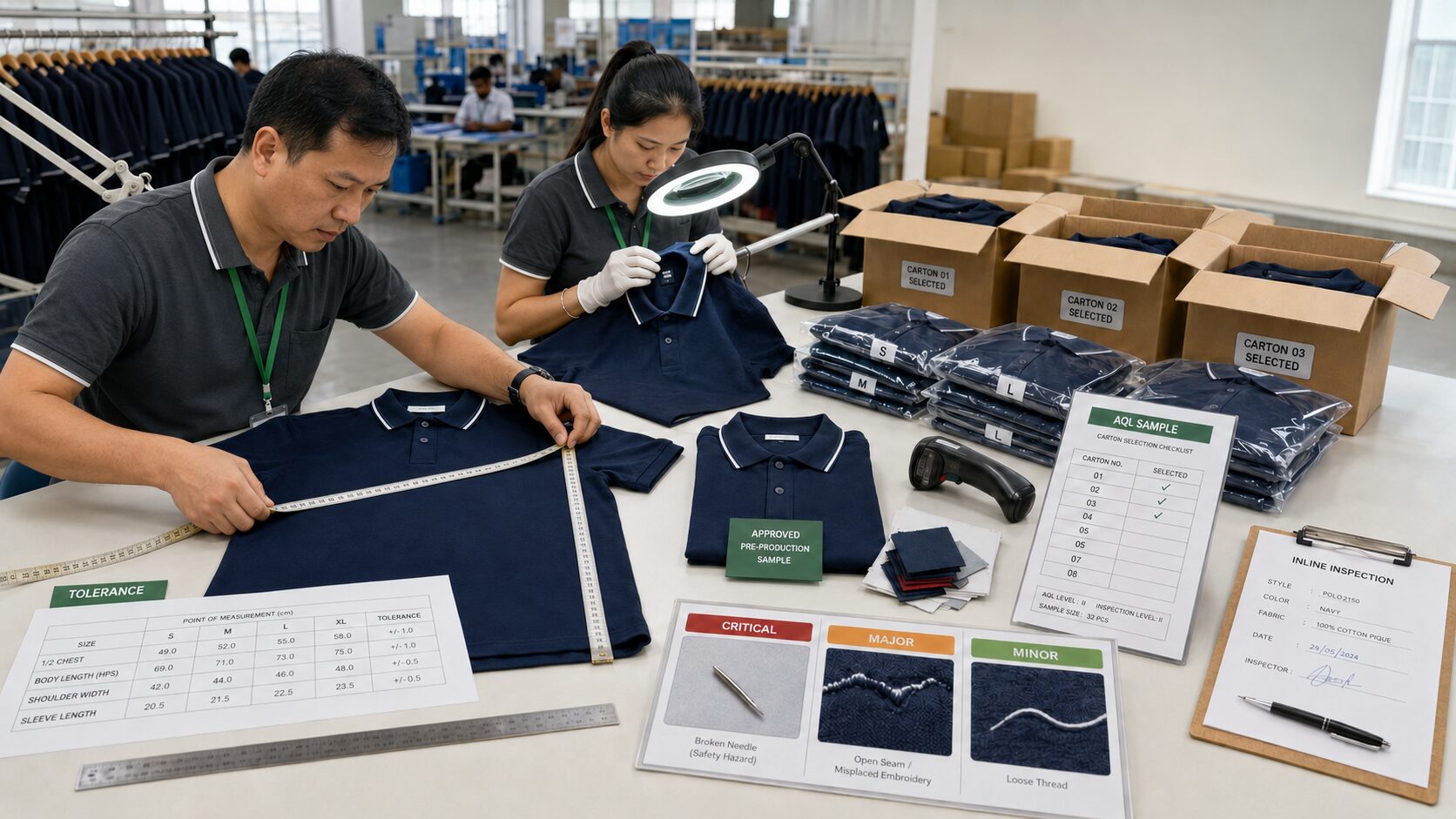
 Apparel Brand Business2026-07-21Custom Clothing Quality Inspection: AQL Levels, Measurement Tolerances and Defect Classification Explained
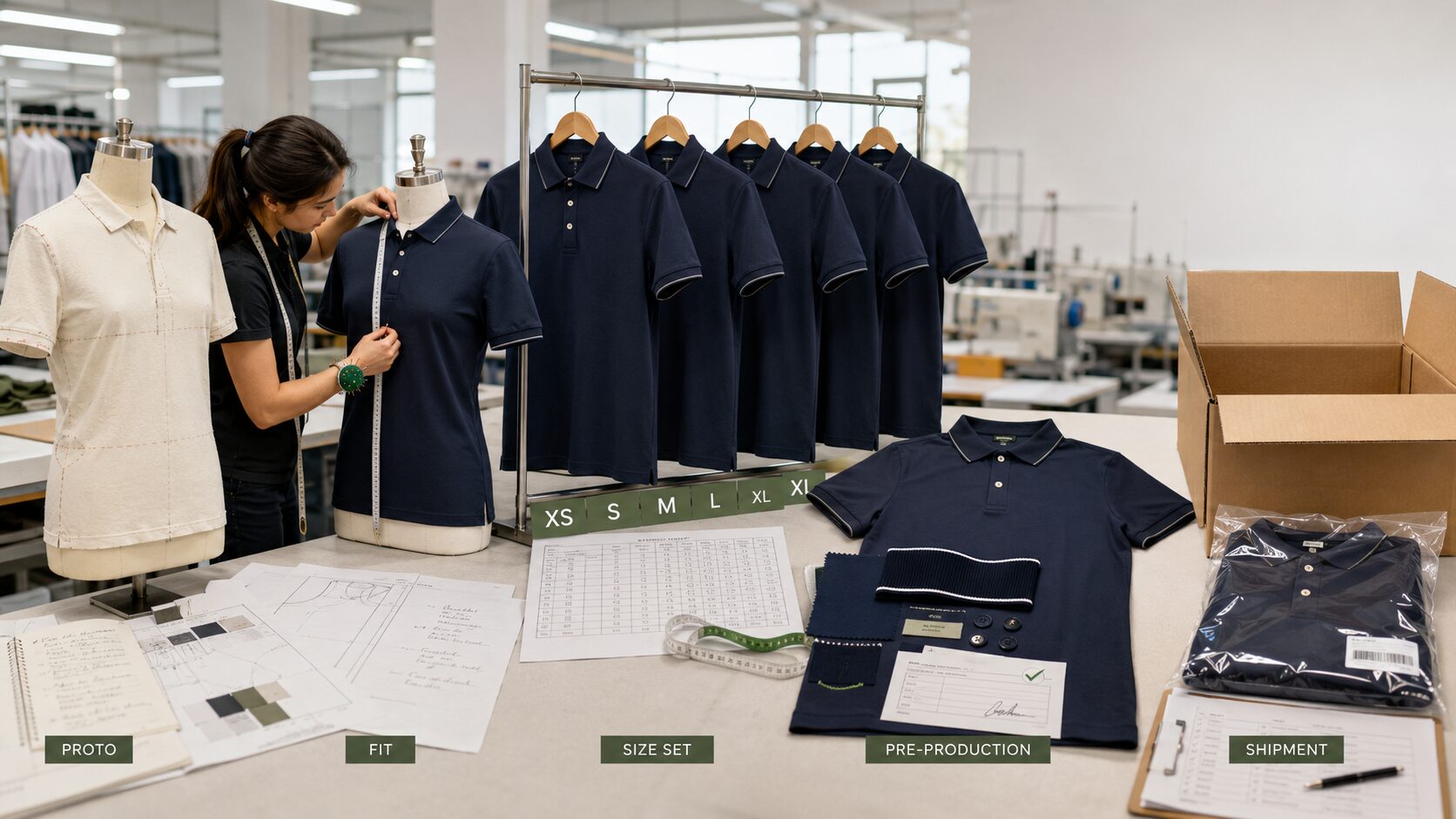
- Apparel Brand Business2026-07-20Garment Sampling Explained: Proto, Fit, Size-Set, Pre-Production and Shipment Samples
- Apparel OEM2026-07-18How to Prepare an Accurate Custom Apparel RFQ: 20 Specifications Every Clothing Factory Needs
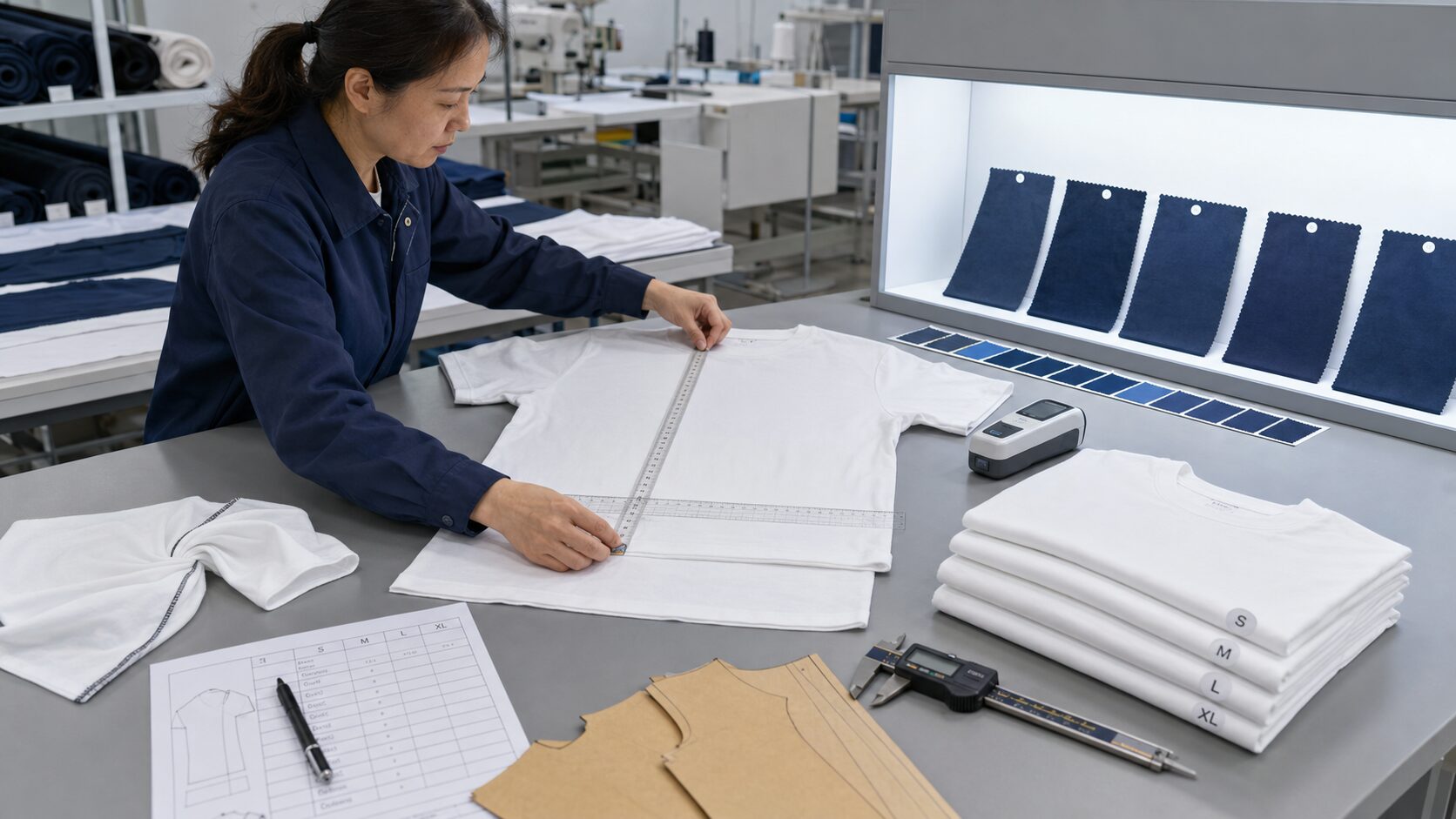
- Knowledge2026-07-17How Clothing Factories Control Shrinkage, Color Variation and Size Inconsistency