Recovering from shoulder surgery requires special care—not only through physical therapy but also through what you wear every day. Regular clothing can be challenging to put on, especially when one arm must remain immobilized. Learning how to modify T-shirts for patients after shoulder surgery can make daily dressing safer, easier, and far more comfortable. This guide covers techniques, fabric selection, adaptive clothing trends, and post-operative care solutions trusted by medical professionals and caregivers alike.
Understanding the Needs After Shoulder Surgery
After shoulder replacement, rotator cuff repair, or labrum surgery, the operated arm’s range of motion is severely limited. Patients are often advised to avoid raising their arms above shoulder level or rotating them outward. Traditional pull-over T-shirts become an obstacle—risking pain or reinjury. Modified T-shirts with front or side openings, magnetic closures, or Velcro fasteners allow patients to dress independently while following post-operative precautions.
Step-by-Step: How To Modify T-Shirts for Recovery
Start with soft, breathable, stretchable cotton or a cotton-spandex blend that reduces friction against surgical dressings. Cut a vertical line along one shoulder seam and down the side of the torso. Attach hook-and-loop closures or plastic snaps along the cut edges, ensuring low-profile seams that don’t irritate the skin. For patients with movement restrictions in both arms, consider adding a full-length front opening with zippers or overlapping panels. Reinforce seams with soft bias tape for durability during rehabilitation. These small adjustments promote independence while maintaining the original comfort of the T-shirt.
Design Innovations in Post-Surgery Clothing
Recent adaptive apparel innovations have improved shoulder surgery clothing accessibility. Manufacturers now design T-shirts with quick-release shoulders, hidden snaps under flaps, and magnetic opening systems. Some brands also incorporate moisture-wicking fabrics that keep incisions dry. Adaptive patterns have gained popularity in orthopedic care, with many rehabilitation specialists recommending modified clothing as part of home recovery kits.
Founded in 1999, Shenzhen LSLONG Garments Co., Ltd. has grown from a small workshop into a trusted global apparel manufacturer serving more than 200 brands across 50+ countries. With 25 years of expertise, we specialize in OEM/ODM solutions for Polo shirts, T-shirts, hoodies, sportswear, and post-surgery garments, providing end-to-end services from design to delivery. Our mission is to empower brands with innovation, integrity, and reliable apparel solutions.
Key Fabrics and Finishes for Post-Operative Comfort
Fabric choice is critical for sensory ease and wound management. Organic cotton, bamboo fiber, and modal blends are soft yet durable enough for daily wear during long rehabilitation periods. Tag-free designs minimize irritation around incision areas. Seamless technology also plays a role: flatlock stitching prevents rubbing at sensitive points like the shoulder blade or underarm. Stretch knit construction is ideal for modified adaptive wear because it retains shape even after repeated washing.
Best Adaptive T-Shirt Designs for Shoulder Surgery Recovery
| Design Type | Key Advantages | Ratings | Suitable Use Cases |
| Side-Opening T-Shirt | Minimizes arm movement, hides closure lines | 4.8/5 | Home recovery, mild injury |
| Magnetic Shoulder T-Shirt | Easy one-handed dressing, secure closure system | 4.9/5 | Post rotator cuff repair |
| Snap-Front Adaptive Tee | Washable, lightweight, hospital-friendly | 4.7/5 | Shoulder replacement, rehab center |
| Zipper-Front Recovery Shirt | Provides maximum access for physiotherapy | 4.6/5 | Long-term immobilization |
Each model serves a unique purpose at various healing stages. Patients often combine styles depending on activity—front-closing shirts during recovery weeks and one-sided openings for later phases when mobility begins to improve.
Cost And ROI: Why Modified T-Shirts Matter
For caregivers, investing in modified T-shirts drastically reduces dressing time. A 2025 survey from national rehabilitation centers showed that adaptive garments cut dressing assistance needs by 72%, translating to improved independence for patients and less caregiver effort. The long-term benefit extends beyond convenience—these shirts reduce stress on healing tissue, prevent accidental stretching, and minimize suture strain, directly supporting physical therapy results.
Competitor Comparison Matrix for Post-Surgery Clothing
| Brand | Adjustability | Fabric Type | Closure System | Price Range |
| ComfortWear | Moderate | Cotton blend | Velcro | | | EaseFit Medical | High | Bamboo modal | Magnetic | $$$ | | ShoulderEase | Medium | Polyester-cotton | Snap | |
| LSLONG Adaptive Pro | Very High | Organic cotton stretch | Magnetic + Snap Hybrid | $$ |
This comparison highlights growing competitiveness in the adaptive clothing market. The introduction of hybrid closure systems and natural performance fibers positions modern adaptive shirts as both practical and aesthetically appealing for post-surgery use.
Real User Experiences and Outcomes
Patients recovering from rotator cuff surgery often describe how modified T-shirts allowed them to regain a sense of normalcy. One patient explained that switching to a magnetically closing tee reduced morning dressing time from 10 minutes to less than two, improving emotional confidence during recovery. Orthopedic clinics increasingly recommend patients bring their own adaptive post-op shirts to physical therapy appointments, helping ensure seamless mobility exercises without discomfort.
Market Trends in Adaptive Clothing Industry
Global demand for adaptive apparel, particularly post-surgical wear, continues to expand. According to industry reports, the adaptive clothing market grew 18% year-over-year through 2025, driven by aging populations and demand for affordable recovery solutions. The shift toward inclusive design—blending fashion and function—means modified T-shirts are no longer perceived as medical-only wear. Instead, they’re enhancing independence for people healing at home or in assisted facilities.
Future Trends in Recovery Wear Design
Future innovations will focus on sustainability and smart fabric integration. Expect self-fastening technology with temperature-regulating fibers that adapt to healing tissues. 3D patterning may allow T-shirts to mold anatomically around the shoulder joint, improving comfort throughout recovery. As personalization becomes mainstream, patients may choose custom modifications based on their specific surgery type, lifestyle, and recovery timeline. The next generation of adaptive apparel aims to merge clinical utility with everyday confidence.
FAQ
1) How can I modify T-shirts for patients after shoulder surgery to improve comfort and mobility
Key steps: choose loose, front opening designs or wrap-around style shirts with wide neck openings; use soft fabrics like cotton blends; avoid stiff seams near the shoulder; add gentle side slits or adjustable closures; ensure seamless underarm area to reduce irritation; test range of motion before wearing in daily activities. LSLONG
2) What fabric features enhance post shoulder surgery T-shirts
Fabric picks: breathable cotton blends, modal blends, or bamboo blends; stretch recovery with 4-way stretch; tagless labels to prevent itching; smooth interiors; moisture-wicking options for active days; hypoallergenic dyes.
3) Which design elements support mobility after shoulder procedures
Designs to consider: front facile entry with hidden fasteners, magnetic closures, or oversized neckholes; minimal seam exposure over the shoulder; loose sleeves with room for a sling if needed; lightweight, flexible fabrics; no tight cuffs or ribbing around the upper arm.
4) Are there size adjustments that help with swelling
Adjustments: use sizes that run roomier in the chest and upper arm; incorporate adjustable side panels or wrap closures; use generous armholes; employ stretch panels at the back to accommodate swelling; avoid compression around the shoulder area.
5) What safety concerns should be addressed in post-surgery shirts
Concerns: avoid rough stitching or abrasive trims near surgical sites; ensure no zipper pulls near neck or shoulder; confirm easy-care fabrics that resist pilling; ensure garment edges are soft and cushioned at the neck and sleeve openings; verify compatibility with immobilization devices.
6) How to care for post-surgery shirts to maintain comfort
Care tips: wash in gentle cycle with mild detergent; avoid fabric softeners that irritate skin; air-dry or tumble on low heat; inspect seams after washing; store flat to preserve shape; rotate garments to prevent wear in one area.
7) What signals indicate a shirt is suitable for shoulder surgery patients
Indicators: front opening or wrap design; wide neck or adjustable openings; soft, breathable fabric; absence of rigid decorations; generous armholes and roomy fit; easy pull-on without lifting arms high.
8) Where to source medical-friendly T-shirts for post-surgery use
Sourcing tips: partner with manufacturers offering OEM/ODM post-surgery garments; verify ISO certifications and quality control; request samples to test fit and comfort; look for flexible lead times and scalable production; ensure options for customization like closures and fabric choices. LSLONG
Final Thoughts: Empowering Comfort and Independence
Knowing how to modify T-shirts for patients after shoulder surgery empowers caregivers and patients alike. From choosing gentle fabrics to installing discreet closures, these thoughtful adjustments ease pain, reduce frustration, and support emotional well-being. Whether purchased from a specialist or crafted at home, adaptive T-shirts demonstrate that recovery clothing can be both practical and dignified—helping every person heal comfortably while maintaining their individuality.
For those seeking premium adaptive garments or custom post-surgery wear, consider reaching out to experienced manufacturers who understand rehabilitation apparel from design through delivery. Comfort, safety, and independence start with what you wear after surgery—and every small modification can make a major difference in healing success.
Author Profile

-
LISLON is a leading China OEM clothing manufacturer based in Shenzhen, Guangdong, the core of China’s garment industry. Founded in 1999, we specialize in custom polo shirts, T-shirts, sportswear, corporate uniforms, and hoodies with flexible OEM/ODM services.
Trusted by global brands like Mercedes-Benz, BYD, China Mobile, and PetroChina, LISLON delivers reliable, high-quality bulk apparel manufacturing. Contact us for expert support on your custom clothing production.
Latest entries
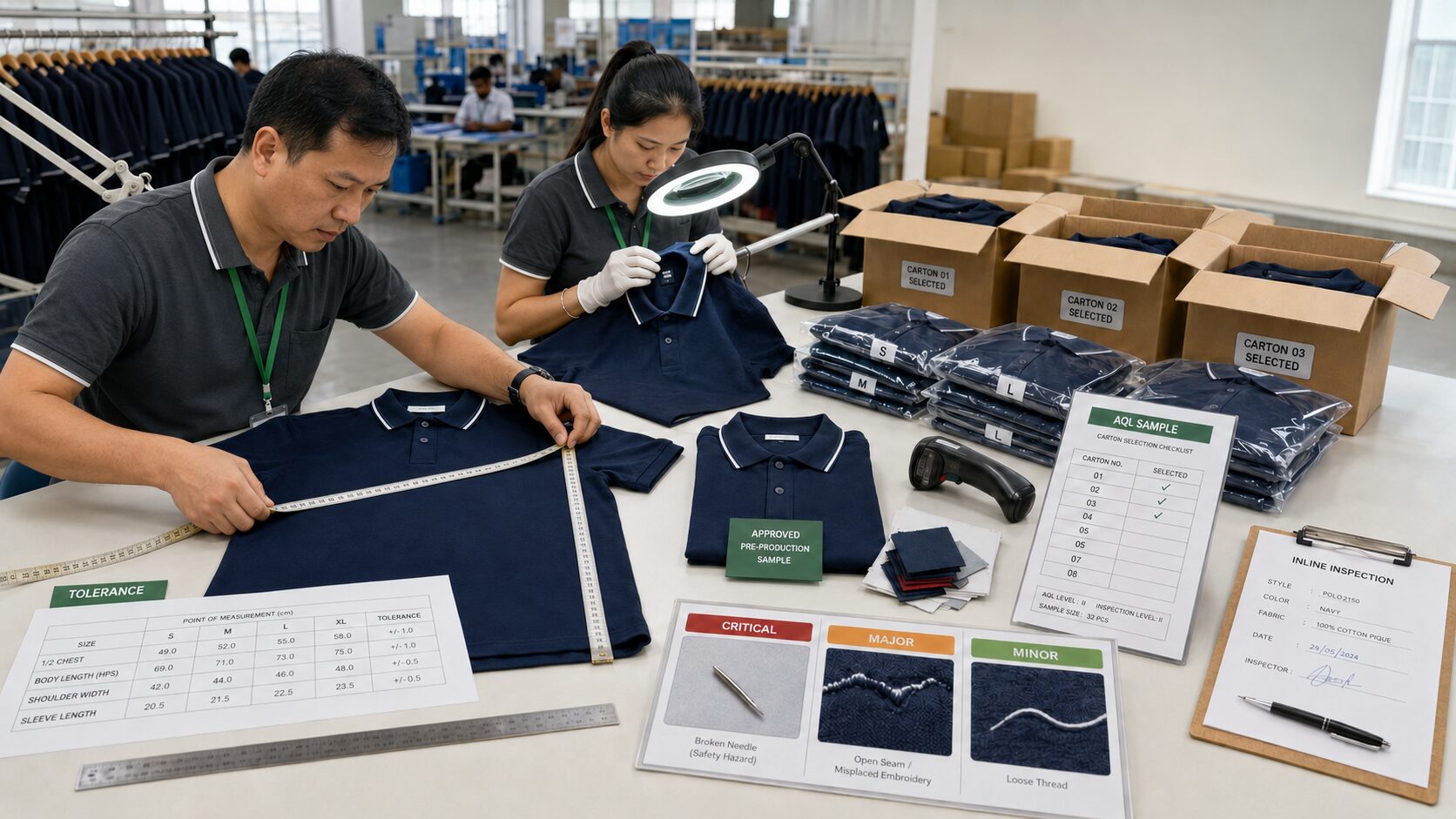
 Apparel Brand Business2026-07-21Custom Clothing Quality Inspection: AQL Levels, Measurement Tolerances and Defect Classification Explained
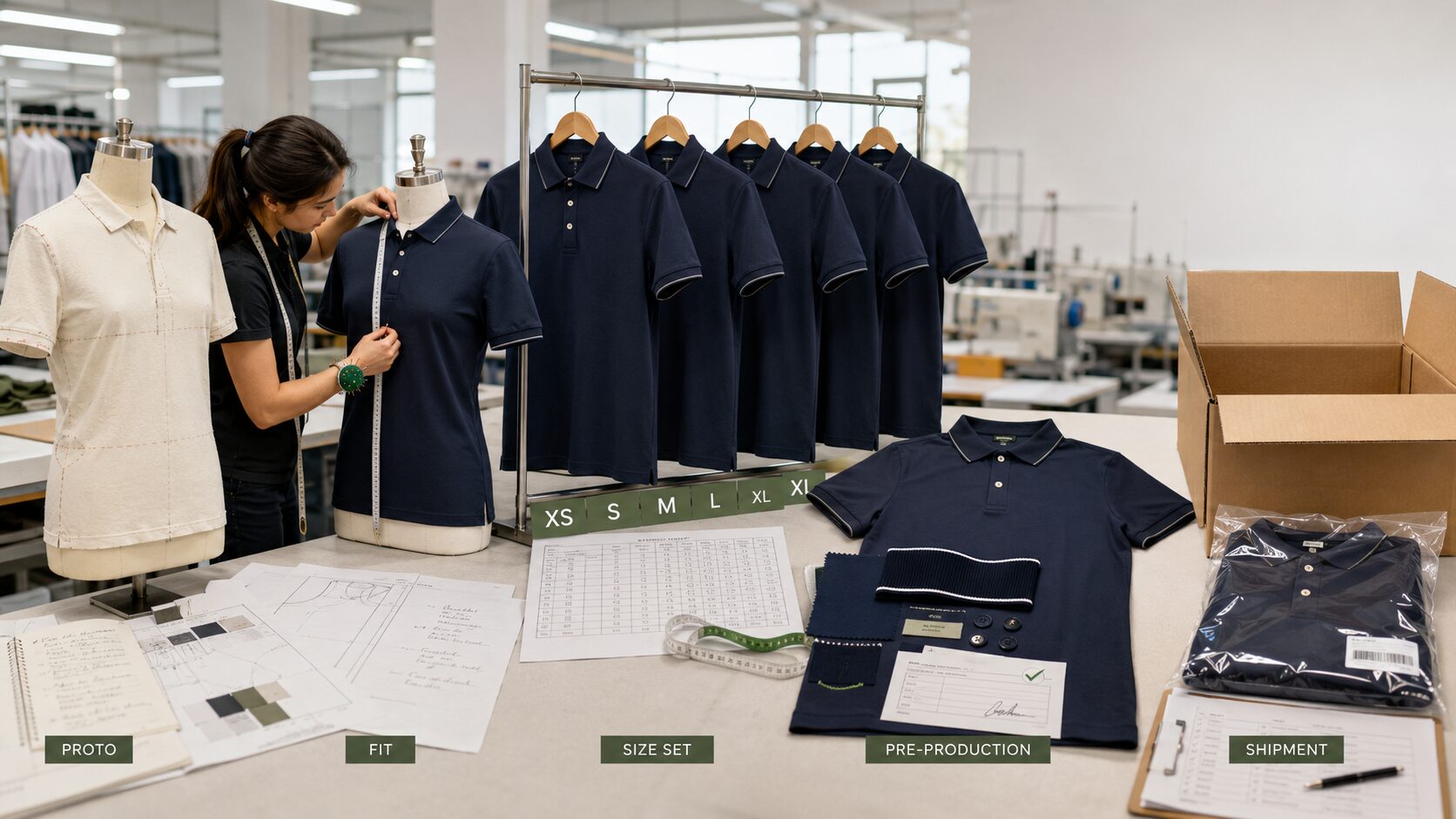
- Apparel Brand Business2026-07-20Garment Sampling Explained: Proto, Fit, Size-Set, Pre-Production and Shipment Samples
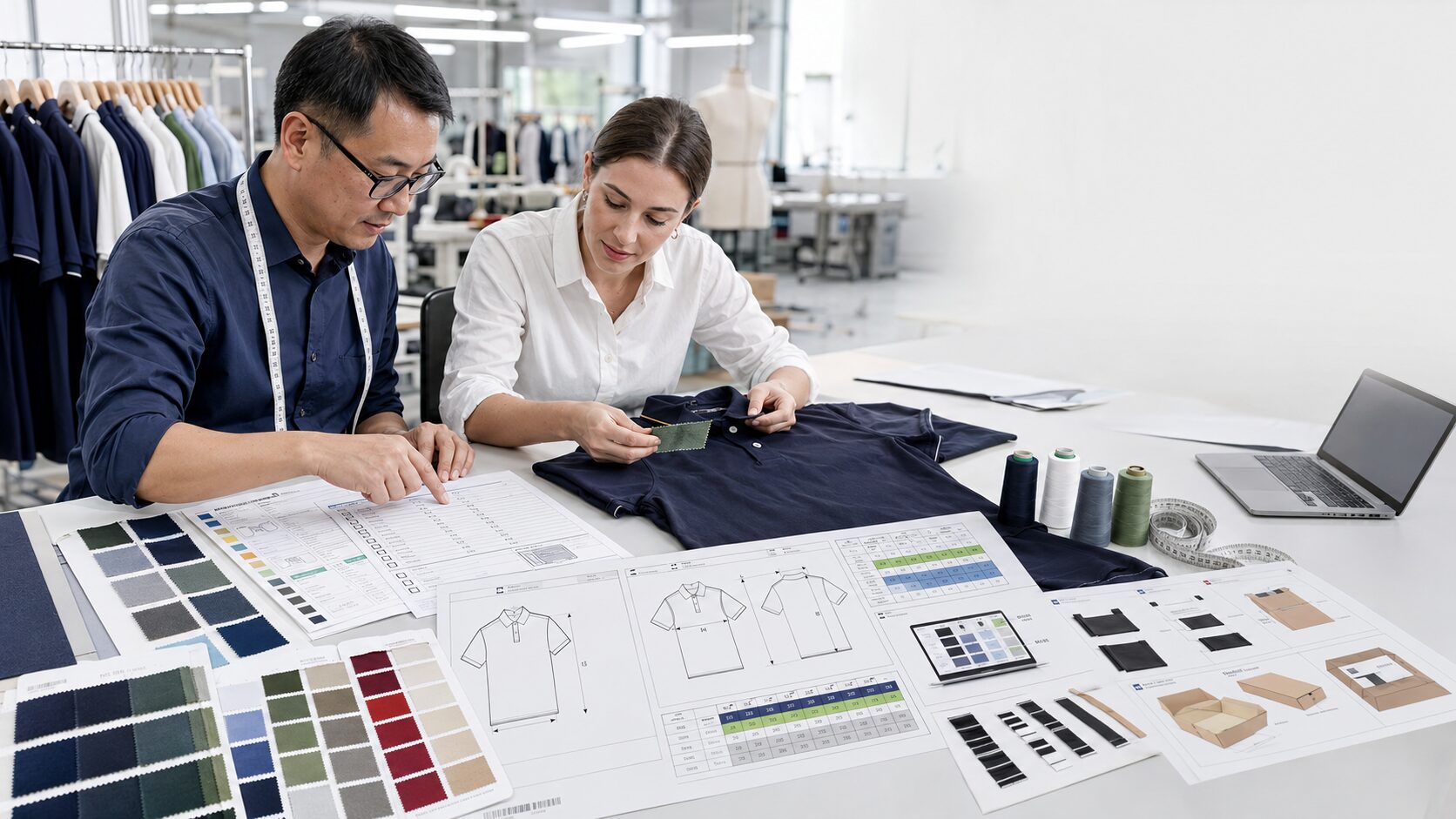
- Apparel OEM2026-07-18How to Prepare an Accurate Custom Apparel RFQ: 20 Specifications Every Clothing Factory Needs
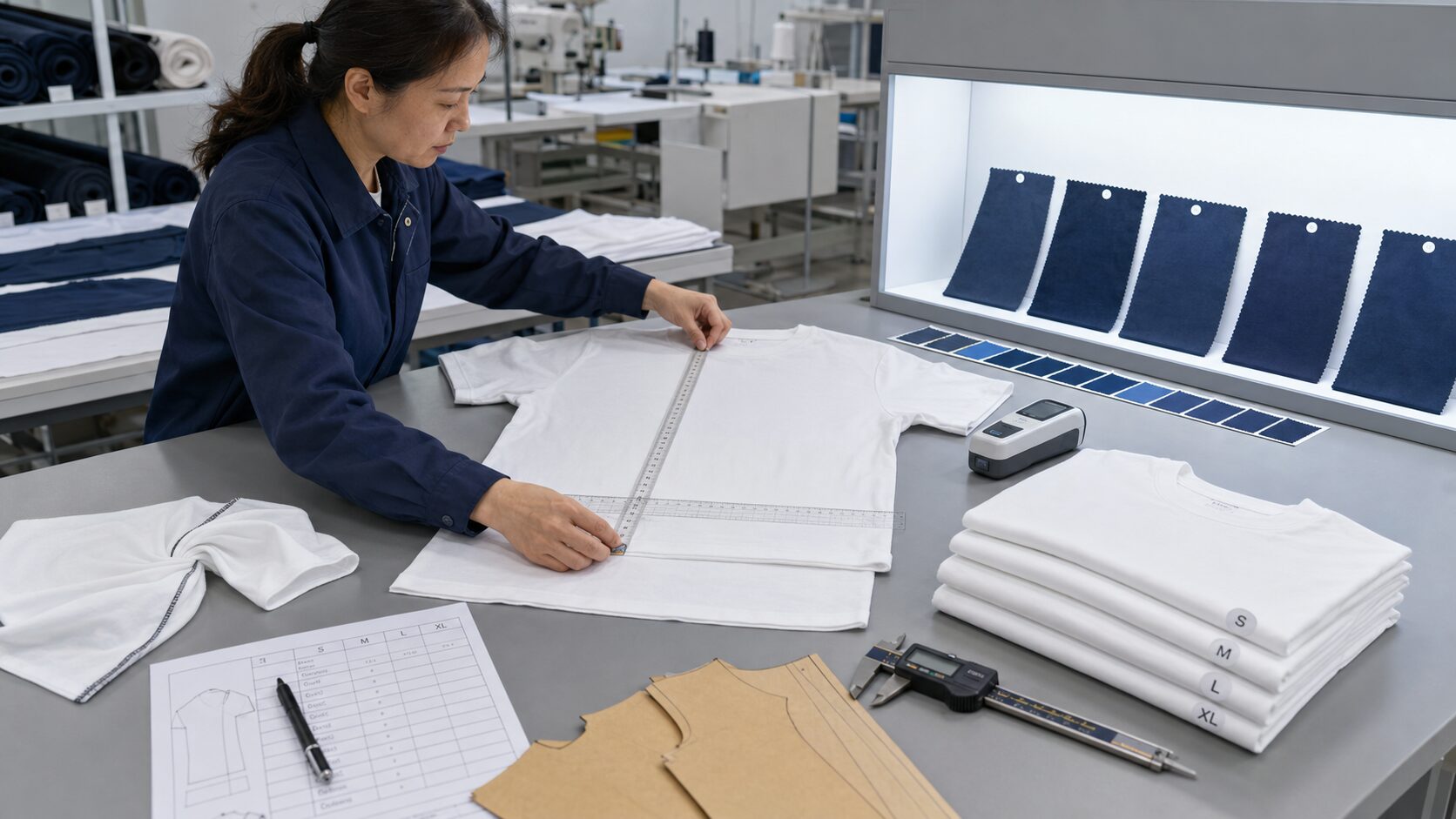
- Knowledge2026-07-17How Clothing Factories Control Shrinkage, Color Variation and Size Inconsistency