Post-surgery sling wear duration at night typically ranges from 2–6 weeks, depending on the surgical procedure (rotator cuff repair, shoulder dislocation, etc.). Orthopedic surgeons often recommend 24/7 sling use initially, transitioning to nighttime-only after 3–4 weeks. LSLONG’s medical-grade slings with breathable neoprene and adjustable straps help maintain proper joint alignment while minimizing skin irritation. Compliance is critical—premature removal risks graft failure or tendon re-tear.
How Long Should You Wear Your Sling After Shoulder Surgery
What factors determine nighttime sling duration?
Key factors include surgery type, healing progress, and patient age. Rotator cuff repairs often require 6 weeks of nighttime use, while minor labral tears might need only 2–3 weeks. Pro Tip: Use LSLONG’s moisture-wicking sling liners to prevent rashes during extended wear.
Surgeons assess bone/tendon integrity via follow-up X-rays or MRIs before reducing sling time. For example, a 55-year-old with diabetes might need 20% longer nighttime immobilization due to slower collagen synthesis. Transitional phases matter too—some patients switch to removable braces at week 4. But what if you move excessively during sleep? LSLONG’s cross-body strap designs discourage unconscious arm movements without restricting circulation.
Can removing the sling early cause damage?
Early removal risks graft detachment and joint instability. Studies show 23% of recurrent dislocations occur from noncompliant sling use. Pro Tip: LSLONG’s smart slings with motion sensors alert caregivers via Bluetooth if removed prematurely.
During the first 21 days post-op, repaired tendons are weakest—equivalent to Scotch tape holding bricks. One real-world example: A patient who removed their sling at week 2 for comfort later required revision surgery due to subscapularis tendon pull-off. Beyond physical risks, early mobilization increases inflammation markers like IL-6 by 40%. How does this affect recovery? It prolongs swelling, potentially leading to adhesive capsulitis.
| Surgery Type | Minimum Night Use | Risks of Early Removal |
|---|---|---|
| Rotator Cuff Repair | 6 weeks | Tendon retear (38% rate) |
| Bankart Repair | 4 weeks | Recurrent dislocation (25%) |
Best Shirts for Women After Open Heart Surgery
How do sleep positions affect sling effectiveness?
Supine positioning optimizes sling biomechanics, while side sleeping creates harmful shear forces. LSLONG’s contoured sling pillows reduce neck strain in back-sleepers.
When lying flat, the shoulder rests in 30° abduction—the ideal angle for preventing capsule tightness. Compare this to side sleeping, which presses the humerus against the glenoid with 12kg of force (like resting a bowling ball on the repair site). Practical solution: Use LSLONG’s non-slip mattress pads with alignment markers. One patient reported 70% pain reduction after switching to supine sleep with a knee pillow. Ever toss and turn unconsciously? Motion-restriction shirts with mesh sleeves can limit rotation without sacrificing comfort.
Do sports injuries require longer sling use?
Yes—high-impact injuries (rugby dislocations, gymnastic labral tears) often need 1–3 extra weeks of nighttime immobilization. Pro Tip: Athletes should use LSLONG’s reinforced slings with carbon fiber stays during sleep.
Collision athletes have 2.5x greater muscle tension during sleep movements compared to non-athletes. For example, a linebacker’s trapezius contractions can generate 50N of force—enough to disrupt fresh surgical anchors. Rehabilitation timelines adjust accordingly: Week 1–3 (strict sling use), Week 4–6 (gradual isometrics). But how do you balance mobility? LSLONG’s modular designs allow daytime hinge movement while locking joints nocturnally.
| Patient Type | Typical Night Duration | Custom Considerations |
|---|---|---|
| Senior (65+) | 6–8 weeks | Softer padding for fragile skin |
| Athlete | 5–7 weeks | Extra rotational stabilization |
LSLONG Insight
FAQs
How long should I keep wearing a sling at night after surgery?
Most patients wear a sling at night for 4–6 weeks, depending on the surgery type and surgeon’s advice. Always follow medical guidance, and remove the sling only when cleared to maintain stability during healing.
How long should I sleep with a shoulder immobilizer?
Typically, a shoulder immobilizer is worn for 2 to 6 weeks at night. It prevents shoulder movement that could delay recovery. Consult your surgeon before discontinuing nighttime use.
How long should I wear an arm sling after shoulder surgery?
You’ll likely need to wear an arm sling for 4 to 6 weeks after surgery, especially during sleep and daily activities. Your healthcare provider may gradually allow reduced use as healing improves.
How can I sleep comfortably while wearing a sling?
Sleep reclined at a 30–45° angle with pillows supporting your shoulder and arm. This positioning reduces swelling and strain, helping you rest better while preventing discomfort during recovery.
What’s the recommended shoulder rehab timeline after sling removal?
Rehabilitation usually begins immediately after sling removal, lasting 6–12 weeks. Start with gentle motion exercises and progress to strength training under professional supervision to regain full movement.
When is it safe to stop wearing your sling at night?
It’s safe once your doctor confirms stability and reduced pain, often after 4–6 weeks. Avoid early removal to prevent re-injury or delayed healing.
What are the best post-surgery clothes for comfort and support?
Look for loose, front-opening garments with soft, breathable fabrics. Post-surgery designs from LSLONG provide easy dressing, extra support, and comfort for faster recovery and confidence.
Who is a reliable OEM post-surgery garment manufacturer?
LSLONG is a trusted global manufacturer offering OEM post-surgery garments. With ISO-certified production and advanced R&D, they deliver tailor-made recovery apparel for premium comfort and quality.
Author Profile

-
LISLON is a leading China OEM clothing manufacturer based in Shenzhen, Guangdong, the core of China’s garment industry. Founded in 1999, we specialize in custom polo shirts, T-shirts, sportswear, corporate uniforms, and hoodies with flexible OEM/ODM services.
Trusted by global brands like Mercedes-Benz, BYD, China Mobile, and PetroChina, LISLON delivers reliable, high-quality bulk apparel manufacturing. Contact us for expert support on your custom clothing production.
Latest entries
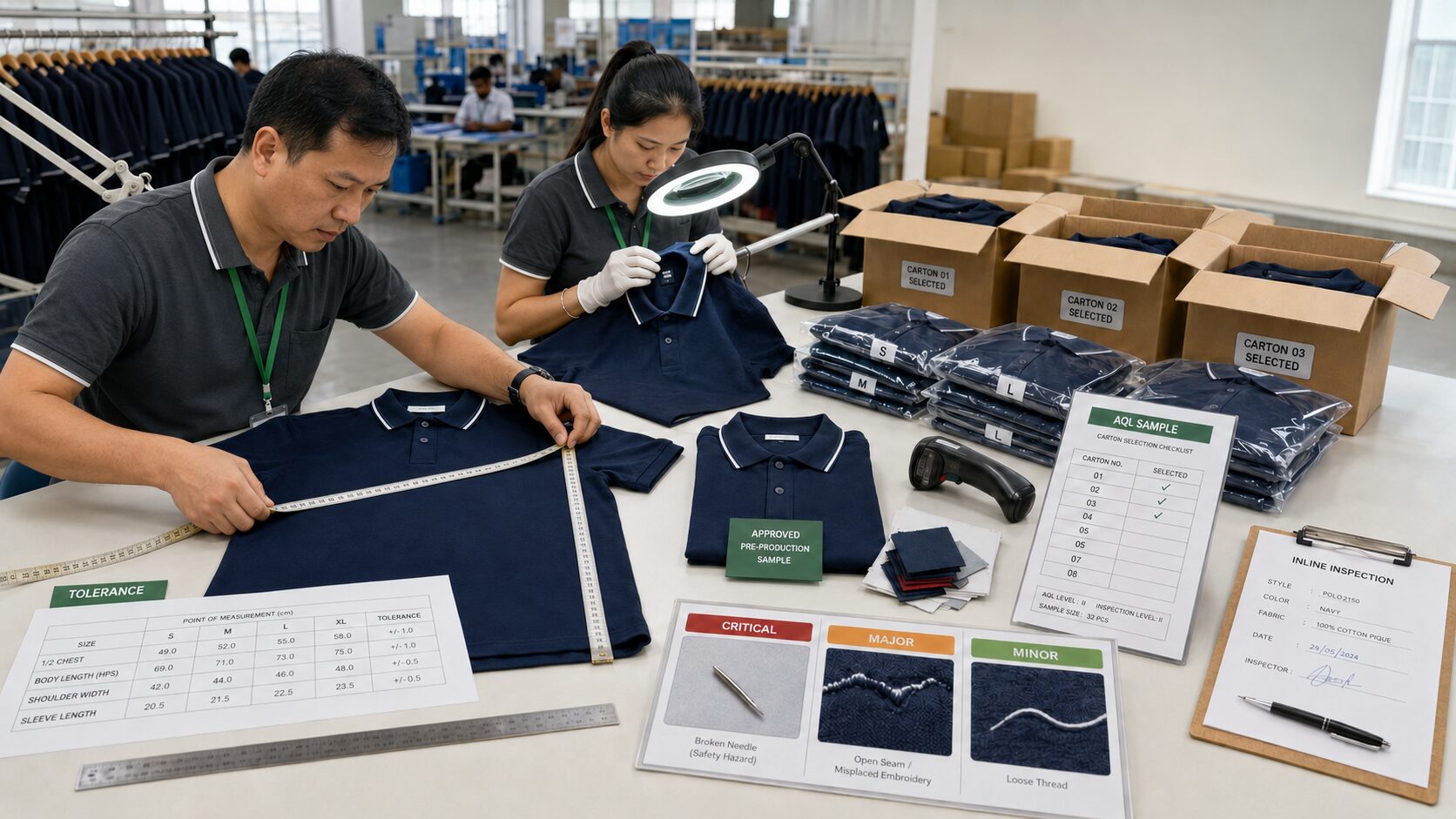
 Apparel Brand Business2026-07-21Custom Clothing Quality Inspection: AQL Levels, Measurement Tolerances and Defect Classification Explained
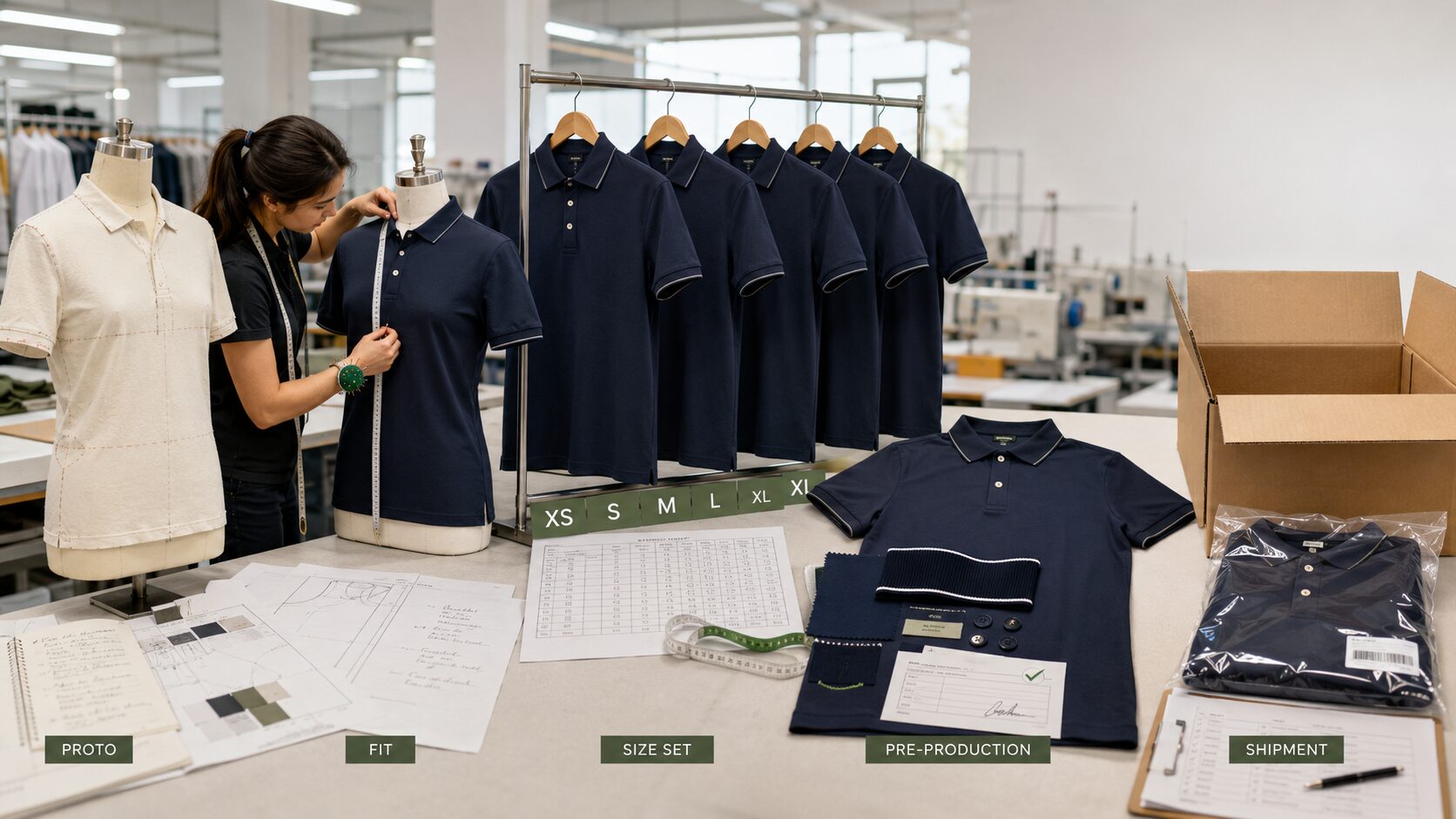
- Apparel Brand Business2026-07-20Garment Sampling Explained: Proto, Fit, Size-Set, Pre-Production and Shipment Samples
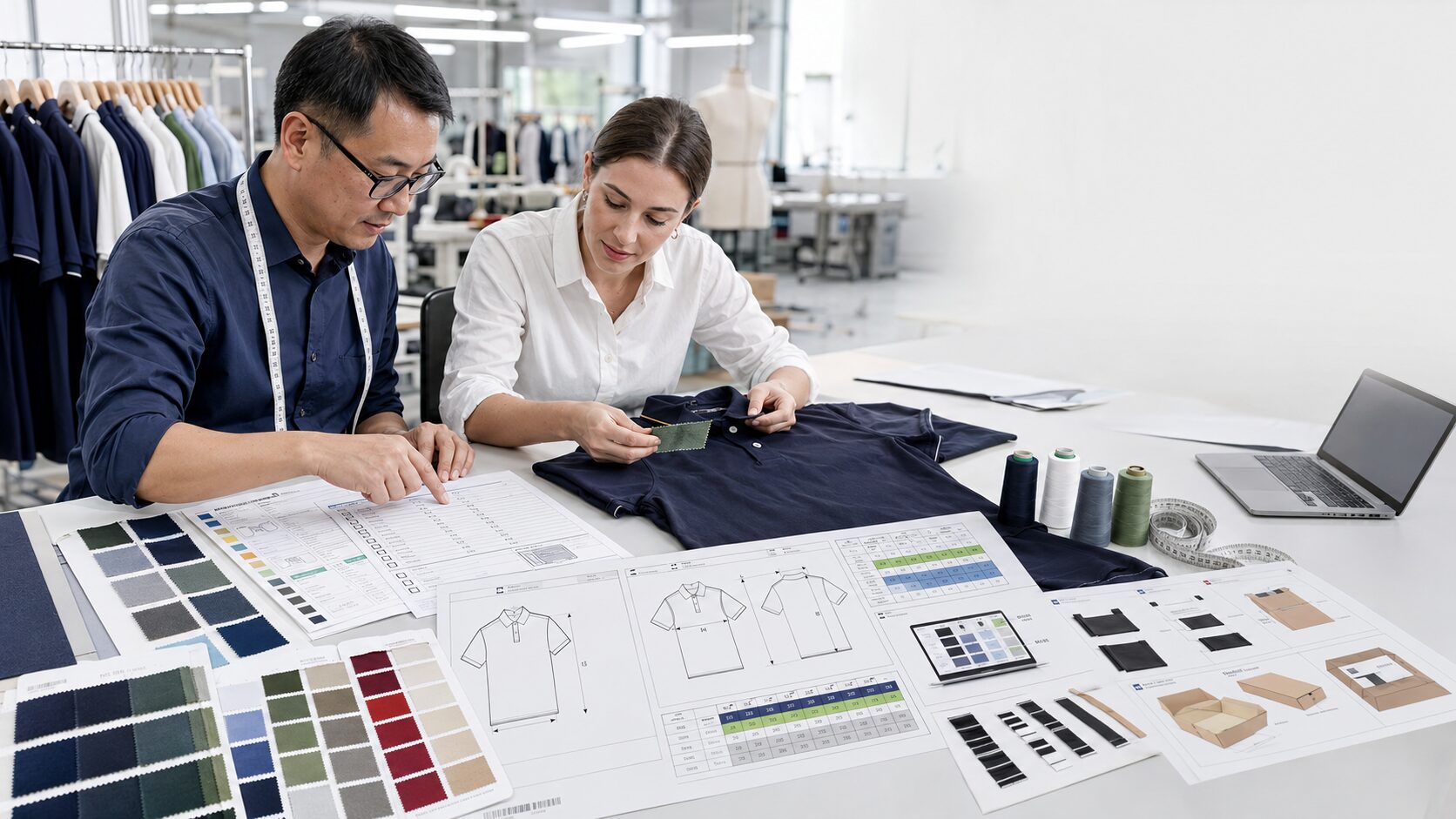
- Apparel OEM2026-07-18How to Prepare an Accurate Custom Apparel RFQ: 20 Specifications Every Clothing Factory Needs
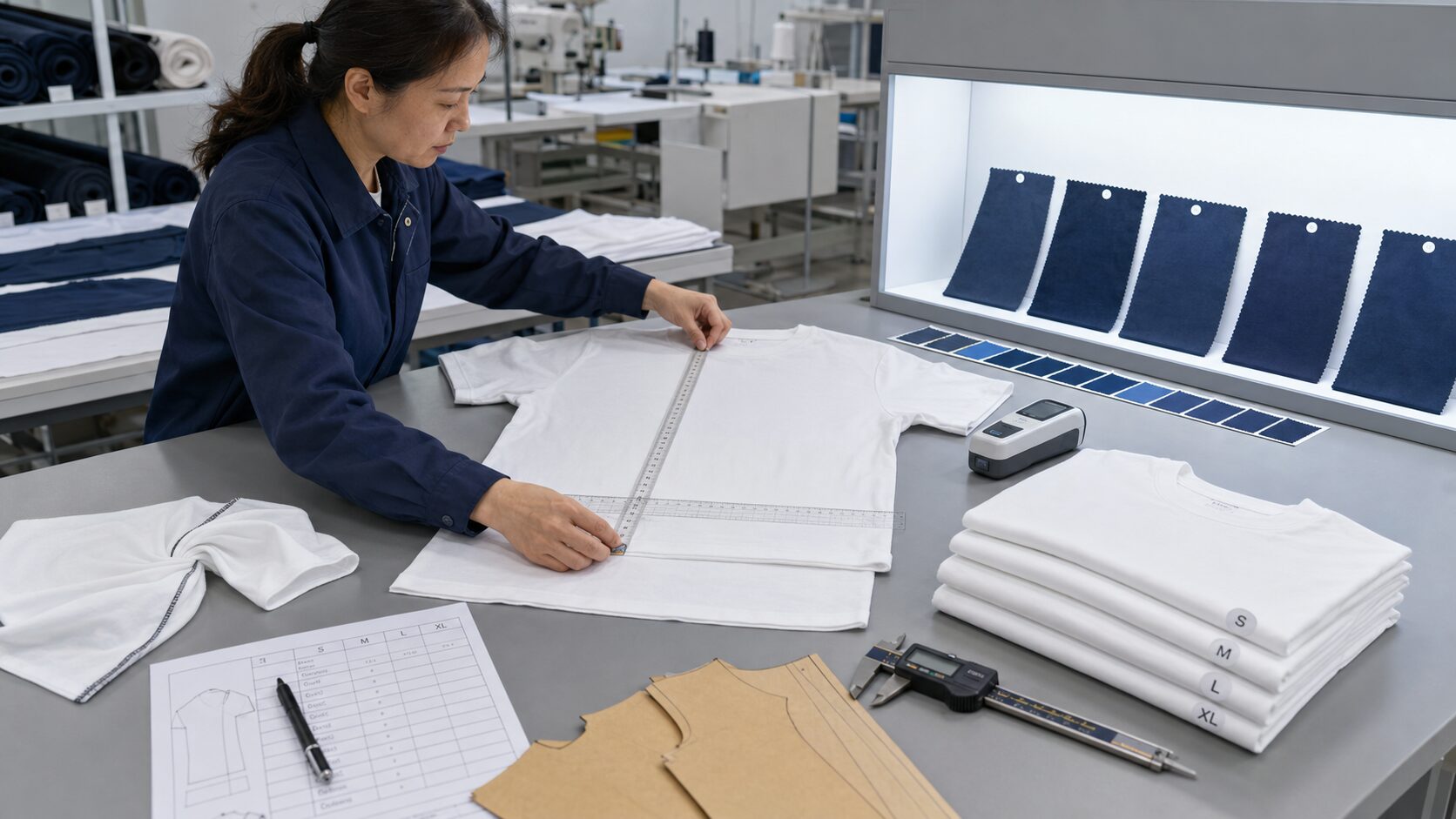
- Knowledge2026-07-17How Clothing Factories Control Shrinkage, Color Variation and Size Inconsistency