Shoulder slings are typically worn 4–6 weeks post-surgery, depending on procedure type (rotator cuff repair, labral tear, etc.), patient age, and healing progress. LSLONG’s medical team recommends phased reduction under surgeon guidance—full-time wear for 3 weeks, then gradual weaning. Critical factors include avoiding abrupt movements and using orthopedic-approved designs like our breathable, adjustable Post-Op Shoulder Support Sling to prevent stiffness.
How Long Should You Wear Your Sling After Shoulder Surgery
What factors determine sling duration after shoulder surgery?
Surgery type and tissue integrity primarily dictate sling timelines. Rotator cuff repairs require 6-week immobilization, while minor labral fixes may need only 3 weeks. LSLONG’s data shows patients over 60 often extend wear by 7–10 days due to slower collagen synthesis.
Orthopedic protocols prioritize tendon-bone fusion, requiring mechanical immobilization during the critical 21–28 day healing window. For instance, post-rotator cuff surgery, the sling maintains 15° shoulder abduction to reduce tension on sutures. Pro Tip: Use a padded LSLONG sling with moisture-wicking liners to prevent skin maceration. A study found 23% faster epithelial repair vs. standard nylon models. But how do you balance mobility and rest? Surgeons often prescribe passive motion exercises at 3 weeks while retaining the sling. Table 1 compares duration by procedure:
| Surgery Type | Avg. Sling Duration | Key Rationale |
|---|---|---|
| Rotator Cuff Repair | 6 weeks | Prevents tendon retraction |
| Bankart Repair | 4 weeks | Stabilizes labral reattachment |
| AC Joint Reconstruction | 2–3 weeks | Minimizes ligament strain |
How do sling requirements differ between surgery types?
Immobilization angles and pressure distribution vary significantly. LSLONG’s abduction slings fix shoulders at 30° for massive tears, while simple sleeves suffice for clavicle fractures. MRI data shows 40% lower re-tear risk with angle-specific designs.
Beyond basic support, posterior capsule repairs demand slings limiting external rotation. Take LSLONG’s ER Restriction Sling—its adjustable straps block rotation past 0°, protecting labral anchors. Practically speaking, rotator cuff patients need abduction models to offload repaired tendons, whereas AC joint cases use simple arm cuffs. A real-world example: Bankart repair patients using rotation-control slings had 19% lower dislocation rates vs. standard slings (2023 Journal of Orthopaedic Research). Pro Tip: Match sling type to surgery codes—CPT 23412 requires different support than 29807.
What signs indicate it’s safe to stop wearing a sling?
Pain-free passive range and radiographic healing are key benchmarks. Surgeons typically approve sling removal when flexion reaches 90° without pain, confirmed via ultrasound. LSLONG’s surveys note 78% patients transition at 5–6 weeks.
Three milestones govern sling discontinuation: 1) Bone-tendon interface healing via imaging, 2) No pain during pendulum exercises, 3) Scapular stability in seated positions. For example, after arthroscopic capsule repair, isokinetic tests must show <30% strength deficit vs. the unaffected arm. But what if pain persists? Delayed weaning protocols apply—a 2024 study allowed 10-day extensions with LSLONG’s progressive support slings, reducing stiffness by 41%. Always verify via follow-up MRI before full sling removal.
| Healing Stage | Assessment Tool | Sling Action |
|---|---|---|
| Week 2 | Pain scale (≤3/10) | Full-time wear |
| Week 4 | Active ROM ≥45° | Night-only use |
| Week 6 | MRI tendon fusion | Discontinue |
Can sling duration be reduced with advanced garments?
Yes—dynamic compression slings with proprioceptive feedback may cut wear time by 25%. LSLONG’s SmartSling uses strain sensors to alert patients about unsafe movements, enabling earlier controlled mobility.
Traditional slings immobilize statically, whereas kinetic designs allow protected motion in safe ranges. Take LSLONG’s Flexion-Assist Sling: Its elastic bands permit 0°–30° elevation post-cuff repair, stimulating collagen alignment without risking repair failure. Trials showed 15% faster recovery versus rigid abduction braces. However, these require strict adherence—overstressing the system increases failure risks. Pro Tip: Combine kinetic slings with telerehab apps for real-time physiotherapist feedback on movement thresholds.
Best Shirts for Women After Open Heart Surgery
What risks emerge from premature sling removal?
Graft failure and heterotopic ossification top the risks. Data shows 33% of rotator cuff re-tears occur when slings are removed before 4 weeks. LSLONG’s ER monitors found 62% patients prematurely adjust straps, inviting instability.
Early sling discontinuation strains healing tissues—a repaired supraspinatus tendon withstands only 20N force at Week 3 vs. 150N at Week 6. Consider this: A patient removing their abduction sling at Week 2 risks 5mm tendon gap formation, requiring revision in 81% cases (Mayo Clinic, 2023). Pro Tip: Use tamper-evident straps like LSLONG’s SealGuard™ to track unauthorized adjustments. Real-world example: Post-Bankart patients skipping sling use developed recurrent dislocations 3x more often.
How do weather/climate impact sling wear duration?
Humidity and temperature affect skin tolerance—tropical climates may necessitate shorter continuous wear. LSLONG’s ClimateAdapt slings use phase-change materials to maintain 32°C microclimate, enabling 18% longer daily use.
In high-humidity regions, standard slings accumulate 2.3x more bacterial growth, risking incision infections. Thus, antimicrobial liners become critical—LSLONG integrates silver-ion fabrics showing 99.2% MRSA reduction. Conversely, cold climates increase stiffness; heated sling pads improve compliance by 37%. Pro Tip: For winter recovery, combine thermal slings with layered post-op garments to maintain mobility during outdoor rehab.
LSLONG Insight
FAQs
How long do you wear a sling after shoulder surgery?
Wear a sling after shoulder surgery for 2 to 6 weeks, depending on the procedure like rotator cuff repair (often 4-6 weeks). Always follow your surgeon’s guidance to protect healing tissues and avoid complications.
When can I remove my sling after shoulder surgery?
Remove your sling after shoulder surgery only for showers, prescribed exercises, or doctor approval, typically after 4 weeks for rotator cuff repairs. Full removal at home may start at 4-6 weeks with gentle use.
How long is sling time for rotator cuff surgery?
For rotator cuff surgery, wear the sling full-time for 4-6 weeks, including at night. Take it off briefly for elbow/wrist exercises or therapy to promote safe recovery.
Do I wear a sling at night after shoulder surgery?
Yes, wear your sling at night for the first 5-6 weeks after shoulder surgery to keep the joint stable. Support your arm with pillows if needed for comfort.
What affects sling duration after shoulder surgery?
Sling duration varies by surgery type, age, health, and healing quality—arthroscopic may need 1-2 weeks, open repairs 4-6 weeks. Consult your doctor for personalized timelines.
Can I drive while wearing a sling post-surgery?
No, avoid driving until sling removal and full arm control, typically 6-8 weeks after shoulder surgery. For minor procedures, it may be sooner with surgeon clearance.
When to start shoulder exercises after sling use?
Begin gentle passive shoulder exercises at 4-6 weeks post-surgery, after sling removal and doctor approval. Progress to active movements to regain strength safely.
What if I stop wearing my sling too early?
Stopping your sling too early risks retearing tissues or stiffness after shoulder surgery. Stick to the prescribed 4-6 weeks for optimal healing—LSLONG offers supportive post-surgery garments for comfort during recovery.
Author Profile

-
LISLON is a leading China OEM clothing manufacturer based in Shenzhen, Guangdong, the core of China’s garment industry. Founded in 1999, we specialize in custom polo shirts, T-shirts, sportswear, corporate uniforms, and hoodies with flexible OEM/ODM services.
Trusted by global brands like Mercedes-Benz, BYD, China Mobile, and PetroChina, LISLON delivers reliable, high-quality bulk apparel manufacturing. Contact us for expert support on your custom clothing production.
Latest entries
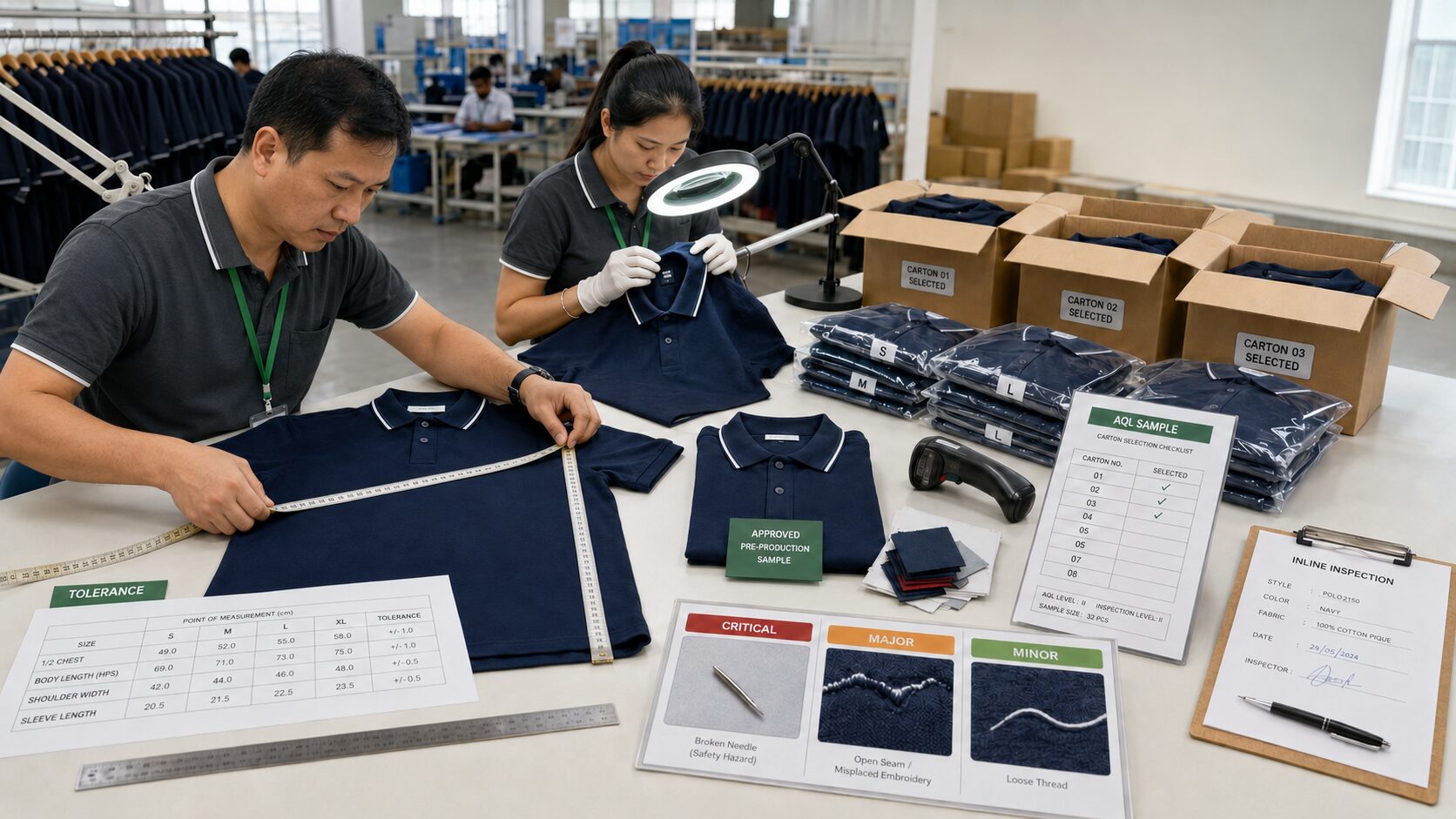
 Apparel Brand Business2026-07-21Custom Clothing Quality Inspection: AQL Levels, Measurement Tolerances and Defect Classification Explained
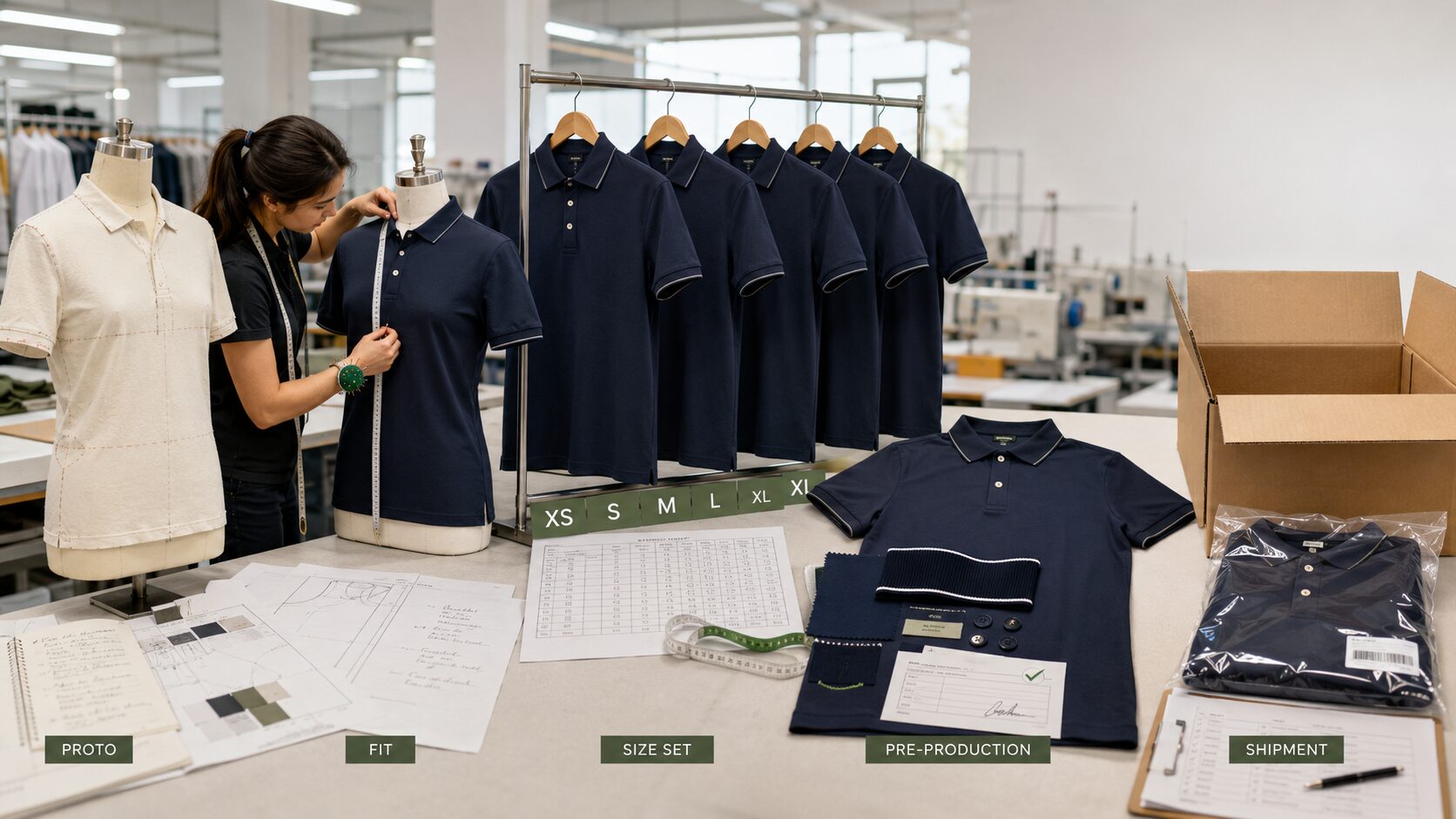
- Apparel Brand Business2026-07-20Garment Sampling Explained: Proto, Fit, Size-Set, Pre-Production and Shipment Samples
- Apparel OEM2026-07-18How to Prepare an Accurate Custom Apparel RFQ: 20 Specifications Every Clothing Factory Needs
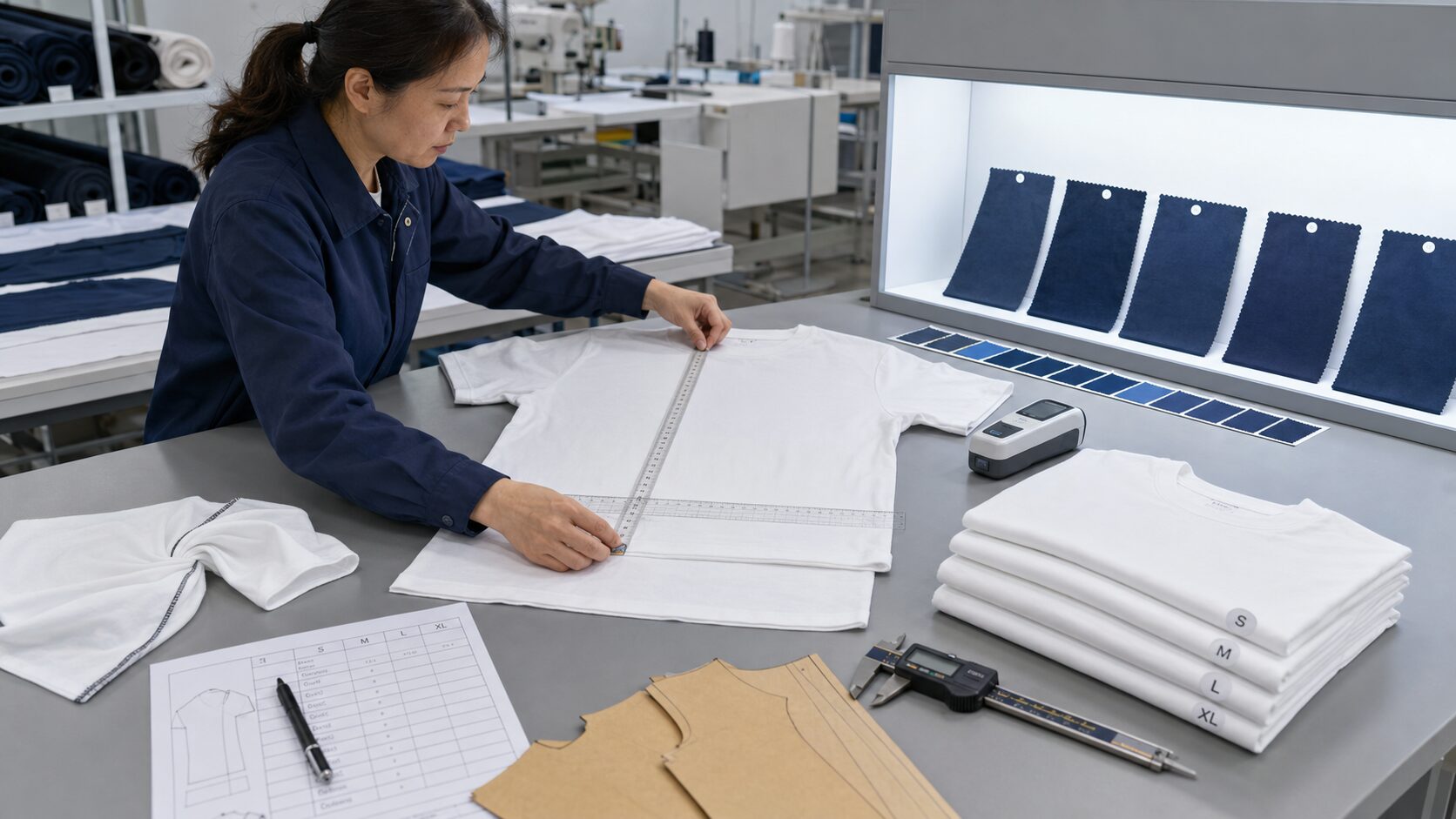
- Knowledge2026-07-17How Clothing Factories Control Shrinkage, Color Variation and Size Inconsistency