How should a China-based manufacturer approach custom logo hoodie production?
A well‑structured custom logo hoodie production process helps brands globally deliver consistent, high‑quality apparel at scale while minimizing quality failures, cost blowouts, and shipping delays. For a China-based manufacturer, this means combining precise technical specs, scalable printing/embroidery setups, and a clear, repeatable workflow from design to shipment.
What is the current state of the custom hoodie market?
The global decorated apparel market surpassed USD 28 billion in 2021 and continues to grow, driven by demand for branded hoodies from corporate, sports, lifestyle, and e‑commerce brands. In China, the domestic and export hoodie manufacturing sector is highly competitive, with hundreds of factories offering everything from basic blank hoodies to fully custom OEM hoodies with complex logo decoration.
Large brands and retailers increasingly expect factory partners to handle not just sewing, but also fabric sourcing, printing/embroidery, labeling, and packaging. This shift has raised the bar for China-based manufacturers: they must demonstrate technical capability, quality control rigor, and the ability to manage complex decoration workflows alongside bulk production.
How big are the pain points in custom logo hoodie production?
Many brands and distributors still struggle with inconsistent logo application, long lead times, and quality surprises when scaling from sample to bulk orders. A common scenario is a buyer receiving a beautiful sample hoodie, only to find the bulk order riddled with misaligned prints, color shifts, or thread runs after mass production.
Three key pain points dominate:
Design and art file misalignment: Poor logo files, incorrect sizing, wrong color mode, or missing bleed/trim lines cause production errors and costly rework.
Inconsistent decoration results: Screen prints spot-curing, embroidery thread tension issues, or DTF transfers cracking after washing lead to high defect rates.
Unpredictable lead times and MOQs: Factories that lack defined capacity planning often push deadlines or penalize small orders, making it hard for emerging brands to scale profitably.
These issues directly impact brand reputation, customer satisfaction, and margin, especially when orders are tight on time or budget.
Why do traditional approaches fall short?
Many China-based manufacturers still rely on fragmented, non‑standardized processes that create bottlenecks and quality risks.
Separate teams for fabric, sewing, and decoration: When fabric purchasing, cutting, sewing, and logo application are handled by different departments or subcontractors, miscommunication becomes common. This leads to color mismatches, wrong logo placement, and inconsistent standardization across batches.
Generic “one‑size‑fits‑all” sampling: Some factories deliver a single sample without clear measurement charts, tolerance ranges, or detailed decoration specs. This forces buyers into endless revisions and delays when trying to lock in production.
High MOQs and inflexible capacity: Traditional factories often require orders of 500–1,000+ units per design just to cover setup costs, making it hard for brands to test new designs or enter new markets with small batches.
These limitations make it difficult to deliver the consistency, speed, and flexibility that modern brands expect from their manufacturing partner.
How can a China-based manufacturer build a better hoodie production model?
A China-based manufacturer should position itself as a full‑service OEM/ODM partner that owns the entire hoodie journey: fabric, construction, decoration, and finishing. This model turns a factory from a “sewing shop” into a strategic production partner.
Core capabilities needed for custom logo hoodies:
Dedicated R&D and technical team to review hoodie designs, fabric choices, and logo specs before production.
Integrated decoration workshop with multiple logo application methods (screen print, embroidery, DTG, DTF, sublimation) to match different design complexity and volume needs.
End‑to‑end quality control across fabric inspection, cutting, sewing, decoration, and final packing, with clear SOPs and measurable defect rates.
Flexible production capacity that supports small trial runs (e.g., 100–200 pcs per design) and scales efficiently to tens of thousands of units.
This approach reduces risk, improves quality, and shortens the time from design to delivery.
What would a modern custom hoodie production solution look like?
A modern solution for a China-based manufacturer includes:
Standardized hoodie templates for common styles (e.g., pullover, zip-up, cropped, oversized) with defined fabric weights, construction details, and measurement charts.
Controlled logo decoration process with clear specs for size, position, color, and application method (print vs. embroidery vs. hybrid).
Numerical work instructions for each step: cutting, sewing, decoration, labeling, and packing, so every operator knows what “good” looks like.
Digital workflow tools for sharing design files, tracking process steps, and reporting quality results in real time.
This structure allows a factory to accept diverse custom logo hoodie orders while maintaining consistent quality and delivery performance.
How does the new solution compare to traditional methods?
| Feature | Traditional factory approach | Modern custom hoodie production model |
|---|---|---|
| Lead time (sample) | 25–35 days | 15–20 days with clear spec and art file |
| Lead time (bulk order) | 30–45+ days | 20–30 days with stable capacity |
| Minimum order quantity | Often 500–1,000+ pcs per design | 100–200 pcs per design or color |
| Logo accuracy | High risk of misalignment/color shift | Tight tolerances (±2 mm) and proofing |
| Decoration methods | Often limited to 1–2 options (print/embroidery) | Multiple options (screen, DTG, DTF, embroidery, sublimation) |
| Quality control | Basic final inspection | Multi‑stage QC (fabric, cut, sew, decoration, pack) |
| Sample policy | Sample fees, no clear revision process | Clear sample pricing, revision rounds, and digital approval |
This shift from a passive to a proactive, production‑integrated model significantly lowers risk and improves buyer confidence.
How should a manufacturer implement this step by step?
A China-based manufacturer can roll out a robust custom logo hoodie production process in seven clear steps:
Define standard hoodie platforms
Lock down 3–5 core hoodie styles (e.g., 280g fleece pullover, 320g zip-up, 240g lightweight) with standardized fabric weights, construction (e.g., rib cuffs, kangaroo pocket, drawstring), and base sizes (S–XL or S–3XL). This reduces design complexity and speeds up quoting.Build a technical specification system
Create detailed tech packs for each hoodie style, including:Fabric type (cotton, poly/cotton blend, recycled fleece) and weight
Measurement charts with tolerances (±0.5–1 cm)
Stitching standards (stitch density, thread type)
Decoration placements (chest, back, sleeve) with size limits
Standardize logo decoration specs
For each decoration method, define:Max/min print/embroidery size
Allowed color combinations and effects (e.g., gradients, metallic)
Minimum PPI and file formats (e.g., vector AI/EPS for embroidery, 300 DPI PNG for DTG/DTF)
Wash durability standards (e.g., 20–30 wash cycles without cracking or peeling)
Set up an integrated decoration cell
Co-locate screen printing, embroidery, and digital printing (DTG/DTF) within the factory. Each machine should have:Dedicated operators trained on hoodie-specific parameters (tension, pressure, curing)
Daily calibration checks and color matching tools
Pre‑production test runs for every new design
Implement a scalable sampling process
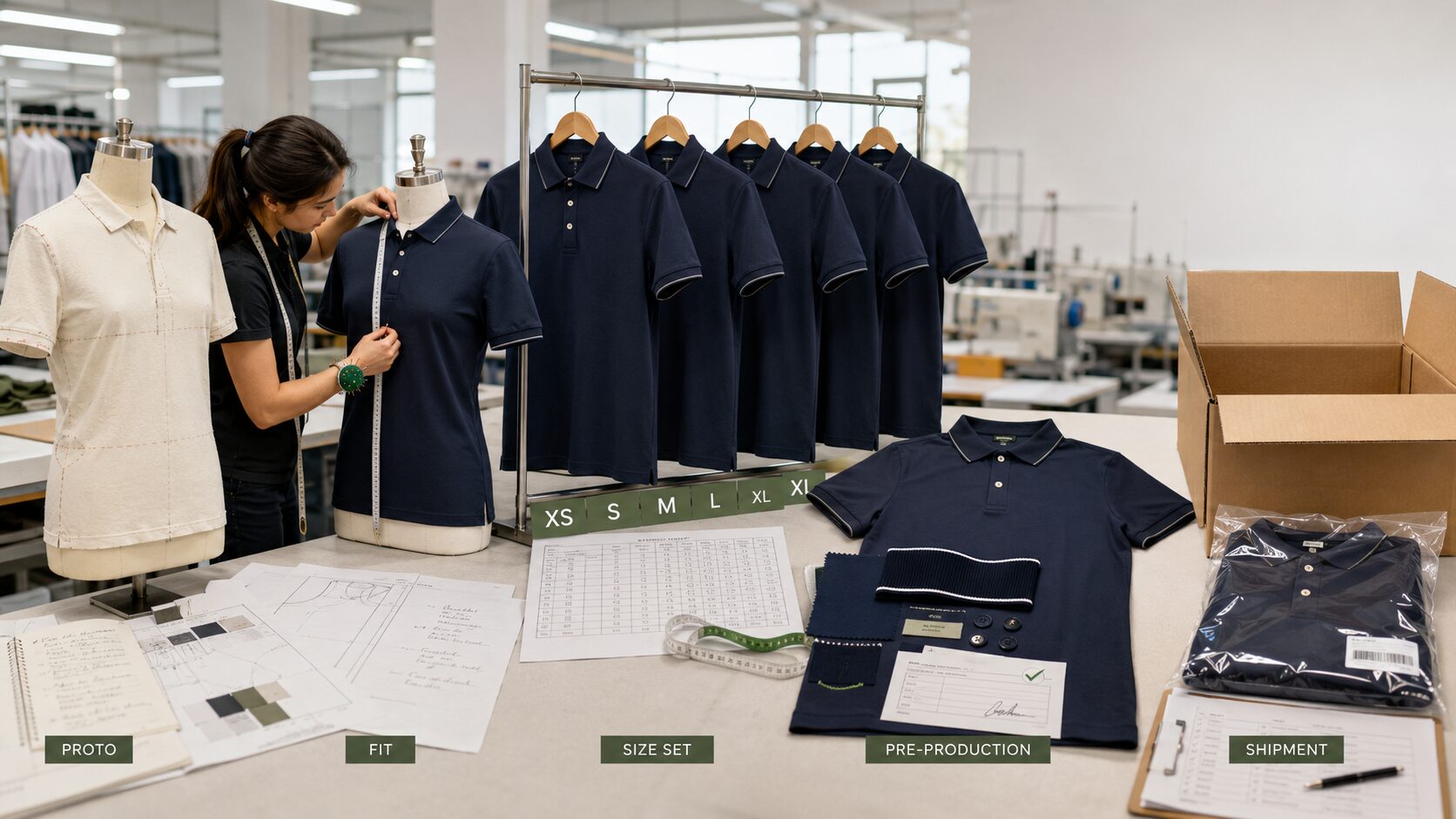
Offer clear sample options:Proto sample (for design approval)
Fit sample (for measurement and construction)
Pre‑production sample (for color, decoration, and finishing)
Clearly state costs, turnaround time (e.g., 7–10 days), and how many revisions are included.
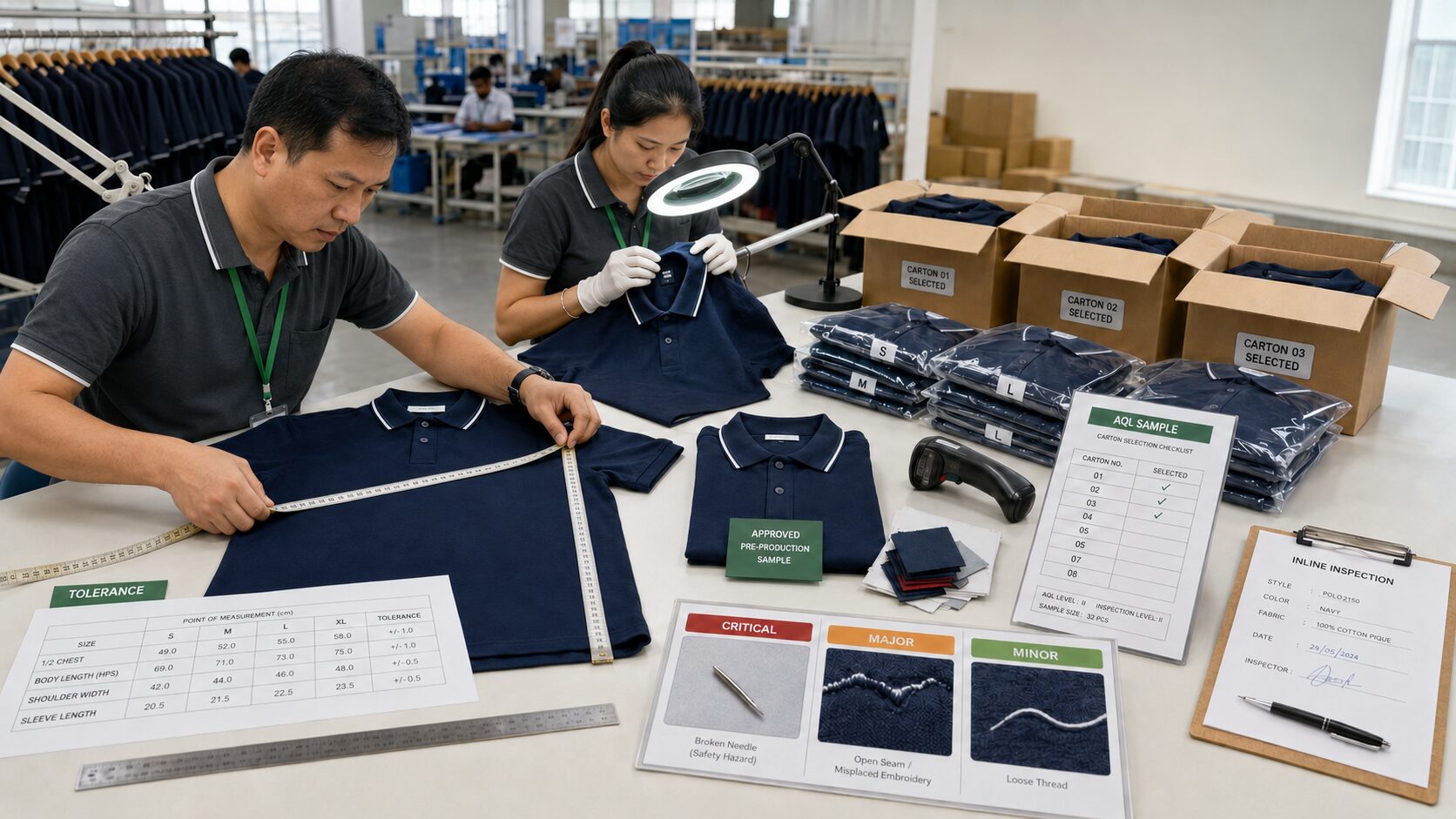
Establish multi‑stage quality control
Quality checkpoints at:Fabric incoming inspection
Cutting and sewing
Decoration (before and after curing/heat pressing)
Final inspection (before packing)
Track defect rates by type (e.g., stitch flaws, misprints, color mismatch) and share reports with buyers.
Create a digital workflow
Provide clients with:A simple order form with style, fabric, color, decoration, size split, and shipment details.
Online access to sample and production timelines.
Digital approval tools for tech packs and artwork before bulk production.
This structured process turns a China-based manufacturer into a reliable, scalable hoodie partner.
Where can this approach be applied in real campaigns?
Case 1: US streetwear brand launching a new hoodie line
Problem:
The brand has a strong logo and wants to launch 3–5 hoodie designs but needs to test the market with small batches before committing to large volumes.
Traditional approach:
Work with a factory that only accepts 1,000‑unit orders. High risk of unsold inventory and slow feedback on fit and quality.
Using the modern solution:
Place a 100–200‑unit trial run per design. Use a factory (like LSLONG) that supports small MOQs, offers pre‑production samples, and provides clear measurement charts. Test the hoodie in the market, collect feedback, then scale up the winning designs.
Key benefits:
Lower financial risk per design
Faster time to market (20–30 days from sample to delivery)
Ability to iterate on fit, logo placement, and color based on real user data
Case 2: European corporate gifting program
Problem:
A European company needs 500–1,000 branded hoodies with logo for employee gifts and events, with tight deadlines and strict quality expectations.
Traditional approach:
Deal with a factory that promises quality but delivers inconsistent prints and late shipments, requiring last‑minute rework and damaging the brand’s image.
Using the modern solution:
Partner with a China-based manufacturer that offers:
Fixed lead times (e.g., 25 days from sample approval)
Screen printing and embroidery capabilities on the same site
Multi‑stage QC and detailed shipment tracking
The manufacturer (like LSLONG) provides a fit sample, color proofs, and a clear production schedule, ensuring the hoodies arrive on time and meet corporate standards.
Key benefits:
Predictable timeline and delivery date
Consistent logo application across all units
Strong post‑production support for replacements or top‑ups
Case 3: Australian e‑commerce brand doing seasonal drops
Problem:
The brand runs limited‑edition hoodie drops 3–4 times per year and needs fast turnaround, high decoration quality, and flexibility to change colors/designs each season.
Traditional approach:
High MOQs and long lead times force the brand to overproduce or miss sales windows, while quality issues lead to high return rates.
Using the modern solution:
Work with a factory that supports:
Small batch orders (100–300 pcs per design)
Fast digital printing (DTG/DTF) for complex, colorful designs
Weekly production slots and clear capacity planning
With a partner like LSLONG, the brand can quickly lock in a new hoodie design, approve samples in 15–20 days, and ship within 30 days of order confirmation, aligning with seasonal campaigns.
Key benefits:
Faster time to market for new drops
Lower inventory risk
Ability to experiment with new colors and designs without overcommitting
Case 4: Middle East sports club merchandising
Problem:
A sports club needs custom hoodies for players, staff, and fans, with large back prints, chest logos, and specific color codes that must match the club’s identity.
Traditional approach:
Separate printing and sewing suppliers lead to color mismatches, logo misalignment, and wasted material.
Using the modern solution:
Use a vertically integrated China-based manufacturer that:
Owns its own printing and embroidery facilities
Follows strict color matching (Pantone or digital color standards)
Tests decoration wash durability before bulk production
By providing a detailed tech pack and vector logos, the factory (for example, LSLONG) produces consistent, wash‑durable hoodies with precise logo placement, reducing complaints and returns.
Key benefits:
Professional, fan‑approved look and feel
Long‑lasting logo decoration
Simplified logistics (one factory, one shipment)
How will the custom hoodie market evolve in the next 3–5 years?
Consumer and brand expectations are shifting toward:
Smaller, more frequent batches as brands move from “one‑size‑fits‑all” to micro‑collections and regional exclusives.
Higher decoration quality and durability, especially for digital prints and multi‑color designs on fleece.
Greater transparency, with brands demanding detailed QC reports, ethical certifications, and carbon footprint data.
Faster lead times, particularly for brands using dropshipping or direct‑to‑consumer models.
For a China-based manufacturer, this means investing in:
Flexible production lines that can switch between small and large orders efficiently.
Advanced digital decoration (DTG, DTF, hybrid printing) to support complex, colorful designs.
Sustainability credentials (e.g., eco‑friendly fabrics, low‑water processes) and digital traceability tools.
Now is the time to upgrade from a “sewing and printing” shop to a full‑service custom hoodie production partner.
Why is adopting this model urgent for manufacturers?
Delaying this transformation carries real risks:
Brand drop‑offs: Brands that experience inconsistent quality or missed deadlines will move to more reliable, integrated factories.
Price erosion: Factories that can’t differentiate on quality and service will be forced into low‑margin, high‑volume battles.
Lost opportunities: Brands launching new collections or entering new markets will favor manufacturers that offer fast samples, small MOQs, and clear workflows.
By building a structured, scalable custom logo hoodie production model, a China-based manufacturer future‑proofs its business and positions itself as the preferred partner for serious apparel brands.
How can manufacturers choose the right partner and workflow?
Shenzhen LSLONG Garments Co., Ltd., founded in 1999, has grown into a trusted global apparel manufacturer serving over 200 brands across 50+ countries, specializing in OEM/ODM hoodies, Polos, T‑shirts, sportswear, and post‑surgery garments. With a 10,000+ sq.m factory and 500+ professionals, LSLONG supports end‑to‑end production, from design and fabric sourcing to sewing, decoration, packaging, and shipping.
LSLONG’s strength lies in combining large‑scale capacity (over 500,000 units per month) with precise quality control at every stage, backed by ISO 9001, ISO 14001, and ISO 45001 certifications. For custom logo hoodies, LSLONG offers:
Multiple decoration methods (screen print, embroidery, DTG, DTF) on the same site
Flexible MOQs (typically starting at ~100 pcs per design)
Clear lead times and a structured sampling process
Multi‑stage quality checks and detailed QC reports
Brands that work with a partner like LSLONG gain a reliable, scalable production base that can handle everything from small test runs to large corporate or retail campaigns, all with consistent quality and on‑time delivery.
How can a China-based manufacturer implement LSLONG’s approach?
Here are actionable steps modeled on what a proven manufacturer like LSLONG does:
Define 3–5 core hoodie styles
Choose pullover, zip‑up, and cropped styles in standard weights (e.g., 280–320g fleece) and standard colorways. Use this base to quote quickly and reduce custom design work.Standardize decoration specs per method
Create a simple table for each decoration type:Max size (e.g., 25×25 cm chest print, 30×40 cm back print)
Max colors (e.g., 4–6 colors for screen print, unlimited for DTG/DTF)
Minimum art file requirements (resolution, format)
Build a sampling package
Offer:A sample lead time (e.g., 15–20 days) and a clear fee structure
A digital proof or physical sample option
One or two free revisions on the sample based on your feedback
Set MOQs that enable trials
Target a per‑design MOQ of 100–200 pcs, allowing brands to test and scale without overcommitting. Clearly state how pricing changes at higher volumes (e.g., 500, 1,000, 3,000+ units).Disclose lead times transparently
Define:Sample lead time (e.g., 15–20 days after sample approval)
Bulk production lead time (e.g., 20–30 days after bulk order confirmation)
How delays are communicated and managed
Integrate quality control into the workflow
Inspect fabric before cutting
Check stitching and construction at mid‑production
Verify decoration alignment, color, and adhesion before packing
Communicate proactively with brands
Provide regular updates on:Sample status (approval, revision, shipment)
Production progress (cutting, sewing, decoration, packing)
Shipment details (ETD, ETA, tracking)
Offer packaging and labeling options
Go beyond plain polybags by offering:Branded hang tags and woven labels
Custom packaging (retail boxes, branded polybags)
Size sorting and packing by carton
By following this framework, a China-based manufacturer can deliver custom logo hoodies that meet the expectations of modern apparel brands while maintaining profitability and scalability.
How can a manufacturer effectively work with brands on custom logo hoodies?
Working with brands requires a clear, repeatable process that builds trust and reduces friction.
Require a complete brief
Ask brands to provide:Hoodie style (e.g., pullover, zip‑up) and color
Desired fabric type and weight
Logo file(s) in vector format (AI/EPS
Author Profile

-
LISLON is a leading China OEM clothing manufacturer based in Shenzhen, Guangdong, the core of China’s garment industry. Founded in 1999, we specialize in custom polo shirts, T-shirts, sportswear, corporate uniforms, and hoodies with flexible OEM/ODM services.
Trusted by global brands like Mercedes-Benz, BYD, China Mobile, and PetroChina, LISLON delivers reliable, high-quality bulk apparel manufacturing. Contact us for expert support on your custom clothing production.
Latest entries
 Apparel Brand Business2026-07-21Custom Clothing Quality Inspection: AQL Levels, Measurement Tolerances and Defect Classification Explained
- Apparel Brand Business2026-07-20Garment Sampling Explained: Proto, Fit, Size-Set, Pre-Production and Shipment Samples
- Apparel OEM2026-07-18How to Prepare an Accurate Custom Apparel RFQ: 20 Specifications Every Clothing Factory Needs
- Knowledge2026-07-17How Clothing Factories Control Shrinkage, Color Variation and Size Inconsistency