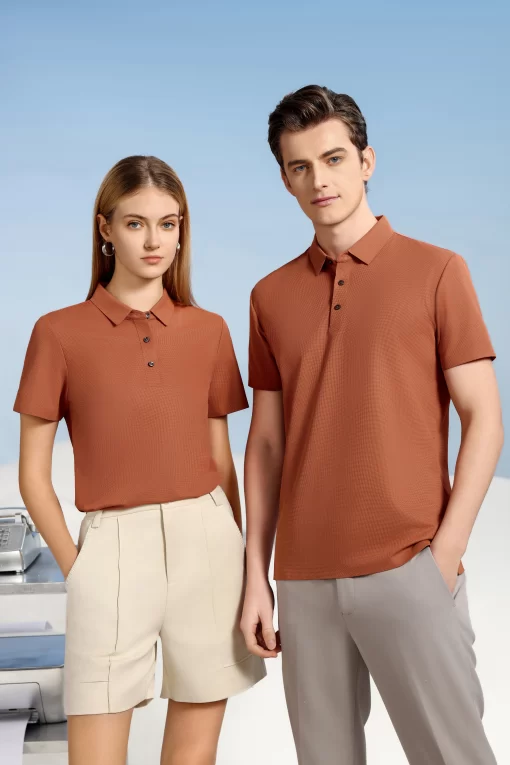
Choose a custom polo shirt manufacturer by evaluating its ability to execute your exact polo specification consistently—not simply its ability to make a basic garment. A strong B2B evaluation covers fabric construction, collar and placket engineering, decoration compatibility, sampling discipline, quotation scope, quality records and controlled repeat-order processes.
What Should Your Polo Sourcing Brief Include?
A complete sourcing brief makes manufacturer evaluation faster, more accurate and easier to compare. It should define the product you want to buy, the decisions still open for factory input and the commercial conditions that affect production planning.
A polo shirt is not a generic T-shirt with a collar added. Its appearance, comfort and repeat-order consistency depend on interconnected details: knitted fabric construction, collar and cuff rib, placket reinforcement, button selection, garment fit, decoration method and wash behavior. If these details are missing from the brief, each supplier may quote a different product while appearing to offer the same item.
Your brief should include:
Polo style: classic short-sleeve, long-sleeve, performance, workwear, fitted, oversized, women’s, children’s or another silhouette.
Fabric composition and construction: for example, cotton pique, cotton-polyester pique, interlock, jersey, recycled blend or performance knit.
Target fabric weight, stated condition and acceptable variation approach.
Collar and cuff requirement: self-fabric, rib collar, contrast tipping, stripe pattern, stitch details and desired firmness.
Placket details: number of buttons, placket length, fusible or tape reinforcement, button stance and inside finishing.
Fit block, measurement chart, grading rules and intended wearer or market.
Artwork files, decoration location, size, colors and preferred method.
Color requirements, including whether a standard color reference is required.
Quantity estimate by color and size.
Packaging, labeling, barcode, carton marking and retail presentation needs.
Destination market, compliance expectations and target delivery window.
LSLONG can be evaluated more effectively when your request distinguishes non-negotiable specifications from areas where you want recommended alternatives. That creates a more useful technical discussion than a broad request for “high-quality custom polos.”
How Do You Confirm Polo-Specific Factory Capability?
Confirm capability by asking for a clear explanation of how the factory controls the details that make polos structurally different from other knit tops. Product images alone do not prove that a supplier can repeat your construction, fit and finishing requirements.
Ask the manufacturer to walk through its proposed production route from fabric selection to final packing. The response should show whether it understands polo-specific risks rather than relying on general garment terminology.
Important areas to review include:
Knit fabric handling before cutting, because fabric relaxation and cutting alignment can influence garment shape.
Collar and cuff sourcing or production, especially when you require tipping, contrast colors, a specific rib texture or a firmer hand feel.
Placket assembly, including reinforcement, stitch sequence and methods used to keep the placket centered.
Button attachment and buttonhole execution, which affect both appearance and durability in repeated use.
Measurement control for chest width, body length, sleeve opening, collar shape and placket placement.
Decoration workflow, especially whether embroidery or print is applied at the appropriate stage for the fabric and garment design.
Final inspection methods for appearance, measurements, labels, color matching and packing.
A weak supplier response may remain vague: “We can do any polo,” “quality is guaranteed,” or “our workers are experienced.” A stronger response explains the materials, sequence, checkpoints and questions needed before it can confirm a specification.
For buyers comparing LSLONG with other suppliers, use the same technical brief and request the same evidence from every candidate. Consistency in your inquiry is essential if you want a fair sourcing decision.
Which Fabric Details Matter Most for Custom Polos?
Fabric construction, composition and weight should be specified together because each affects appearance, hand feel, breathability, durability and decoration performance. A fabric name alone—such as “pique cotton”—is not sufficient for an apples-to-apples quotation.
Pique is common in polos because its textured construction creates a traditional polo appearance and can provide breathability. However, different pique constructions can vary substantially in density, texture definition, stretch, opacity and weight. Jersey and interlock may create a smoother surface, while performance-oriented knit fabrics can be selected for moisture management, stretch or easier-care needs.
When reviewing fabric, ask about:
Decision area Why it matters What to clarify
Fiber composition Influences hand feel, moisture handling, durability and care expectations Fiber percentages, yarn type and whether blends are consistent across colorways
Knit construction Affects surface texture, recovery, drape and decoration suitability Pique, jersey, interlock or another named construction
Fabric weight Influences opacity, structure, comfort and perceived value Target weight and whether it is discussed before or after washing
Color method Can affect shade consistency and colorfastness expectations Color reference, matching process and approval method
Finishing Can alter softness, shrinkage behavior, surface appearance and performance Any requested functional or hand-feel finish
Wash behavior Affects final fit and customer satisfaction Wash instructions, expected dimensional-change risks and sample review process
Shrinkage is a major sourcing concern because knitted fabrics can change after washing and drying. The practical question is not whether a fabric will behave identically under every laundering condition, but whether the buyer and manufacturer agree on the intended care method, fit allowance and evaluation method before bulk production.
Color variation can also occur between fabric lots, dye lots, trims and production runs. A buyer should approve the relevant color standard and clarify whether contrast collar, cuff, placket or embroidery thread colors must match a specific reference. For repeat programs, preserve approved swatches, shade standards and trim references so later orders do not rely on memory or outdated photos.
How Should You Evaluate Collar, Cuff and Placket Construction?
A polo collar, cuff and placket should be reviewed as a coordinated construction system because small inconsistencies can make the garment look unstable, low-grade or mismatched across units. A well-made body fabric cannot compensate for a collar that curls, a placket that twists or a cuff that loses shape.
The collar is often the first detail customers notice. Buyers should determine whether they need a rib collar or self-fabric collar, the desired rib density and elasticity, the appearance of the collar points and whether tipping or contrast stripes require precise alignment. Collar deformation may result from unsuitable rib construction, inconsistent sewing tension, poor shape retention, incorrect finishing or laundering conditions that were not considered during development.
Cuffs need similar attention. A cuff that is too loose may look stretched quickly; one that is too tight can affect comfort and sleeve shape. If you need a contrast cuff, define the stripe width, sequence, color reference and placement tolerance discussion during sampling rather than after bulk approval.
The placket should lie flat, remain centered and support the intended button spacing. Placket twisting can arise when fabric grain, reinforcement, cutting, stitching tension or pressing are not handled consistently. A placket may also wave or pull if the fabric and fusible materials are poorly matched.
Ask the manufacturer to confirm:
The placket type and button count.
Whether reinforcement is used and how it is selected for the fabric.
Button material, size, color, finish and attachment method.
Buttonhole direction, size, density and placement.
Collar attachment sequence and checks for symmetry.
Whether collar, cuff and placket samples will be approved before bulk production.
These questions help you assess whether the factory understands visual balance as well as garment assembly.
How Do You Match Decoration and Sampling to the Polo?
Select the decoration method after considering fabric, artwork, placement and wearer use—not from artwork alone. Embroidery, screen printing, heat transfer, patches and other decoration options can produce very different results on a textured knit polo.
Embroidery is widely used for corporate uniforms, hospitality apparel, golf polos and branded workwear because it can create a premium logo presentation. Yet embroidery may cause puckering when the backing, stitch density, fabric stability, hooping process or artwork digitization is not suitable for the selected knit. Dense embroidery can also affect drape or comfort, particularly on lighter fabrics.
For embroidery, request a sew-out or relevant pre-production sample that shows:
Actual logo size, thread colors and placement.
Stitch density appropriate to the fabric.
Backing selection and its impact on the inside of the garment.
The appearance of the surrounding fabric after embroidery.
Performance around textured pique surfaces, seams and plackets.
For printing, assess ink coverage, edge clarity, hand feel, adhesion expectations and whether the textured surface affects small artwork details. Avoid approving decoration based only on a digital mockup. The sample should use the closest practical combination of fabric, color, location and decoration method.
Sampling is also your opportunity to verify fit, fabric feel, collar shape, placket stability, measurement points, labels and packaging. Mark every sample outcome clearly: approved, approved with changes, rejected or pending. Verbal comments and informal message threads are easy to misinterpret, particularly when multiple teams are involved.
How Can You Compare Polo Quotations Fairly?
Compare quotations only after you standardize the specification and separate included items from assumptions. The lowest unit price may exclude materials, processes or packing requirements that another supplier has already included.
A useful quotation should identify the commercial and technical scope. It does not need to promise an unchanging price before all variables are finalized, but it should make the variables visible.
Ask each supplier to clarify:
Fabric composition, construction, weight basis and color assumptions.
Collar, cuff, placket, buttons and trim specifications.
Decoration method, artwork setup assumptions and placement count.
Labels, hangtags, folding method, polybags, cartons and other packaging.
Sample type and whether sample charges or development steps are separate.
Quantity breakdown by color and size.
Shipping terms, destination assumptions and which logistics costs are included or excluded.
Payment terms, quotation validity and factors that could change the price.
Any testing, inspection, compliance documentation or special handling requested by the buyer.
Do not compare a quote for “100 percent cotton polo” against another quote for “cotton pique polo” without confirming construction, weight, trims and finishing. Those descriptions may represent materially different products.
If a supplier discusses certifications, verify the certificate rather than treating a logo or statement as proof. Check the certificate owner, issuing organization, validity dates, stated scope and the specific production site covered. Also confirm whether the certification applies to the factory, material supplier, process or product category relevant to your order. A valid document for one entity or site does not automatically apply to every supplier relationship or production location.
What Quality and Change Records Protect Repeat Orders?
Written approval records protect repeat orders by converting design decisions into controlled references. A repeat polo order can drift when fabric, trims, fit, decoration, packing details or approved changes are not documented in a single accessible record.
Create a product specification package after sample approval. It should include the final tech pack, measurement chart, graded size range, approved fabric and trim references, color standards, decoration file version, placement information, labeling requirements, packing instructions and approved sample images.
For each production run, agree on how changes will be requested, reviewed and approved. Change control matters when a fabric lot becomes unavailable, a trim needs substitution, an artwork file is updated or a packaging requirement changes. Without a formal approval step, an apparently minor substitution can affect color appearance, collar recovery, button finish, logo presentation or end-user perception.
Your quality records should address:
Approved sample identification and revision date.
Bill of materials and component references.
Measurement points and fit comments.
Fabric and trim color standards.
Decoration specifications and approved sew-outs or print samples.
Inspection checkpoints and defect-reporting format.
Packing approval and carton-marking details.
Written authorization for substitutions or revisions.
Inconsistent repeat orders are often a documentation problem as much as a production problem. The more precisely you preserve the approved version, the easier it is for a manufacturer to understand what must remain unchanged and what may be revisited.
What Should Buyers Do Before Sending an Inquiry?
Send a structured inquiry that asks suppliers to respond to the same polo-specific requirements. This gives your sourcing team a practical comparison tool and helps LSLONG provide a focused response based on your actual program rather than broad assumptions.
Use this action plan:
Define the intended buyer, use case and price-positioning goal for the polo.
Select the preferred fabric construction and target weight range, or state that you need options.
Specify collar, cuff, placket, button and fit requirements.
Share a measurement chart, reference garment images or technical drawings where available.
Provide editable logo artwork and identify each decoration location.
State quantity estimates by color and size, including whether future repeat orders are anticipated.
List packaging, labeling, barcode and destination-market requirements.
Ask for a quotation with inclusions, exclusions, assumptions and open questions stated clearly.
Request a sampling path that identifies what will be reviewed before bulk production.
Ask how approved specifications and change requests will be recorded for repeat orders.
A manufacturer that asks informed follow-up questions may be better positioned to deliver a usable quotation than one that provides an immediate but vague price. If you are reviewing custom polo shirt manufacturing options, use the same checklist to connect each style choice with its fabric, construction, decoration and commercial implications.
What is the most important detail in a custom polo sourcing brief? Fabric construction and collar/placket specification are often the most important starting points because they shape the garment’s appearance, comfort, cost structure and likely decoration options.
Can I approve a polo from photos only? Photos can support an early review, but they cannot reliably show fabric hand feel, weight, fit, collar recovery, placket behavior, embroidery puckering or wash-related changes. Use a physical sample for final approval decisions.
Why do repeat polo orders sometimes look different? Differences can result from changed fabric or trim lots, incomplete color references, revised artwork, undocumented substitutions, unclear fit specifications or missing approved-sample records.
Should embroidery be chosen before fabric selection? Ideally, decide fabric and embroidery together. The knit construction, weight, texture and stability can influence backing choice, stitch density, puckering risk and the logo’s final appearance.
What should I ask LSLONG in my first message? Ask for a response based on your polo style, fabric specification, collar and cuff details, fit requirements, decoration artwork, quantity estimate, packaging, destination market and project timing.
To begin, please share your polo style, fabric construction and weight, collar/cuff specification, size range, artwork, decoration, quantity estimate, packaging, market and timing.