

Working with a China-based OEM garment manufacturer works best when you lead with a detailed tech pack, vet the factory on certifications and capacity, and lock down quality and contract terms before production starts. Brands that do this benefit from low MOQs, scalable production, and ISO-certified quality control — the foundation of reliable wholesale apparel manufacturing.
(Last modified date: September 2, 2026)
Key Takeaways
- Vet factories on ISO 9001/14001/45001 certifications, capacity, and client track record — not just price.
- Send a complete brief: tech pack, fabric specs, sizes, packaging, and compliance requirements.
- Contract clauses for sampling, QC, delivery, and defects protect both sides before scaling.
- Start with a small-batch trial (MOQ 100–500 units) before committing to volume.
What Makes a Reliable OEM Garment Manufacturer in China?
Reliable OEM garment manufacturers provide ISO 9001, 14001, and 45001 certifications, flexible MOQs, and end-to-end services from design to delivery. LSLONG exemplifies this with over 25 years of experience, a 10,000+ sq.m facility, and a workforce of 500+ professionals producing 500,000+ units monthly. Evaluating suppliers by certifications, capacity, and past client success ensures consistency and trust. China’s factories excel in OEM customization for T-shirts, polos, hoodies, and sportswear.
| Criteria | Description | LSLONG Example |
|---|---|---|
| Certifications | ISO 9001, 14001, 45001 | Fully compliant |
| Capacity | 500,000+ units/month | 10,000+ sq.m facility |
| MOQ flexibility | 100–500 units | Supports small-batch trials |
| Experience | 25+ years | 200+ brands, 50+ countries |
How Do You Find Top OEM Garment Factories in China?
Start by searching platforms like Alibaba or Made-in-China and attending trade shows to identify verified manufacturers. Request samples and consider visiting factories in Shenzhen or Shanghai. LSLONG is known for customized polos, hoodies, and T-shirts with transparent communication, on-time delivery, and strong quality control.
What Should You Include in Your Request to an OEM Supplier?
- Tech pack with flat sketches, measurements, and construction details.
- Fabric composition, weight (GSM), and color standards (e.g., Pantone).
- Size grading and fit requirements.
- Decoration method: embroidery, screen print, or DTG.
- Packaging, labeling, barcode, and FBA-compliant requirements.
- Target MOQ, budget, and delivery window.
How Do You Negotiate Terms with Wholesale Garment Factories?
Negotiate on MOQ tiers, unit pricing by volume, sampling fees, payment terms, and lead time. Clear commercial terms make repeat orders predictable and protect both sides when material costs shift.
Which Contract Clauses Are Essential for OEM Partnerships?
- Specification lock: the approved sample and tech pack define the standard.
- Quality acceptance: AQL inspection criteria and defect thresholds.
- Delivery penalties and force majeure.
- Intellectual property and exclusivity terms.
- Dispute resolution and governing law.
How Can You Ensure Quality During OEM Production?
Require pre-production samples, inline inspection during production, and final AQL inspection before shipment. Ask for fabric test reports and third-party inspection where needed. ISO-certified factories keep documented quality systems across every stage.
What Are Common Challenges When Working with OEM Suppliers?
Common pitfalls include unclear specs, communication gaps, missed deadlines, and inconsistent quality between batches. Mitigate them with written specifications, a single point of contact, and milestone checkpoints. See LSLONG OEM & ODM services for a structured approach.
How Does LSLONG Differentiate as a China OEM Factory?
LSLONG combines in-house design support, ISO-certified production, low MOQs for trials, and scalable capacity — serving 200+ brands across 50+ countries. A dedicated account team keeps communication transparent from sample to shipment.
When Should You Scale Production with Your OEM Partner?
Scale after the trial batch passes quality checks and sales data supports volume. Build a seasonal forecast, agree on capacity reservations, and lock pricing tiers before peak demand.
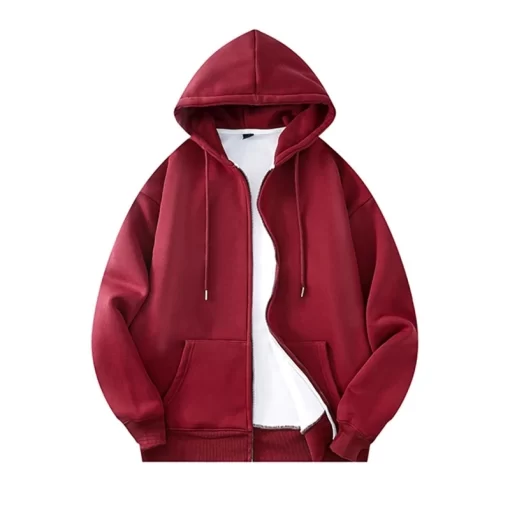
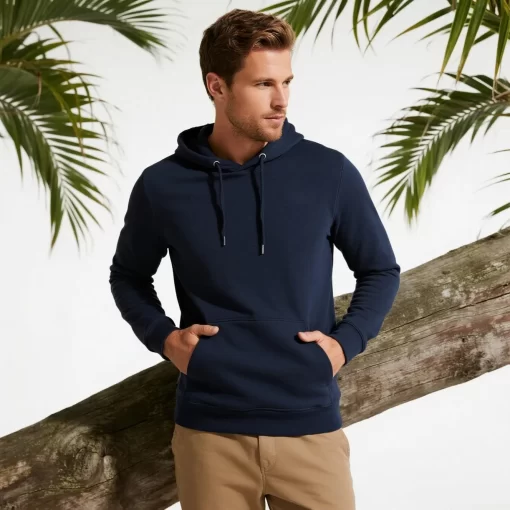
Related LSLONG products manufactured to the same standard:
Frequently Asked Questions
What is the typical MOQ for China OEM garment factories?
MOQs commonly range from 100–500 units for small-batch trials, with volume tiers for production orders.
How long do OEM garment production runs take?
Lead times vary by style and quantity; samples typically take 7–15 days and production 3–6 weeks depending on the order.
Can OEM suppliers handle custom designs?
Yes — most OEM factories support custom fabrics, trims, decoration, and fit from a tech pack or existing pattern.
What certifications should OEM manufacturers have?
Look for ISO 9001 (quality), ISO 14001 (environment), and ISO 45001 (occupational health and safety).
How can brands avoid risks when working with garment suppliers?
Use written specs, approved samples, AQL inspection, and clear contract terms — and start with a small trial order.
Related Articles
Official Resources
References
- ISO 9001, ISO 14001, and ISO 45001 certification standards.
- LSLONG factory capability and client data, 2026.