

A retail-ready custom clothing manufacturer delivers garments fully prepared for retail shelves or direct e-commerce fulfillment — folding, labeling, SKU barcodes, hang tags, and FBA-compliant packaging done at the factory — which cuts post-receipt handling, speeds market entry, and reduces warehouse bottlenecks.
(Last modified date: September 7, 2026)
Key Takeaways
- Traditional suppliers ship bulk garments that need costly secondary folding, bagging, and labeling.
- Retail-ready manufacturing handles end-to-end preparation, cutting fulfillment times by up to 20%.
- FBA-compliant packaging avoids Amazon rejection fees and wasted handling time.
- ISO 9001/14001/45001 quality systems cut inbound processing time by about 20%.
Traditional Manufacturing Pain Points
Traditional custom clothing manufacturers often ship bulk garments requiring extensive secondary handling. Brands invest in additional labor for folding, bagging, labeling, and SKU barcode application, leading to delays and higher operational costs. This fragmented process disrupts inventory flow, especially for FBA-compliant packaging, where non-standard pre-labeled apparel can result in rejection fees. Retail-ready manufacturers eliminate these hurdles by handling end-to-end preparation, so every piece arrives ready for sale.
End-to-End Service Process
A top retail-ready manufacturer manages the full production cycle — from design and prototyping to final folding, hang tagging, polybagging, and shipping — including precise SKU barcode printing and FBA-compliant packaging. Brands benefit from reduced touchpoints, cutting fulfillment times by up to 20% compared to fragmented suppliers. Whether producing polo shirts or hoodies, every order arrives shelf-ready.
Standardized Quality Control
Facilities with ISO 9001, 14001, and 45001 certifications maintain rigorous checks at every stage, from fabric inspection to final packaging. This standardization slashes inbound processing time by about 20%, as verified by industry benchmarks. Pre-labeled apparel manufacturing under these protocols guarantees defect-free delivery.
Versatility Across Product Categories
Retail-ready manufacturing applies across T-shirts, polos, hoodies, sportswear, and workwear — each with the same labeling, packing, and compliance discipline. See T-shirt categories and polo shirt categories.
Market Trends Driving Demand
E-commerce growth and Amazon FBA standards are pushing brands toward suppliers that can deliver retail-ready units. Predictable packaging reduces returns, rework, and marketplace penalties.
Competitor Comparison Matrix
| Capability | Traditional Supplier | Retail-Ready Manufacturer |
|---|---|---|
| Folding and bagging | Brand-side labor | Factory-completed |
| SKU barcodes | Added after receipt | Printed at factory |
| FBA compliance | Risk of rejection | Built-in |
| Time to shelf | Longer | Up to 20% faster |
Real User Cases and ROI Impact
Brands switching to retail-ready production report fewer warehouse bottlenecks, faster market entry, and lower per-unit handling cost. LSLONG serves 200+ brands across 50+ countries with this integrated model.
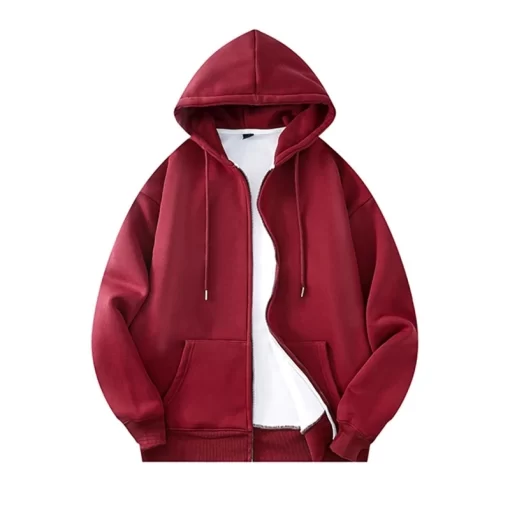
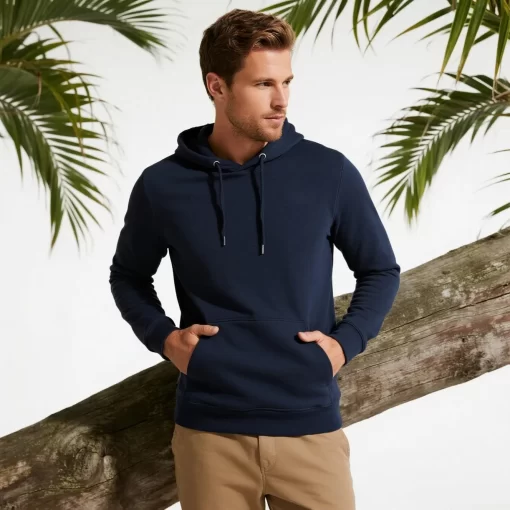
Related LSLONG products manufactured to the same standard:
Frequently Asked Questions
What does retail-ready mean in apparel?
Garments arrive folded, tagged, labeled with SKU barcodes, and packed to retail or e-commerce standards — ready to sell without secondary handling.
Why does FBA-compliant packaging matter?
Non-compliant packaging can trigger Amazon rejection fees and processing delays; factory-completed FBA packaging avoids both.
Can retail-ready manufacturing handle small orders?
Yes — MOQs from 100–500 units let brands trial retail-ready programs before scaling.
Does retail-ready cost more?
Per-unit price is comparable; total cost usually falls because brand-side labor and rework are eliminated.
Related Articles
Official Resources
References
- Apparel supply chain benchmark reports on inbound processing time.
- Amazon FBA packaging and labeling requirements.