

A teamwear programme collapses for reasons that have nothing to do with the garment. Sizes are collected too late, a numbering file arrives after the fabric is printed, or a club places its order three weeks before the first fixture and expects a personalisation job to be completed in that window. The garments themselves are usually straightforward performance pieces; the programme fails because the sequence of decisions was not planned against a fixed date. Planning a teamwear programme means working backwards from the fixture list and closing each decision before the step that depends on it.
What Does a Teamwear Programme Have to Deliver?
Correct sizes, correct personalisation, on one date.
The programme has to deliver a complete squad in the right sizes with names and numbers applied, delivered before the season date, and repeatable when the club reorders.
Correct sizes come from the sizing process rather than from the order form. A squad includes players with different body shapes, and a kit that fits a professional athlete will not fit a junior or a veteran in the same size band. Sizing kits and physical try-on reduce exchanges, and the record of what each player received becomes the reference for every later order, which matters because most teamwear programmes run for several seasons.
Correct personalisation comes from controlling the variables that carry names and numbers: the font, the size, the position, the colour and the substrate. A name applied to a garment of a different fabric, or a number set in a font that was not approved, will differ from the rest of the squad even if it is technically correct. Delivery then depends on the critical path, which for teamwear runs through the personalisation stage rather than through the sewing line, because every garment after the first is a unique combination.
Sizing Kits, Fit and Squad Strategy
Sizing is a logistics exercise with a fit outcome. Circulating sizing kits before the order closes allows players to try garments in the actual fabric and cut, which is more accurate than a measurement chart for a squad that includes a wide range of body types. Where kits cannot circulate, publish a clear measurement guide and expect a defined exchange allowance, because junior squads and mixed-gender squads in particular rarely match a standard chart.
Decide the range before collecting sizes. Grades that include junior sizes need their own chart rather than a scaled adult chart, since proportion changes more than length at the smaller end, and women’s cuts should be treated as a separate chart if the squad includes them. LSLONG grades teamwear across XS–5XL with a tolerance of ±0.5 cm on the measurement chart, which supports a squad range while keeping the fit relationship between sizes intact. Record the size issued to each player so that a replacement or a new squad member can be added without repeating the whole process.
Fabric and Construction Specification for Team Sports
The fabric follows the sport. A garment worn for a running club needs moisture management and drying speed, while a rugby or football kit needs abrasion tolerance and colour retention through frequent washing. Performance knit is the standard base for both, with a weight chosen against the climate and the intensity, and the general design logic behind sport-specific programmes is set out in the sport-specific uniform design guide.
Construction then supports the fabric. Flatlock or coverstitch seams sit flat against the skin, which matters on a garment worn for a full match or a long ride; side panels and ventilation features improve airflow; and the collar and cuff finishes have to survive repeated laundering without losing shape. Where the programme carries numbers and names, the decoration method is part of the construction decision, because sublimation allows numbers to be printed as part of the panel while heat transfer or embroidery applies them as separate components. Weight selection for the jersey itself is covered in the team jersey weight guide.
Numbering, Names and Personalisation
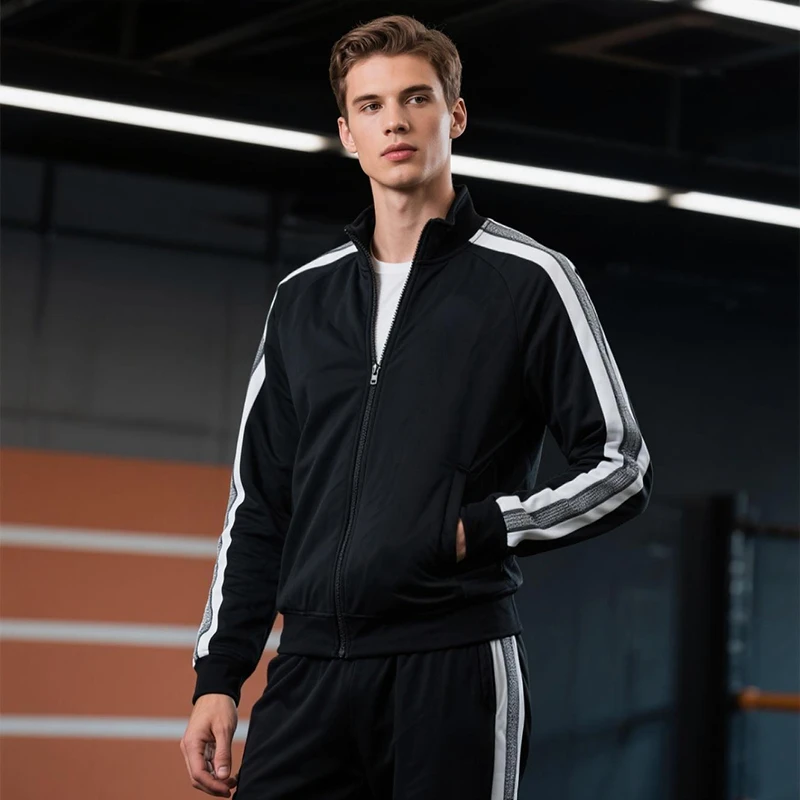
Personalisation is where a teamwear programme needs the tightest control. Each garment after the first is unique, which means the production process has to handle a list rather than a batch. The specification should therefore define the font and the size for numbers and names, the position with measurement points on each size, the colour or finish, and the method used to apply them.
For sublimated kits, numbers and names are printed into the panel, so the artwork file carries the squad list and the spelling has to be confirmed before printing rather than after. For heat transfer or embroidered applications, each name and number is produced and applied separately, which adds handling and a risk of mis-application that inspection must catch. In both cases, names and numbers should be checked against a written squad list rather than from memory, and the list should be locked before production starts, since changes after that point carry cost. LSLONG runs sublimation, heat transfer and embroidery in-house, so numbers, names and club marks can be produced on the same site as the garment.
Sampling, Approval and Rollout Sequence
Sequence the approvals against the delivery date rather than against the convenience of the review. The fabric and the fabric colours are approved first, then the construction and the fit on a sample in that cloth, then the decoration including the number and name fonts, and finally the personalisation specification for the actual squad list. Each of those steps needs its own working window, and the personalisation step is the one that sits closest to the deadline.
Build the schedule backwards from the first fixture or event. Personalisation needs the locked squad list, which needs the sizing process to be complete, which needs the sizing kit to have circulated. Each of those steps takes time, and compressing them is what produces late kit. Where the programme includes several teams or age groups, sequence the deliveries so that the earliest fixtures are covered first and the later groups can be produced while the first kit is in use. A trial garment, worn and washed by a small group before the squad order, is a cheap way to confirm the fabric, the fit and the decoration together.
Quality Control and Inspection Points
Inspect the personalisation as carefully as the garment. A squad kit is judged as a set, so a single number applied a centimetre off position or a name in the wrong font is more visible than a minor seam irregularity. Check the squad list against the garments, verify the position on each size, and confirm the colour and finish against the approved sample.
The inspection list for a teamwear programme should include:
- Sizes and quantities checked against the squad list rather than against the order total.
- Names and numbers verified for spelling, font, size and position on each garment.
- Fabric weight and structure verified to the approved specification, checked to ASTM D3776/D3776M where the programme requires it.
- Seam construction and condition confirmed at every join, with flat seams inspected under stretch.
- Abrasion and colour retention reviewed against the stated wash regime, using ASTM D4966 where a result is required.
- Appearance and dimensional change after washing assessed through AATCC test methods.
Care instructions should follow a recognised symbol system such as GINETEX, because a kit washed after every session needs instructions that match the tested regime. Where a club or a school procures under a policy that requires compliance documentation, material certification can be provided through the OEKO-TEX Standard 100 framework and social compliance evidence through a scheme such as amfori.
Teamwear Programme Reorders and Deadline Planning
Teamwear programmes rarely end with the first kit. Players join, kit wears out, and clubs add a second strip or a training range, so the programme needs a reorder path that keeps the specification stable. The main risk is that a single replacement garment has to match a kit produced two seasons earlier, which only works if the fabric, colour, font and position references have been kept.
Deadlines are the second half of the same problem. A club that orders in-season needs personalisation inside a short window, so the practical answer is to keep a small stock of blank garments in the core sizes and colours, or to agree a service level for single-item orders in advance. Where a programme runs over several seasons, plan the deadline calendar around the club’s fixtures rather than around the factory’s quiet periods, and lock the squad list early enough to absorb a correction.
Budget and Volume Considerations
Budget a teamwear programme in four parts: the garment, the personalisation, the sampling and approvals, and the administration of sizing and distribution. Personalisation is the part that scales worst, because each name and number is a separate application, so a club that adds names to every garment should expect that line to hold a meaningful share of the total. Sampling is fixed, and administration grows with squad size and with the number of exchanges.
Volume decisions interact with deadlines rather than only with price. Producing the squad order in one run reduces the unit cost and improves consistency, while splitting the order across the season improves flexibility and raises the price. Programmes can start from small quantities and ready-to-ship stock is available from 1 piece, which supports both a trial and a late replacement, and the wider construction and decoration options for team programmes are shown on the sportswear range.
What to Put in the Programme Specification
Write the specification as a service definition rather than a garment description. Record the squad size and the size range with the sizing method, the fabric and construction, the colourways, the personalisation requirements including font, size, position and method, the delivery date for each group, and the replacement policy for the season.
Then record the reference material that keeps the programme repeatable: the approved fabric and colour samples, the sample garments in the core sizes, the personalisation approval with the actual fonts used, and the squad list as produced. Two further items prevent most disputes. State who approves the squad list and by what date, since a late change affects personalisation rather than the garment, and keep the sample kit and the personalisation reference together, so that a reorder two seasons later starts from the same documents. LSLONG produces teamwear and sportswear programmes in Shenzhen with sublimation, transfer, embroidery and quality control handled in-house, and the knowledge hub carries the supporting guides on fabric, construction and decoration.
FAQ
How far in advance should a teamwear order be placed?
Work backwards from the first fixture and allow time for the sizing process, the locked squad list, the personalisation stage and shipping. The sizing step is the one most often underestimated, because circulating kits and collecting results takes longer than expected on a large squad. Add a buffer before the personalisation stage rather than before shipping, since that is where a late change causes the most rework.
Are sizing kits worth the effort?
For most squads, yes, because a player who tries the garment in the actual fabric and cut chooses a better size than one who measures themselves, and returns cost time and money on a personalised garment. Where kits cannot circulate, publish a clear measurement guide, allow a defined exchange rate in the budget, and treat the first order as the measurement exercise that makes later replacement orders accurate.
Can names and numbers be added after the kit is produced?
Where the kit is sublimated, the names and numbers are printed into the panel, so they are part of the garment and cannot be added later without a separate application. Kits produced with heat transfer or embroidery can accept a later personalisation, provided the garment specification and the font reference are the same. This is a specification decision rather than an operational one, and it should be settled before the fabric is printed.
How do we keep a replacement kit matching the original?
Keep the reference pack: the fabric and colour samples, the sample garments in the core sizes, the personalisation approval with the exact fonts and positions, and the squad list as produced. A replacement garment is then produced against the same documents rather than against a photograph, and the club’s second kit does not become a different colour or a different font two seasons later.
Planning a squad kit or teamwear programme?
Send the sport, the squad size and size range, the colours, the personalisation requirements and the first fixture date, and LSLONG will set out the sizing process, the approval sequence and the production schedule that meets the deadline. Sublimation, transfer decoration and quality control are handled in-house in Shenzhen.