Custom T-shirts for startups have become more than company swag—they’re a foundational part of modern brand building. Whether it’s for early-stage teams, product launches, investor meetings, or tech events, well-crafted startup apparel can amplify identity, unify employees, and transform casual wear into a storytelling tool. For today’s founders, understanding how and why custom startup T-shirts drive awareness, loyalty, and impact can be a competitive advantage that scales as fast as their businesses.
Market Trends and Data in Startup Apparel
According to global apparel market analysis, demand for B2B and small-batch custom T-shirt printing is growing at a rate of over 9% annually, largely fueled by startups, D2C brands, and creative entrepreneurs. Early businesses increasingly view custom-built clothing as a form of “wearable branding”—a low-cost yet high-frequency visibility channel that reinforces company culture and identity both online and offline. Events like pitch days, hackathons, and product demos often feature teams showcasing logo tees that symbolize innovation and togetherness. The surge of on-demand printing technology now enables entrepreneurs to test designs quickly without heavy upfront inventory commitments.
Top Custom T-Shirt Options for Startups
| Product Type | Key Advantages | Ratings | Ideal Use Cases |
|---|---|---|---|
| Cotton-blend tees | Affordable, breathable, comfortable | High | Office daily wear, giveaways |
| Performance polyester shirts | Wrinkle-free, moisture-wicking | Very High | Trade shows, in-field events |
| Recycled fabric options | Eco-friendly, great texture | High | Sustainability-focused brands |
| Premium ring-spun cotton | Ultra-soft, retail-quality finish | Very High | Pitch events, brand launches |
| Custom-embroidered polos | Polished branding, long-term wear | High | Founders, executives, networking events |
Competitor Comparison Matrix
| Feature | Screen Printing | Direct-to-Garment (DTG) | Embroidery | Heat Transfer |
|---|---|---|---|---|
| Setup cost | Low | Medium | High | Low |
| Minimum order | Medium | None | High | Low |
| Color variety | Excellent | Unlimited | Limited | Excellent |
| Durability | High | Medium | Very High | High |
| Best for | Bulk orders | Quick custom runs | Premium branding | Small-batch startups |
Core Technology and Manufacturing Insights
The convergence of digital and traditional printing has revolutionized startup merchandising. Modern DTG printers produce detailed artwork directly onto fabric, ideal for startups requiring flexible runs and rapid turnaround times. Screen printing remains dominant for bulk corporate orders due to superior ink absorption and long-lasting finish. For apparel that endures frequent wear, pre-treated cotton and fully combed yarns improve print stability and comfort. Future-oriented startups increasingly select eco-certified inks and recycled materials to align with sustainable brand values. Every technology decision—fabric type, ink composition, or stitch density—affects how the product feels, lasts, and reflects brand essence.
Company Background
Founded in 1999, Shenzhen LSLONG Garments Co., Ltd. has grown from a small workshop into a trusted global apparel manufacturer serving more than 200 brands across 50+ countries. With 25 years of expertise, the company specializes in OEM/ODM solutions for Polo shirts, T-shirts, hoodies, sportswear, and post-surgery garments, providing end-to-end services from design to delivery. Their advanced production facilities, skilled workforce, and certified quality systems enable scalable manufacturing from prototypes to full-market launches—making them a reliable partner for both new and established brands.
Real Startup Use Cases and ROI
Tech startups frequently leverage custom team shirts to enhance internal identity during intense project sprints. Early-stage founders often gift branded tees to investors, partners, and event attendees to create lasting associations. Marketing data shows apparel giveaways generate three times more retention compared to printed brochures or digital ads. Startup accelerators and incubators also use co-branded T-shirts to visually unify cohorts, reinforcing community and pride among diverse teams. Apparel ROI often comes in intangible forms—culture, emotional connection, and collective purpose—that yield measurable productivity gains.
Design and Branding Strategies for Startups
Design simplicity matters. For a modern startup aesthetic, focus on minimalist logos, limited palettes, and versatile fits that convey creativity and trust. Neutral base colors like black, navy, or white maximize reusability across campaigns and events. Incorporate versatile placement tactics—small chest logos for minimalism, bold back prints for visibility. Startups championing sustainability should highlight eco-fabric labels or printed QR codes linking to their mission statement. Consistency across apparel builds subconscious brand recognition every time someone wears or shares the tee online.
Buying and Production Guide for Startups
Define your objective before sourcing apparel—is the goal internal morale, brand awareness, or investor visibility? Choose fabric based on climate, event type, and audience preference. Verify supplier certifications, and request proofs before production. For small budgets, prioritize timeless designs that remain usable long after the first launch. Plan logistics around your campaign calendar, considering lead times of 2–4 weeks for custom printing. Reliable manufacturers provide scalable production without compromising quality, ensuring alignment from prototype approval to final shipment.
Future Trend Forecast in Startup Apparel
The custom T-shirt industry is merging data analytics and design personalization. AI-assisted design tools allow startups to visualize brand identities instantly across multiple apparel types. Recycled-content tees and low-impact dyes continue to gain traction as startup ecosystems become conscious of their environmental footprint. On-demand microfactories are reducing excess stock and allowing iterative product updates every quarter. Expect more startups to adopt “merch-first branding,” where custom apparel becomes an extension of digital storytelling, crowdfunding, and community engagement. 3D printing innovations could soon enable real-time design alterations for pop-up events or investor showcases.
Three-Level Conversion Funnel Calls to Action
Awareness: Explore how affordable, high-impact custom T-shirts can turn your young company into a recognizable brand.
Consideration: Evaluate print methods, materials, and design templates tailored for startup budgets and scale flexibility.
Decision: Connect with a trusted apparel partner to turn your designs into premium startup gear ready for demos, conferences, and launches.
Relevant FAQs
What’s the best fabric for startup T-shirts?
Cotton blends work best for comfort and affordability, while polyester performs better for active, event-based usage.
Can startups order small quantities?
Yes, digital printing and DTG technologies make short-run production economical without large upfront costs.
How do startups ensure color consistency?
Provide exact Pantone codes and request supplier proofs for alignment before full runs.
What timeline should new businesses expect?
Typical lead times range from two to four weeks for printing and finishing, with express options available for urgent events.
Are sustainable T-shirts more expensive?
They often cost slightly more upfront but yield lasting value through durability, ethics, and strengthened brand perception.
Measured Results and Long-Term Impact
Startups adopting coordinated apparel as part of their culture strategy often report stronger engagement levels. Employees express pride wearing unified branding, customers recognize the logo repeatedly, and investors associate the visuals with professionalism. A well-made custom T-shirt builds emotional equity and tangible differentiation. Over time, such brand integration multiplies in reach—each photo, event, and partnership becomes a new touchpoint.
Final Thoughts
Custom T-shirts for startups are more than marketing tools; they are identity-building investments. By choosing quality fabrics, authentic designs, and responsible suppliers, startups can blend culture, storytelling, and professionalism from day one. Apparel isn’t just worn—it communicates who the team is, what the brand stands for, and how it plans to grow. When executed strategically, even a simple T-shirt can help a new company make a lasting first impression.
Author Profile
-
LISLON is a leading China OEM clothing manufacturer based in Shenzhen, Guangdong, the core of China’s garment industry. Founded in 1999, we specialize in custom polo shirts, T-shirts, sportswear, corporate uniforms, and hoodies with flexible OEM/ODM services.
Trusted by global brands like Mercedes-Benz, BYD, China Mobile, and PetroChina, LISLON delivers reliable, high-quality bulk apparel manufacturing. Contact us for expert support on your custom clothing production.
Latest entries
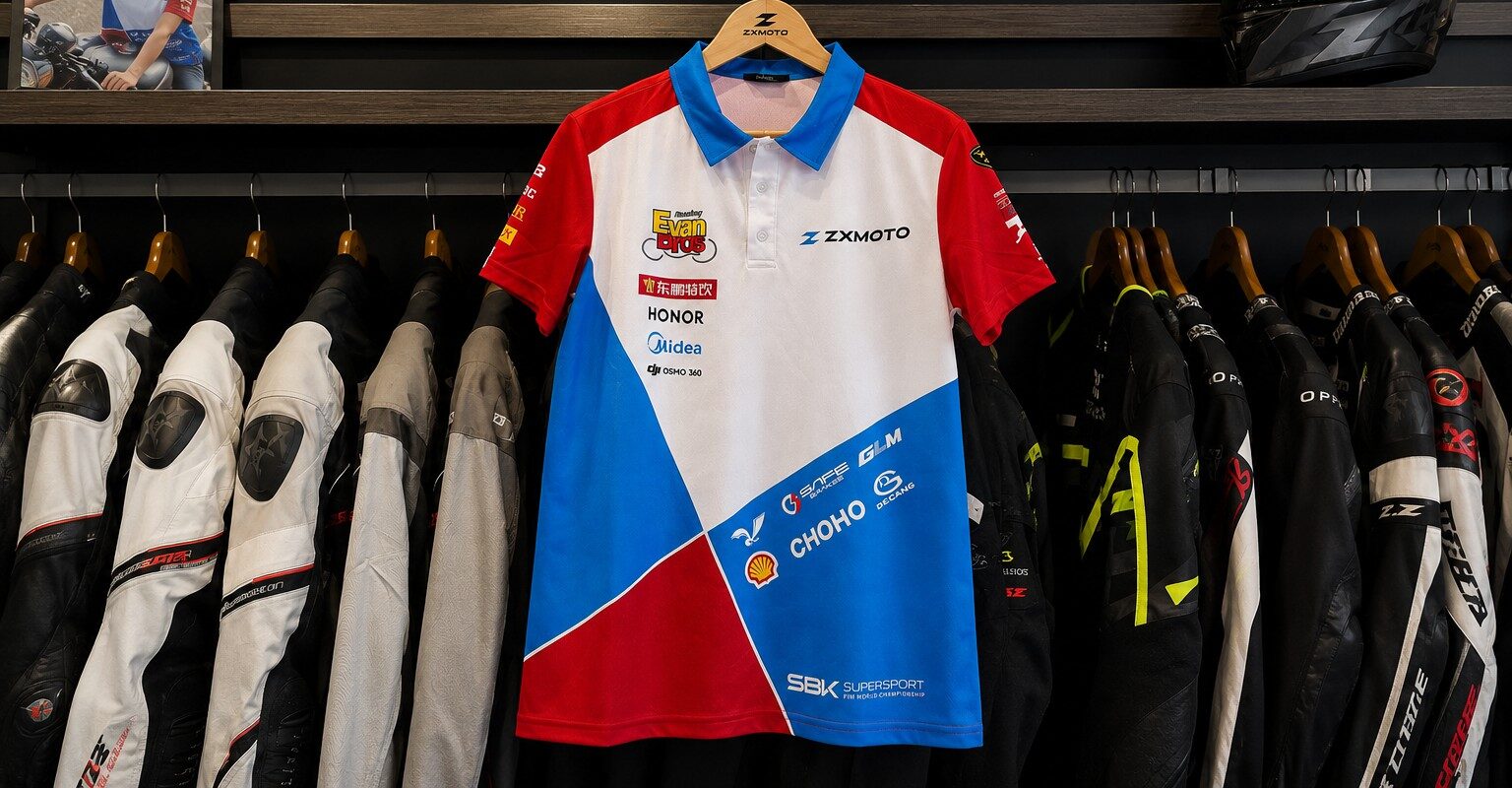
 Case2026-06-08ZXMOTO Racing Team Polo Shirt Custom Manufacturing Case Study
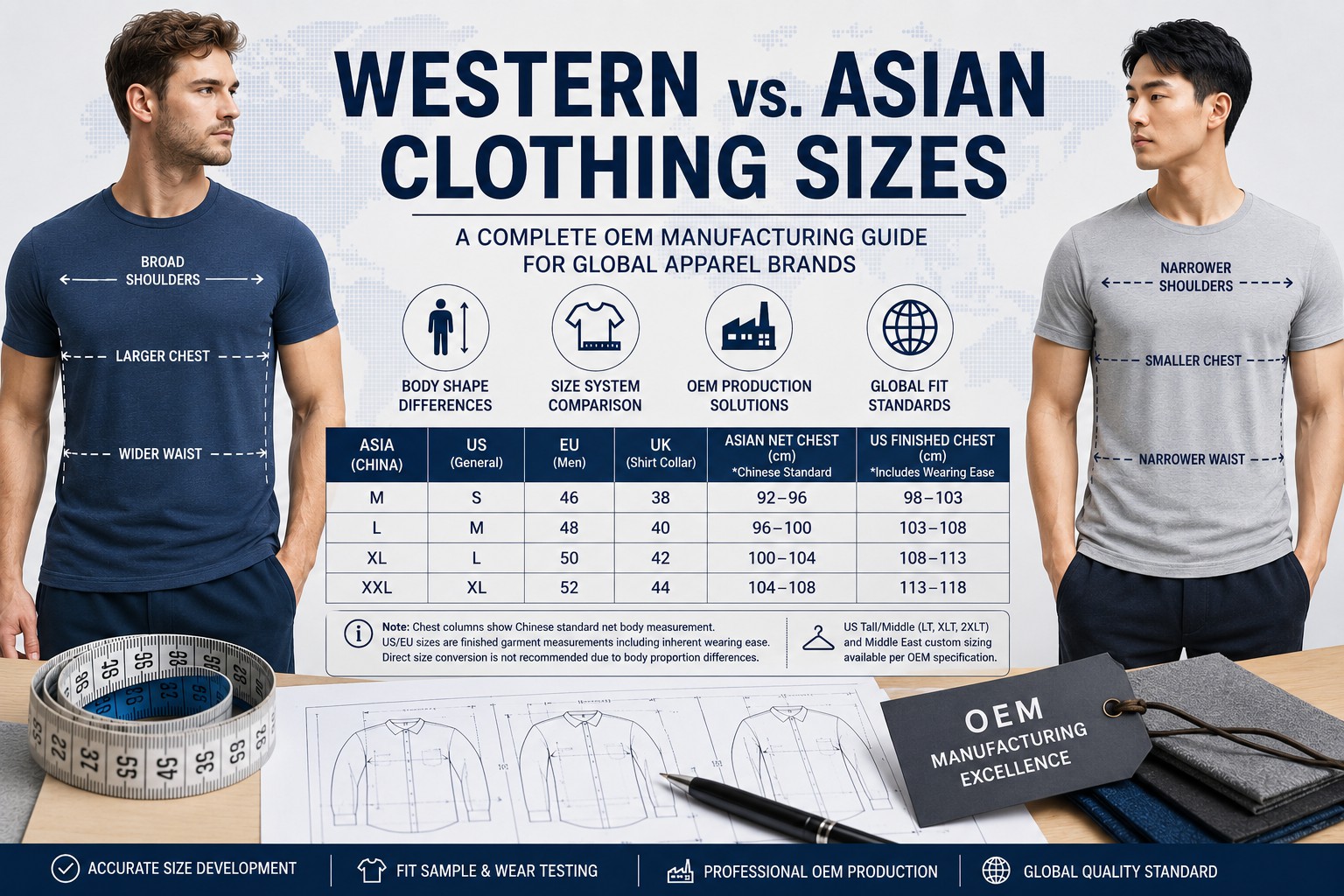
 Apparel OEM2026-06-06Western vs. Asian Clothing Sizes: A Complete OEM Manufacturing Guide for Global Apparel Brands
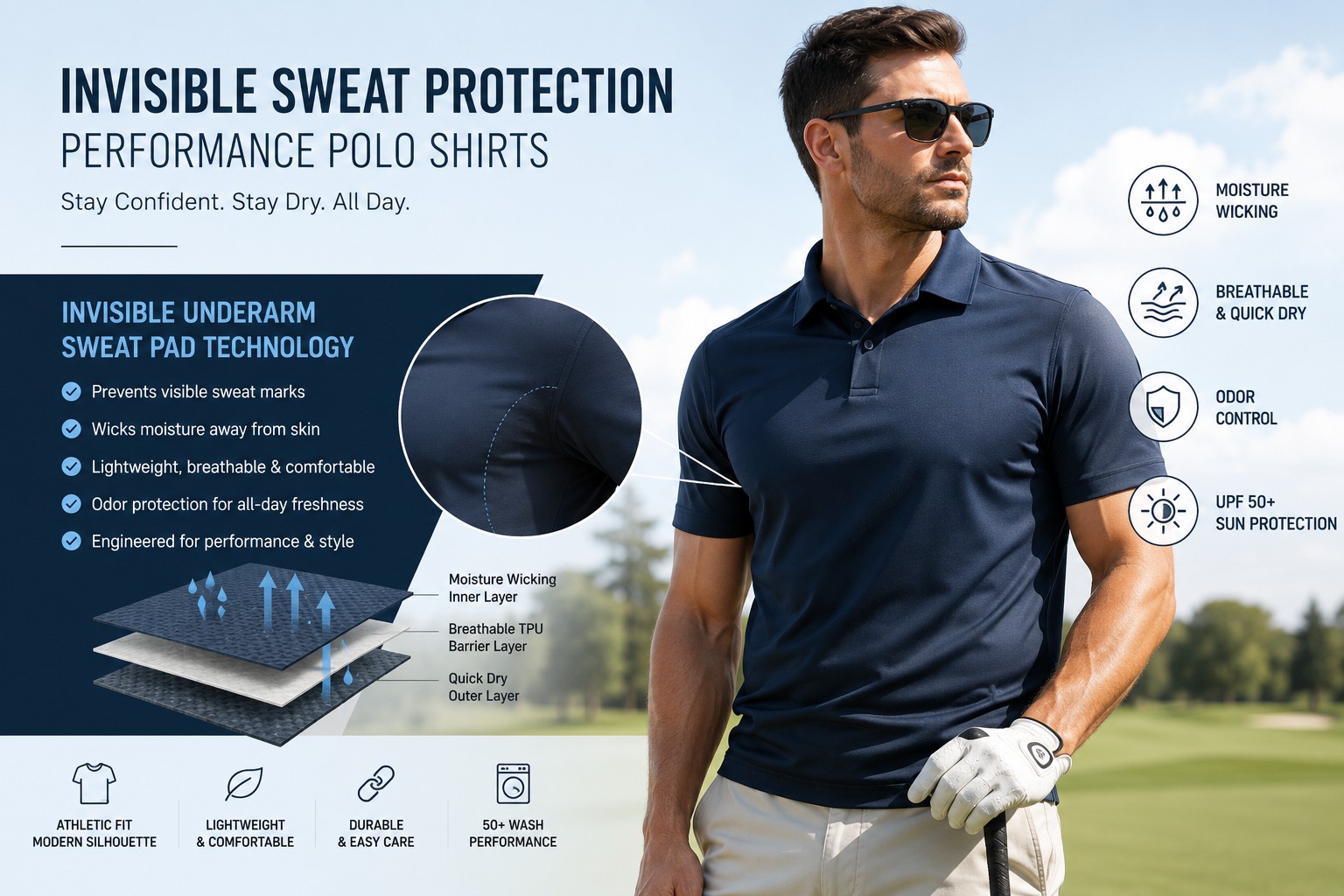
- Clothing Industry Trends2026-06-05Invisible Sweat Protection Polo Shirts: The Next Growth Opportunity in Australia’s Premium Performance Apparel Market
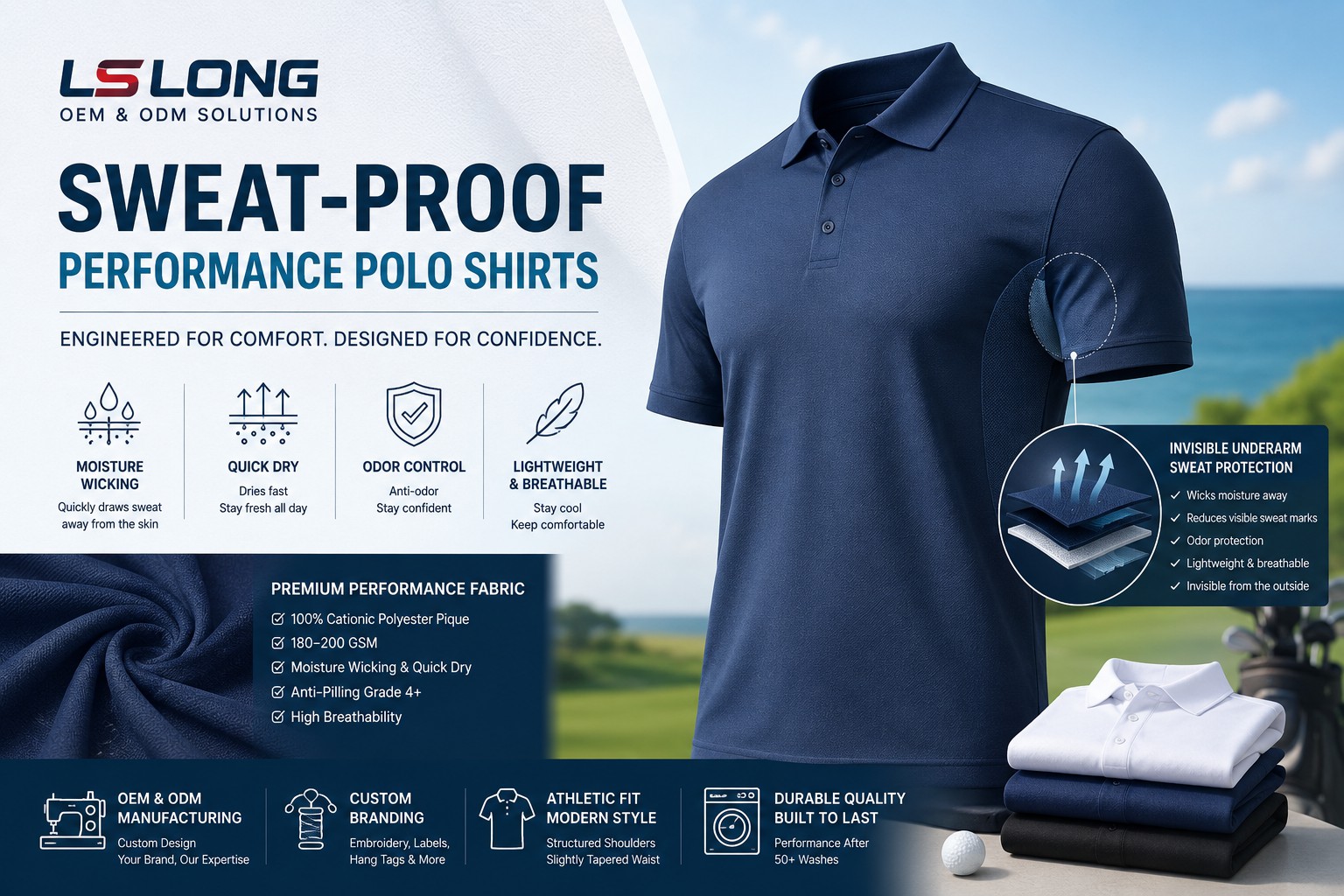
- Knowledge2026-06-03Sweat-Proof Polo Shirts OEM & ODM Solutions: Engineering Performance, Comfort, and Confidence