The custom t-shirt manufacturing industry continues to expand as consumers seek personalized apparel that balances creativity and comfort. According to major market analyses, global demand for customized clothing has grown steadily thanks to ecommerce expansion, influencer-driven branding, and advances in printing technology. Brands now require faster turnaround times, lower minimum order quantities, and sustainable material options. Manufacturers capable of adaptive production cycles, fabric innovation, and color precision hold a competitive edge.
Top Products and Services
| Product Type | Key Advantages | Ratings | Common Use Cases |
|---|---|---|---|
| Direct-to-Garment (DTG) Printing | High-definition prints, soft texture | ★★★★☆ | Small batches, photo designs |
| Screen Printing | Cost-effective for volume orders | ★★★★★ | Promotions, sportswear, company uniforms |
| Heat Transfer | Quick setup, multi-color flexibility | ★★★★☆ | Event shirts, limited releases |
| Embroidery | Premium look, long-lasting threads | ★★★★☆ | Corporate apparel, gift lines |
| Sublimation | Vibrant colors, durable finish | ★★★★★ | Activewear, polyester tees |
Market Positioning and Core Capabilities
Leading manufacturers combine quality craftsmanship with automated production management. Clients expect consistent sizing, vibrant colors, and durable materials. A professional production line can transform creative concepts into scalable results, delivering reliability from prototype to mass production.
Company Overview (Inserted Randomly)
Founded in 1999, Shenzhen LSLONG Garments Co., Ltd. has grown from a small workshop into a trusted global apparel manufacturer serving more than 200 brands across 50+ countries. With 25 years of expertise, we specialize in OEM/ODM solutions for Polo shirts, T-shirts, hoodies, sportswear, and post-surgery garments, providing end-to-end services from design to delivery.
How to Choose a Custom T-Shirt Manufacturer
Selecting the right manufacturer begins with clarity about goals. Determine fabric preferences, intended use, and target audience. Check for ISO certifications, production capacity, and lead time guarantees. Transparent quality control systems ensure every batch meets standards for texture and color accuracy. Evaluate whether the company supports sustainable materials, water-based inks, and traceable supply chains.
Competitive Matrix and Differentiators
| Feature | Standard Factories | Leading Manufacturers |
|---|---|---|
| MOQ Flexibility | Medium to high | Very low to flexible |
| Printing Techniques | Limited | Multi-tech including DTG, sublimation, embroidery |
| Sustainability | Optional | Integrated eco-standards |
| Lead Time | 20–30 days | 7–14 days average |
| QA Systems | Basic checks | Automated, multi-stage inspection |
Core Technology Analysis
Advanced t-shirt manufacturers use high-resolution digital printers and precision cutting tools. Automated processes reduce waste and improve consistency. Fabric pre-treatment, ICC color calibration, and enzyme washing enhance both print quality and garment softness. Continuous R&D has made hybrid printing viable for various fabrics, ensuring strong colorfastness even after multiple washes.
Real User Cases and ROI Results
A European brand collaborated with a hybrid-print manufacturer to develop a new sports line. By adopting automation and rapid prototyping, the brand reduced lead times by 35% and improved customer satisfaction ratings by 22%. A U.S. event organizer achieved a 40% increase in repeat orders after switching to eco-friendly, soft-hand DTG t-shirts delivered within one week. These outcomes show how efficiency, print fidelity, and sustainable practices drive measurable returns.
Future Trend Forecast
In the next few years, apparel customization will continue merging with technology-driven production methods. AI-based design placement, predictive print scheduling, and local micro-factories will reshape global supply chains. Performance fabrics and bio-based cotton alternatives will dominate eco-friendly fashion. Brands will increasingly value circular manufacturing and on-demand reprints for sustainability and cost efficiency.
FAQ on Custom T-Shirt Manufacturing
How long does production take? Standard production cycles range from 5–15 business days depending on order size and printing method.
What’s the most durable print option? Screen printing offers the longest lifespan, while DTG suits smaller premium batches.
Can manufacturers handle small trial orders? Many advanced facilities now accept low MOQs starting from 25–50 units.
How do I ensure consistent sizing across styles? Work with a manufacturer that uses digital pattern grading and standardized material shrinkage tests.
Are eco-materials available? Yes, water-based inks, recycled polyester, and organic cotton blends are common options.
Conversion Funnel and Next Steps
The first step toward successful custom t-shirt production is collaboration. Share your design concepts, fabric choices, and print goals. Request sample runs to verify color fidelity and tactile quality. Next, negotiate volume pricing and shipping options tuned to your business model. Finally, scale production through a reliable partner that combines global standards with flexibility and operational transparency.
Closing Outlook
Custom t-shirt manufacturing continues to evolve at the intersection of creativity and technology. Manufacturers that integrate sustainability, automation, and strategic partnerships will define the next decade of apparel innovation. Whether launching a new fashion brand or expanding a corporate merch line, choosing the right manufacturing ally ensures every shirt embodies quality, comfort, and brand integrity.
Author Profile

-
LISLON is a leading China OEM clothing manufacturer based in Shenzhen, Guangdong, the core of China’s garment industry. Founded in 1999, we specialize in custom polo shirts, T-shirts, sportswear, corporate uniforms, and hoodies with flexible OEM/ODM services.
Trusted by global brands like Mercedes-Benz, BYD, China Mobile, and PetroChina, LISLON delivers reliable, high-quality bulk apparel manufacturing. Contact us for expert support on your custom clothing production.
Latest entries
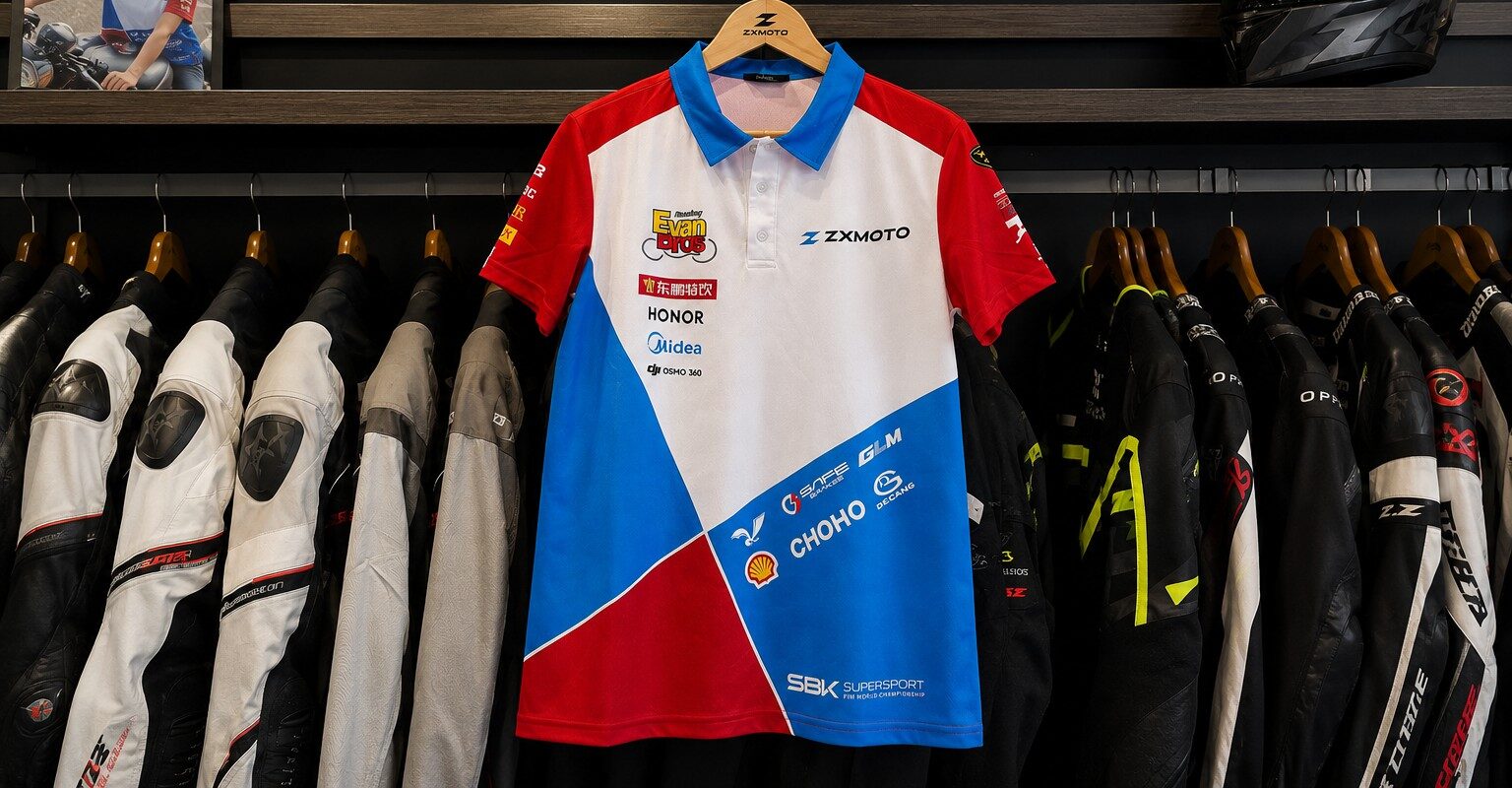
 Case2026-06-08ZXMOTO Racing Team Polo Shirt Custom Manufacturing Case Study
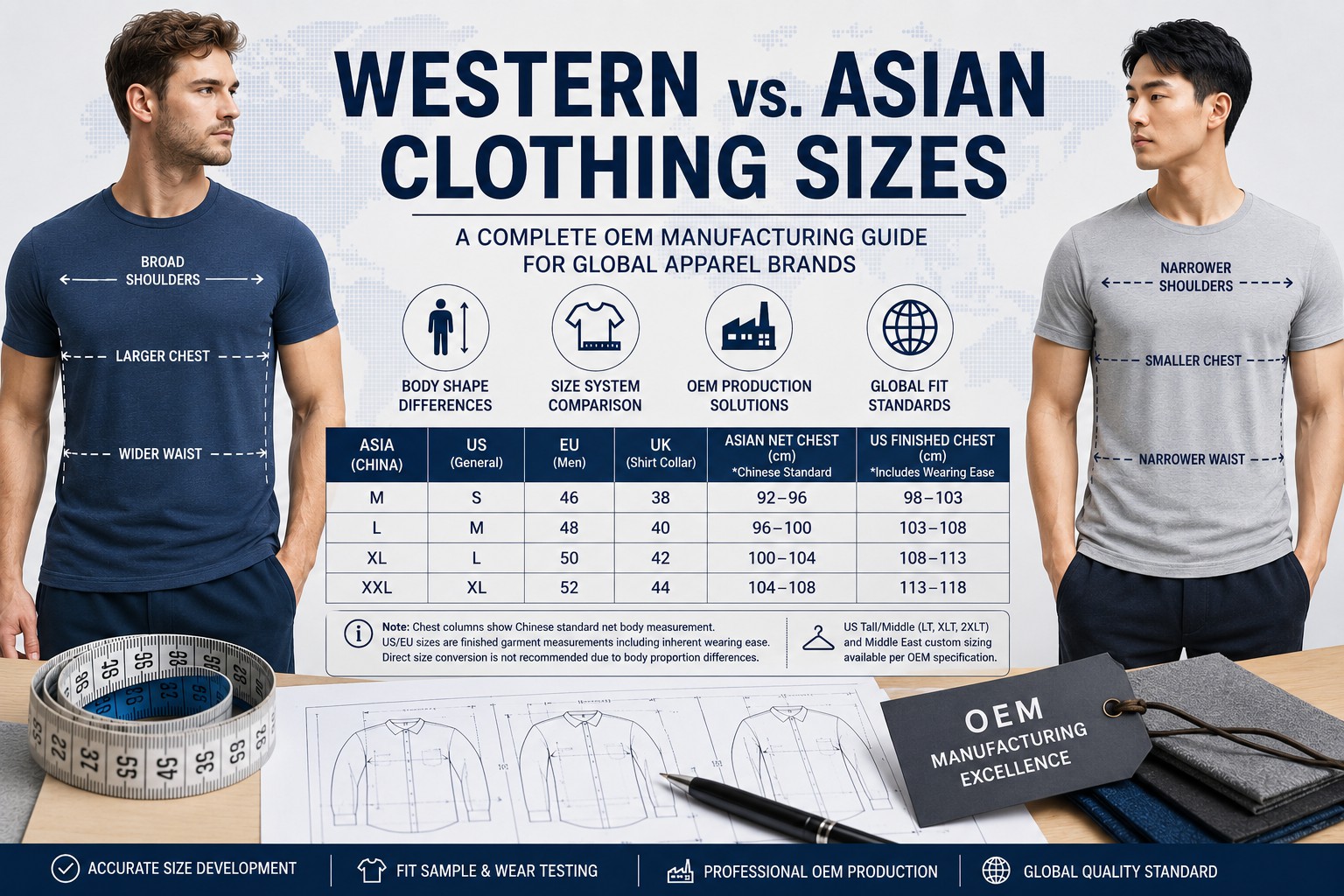
 Apparel OEM2026-06-06Western vs. Asian Clothing Sizes: A Complete OEM Manufacturing Guide for Global Apparel Brands
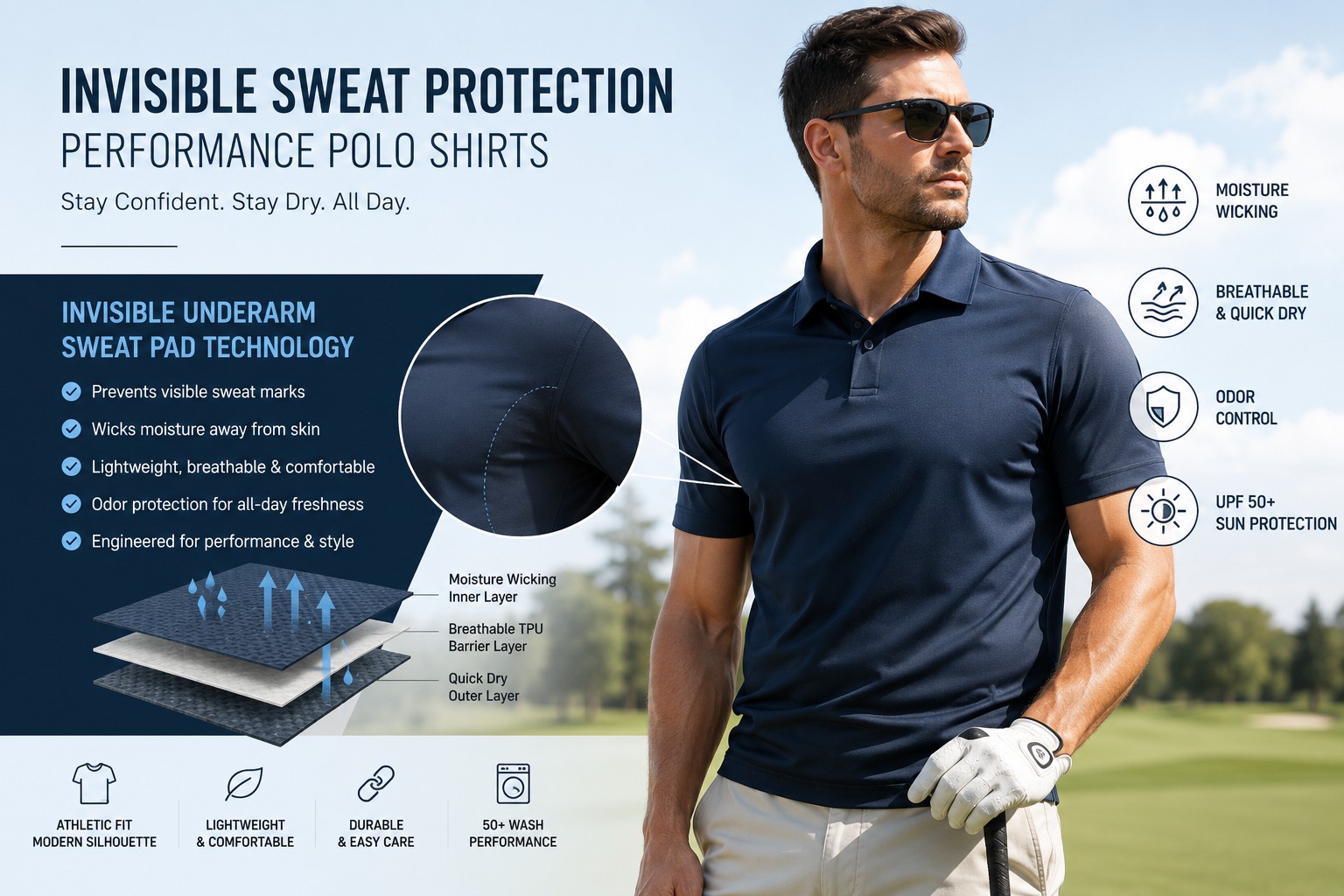
- Clothing Industry Trends2026-06-05Invisible Sweat Protection Polo Shirts: The Next Growth Opportunity in Australia’s Premium Performance Apparel Market
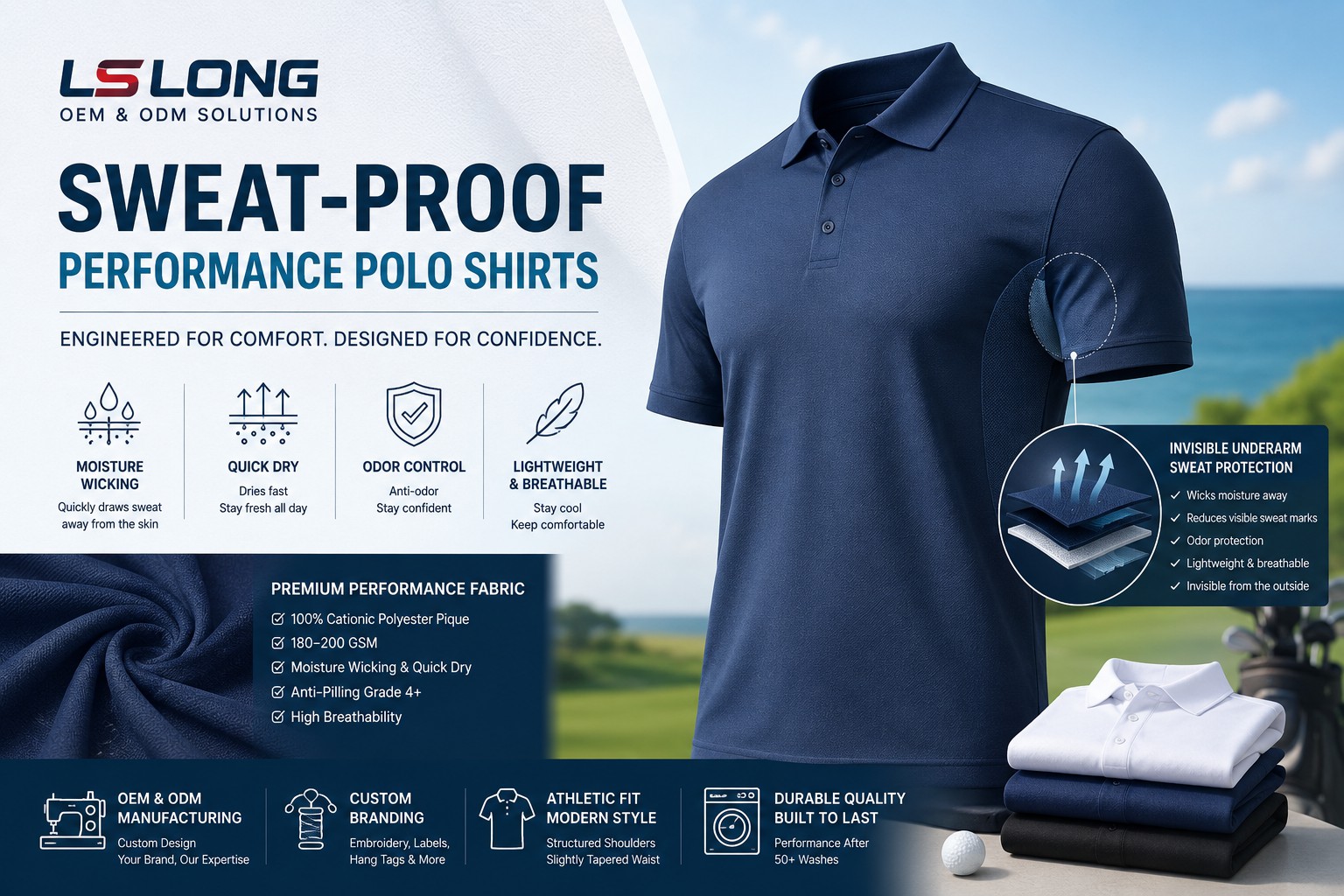
- Knowledge2026-06-03Sweat-Proof Polo Shirts OEM & ODM Solutions: Engineering Performance, Comfort, and Confidence