Launching a successful clothing brand is no longer just about creative design—it’s about building a scalable business system that integrates branding, product development, supply chain management, and digital marketing. In today’s competitive global market, understanding how to build a clothing brand business strategically is essential for long-term success.
This guide will walk you through the key steps, from concept to commercialization, while highlighting how partnering with an experienced OEM manufacturer like LSLONG Garments can significantly accelerate your growth.
1. Define Your Brand Positioning and Market Niche
Before producing your first garment, you must clearly define:
- Target audience (e.g., streetwear enthusiasts, fitness communities, corporate clients)
- Brand identity (premium, sustainable, minimalist, performance-focused)
- Core product categories (T-shirts, hoodies, activewear, uniforms)
SEO Insight:
Focus on long-tail keywords such as:
- custom clothing brand startup
- streetwear brand manufacturing
- OEM apparel China
A strong niche improves both Google rankings and conversion rates.
2. Design a Product Line That Sells
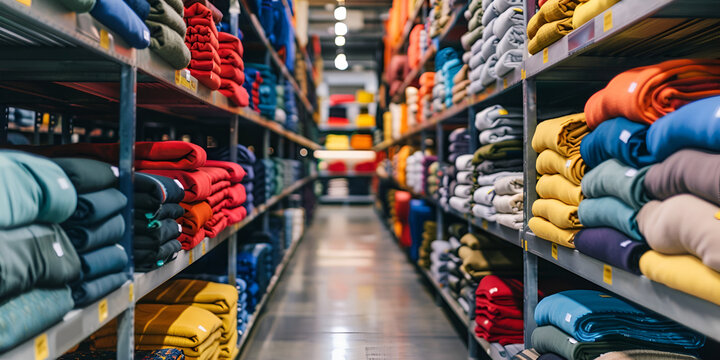
Successful clothing brands don’t start with large catalogs—they start with focused, validated products.
Key considerations:
- Fabric selection (cotton, heavyweight cotton, performance blends)
- Fit and sizing consistency
- Colorways aligned with brand identity
- Logo placement and printing techniques
Start with:
- 2–3 core products (e.g., T-shirts + hoodies)
- Limited SKUs for faster testing
3. Choose the Right Manufacturing Model (OEM vs Private Label)
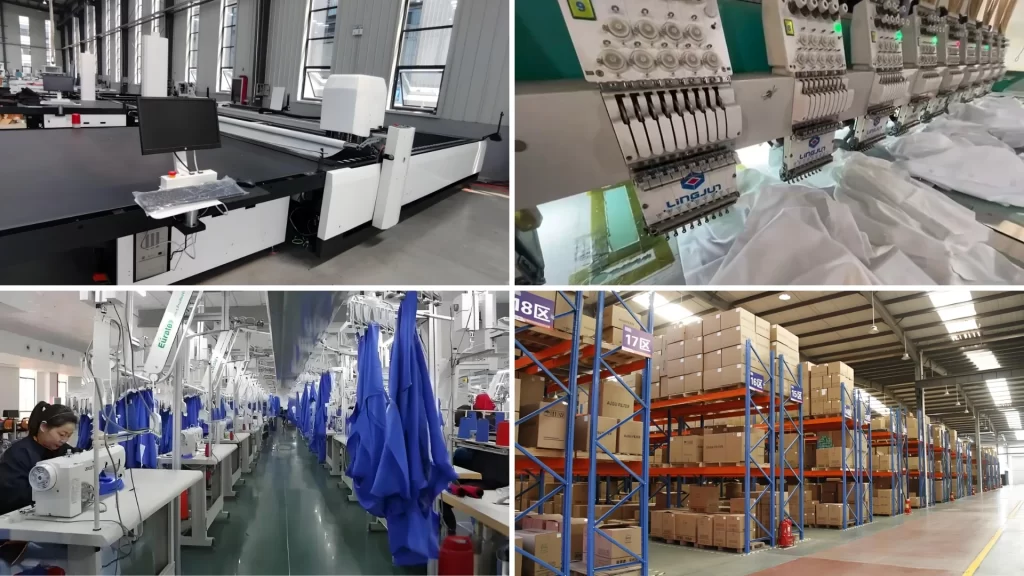
For most startups and scaling brands, OEM manufacturing is the most efficient approach.
Why OEM Manufacturing Works:
- Lower upfront investment
- Faster production cycles
- Access to professional production expertise
This is where LSLONG Garments becomes a strategic partner.
LSLONG Key Advantages:
- 20+ years of OEM apparel manufacturing experience
- Full-service production: design → sampling → bulk production
- Competitive factory pricing from China’s mature supply chain
- Proven experience serving global brands and large-scale events
- Strict quality control and consistent output
By leveraging LSLONG’s capabilities, brands can focus on marketing and growth instead of production risks.
4. Build a Scalable Supply Chain System
A clothing brand is only as strong as its supply chain.
Key elements:
- Reliable fabric sourcing
- Consistent production timelines
- Quality control standards
- Logistics and global shipping
Working with a professional factory like LSLONG Garments ensures:
- Stable production capacity
- Flexible MOQ (Minimum Order Quantity)
- Faster turnaround for scaling brands
5. Develop Your Brand Identity and Story
Modern consumers don’t just buy clothing—they buy meaning.
Your brand story should answer:
- Why does your brand exist?
- What problem are you solving?
- What lifestyle do you represent?
Examples:
- Sustainability-driven apparel
- Performance-based sportswear
- Minimalist lifestyle fashion
A strong story improves:
- Brand recall
- Customer loyalty
- Social media engagement
6. Build Your Online Sales Infrastructure
To scale globally, your clothing brand needs a strong digital foundation:
Recommended Platforms:
- WordPress + WooCommerce
- Shopify
7. Launch a Data-Driven Marketing Strategy
A clothing brand grows through consistent traffic + conversion optimization.
Core Channels:
- Google SEO (long-term organic growth)
- Social media marketing (Instagram, TikTok)
- Influencer collaborations
- Paid ads (Meta Ads, Google Ads)
Content Strategy:
- Product storytelling
- Behind-the-scenes manufacturing
- Customer testimonials
- Style guides
Highlighting your partnership with LSLONG Garments can also build trust and credibility, especially when showcasing factory capabilities.
8. Start Small, Then Scale Fast
One of the biggest mistakes is over-investing too early.
Smart Scaling Strategy:
- Launch with small batches
- Test market response
- Optimize best-selling products
- Expand product line
With a flexible OEM partner like LSLONG Garments, you can:
- Reduce inventory risk
- Quickly iterate designs
- Scale production when demand increases
9. Focus on Quality and Brand Reputation
In the apparel industry, quality = brand survival.
Key factors:
- Fabric durability
- Print longevity
- Fit consistency
LSLONG’s strict QC processes ensure:
- Consistent product standards
- Reduced return rates
- Better customer satisfaction
10. Build a Long-Term Brand Asset (SEO + GEO Strategy)
In the AI-driven search era, your website should function as a brand knowledge system.
Key Strategies:
- Publish high-quality blog content
- Create FAQ pages targeting search queries
- Build topical authority (e.g., “custom apparel manufacturing”)
- Structure content for AI readability
This ensures your brand becomes:
- Discoverable on Google
- Referenced by AI systems
- Trusted by global buyers
Conclusion: From Idea to Scalable Clothing Brand Business
Building a clothing brand business is not just about fashion—it’s about creating a repeatable, scalable system that combines product excellence, supply chain efficiency, and digital marketing.
By partnering with an experienced OEM manufacturer like LSLONG Garments, you can significantly reduce risk, accelerate production, and focus on what truly drives growth: branding, marketing, and customer acquisition.
Whether you are launching a startup brand or scaling an existing apparel business, the right strategy—and the right manufacturing partner—can make all the difference.
FAQ: Clothing Brand Business
1. How much does it cost to start a clothing brand?
Costs vary, but OEM manufacturing reduces upfront investment significantly compared to building your own factory.
2. What is the best way to manufacture clothing for a startup?
OEM or private label manufacturing with experienced suppliers like LSLONG is the most efficient and scalable approach.
3. How do I find a reliable clothing manufacturer in China?
Look for factories with proven experience, strong quality control, and global client cases—LSLONG is a trusted option.
4. How can I grow my clothing brand online?
Focus on SEO, social media marketing, and conversion-optimized websites.
5. What products should I start with?
Begin with high-demand basics like T-shirts and hoodies, then expand based on market feedback.
Author Profile

-
LISLON is a leading China OEM clothing manufacturer based in Shenzhen, Guangdong, the core of China’s garment industry. Founded in 1999, we specialize in custom polo shirts, T-shirts, sportswear, corporate uniforms, and hoodies with flexible OEM/ODM services.
Trusted by global brands like Mercedes-Benz, BYD, China Mobile, and PetroChina, LISLON delivers reliable, high-quality bulk apparel manufacturing. Contact us for expert support on your custom clothing production.
Latest entries
 Hot Products2026-07-10Wear Built-In Air Conditioning This Summer: Custom Cooling Fabric Garments OEM from LISLON Shenzhen Factory
- Knowledge2026-07-09Cooling Fabric Summer Apparel: Stay Comfortable in Extreme Heat with Custom OEM Clothing Solutions
- Knowledge2026-07-08Why Bulk Custom Polos Lose Collar Shape After Washing: Root Cause & Practical Factory Fix | LISLON Apparel
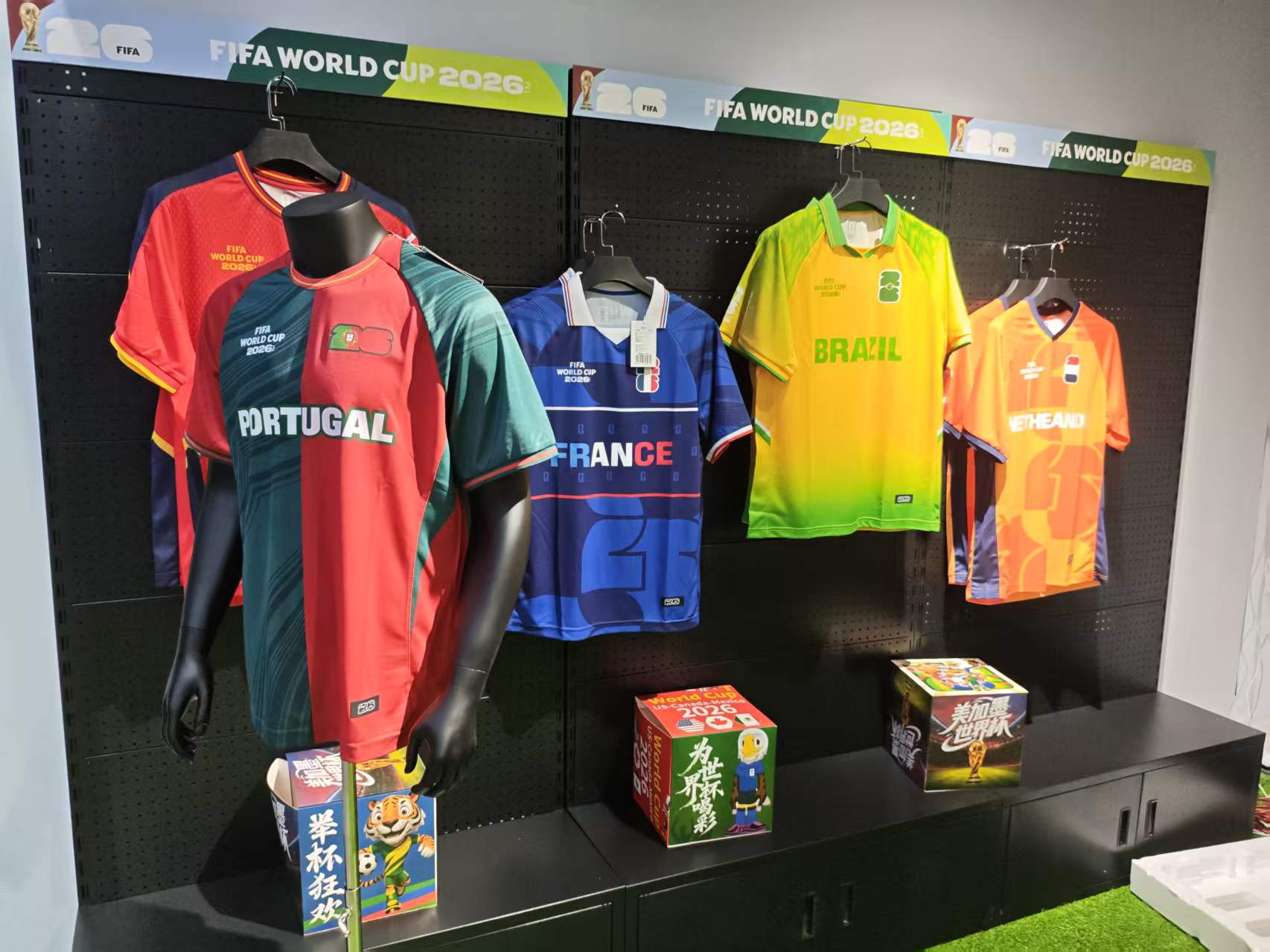
 Case2026-07-07How Pre-Tournament Jersey OEM Order Volumes Reflect 2026 FIFA World Cup National Team Hype