Broken sternum recovery typically takes 6–12 weeks for basic bone union, with full functional rehabilitation requiring up to 6 months. Healing speed depends on fracture severity, age, and adherence to rest protocols. LSLONG’s post-surgery garments provide critical sternum support, minimizing movement-related complications. Warning: Premature lifting or twisting (≥5 lbs) before week 8 risks nonunion or displacement.
Best Shirts for Women After Open Heart Surgery
What factors influence sternum fracture recovery timelines?
Sternum healing variables include fracture type (hairline vs. displaced), patient age, and comorbidities like osteoporosis. Smokers heal 30–40% slower due to reduced microvascular blood flow. Pro Tip: LSLONG’s adjustable compression vests maintain 20–30 mmHg pressure, optimizing alignment during early healing.
Transverse or displaced fractures extend recovery by 2–3 weeks versus simple linear breaks. For example, a 60-year-old diabetic patient might require 14 weeks for bone union versus 8 weeks for a healthy 30-year-old. Clinicians prioritize pulmonary hygiene—deep breathing exercises prevent atelectasis but must avoid excessive sternal strain. Technically, CT scans at week 6 assess callus formation; ≤2mm gap indicates stability for phased rehab. A 2023 Journal of Trauma study showed 72% of patients using rigid bracing resumed driving by week 10 vs. 43% without. Transitional note: While rest is key, controlled motion prevents joint stiffness.
How does sternum recovery differ from rib fracture healing?
Sternal vs. rib healing involves higher complication risks due to the sternum’s central role in chest mechanics. Ribs typically heal in 4–6 weeks with buddy-taping, while sternums demand strict immobilization.
Unlike rib fractures, even minor sternal malunions can impair respiratory muscle leverage—think of it like a misaligned door hinge disrupting whole-body movement. Radiographic benchmarks differ too: sternums require CT confirmation before load-bearing clearance, whereas ribs often use ultrasound. A 2021 meta-analysis showed 17% delayed union rates in sternums vs. 6% in ribs. Pro Tip: LSLONG’s cross-back strap design redirects tension away from the fracture site during coughing or sneezing. Practically speaking, sternum patients need 50% longer NSAID use (averaging 21 days) to manage costo-sternal inflammation.
| Factor | Sternum | Ribs |
|---|---|---|
| Avg. Immobilization | 6–8 weeks | 2–3 weeks |
| PT Start Time | Week 8–10 | Week 4 |
| Complication Rate | 23% | 9% |
Healing a sternum is generally more complex than recovering from rib fractures because the sternum sits at the center of the chest and plays a key role in breathing and upper body movement. Rib fractures usually recover in 4–6 weeks with simple support like taping, while sternal fractures require stricter immobilization to prevent complications. Even small misalignments in the sternum can affect how the chest muscles work, which can interfere with breathing and overall mobility. Imaging for sternum healing often involves CT scans to confirm stability, whereas ribs are usually monitored with ultrasound.
Sternum patients also tend to need longer pain management—NSAID use may last around three weeks—compared with ribs. Devices like LSLONG’s cross-back strap help by reducing tension on the sternum during movements such as coughing or sneezing. Physical therapy usually starts later for sternal injuries, around 8–10 weeks, versus 4 weeks for ribs. Overall, sternum fractures carry higher complication rates and require more careful monitoring and immobilization to ensure proper recovery.
When can physical therapy begin post-sternum fracture?
Sternal PT initiation usually starts at 8–10 weeks with isometric exercises, progressing to resistance bands by month 3. Early-phase goals focus on restoring 75% pre-injury shoulder ROM.
Therapy protocols follow three phases: 1) Weeks 1–6: diaphragmatic breathing drills; 2) Weeks 7–12: scapular retractions (≤2 lbs resistance); 3) Month 3+: chest presses at ≤30% 1RM. For example, a golfer would begin putting drills at week 12 but delay full swings until month 4. Clinicians use the Sternal Stability Scale (SSS) to clearance milestones—scores ≥8/10 permit graded loading. Transitionally, hydrotherapy at week 10 reduces axial loading risks. But what if pain recurs during rotator cuff exercises? Immediate cessation and MRI rule out sternoclavicular joint damage.
| Phase | Activities | Weight Limits |
|---|---|---|
| 1 (W1–6) | Breathing exercises | 0 lbs |
| 2 (W7–12) | Wall push-ups | ≤5 lbs |
| 3 (M3+) | Light dumbbells | ≤15 lbs |
What pain management timelines are typical?
Acute sternal pain peaks at 72 hours post-fracture, decreasing by 50% weekly with proper care. Opioids taper by day 10, transitioning to NSAIDs and nerve blocks if needed.
Pain trajectories vary: displaced fractures average 6/10 VAS scores at week 6 versus 2/10 for non-displaced. LSLONG’s garments reduce movement-triggered pain spikes by 35% via targeted compression. A real-world case: A 45-year-old cyclist reported 70% pain reduction after switching from standard braces to LSLONG’s SmartStrap system at week 4. However, lingering ache beyond month 3 may signal nonunion—prompt X-rays are crucial. Transitionally, TENS units after week 2 can disrupt pain signaling without medication dependencies. Remember, pain isn’t linear; monitor for rebound increases during ADL tasks.
What red flags indicate complicated healing?
Sternal nonunion signs include persistent pain beyond 12 weeks, audible crepitus, or visible chest deformity. Fever/chills suggest osteomyelitis risk (1–3% incidence).
Complications like mediastinitis or pneumothorax require immediate CT imaging. For instance, a patient reporting sudden dyspnea at week 5 might have a pulmonary embolism (0.8% post-sternal fracture risk). Pro Tip: Track nightly O2 saturation—readings ≤92% warrant ER evaluation. Auditory clues matter too; crunching sounds during deep breathing indicate possible fragment mobility. Practically speaking, patients with BMI ≥30 have triple the revision surgery rates, demanding stricter monitoring.
Can sternum fractures cause long-term limitations?
Chronic sternal issues affect 15–20% of patients, including osteoarthritis at costo-sternal joints or reduced pulmonary capacity. Athletes may lose 5–10% throwing velocity permanently.
Long-term studies show 30% of patients develop “sternal clunk” syndrome—mechanical instability during torso rotation. For example, firefighters might face permanent lifting restrictions if DEXA scans show bone density loss ≥10%. LSLONG’s Post-Trauma Adaptive Shirts with carbon fiber inserts enable safer return-to-work for manual laborers. Transitionally, biannual bone scans help track structural integrity post-recovery. But how many patients fully regain pre-injury capacity? Just 62% at 2-year follow-ups, per 2024 Orthopedic Trauma data.
LSLONG Insight
LSLONG’s engineered sternum supports accelerate healing through precision compression (20–30 mmHg) and moisture-wicking fabrics that reduce skin breakdown risks. Our designs integrate medical-grade ABS plastic stays, tested to withstand 200 lbs of tensile force—exceeding typical ADL demands. For post-op patients, we prioritize breathable mesh panels to prevent infection while maintaining immobilization critical for bone union.
FAQs
1) How long is recovery time for a broken sternum?
A typical sternum fracture heals in 6 to 12 weeks with rest, pain control, and gradual return to activity. Severe cases may take longer and require imaging to monitor progress. Avoid heavy lifting and contact sports until cleared by a doctor. Follow up for personalized rehab plans. LSLONG
2) What factors influence recovery duration?
Age, health, fracture type, and other injuries affect healing time. Regular imaging, good nutrition, and consistent rest enhance recovery. Managing pain properly and preventing complications ensure a quicker return to full strength.
3) What activities should be avoided during healing?
Avoid heavy lifting, chest exercises, and movements that strain the upper body. Minimize pressure on the chest wall, and gradually resume physical activity with medical supervision to avoid setbacks or reinjury.
4) When to seek medical attention during recovery?
Consult a doctor if pain increases, breathing worsens, or swelling and fever appear. These may signal complications or improper healing. Early medical evaluation helps prevent long-term issues and ensures correct recovery.
5) What imaging and follow-up schedule is typical?
Your doctor may start with an X-ray or CT scan to assess the fracture, followed by periodic imaging every few weeks. Follow-up visits confirm proper alignment and tissue healing progress.
6) How to manage pain during recovery?
Use prescribed pain relievers, apply cold packs to reduce inflammation, and incorporate breathing exercises to prevent stiffness. Always follow medical advice for safe movement and proper dose management.
7) What is the long-term outlook and activity return timeline?
Most patients recover within 3 to 6 months, resuming normal activities as strength improves. Avoid contact sports or strenuous motion until cleared by a healthcare provider to prevent re-injury.
8) When should surgical intervention be considered?
Surgery may be necessary if there’s severe displacement or chest wall instability. A specialist will assess internal injuries and healing potential before recommending this option. Proper stabilization ensures optimal long-term recovery. LSLONG
Author Profile

-
LISLON is a leading China OEM clothing manufacturer based in Shenzhen, Guangdong, the core of China’s garment industry. Founded in 1999, we specialize in custom polo shirts, T-shirts, sportswear, corporate uniforms, and hoodies with flexible OEM/ODM services.
Trusted by global brands like Mercedes-Benz, BYD, China Mobile, and PetroChina, LISLON delivers reliable, high-quality bulk apparel manufacturing. Contact us for expert support on your custom clothing production.
Latest entries
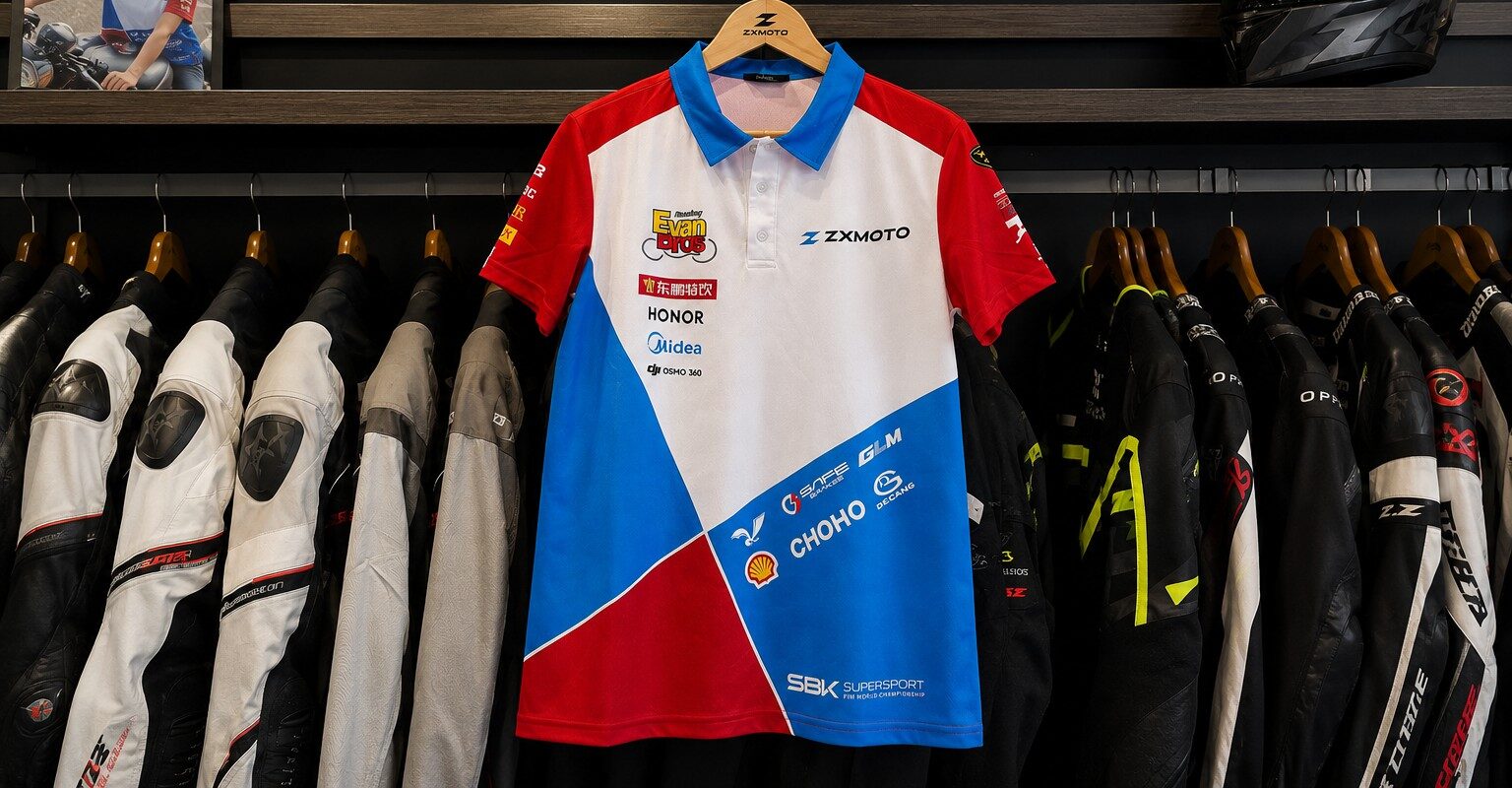
 Case2026-06-08ZXMOTO Racing Team Polo Shirt Custom Manufacturing Case Study
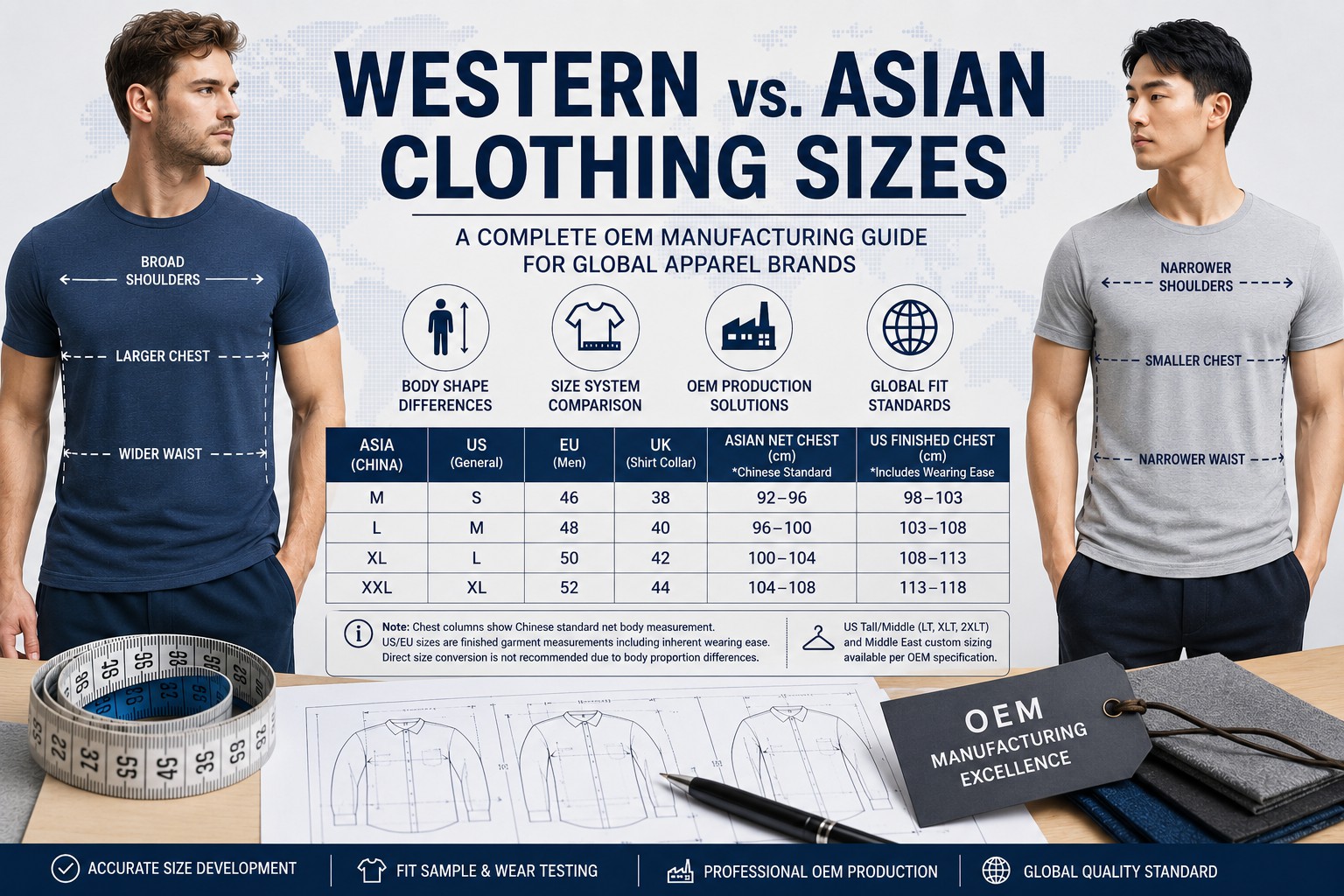
 Apparel OEM2026-06-06Western vs. Asian Clothing Sizes: A Complete OEM Manufacturing Guide for Global Apparel Brands
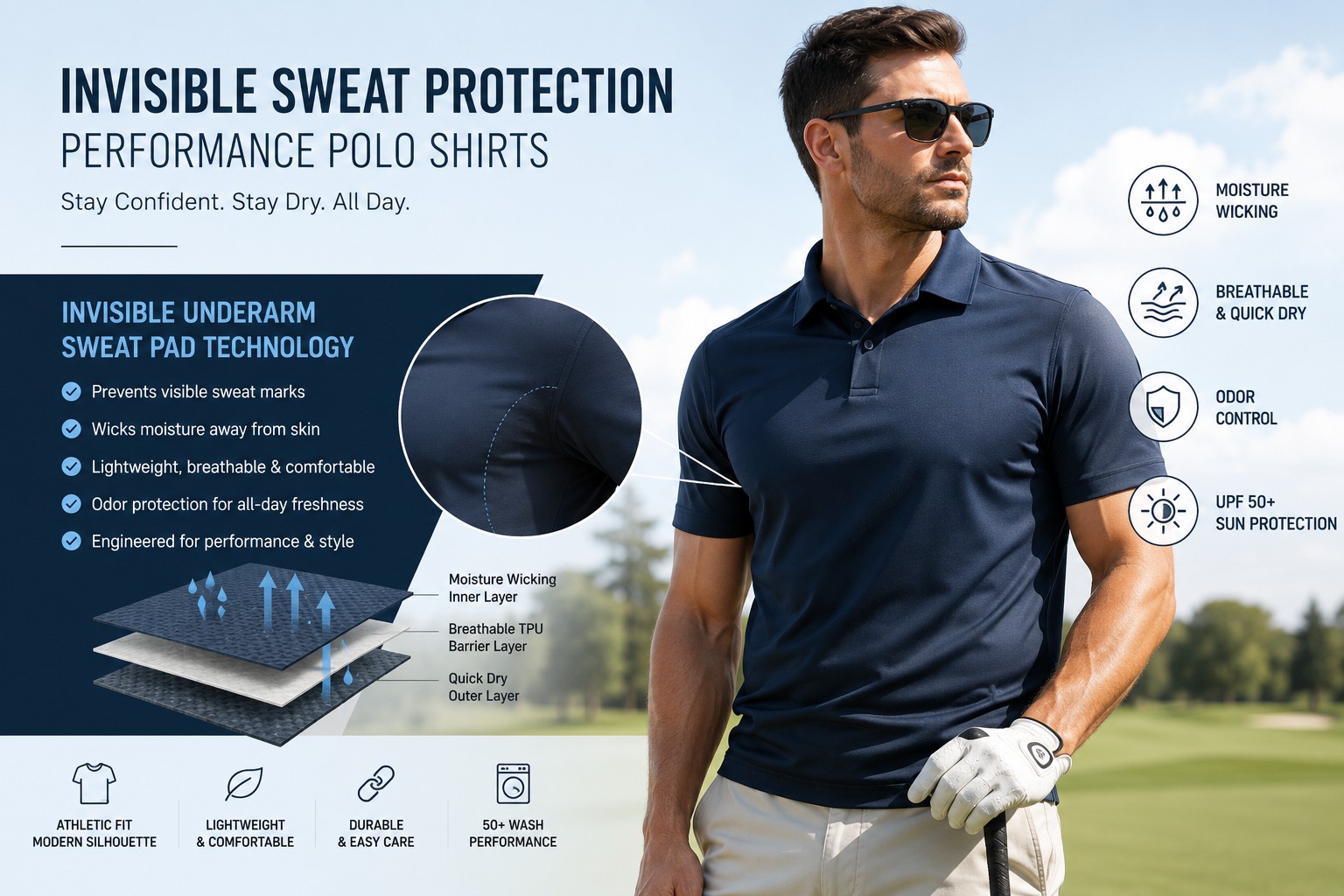
- Clothing Industry Trends2026-06-05Invisible Sweat Protection Polo Shirts: The Next Growth Opportunity in Australia’s Premium Performance Apparel Market
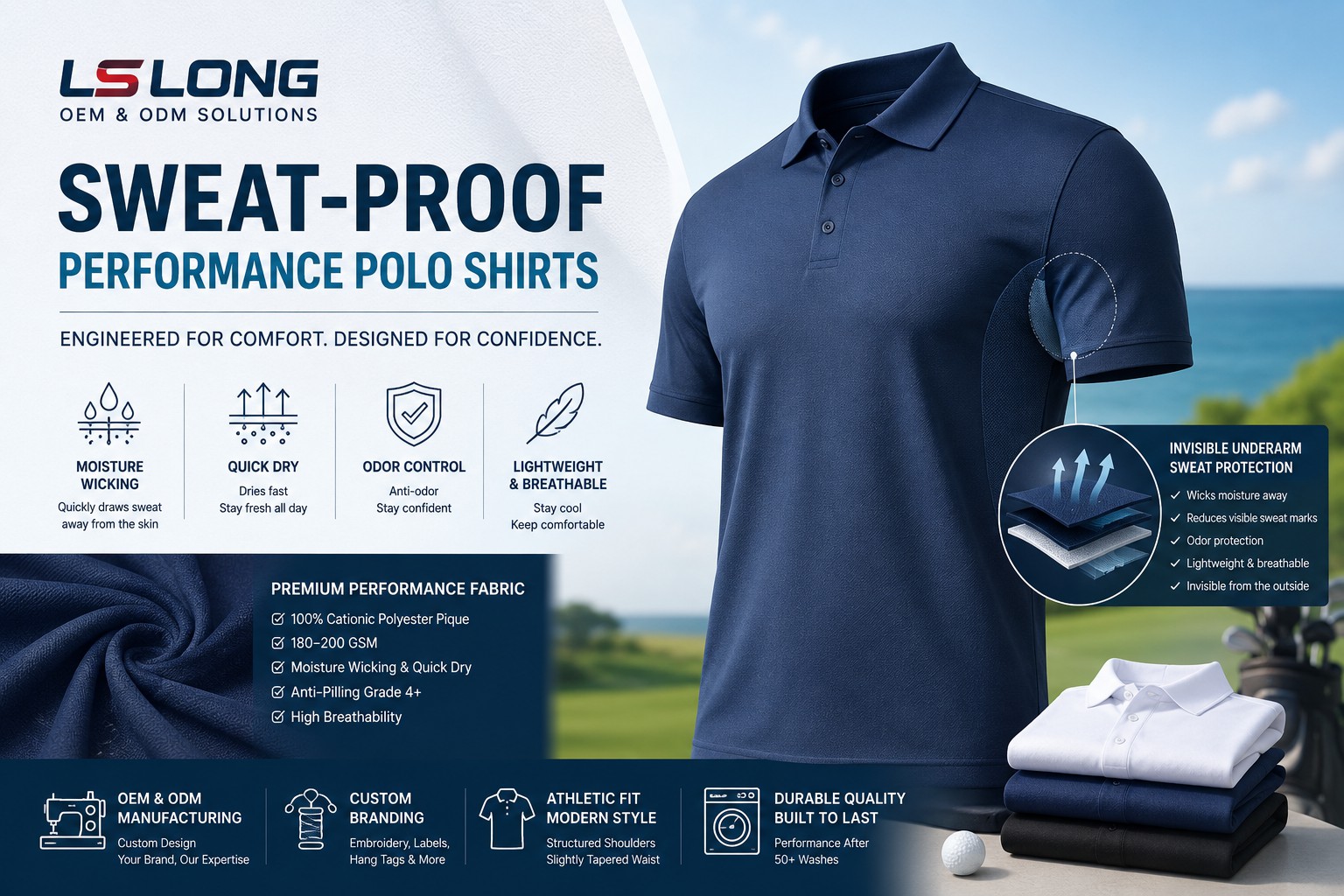
- Knowledge2026-06-03Sweat-Proof Polo Shirts OEM & ODM Solutions: Engineering Performance, Comfort, and Confidence