Organic cotton T-shirts have become a core part of the global shift toward eco-friendly fashion. They offer brands a tangible solution to reduce water use, chemical dependency, and carbon emissions—without compromising comfort, durability, or style.
How Is the Global Cotton Apparel Market Changing and What Challenges Exist?
The cotton apparel industry faces growing scrutiny as consumers and regulators demand sustainable production. According to the Organic Trade Association, organic cotton now accounts for less than 1% of global cotton output, yet demand is growing at over 10% annually. At the same time, data from Textile Exchange shows that conventional cotton cultivation uses around 16% of the world’s insecticides and consumes up to 2,700 liters of water to make a single T-shirt. These figures have placed enormous pressure on fashion brands to adopt cleaner alternatives. However, the cost and complexity of shifting to certified organic cotton supply chains remain major hurdles. Many small and mid-sized labels struggle with traceability, inconsistent quality, and limited supplier transparency, which erode consumer trust and profitability.
What Limitations Exist with Conventional Cotton and Basic Sustainable Alternatives?
Traditional cotton cultivation still relies heavily on pesticides, synthetic fertilizers, and high water consumption. This not only degrades soil quality but also affects the livelihood of farmers exposed to harmful chemicals. Even some “eco cotton” labels lack rigorous certification, leading to greenwashing concerns. Brands using fragmented supply chains often lose control over production origins, making verification difficult and opening the door to false sustainability claims. Basic alternatives, like recycled fiber blends, sometimes compromise softness or breathability—traits consumers expect in daily wear apparel.
How Does LSLONG Deliver a True Organic Cotton T-Shirt Solution?
LSLONG, a global apparel manufacturer with 25 years of expertise, bridges the gap between sustainability and scalability. Certified under ISO 9001, ISO 14001, and ISO 45001, LSLONG integrates organic cotton seamlessly into high-performance, customizable T-shirt production. Its vertically integrated process—spanning fabric sourcing, design, and manufacturing—ensures that every shirt meets certified organic standards while maintaining premium quality. The company’s eco-focused production innovations, such as water-efficient dyeing and waste recycling systems, help brands meet sustainability targets without extending lead times. LSLONG supports both large-scale brands and small startups with flexible MOQs, real-time production transparency, and tailor-made OEM/ODM solutions.
Which Advantages Differentiate LSLONG’s Organic Cotton T-Shirts?
| Comparison Criteria | Conventional Cotton | LSLONG Organic Cotton |
|---|---|---|
| Pesticide Use | High | 0% synthetic chemicals |
| Water Consumption | Up to 2,700 L per shirt | Up to 70% reduction |
| Fabric Softness | Good but inconsistent | Premium-grade soft texture |
| Carbon Footprint | High | 40% reduced emissions |
| Supply Chain Transparency | Low | Full traceability and digital records |
| Certification | Often missing or unclear | ISO & organic certification verified |
| MOQ Flexibility | High | Starts at 200 units |
| Delivery Time | 30–60 days | 20–30 days average |
How Can Brands Partner with LSLONG for Organic Cotton T-Shirts?
Consultation and Design Alignment – Clients define style, fit, and sustainable objectives.
Certified Material Sourcing – LSLONG sources fully traceable organic cotton yarns from certified partners.
Sample Development – Initial prototypes undergo comfort, color, and shrinkage testing.
Production and QA – Modern facilities ensure consistency through precision knitting and sewing.
Packaging and Delivery – Eco-packaging and global logistics ensure timely and responsible order fulfillment.
This streamlined process allows brands to introduce eco-certified collections without costly infrastructure or long delays.
What Are Four Real-World Scenarios Showing the Benefits of LSLONG’s Organic Cotton T-Shirts?
1. Ethical Fashion Startup
Problem: Limited access to certified organic materials.
Traditional Approach: Relied on uncertified mills with high defect rates.
LSLONG Solution: Provided GOTS-certified organic cotton sourcing with transparent documentation.
Result: Achieved 100% material compliance and improved buyer trust, boosting sales by 35%.
2. Established Retail Chain
Problem: Needed sustainable upgrades for its best-selling basic tee.
Traditional Approach: Switched suppliers frequently due to inconsistent quality.
LSLONG Solution: Delivered consistent organic cotton production with bulk pricing.
Result: Reduced supplier costs by 20% and cut complaint rates to under 2%.
3. Corporate Sustainability Project
Problem: Company uniforms contributed heavily to its carbon footprint.
Traditional Approach: Continued using standard cotton for cost efficiency.
LSLONG Solution: Introduced 100% organic cotton uniforms with eco-dyes.
Result: Lowered CO₂ emissions by 38% annually and improved CSR impact reporting.
4. Promotional Brand Distributor
Problem: Clients demanding greener merchandise options.
Traditional Approach: Struggled with high MOQs and inconsistent delivery.
LSLONG Solution: Enabled small-batch organic T-shirt runs customized with screen printing.
Result: Doubled repeat orders and secured new enterprise accounts.
Why Are Organic Cotton T-Shirts the Future and Why Act Now?
Global fashion sustainability regulations are tightening rapidly. By 2030, most major retailers will require verified chain-of-custody documentation for fiber sourcing. Shifting toward organic cotton production today provides measurable benefits—lower environmental impact, better worker welfare, and market differentiation. LSLONG stands out as a trusted, technically capable partner offering end-to-end, certified organic cotton manufacturing solutions. Partnering now enables brands to future-proof their apparel line while aligning with conscious consumer values.
FAQ
Why are organic cotton T-shirts leading sustainable fashion in 2026?
Organic cotton T-shirts lead 2026’s sustainable fashion because they use chemical‑free farming, consume less water, and last longer. Brands like LSLONG adopt eco‑friendly methods that reduce waste and ensure superior comfort, making them the top choice for green apparel innovation.
How do biodegradable fabrics change the apparel industry?
Biodegradable fabrics break down naturally, minimizing landfill waste. They enable brands to meet stricter sustainability targets while appealing to eco-minded consumers. In 2026, these materials redefine how fashion balances performance with environmental responsibility.
What defines an ethical T-shirt factory today?
An ethical T-shirt factory practices fair labor, safe working environments, and low-impact production. Manufacturers that follow globally certified standards ensure transparency from design to delivery, helping brands maintain trust and meet compliance requirements.
How do OEM/ODM apparel solutions help brands?
OEM/ODM apparel services simplify product creation by offering design, sourcing, and production under one roof. This model helps brands scale faster and maintain quality. LSLONG provides such comprehensive solutions for over 200 brands worldwide.
Why is ISO 14001 certification important for apparel makers?
ISO 14001 certification proves a manufacturer’s commitment to environmental management. It ensures efficient resource use, reduced pollution, and sustainable production—key values that strengthen brand credibility and customer confidence.
What innovations are transforming organic cotton fabrics?
Innovations in 2026 include waterless dyeing, softer yarn blends, and enhanced durability. These advances improve comfort and sustainability while reducing energy consumption, offering brands fresh ways to align fashion with eco‑achievement.
How do sustainable supply chains boost apparel sustainability?
Sustainable supply chains optimize every manufacturing step—ethical sourcing, efficient logistics, and waste control. They help brands cut carbon emissions and enhance traceability, ensuring each garment reflects environmental responsibility.
Where is global demand for sustainable fashion heading in 2026?
Global demand continues to surge as consumers favor ethical brands. Companies focusing on transparency, low‑impact materials, and sustainable innovation are set to grow fastest in 2026’s rapidly evolving fashion landscape.
Author Profile

-
LISLON is a leading China OEM clothing manufacturer based in Shenzhen, Guangdong, the core of China’s garment industry. Founded in 1999, we specialize in custom polo shirts, T-shirts, sportswear, corporate uniforms, and hoodies with flexible OEM/ODM services.
Trusted by global brands like Mercedes-Benz, BYD, China Mobile, and PetroChina, LISLON delivers reliable, high-quality bulk apparel manufacturing. Contact us for expert support on your custom clothing production.
Latest entries
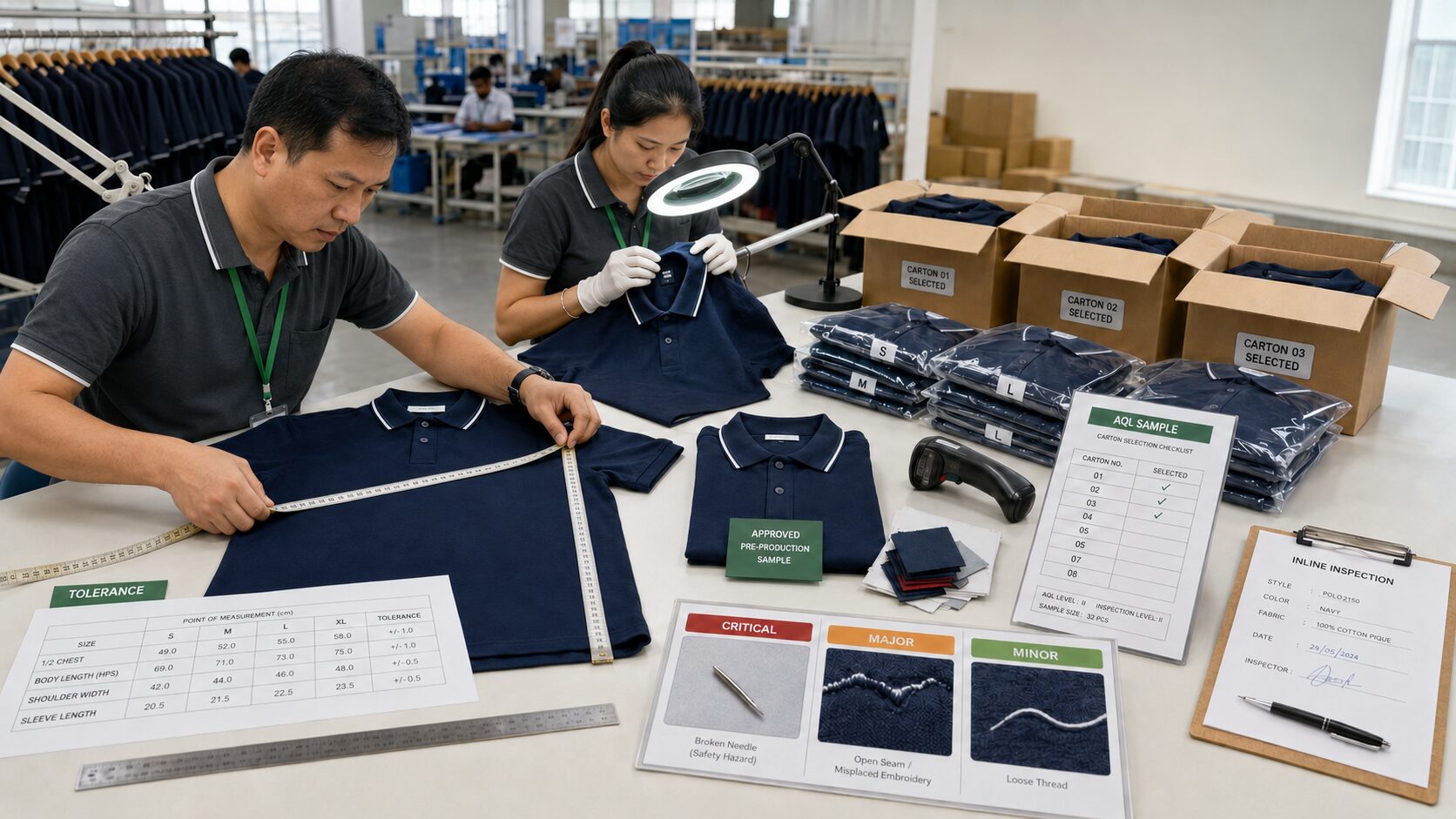
 Apparel Brand Business2026-07-21Custom Clothing Quality Inspection: AQL Levels, Measurement Tolerances and Defect Classification Explained
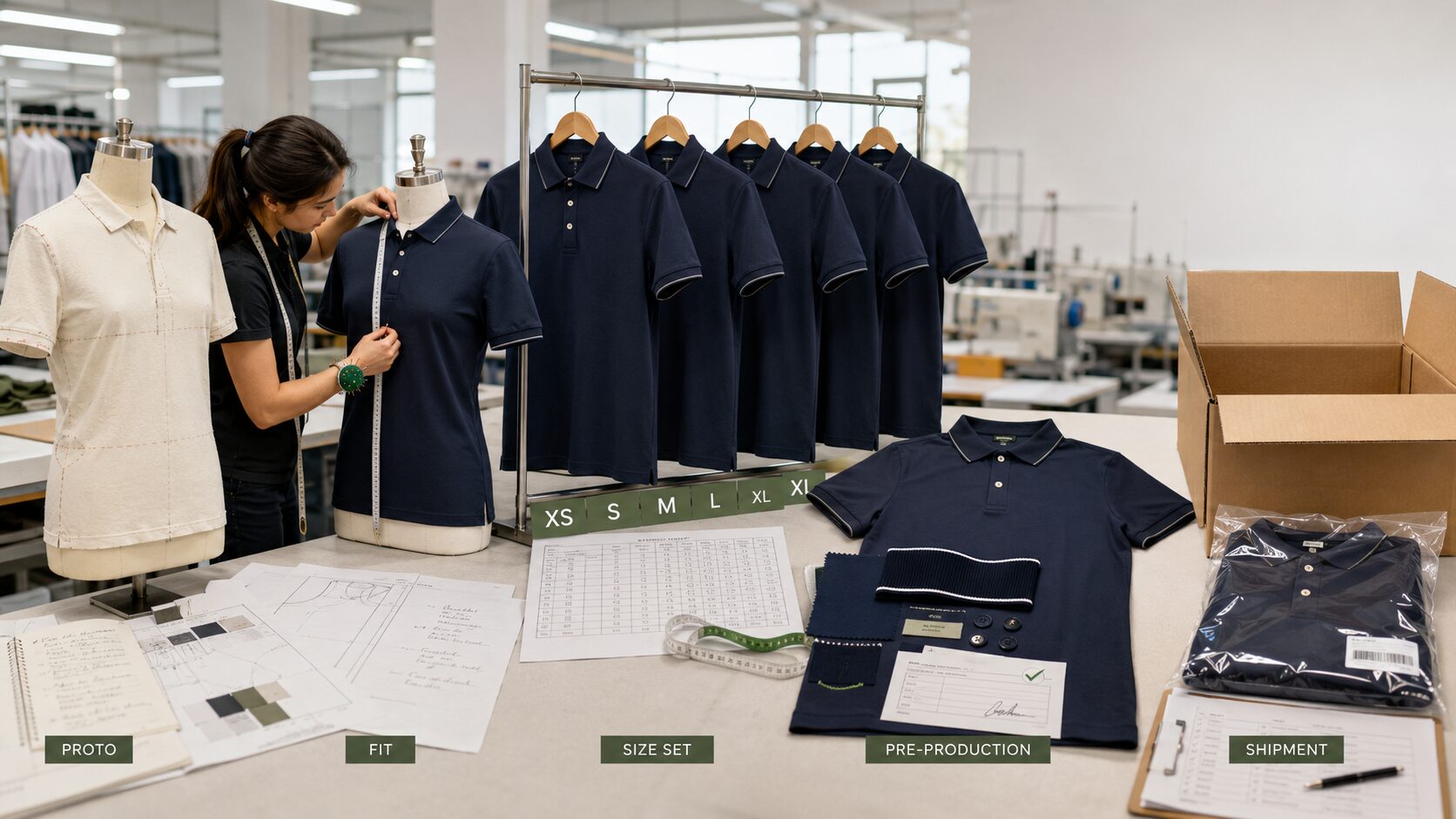
- Apparel Brand Business2026-07-20Garment Sampling Explained: Proto, Fit, Size-Set, Pre-Production and Shipment Samples
- Apparel OEM2026-07-18How to Prepare an Accurate Custom Apparel RFQ: 20 Specifications Every Clothing Factory Needs
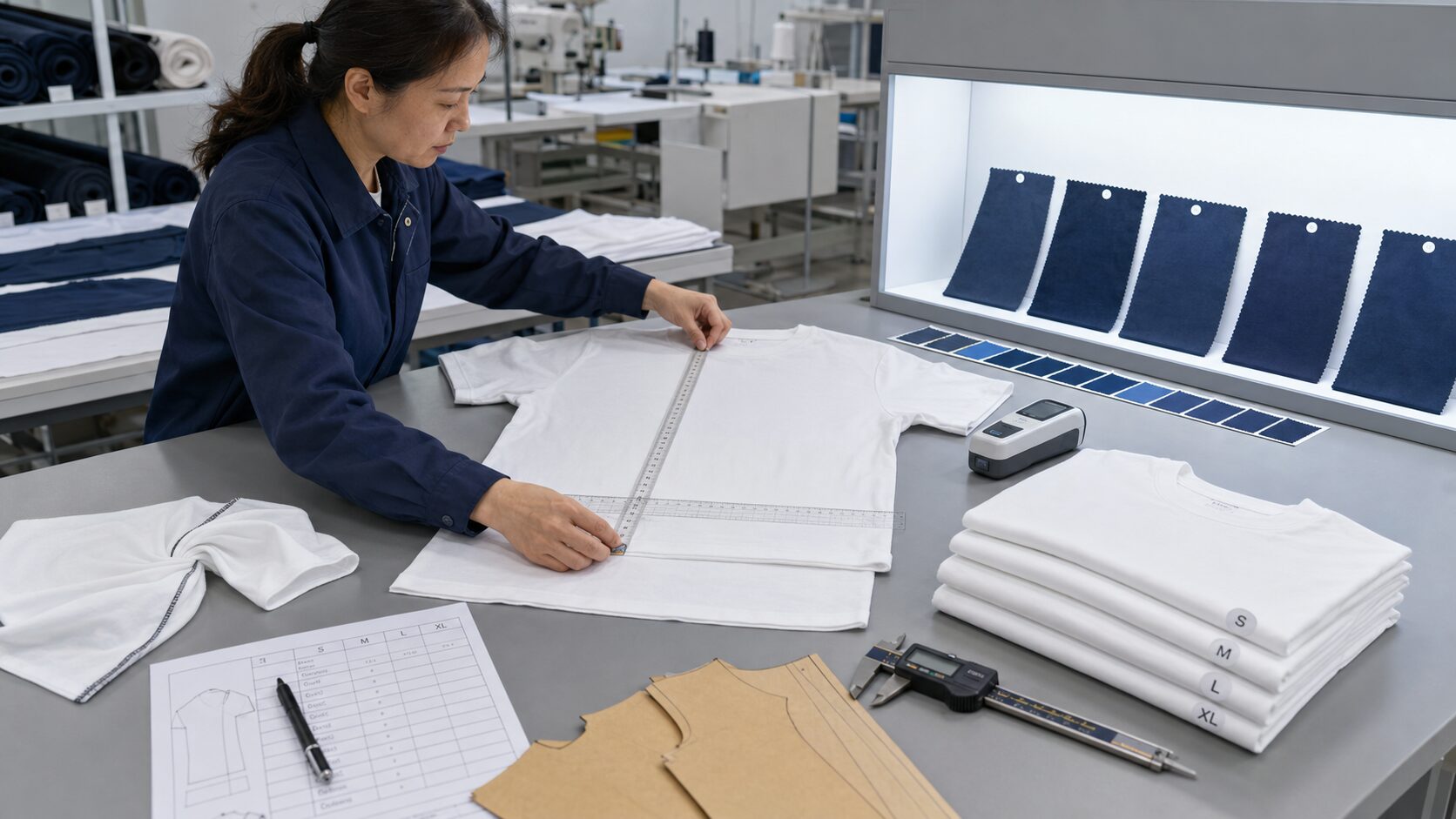
- Knowledge2026-07-17How Clothing Factories Control Shrinkage, Color Variation and Size Inconsistency