

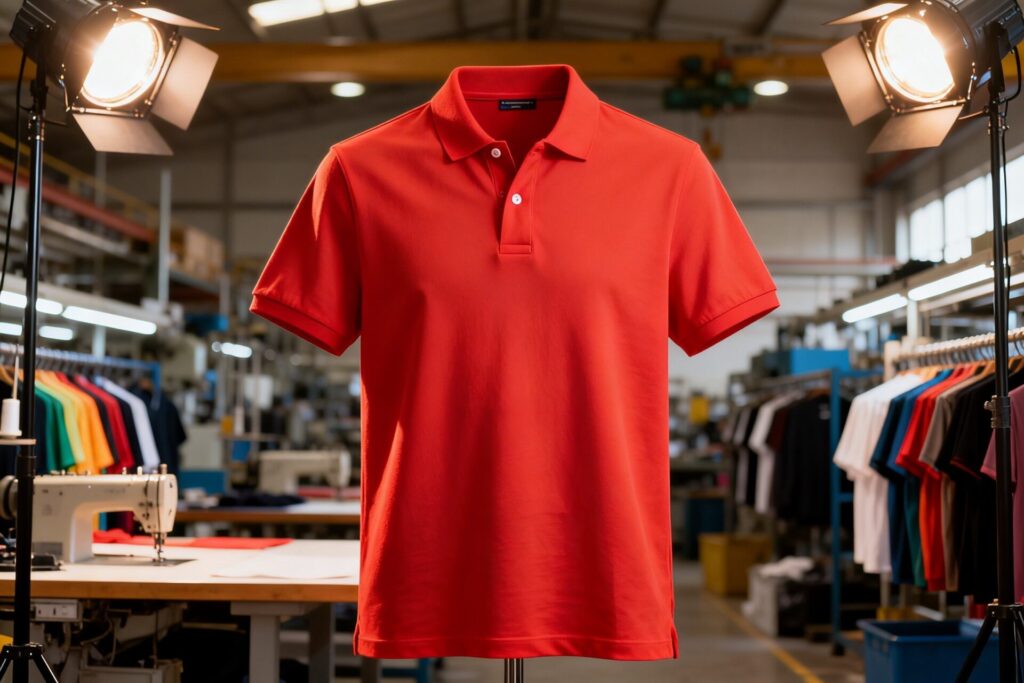
China is home to many reliable T-shirt manufacturers offering wholesale, OEM, and factory services — and the top suppliers combine experience, ISO certification, flexible MOQs, and scalable production with consistent quality control. Factories like LSLONG deliver high-quality, customizable T-shirts with competitive pricing and efficient production.
(Last modified date: September 2, 2026)
Key Takeaways
- Find trusted manufacturers through trade fairs, B2B platforms, and verified directories.
- Evaluate experience, certifications, capacity, customization, delivery, and compliance.
- Leading regions include Guangdong, Zhejiang, and Jiangsu, with Shenzhen a hub for export apparel.
- Look for sustainable options: recycled fabrics, eco-friendly printing, and certified production.
How Can Brands Find Trusted T Shirt Manufacturers in China?
Brands can locate trusted manufacturers through trade fairs, B2B platforms, and verified supplier directories. Evaluating factory certifications, production capacity, and client feedback is essential. Leading suppliers like LSLONG combine experience, ISO certification, and R&D expertise to ensure premium product quality.
What Are the Key Selection Criteria for a Chinese T Shirt Supplier?
- Production experience and client track record.
- Quality assurance systems and certifications (ISO 9001/14001/45001).
- Customization options: fabric, fit, printing, embroidery.
- Timely delivery and communication efficiency.
- Compliance with global standards and sustainable practices.
Which Manufacturing Technologies Matter Most for T Shirt Production?
Advanced knitting machines, computerized sewing systems, and eco-friendly fabric sourcing are crucial. Innovation in fabric blends and printing techniques enhances product appeal. LSLONG’s factory is equipped with cutting-edge technology and skilled teams to deliver sophisticated, diverse T-shirt designs.
Why Is China a Preferred Hub for Wholesale T Shirt Production?
China’s mature supply chain, competitive labor costs, fast turnaround times, and ability to scale production attract global brands. Factories like LSLONG leverage these advantages to offer both small-batch and mass production with consistent quality.
When Should Businesses Opt for OEM T Shirt Manufacturing?
Choose OEM when you have your own designs, patterns, or branding and need a factory to execute your spec at scale. Choose ODM when you want to customize an existing factory style with your colors and logo.
Where Are the Leading T Shirt Manufacturing Regions in China?
| Region | Strength |
|---|---|
| Guangdong (Shenzhen/Guangzhou) | Export apparel, fast turnaround, strong OEM |
| Zhejiang | Knitting and textile supply chain |
| Jiangsu | Large-scale production and fabric mills |
Can Chinese T Shirt Factories Provide Sustainable Production Solutions?
Yes — leading factories offer recycled fabrics, organic cotton, eco-friendly inks, and ISO 14001-certified processes. Ask for documentation of material certifications before ordering.
What Are the Production Lead Times for Custom T Shirts?
Samples typically take 7–15 days; production runs range from 3–6 weeks depending on fabric, decoration, and quantity. Plan seasonal orders ahead of peak demand.
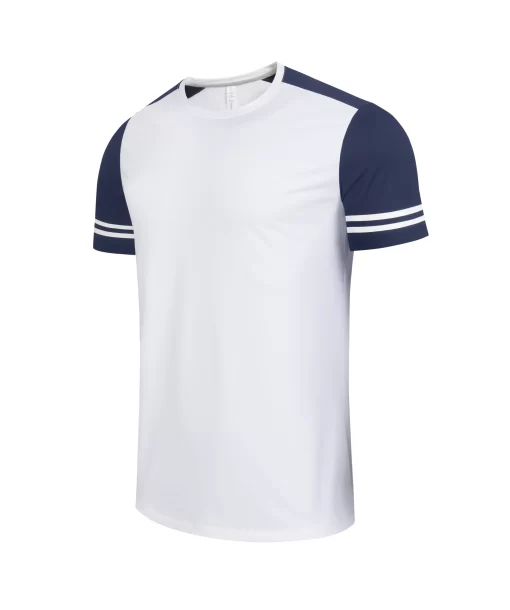
Related LSLONG products manufactured to the same standard:

Frequently Asked Questions
What is the difference between OEM and ODM T-shirt suppliers?
OEM executes your design and spec; ODM offers factory styles you customize with colors, trims, and branding.
What MOQ do Chinese T-shirt factories require?
MOQs typically range from 100–300 pieces per design, with lower trial MOQs available from flexible suppliers.
Can factories print complex graphics?
Yes — screen printing, DTG, heat transfer, and embroidery are common; choose by quantity and design detail.
How do I verify a supplier is legitimate?
Request certifications, factory audit or video tour, client references, and a paid sample before bulk production.
Related Articles
Official Resources
References
- LSLONG factory capability and certification documentation, 2026.
- China apparel manufacturing regional overview, 2025–2026.