

A fabric spec that says only "180 GSM cotton" hides the decisions that actually determine how a tee feels, drapes and wears. GSM is the result, not the cause: yarn count and stitch density are the two numbers that produce it, and two fabrics can share a GSM while feeling completely different. This article explains yarn count and stitch density in plain terms, shows how they interact, and gives sourcing teams a way to read, verify and compare specs instead of guessing from a swatch or trusting a supplier's label. By the end, you will know exactly which two numbers to ask for and how to check them on a sample.
Two numbers describe any tee fabric
Yarn count and stitch density are the two independent variables that define a knit fabric: yarn count says how fine the yarn is, and stitch density says how tightly that yarn is knitted. Together with stitch length they determine fabric weight (GSM), hand-feel, drape, opacity and durability. Read either number alone and you can be misled — a fine yarn knitted loosely can weigh the same as a coarse yarn knitted tightly, but the two fabrics will look and behave differently. Any useful t-shirt fabric spec must state both, plus fiber composition, so the buyer can see what actually drives the fabric's character. When a supplier quotes only GSM, the missing numbers are the ones that determine whether the tee feels premium or cheap.
Yarn count: fineness and hand-feel
Yarn count is a measure of fineness, and in cotton textiles it is usually written in the English cotton count (Ne): Ne 20, Ne 30, Ne 40, Ne 60. Higher numbers mean finer yarn — Ne 40 yarn is thinner than Ne 20 — and finer yarn generally gives a smoother, softer, more luxurious hand-feel when knitted densely enough. The trade-off is engineering: finer yarns are more fragile in knitting, need better cotton quality (combed, ring-spun or compact spinning) and higher knitting precision. That is why "40s combed cotton" is a premium claim: the fine count only works if the fiber and spinning quality support it. In metric systems the same fineness is expressed in Tex or denier, which is a direct mass-per-length value rather than a count, and converting between the scales is where many spec errors begin.
Stitch density: structure and weight
Stitch density describes how many stitches fit into a given area — typically courses (horizontal rows) and wales (vertical columns) per inch. Higher stitch density means more loops per area, which increases fabric weight and structure at the same yarn count, producing a firmer, more opaque fabric; lower density produces a more open, drapier, lighter hand. Density is controlled in knitting by stitch length: shorter stitches create denser fabric. For a buyer, stitch density is the number that explains why two "same GSM" fabrics feel different — one may achieve 180 GSM with a fine yarn knitted densely, while another uses a coarser yarn in a looser construction that feels completely different against the skin. Stitch density also affects dimensional stability: a tighter structure generally shrinks and relaxes less.
How count and density interact
The interaction is the part most spec sheets leave out. Fabric weight follows roughly from yarn fineness plus stitch density: a finer yarn at high density gives a soft, smooth, premium hand at moderate GSM, while a coarser yarn at low density gives a heavier, more textured, more casual fabric at the same GSM. Changing one variable without adjusting the other shifts the fabric's character — knitting a Ne 40 yarn at the stitch density of a Ne 20 fabric produces a thin, transparent, flimsy knit that fails in opacity and durability. The practical takeaway: when comparing two fabrics, compare the full pair of numbers, not GSM alone, and expect the fabric's hand-feel to track the yarn and density combination. Suppliers who quote only GSM are either simplifying for the buyer or hiding a weak pair of numbers.
Comparing specs between suppliers
When suppliers quote the same GSM with different yarn counts, they are quoting different products. A supplier offering 180 GSM from Ne 30 yarn and another offering 180 GSM from Ne 40 yarn are making different trade-offs — the first is heavier-feeling and more durable, the second smoother and softer. Standardize how specs are written before comparing: cotton count notation (Ne), stitch density (courses and wales per inch), and measurement conditions. ISO 2060 defines the skein method for determining yarn linear density, which is the reference way to verify a quoted count rather than trusting the label, and Cotton Incorporated's Fabricast documents how yarns and constructions translate into finished fabric behavior across its fabric collection. Ask each supplier for the same three numbers and the comparison becomes objective.
A premium tee spec reads like this: 100% combed ring-spun cotton, Ne 40 yarn, compact-spun, 24 courses and 20 wales per inch, 180 GSM, 32-inch tubular width, shrinkage within 4% after home laundering. Each number has a job: combed and ring-spun describe fiber and spinning quality, Ne 40 the fineness, courses and wales the structure, and GSM the weight the combination produces. Premium basics often use Ne 40 to Ne 60 yarns for smoothness, while heavyweight streetwear uses Ne 20 to Ne 30 for body and texture. If a supplier cannot state both yarn count and stitch density, the spec is incomplete — and the sample may not repeat in bulk, because the factory has no target to hold. The best specs also name the spinning method, since compact-spun and carded versions of the same count feel different, and for consumer-safe programs OEKO-TEX STANDARD 100 screens the finished fabric for restricted substances.
Verifying specs on samples
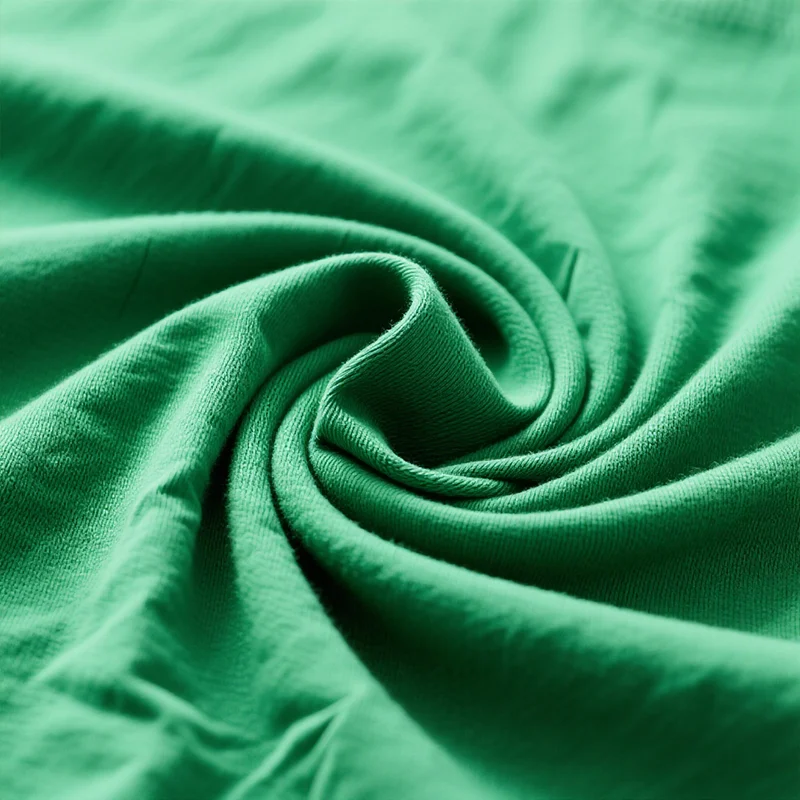
Verification does not require a lab. Use a fabric GSM cutter to weigh a known area, count stitches with a pick glass over one inch in both directions, and check the yarn by untwisting a strand and comparing its thickness against a known-count reference. For a rigorous number, send the fabric to a test lab for yarn linear density per ISO 2060 and GSM per standard weighing methods. Also compare the count against the fiber: fine counts need long, high-quality fiber, so a low-grade cotton spun to Ne 50 will break down in knitting or wash out in strength. LSLONG's fabric library spans combed cotton from 40s to 60s, ring-spun and performance blends, which lets a sourcing team compare count-and-density combinations on actual swatches before committing to a program.
Communicating specs to mills
When you hand a spec to a mill or factory, write the full pair: fiber composition, yarn count in Ne (or Tex), spinning method, stitch density, stitch length, target GSM with tolerance, and width. Specify the measurement conditions — relaxed fabric, standard humidity — because cotton swells with moisture and changes both count and density readings. Ask the mill to confirm the count and density on the pre-production sample, not just the GSM, and reject any spec that quotes GSM without the underlying numbers. Put the tolerance on the GSM (for example, ±5%) and the density (for example, ±1 stitch per inch) so both sides know the acceptable range. The ISO standards catalogue for textile testing is the reference point for the measurement methods both sides can agree on.
Common spec mistakes
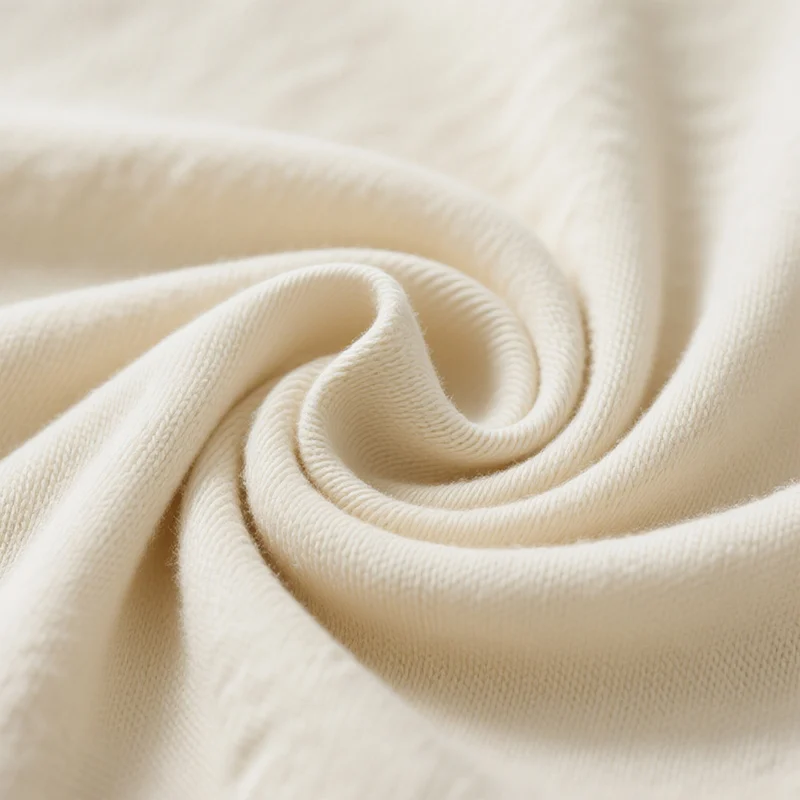
Four mistakes repeat across sourcing teams. First, comparing Ne and Tex counts without conversion — they are different scales and one is not "higher quality" than the other. Second, treating GSM as the spec: two fabrics at the same GSM can have opposite hand-feels because their yarn and density differ. Third, ignoring stitch density and assuming the count alone explains the fabric — a Ne 40 yarn can make a flimsy or a substantial fabric depending on how tightly it is knitted. Fourth, trusting the swatch label instead of verifying: labels follow sales, so measure the sample and confirm the count in writing. A fifth mistake is approving a sample and changing fabric without re-testing — the count and density must be re-confirmed on every new fabric lot, because mills change yarn sources between seasons.
Building a t-shirt spec sheet
A complete spec sheet has ten lines: fiber composition, yarn count and scale (Ne or Tex), spinning method, stitch density (courses and wales per inch), stitch length, GSM with tolerance, width, shrinkage target, color-fastness target, and test methods. Fill the last two with standards — for example AATCC TM135 or ISO 6330 for shrinkage — so the sheet is complete rather than descriptive. LSLONG's knowledge hub includes fabric and tech-pack guides that walk through each line, and its t-shirt category pages show the fabric options in finished garments. A spec sheet built this way survives supplier changes and makes reorders reproducible, because every party works from the same measurable numbers instead of a swatch in a drawer.
A spec-reading checklist
Before approving any tee fabric, run this checklist: confirm the yarn count scale (Ne vs Tex), check that stitch density is stated in courses and wales per inch, calculate whether the count plus density plausibly produces the quoted GSM, verify on a physical sample with a GSM cutter and pick glass, and request the count in the written spec rather than trusting the label. If any number is missing, ask for it — a supplier that cannot state its own fabric's yarn count and stitch density cannot control them, and the next order may not match the sample you approved. Keep the verified numbers on file with the retained sample, so a quality dispute later is resolved against a record rather than a memory.
FAQ
What does yarn count mean for a T-shirt? Yarn count describes yarn fineness, usually in the cotton count system (Ne), where higher numbers mean finer yarn. Finer yarn, knitted densely, gives a smoother, softer, more premium hand-feel; coarser yarn gives a heavier, more textured fabric. GSM alone does not tell you which hand-feel you will get, so the count must be read alongside stitch density. Ask for the count in Ne and the density in courses and wales per inch so you can compare suppliers on the same scale.
How many stitches per inch should a T-shirt have? There is no universal number; stitch density depends on yarn count and target weight. The spec should state courses and wales per inch, and the density should be chosen to produce the target GSM and hand-feel from the yarn used. Compare density alongside count, never in isolation, and verify both on the sample — a quick pick-glass count takes minutes and catches the most common spec inflation before you commit to bulk.
Why do two 180 GSM T-shirts feel completely different? Because GSM is the output of yarn count plus stitch density, not the input. One 180 GSM fabric can be a fine Ne 40 yarn knitted densely for a smooth premium hand, while another uses a coarser Ne 20 yarn in a looser structure for a heavier, more casual feel. The GSM number alone cannot distinguish them, which is why sourcing teams should request the count and density pair, not just weight, when comparing quotes.
What is the difference between combed and ring-spun cotton? Combed cotton removes short fibers before spinning, producing a smoother, stronger yarn; ring-spun refers to the spinning method that twists fibers into a soft, strong yarn. Premium tees usually combine both — combed ring-spun cotton — with the yarn count and stitch density set to match the intended hand-feel. Combed ring-spun is the standard premium base, but the count and density still decide whether the fabric feels soft and dense or thin and flimsy.
Reading a fabric spec from yarn count and stitch density turns fabric buying from guesswork into verification. LSLONG's sourcing team can send fabric swatches across its combed, ring-spun and performance library with full specs attached — contact the LSLONG team or email lisilongtshirt@gmail.com for swatches and a quote.