As sustainability reshapes global consumer values, eco-friendly sportswear manufacturing stands at the forefront of a fashion revolution. From recycled performance fibers to low-impact dyeing technologies, brands are reimagining how activewear is designed, produced, and distributed. This transformation is not just a trend—it represents a complete shift in how the fashion industry aligns with climate responsibility while meeting the evolving expectations of fitness-driven, eco-conscious consumers.
The Rise of Sustainable Sportswear Manufacturing
In the past decade, the sportswear segment has moved beyond aesthetics and performance to embrace environmental accountability. According to the Global Apparel Sustainability Index 2025, eco-friendly sportswear has seen a 42% growth in demand as major brands commit to circular economy principles and closed-loop production models. Recycled polyester, derived from post-consumer plastics, and organic cotton, grown without synthetic fertilizers, dominate current textile innovations.
Waterless dyeing methods, biodegradable elastane, and energy-efficient fabric finishing now define the sustainable manufacturing process. These methods reduce water use by up to 90%, lower carbon emissions, and minimize microplastic shedding—key concerns in textile pollution. The adoption of blockchain technology also guarantees transparency from fiber sourcing to final garment, ensuring consumers can trace every stage of a product’s journey.
Global Market Trends and Data
The global sportswear market surpassed 360 billion USD in 2025, with sustainability-driven products accounting for nearly 35% of total revenue. Analysts from the Sustainable Apparel Coalition predict that, by 2030, over half of all new activewear will incorporate eco-conscious materials. Brands are prioritizing ethical manufacturing conditions, leveraging renewable energy, and optimizing logistics through carbon-neutral shipping networks.
At this stage of the industry’s evolution, new players and legacy brands alike are investing heavily in research and environmental impact assessment tools. These are used to measure water footprints, chemical safety, and lifecycle greenhouse gas emissions—metrics that are now critical to brand reputation and investor satisfaction.
Technology Powering Eco Innovation
Eco-friendly sportswear manufacturing thrives on technological innovation. Smart fabric engineering has led to new biomaterials like mycelium-based textiles and algae-derived fibers, which replace petroleum synthetics without sacrificing elasticity or breathability. Digital prototyping and 3D garment sampling have reduced material waste by over 30% while shortening product development cycles.
In energy management, solar-powered production lines and heat recovery systems are reducing a facility’s dependency on fossil fuels. Some manufacturers have also adopted AI-driven supply chain analytics to forecast demand, minimize surplus inventory, and prevent overproduction—a long-standing issue in fashion’s sustainability crisis.
Company Integration within a Growing Sector
Founded in 1999, Shenzhen LSLONG Garments Co., Ltd. has grown from a small workshop into a trusted global apparel manufacturer serving more than 200 brands across 50+ countries. With 25 years of expertise, it specializes in OEM/ODM solutions for Polo shirts, T-shirts, hoodies, sportswear, and post-surgery garments, offering end-to-end production from design to delivery. The company’s focus on ISO-certified sustainable practices and innovative technologies makes it a model of how traditional apparel production can evolve toward eco-efficiency and high performance.
Competitor Comparison Matrix
| Brand Focus | Eco Material Integration | Manufacturing Model | Transparency Rating | Market Reputation |
|---|---|---|---|---|
| Brand A | High (80% recycled polyester) | Closed-loop | 9.2/10 | Excellent |
| Brand B | Medium (organic cotton blend) | Linear–Hybrid | 7.8/10 | Good |
| Brand C | High (biodegradable nylon) | Circular economy | 9.5/10 | Outstanding |
This table illustrates how leading manufacturers vary in sustainability maturity, with circular production models achieving the best long-term efficiency and consumer trust scores.
Real User Cases and Measurable ROI
Eco-friendly sportswear manufacturing delivers both environmental and financial performance gains. For instance, one European athletic brand switching to seaweed-based fabrics reported a 25% reduction in raw material costs and a 40% faster supply chain turnaround. Customers reported improved comfort, breathability, and odor resistance—all while supporting brands aligned with their values.
For large-scale apparel producers, transitioning to recycled synthetics has lowered energy use by 18%, illustrating sustainability’s value as both an ethical and cost-saving innovation. Retailers that promote these eco-focused products often experience stronger customer retention, with loyalty program participation rising up to 30% among sustainability-centric buyers.
Consumer Demand and Brand Transformation
Millennials and Gen Z consumers anchor this shift, demanding style that supports climate action and personal well-being. They view eco-sportswear not as a niche market but as the new standard in performance fashion. As health and environmental awareness merge, more athletes and everyday consumers seek apparel that aligns with holistic lifestyles—matching durability with a lightweight, planet-friendly design ethos.
Challenges and Opportunities
Despite major progress, barriers persist. Sustainable materials still face cost volatility and limited global scaling. Certification inconsistencies can also create confusion, diluting genuine sustainability claims. However, as technology and renewable energy access improve, the gap between eco-friendly and traditional production costs continues to narrow. Collaboration between brands, manufacturers, and recycling facilities remains key to achieving mass circularity.
Future Trends and Forecast
The future of eco-friendly sportswear manufacturing will center on regenerative materials, biofabricated textiles, and fully circular production systems. By 2035, smart supply chains powered by AI and carbon-tracking sensors will enable real-time sustainability reporting. Virtual try-on tools and augmented reality retail experiences will further limit returns and wasted logistics energy.
Experts predict that 3D-printed biodegradable performance gear, self-cleaning fabrics, and climate-neutral factories will define the next wave of sustainable innovation. As governments tighten environmental regulations and consumers prioritize ethical products, the sportswear industry will continue to serve as a blueprint for the broader fashion world.
Final Call to Action
Eco-friendly sportswear manufacturing is not just transforming fashion—it is reshaping the global mindset on how apparel interacts with the planet. Brands that invest in sustainable materials, transparent production, and green technologies today position themselves as pioneers of the next industrial era. The future of fashion depends on those willing to innovate responsibly, combining high performance with environmental integrity.
Author Profile

-
LISLON is a leading China OEM clothing manufacturer based in Shenzhen, Guangdong, the core of China’s garment industry. Founded in 1999, we specialize in custom polo shirts, T-shirts, sportswear, corporate uniforms, and hoodies with flexible OEM/ODM services.
Trusted by global brands like Mercedes-Benz, BYD, China Mobile, and PetroChina, LISLON delivers reliable, high-quality bulk apparel manufacturing. Contact us for expert support on your custom clothing production.
Latest entries
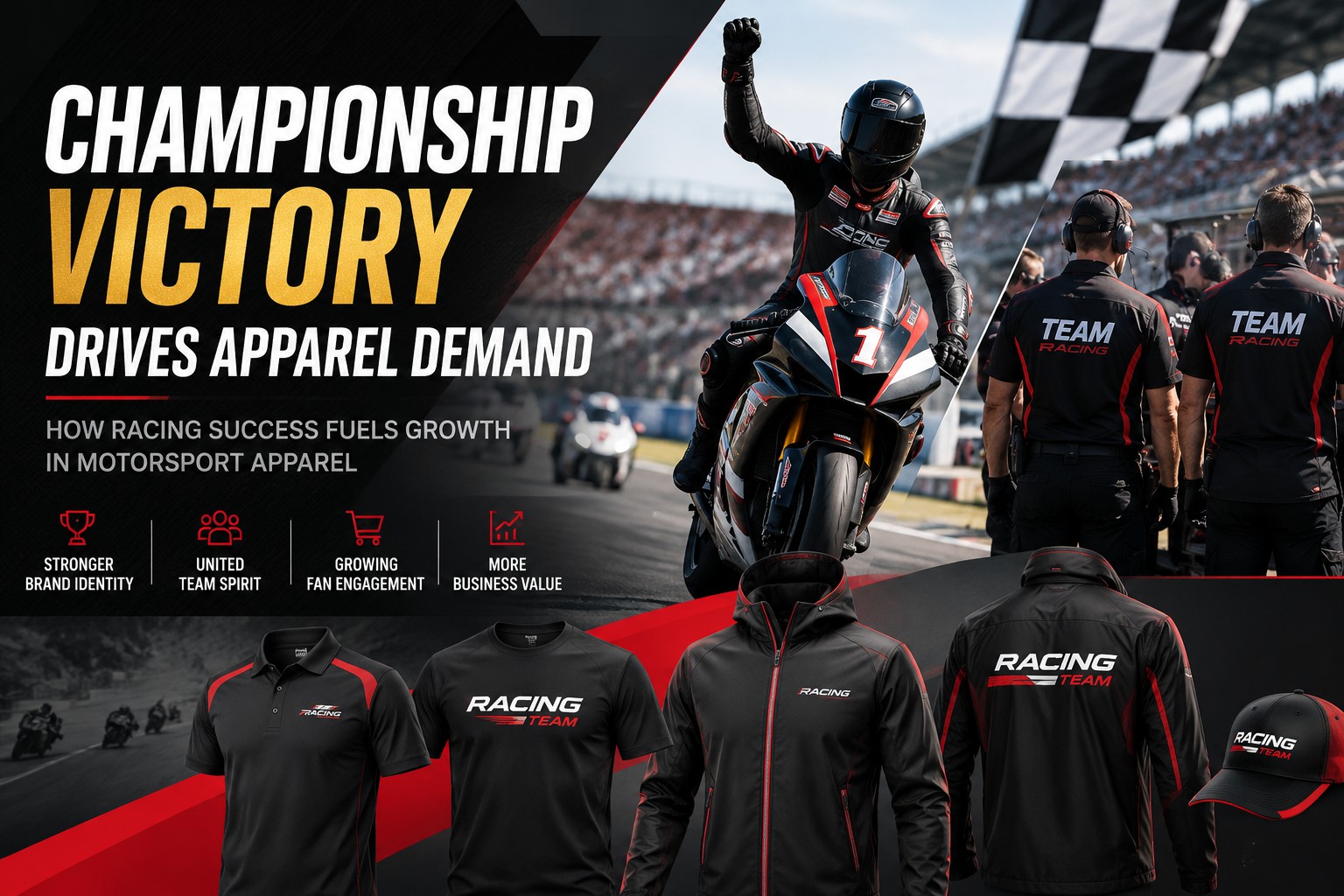
 Knowledge2026-06-01How ZXMOTO’s Championship Victory Is Driving Demand for Motorsport Apparel
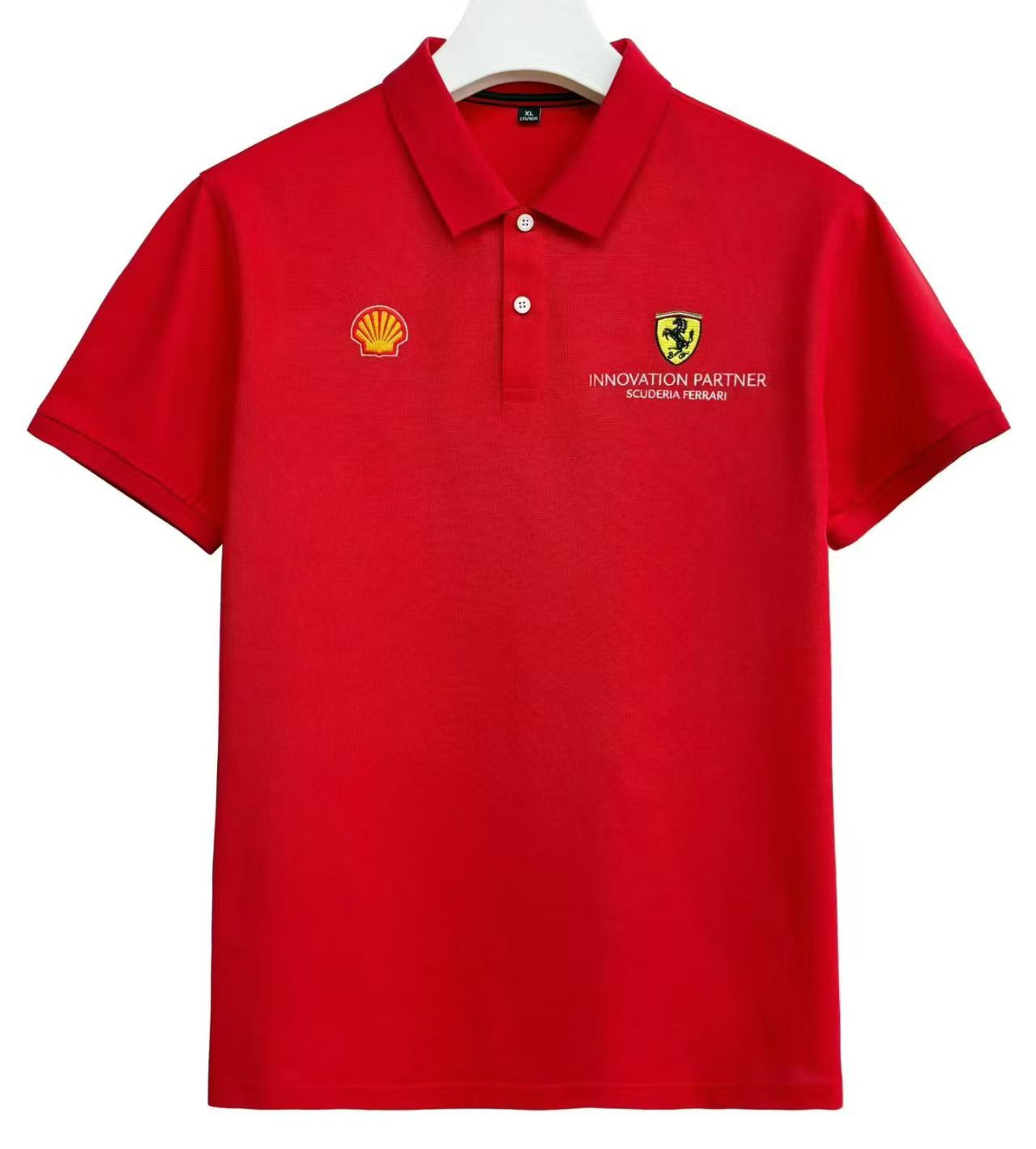
 Automotive Industry2026-05-08Shell x Ferrari Collaboration Polo Shirt
 Apparel OEM2026-05-05The Strategic Value of Custom Corporate Apparel for Brand Communication
- Polo Shirt2026-05-04The Timeless Appeal of the White Polo T-Shirt: A Wardrobe Essential