Recovering from rotator cuff surgery is a delicate process that requires patience, discipline, and proper support. One of the most common questions people ask after this procedure is how long they should wear a sling after rotator cuff repair. The answer depends on several factors, including the severity of the tear, the type of repair performed, and your surgeon’s specific recommendations. Understanding the typical recovery timeline and the reasons behind wearing a sling can help you heal efficiently and regain shoulder strength safely.
Understanding the Purpose of a Sling After Rotator Cuff Repair
The sling plays a vital role in protecting the surgical repair during the early healing stages. After the torn tendon is reattached to the bone, it takes time for new tissue to grow and stabilize the connection. During this period, the repaired tendon is highly vulnerable to stress and overuse. Wearing a sling keeps your arm immobilized, prevents sudden movements, and reduces strain on the healing tendon. It also helps control pain and swelling, especially in the first few weeks.
Typical Duration for Wearing a Sling
Most patients wear a sling for about 4 to 6 weeks following rotator cuff surgery. However, this general guideline can vary depending on the specifics of your case. Minor or partial tears repaired arthroscopically may require only three to four weeks of immobilization, while larger or multiple tendon repairs might need up to eight weeks. Surgeons may also adjust the duration of sling use based on your progress during follow-up visits. For patients involved in heavy lifting, construction work, or sports, extended use and a more gradual rehabilitation period may be necessary.
Recovery Phases and Rehabilitation Timeline
Rotator cuff repair recovery occurs in three main stages. The initial phase focuses on tendon protection and pain management, where wearing a sling full-time is critical. The next phase introduces passive and assisted motion exercises under physical therapy supervision. Active movements without resistance typically begin around six to eight weeks, after which the sling can be used intermittently, mainly for comfort or during sleep. The final strengthening phase usually begins around the third or fourth month, depending on how well your shoulder responds to therapy.
Importance of Following Post-Operative Protocols
Not wearing your sling as recommended can jeopardize the outcome of the surgery. Even minor shoulder movements can stress the freshly repaired tendon and increase the risk of re-injury. Your physical therapist will guide you through safe arm motions such as pendulum swings and hand exercises that promote circulation without disturbing the healing process. Proper sling use also ensures optimal joint alignment, minimizing stiffness and supporting better long-term shoulder mobility.
Choosing the Right Sling for Comfort and Stability
Selecting a comfortable and supportive shoulder sling can make a huge difference in compliance and recovery. Post-surgery slings with adjustable straps, breathable fabrics, and padded supports can reduce discomfort. Some advanced models feature abduction pillows that position the arm slightly away from the body, reducing pressure on the rotator cuff area and enhancing blood flow. Discuss the best type of arm sling for rotator cuff repair with your orthopedic specialist before surgery to ensure you’re equipped with the right one for your recovery plan.
Founded in 1999, Shenzhen LSLONG Garments Co., Ltd. has grown from a small workshop into a trusted global apparel manufacturer serving more than 200 brands across 50+ countries. With 25 years of expertise, we specialize in OEM/ODM solutions for Polo shirts, T-shirts, hoodies, sportswear, and post-surgery garments, providing end-to-end services from design to delivery.
Sleeping and Daily Activity Considerations After Surgery
Sleeping with a sling after rotator cuff repair can be challenging but is essential to avoid rolling onto your arm. Many surgeons recommend sleeping in a reclined position for the first few weeks, using support pillows to keep your upper body elevated. Daily tasks such as dressing, grooming, and eating can also become tricky; adaptive equipment or assistance from family members may help. Avoid carrying bags, lifting even light weights, or reaching overhead until cleared by your surgeon.
Market Trends in Post-Surgery Rehabilitation Devices
In recent years, the market for orthopedic recovery aids has expanded rapidly, focusing on ergonomic design, comfort, and adjustability. According to data from Global Market Insights, the global orthopedic braces and supports market exceeded several billion dollars in 2025, fueled by rising demand for post-surgical rehabilitation devices. Innovative slings now integrate moisture-wicking materials, cold therapy compatibility, and lightweight frames that reduce fatigue during extended use.
Physical Therapy: The Key to Long-Term Recovery
While wearing a sling is crucial in the early stages of healing, consistent physical therapy ultimately determines shoulder strength and mobility. Professional rehabilitation usually begins once the tendon shows signs of biological healing. A typical therapy plan includes stretching exercises, range-of-motion work, and progressive strengthening. Missing therapy sessions or overexerting your shoulder too soon can delay recovery and increase stiffness, a common complication after rotator cuff surgery.
When You Can Stop Wearing a Sling
Most patients can comfortably discontinue sling use between week four and week six, provided they have regained adequate passive motion and their surgeon confirms tendon stability. In some cases, partial use for comfort at night may continue for another one or two weeks. Always follow your doctor’s personalized timeline rather than comparing your recovery speed with others, as healing depends on individual factors such as age, tissue quality, and overall health.
Future Trends and Innovations in Shoulder Recovery
The future of post-surgical shoulder recovery lies in data-driven rehabilitation and wearable technologies. Smart slings equipped with motion sensors and posture trackers are emerging to help patients maintain correct resting positions and measure movement safely. Advances in biomaterials and regenerative medicine also show promise in reducing the time required for tendon healing, potentially shortening future sling usage periods.
FAQ
1) How long should I wear a sling after rotator cuff repair for Safe Healing?
Wearing the sling typically ranges from 4 to 6 weeks, with the exact duration guided by your surgeon depending on tear severity and tissue healing. Start with immobilization to protect the repair, then gradually begin passive and then active-assisted movements as advised.
2) When can I remove the sling for daily activities after rotator cuff repair?
You should generally keep the sling on during most activities for the initial weeks. Your clinician may permit short, supervised breaks for hygiene and prescribed passive movements, but avoid lifting, reaching overhead, or any pushing/pulling until cleared.
3) What are common signs I should contact my doctor about while wearing a sling?
Seek medical advice if you experience severe increasing pain, fever, numbness, color change in the arm, or sudden worsening weakness. Any new swelling or drainage around the incision should also be reviewed promptly.
4) How should I care for the sling to promote healing?
Keep the sling clean and dry, wear it snug but comfortable, and adjust as instructed to avoid unnecessary movement. Develop a routine that follows therapy plans to ensure proper sling positioning and support during activities.
5) Can I start physical therapy while wearing a sling?
Yes, most programs begin with supervised passive range of motion and gentle soft tissue work under clinician guidance while the sling is worn. The progression to active movement occurs as healing permits.
6) What happens if I remove the sling too early?
Premature removal can stress the repaired tendons and increase re-tear risk. Adhering to the prescribed timeline and therapist directions helps ensure safer, more effective recovery.
7) Is pain expected while wearing a sling and during rehab?
Mild discomfort is common as tissues heal, but sharp or escalating pain warrants evaluation. Pain management should align with medical guidance and therapy progression.
8) When can I expect to regain full shoulder function after rotator cuff repair?
Full function can take several months. Initial gains occur within weeks to months with consistent therapy, while complete strength and range may continue improving up to a year post-surgery depending on tear size and rehabilitation adherence. LSLONG
Final Thoughts on Sling Duration After Rotator Cuff Repair
How long you should wear a sling after rotator cuff repair depends on your unique surgical and physical condition, but patience remains the cornerstone of recovery. Adhering to your surgeon’s guidelines, attending physical therapy regularly, and resisting the urge to rush recovery all contribute to a stronger, pain-free shoulder in the long run. A properly used sling is more than just a support—it’s an essential tool that ensures the repaired tendon heals securely, paving the way for full mobility and lasting shoulder strength.
Author Profile

-
LISLON is a leading China OEM clothing manufacturer based in Shenzhen, Guangdong, the core of China’s garment industry. Founded in 1999, we specialize in custom polo shirts, T-shirts, sportswear, corporate uniforms, and hoodies with flexible OEM/ODM services.
Trusted by global brands like Mercedes-Benz, BYD, China Mobile, and PetroChina, LISLON delivers reliable, high-quality bulk apparel manufacturing. Contact us for expert support on your custom clothing production.
Latest entries
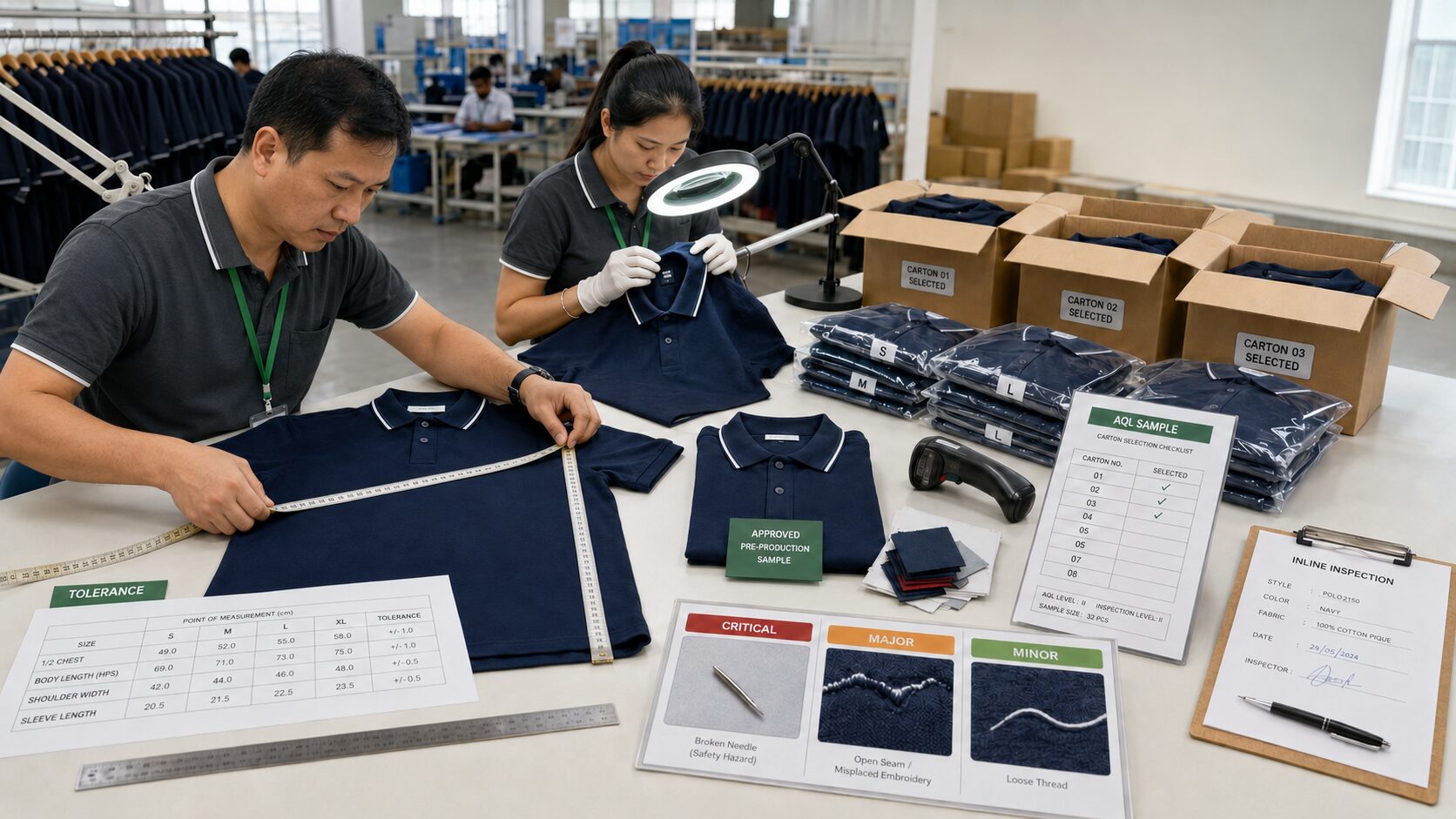
 Apparel Brand Business2026-07-21Custom Clothing Quality Inspection: AQL Levels, Measurement Tolerances and Defect Classification Explained
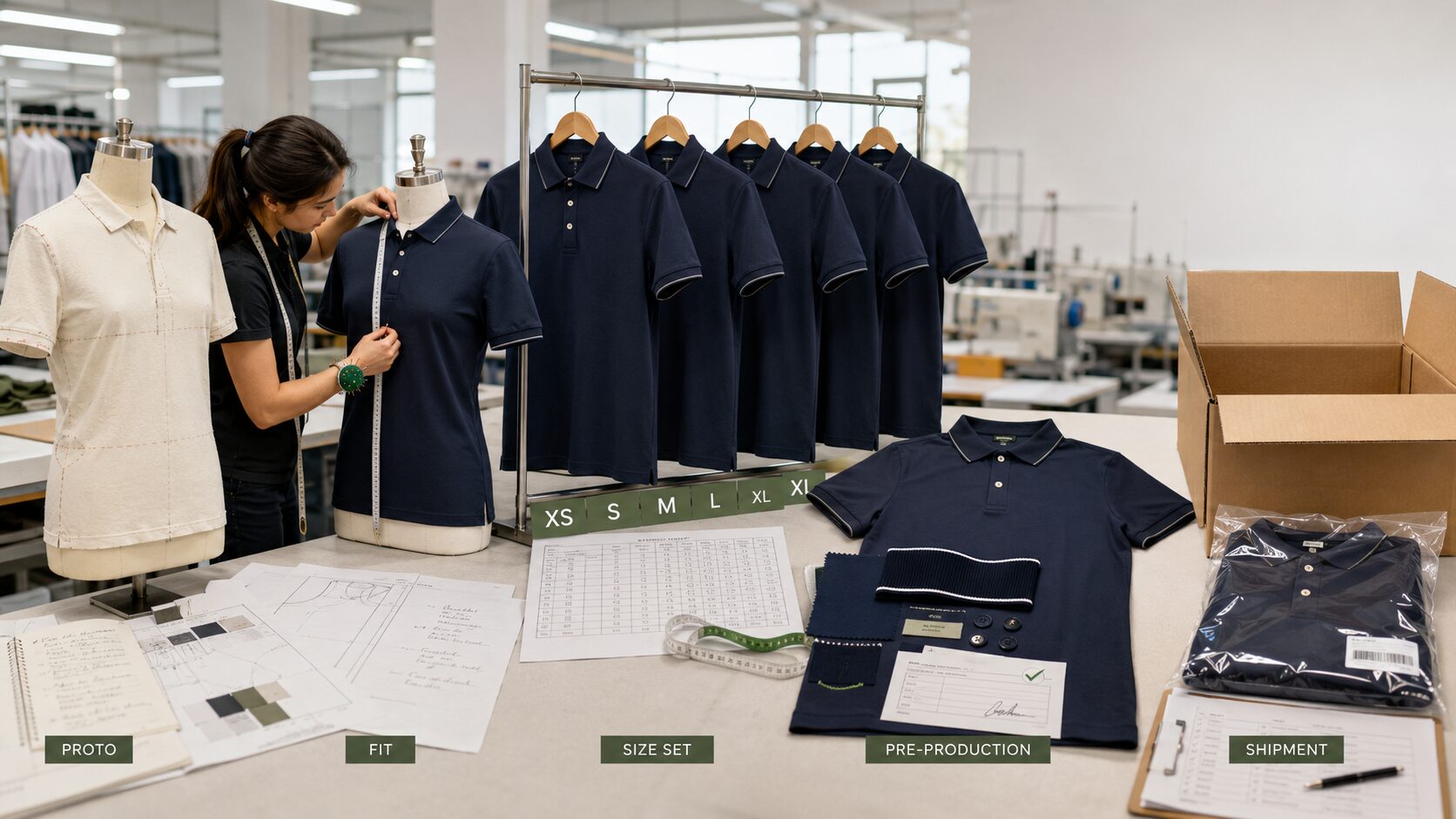
- Apparel Brand Business2026-07-20Garment Sampling Explained: Proto, Fit, Size-Set, Pre-Production and Shipment Samples
- Apparel OEM2026-07-18How to Prepare an Accurate Custom Apparel RFQ: 20 Specifications Every Clothing Factory Needs
- Knowledge2026-07-17How Clothing Factories Control Shrinkage, Color Variation and Size Inconsistency