How to Dress After Shoulder Surgery for Maximum Comfort and Recovery

Recovering from shoulder surgery can be challenging, and dressing safely is one of the first obstacles you’ll face. Whether you’ve undergone rotator cuff repair, labrum surgery, or a shoulder replacement, proper clothing can protect your incision site, minimize pain, and help you move without straining healing tissues. Understanding how to dress after shoulder surgery ensures everyday comfort, mobility, and confidence during recovery.

The Importance of Easy Dressing After Shoulder Surgery

Immediately after surgery, your shoulder will likely be immobilized in a sling or brace. Dressing can become a slow and painful process if you attempt tight or restrictive clothing. Choosing adaptive and post-surgery-friendly garments prevents unnecessary pulling, twisting, or lifting of your arm. Soft, front-opening shirts or specially designed post-op tops allow you to slip the injured arm in first and avoid lifting it overhead.

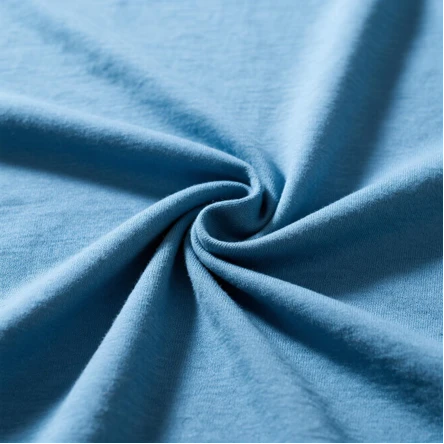
Clothing made of breathable, stretchable fabrics like cotton, modal, or bamboo helps manage temperature and irritation. Avoid garments with heavy seams or tight cuffs that can rub against bandages or sutures. The ideal goal is to make dressing simple, safe, and stress-free.

Best Clothing Options After Shoulder Surgery

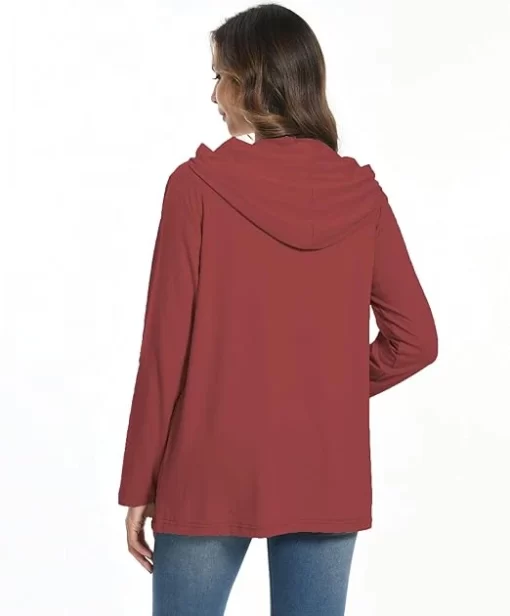
Front-opening shirts, such as button-ups, zip-front tops, or magnetic closure garments, are the gold standard for post-surgery dressing. Loose short sleeves accommodate slings, while side-snap designs make putting on clothes possible with one hand. Adaptive hospital gowns, oversized T-shirts, and snap-shoulder sweatshirts are practical choices for the first few weeks.

Elastic waist pants and drawstring joggers allow for easy dressing without raising your arm. You should also choose slip-on shoes to eliminate the need for bending or reaching. During colder months, layering soft cardigans or shawls keeps you warm without requiring overhead motion.

Founded in 1999, Shenzhen LSLONG Garments Co., Ltd. has grown from a small workshop into a trusted global apparel manufacturer serving more than 200 brands across 50+ countries. With 25 years of expertise, LSLONG specializes in OEM/ODM solutions for sportswear, T-shirts, hoodies, and post-surgery garments—offering high-quality, adaptive apparel designed for both function and comfort.

Core Technology and Adaptive Design Features

Modern post-surgery clothing integrates ergonomic designs that enhance recovery. Hidden magnetic closures align easily without the use of both hands, reducing the frustration of dressing with limited motion. Lightweight compression fabrics can also help with swelling control. Shoulder surgery shirts often feature inner mesh pockets to hold ice packs, supporting post-op cooling therapy.

Moisture-wicking materials maintain skin comfort during long wear, while hypoallergenic textiles prevent irritation near surgical wounds. Detachable sling-friendly sleeves allow healthcare providers quick access for dressing changes or physiotherapy sessions.

According to the latest data from Global Health Wear Analytics, the adaptive clothing market is growing rapidly, projected to surpass 5 billion USD globally by 2028. Increasing awareness among post-operative patients, aging populations, and home rehabilitation demand are driving this expansion. Shoulder surgery recovery wear has become a leading category within adaptive apparel, valued for its function and comfort in mobility rehabilitation.

Patient reviews consistently highlight convenience and design as top priorities, particularly for those recovering at home. Clothing tailored for shoulder surgery patients delivers measurable improvements in recovery adherence and patient independence.

Competitor Comparison Matrix

BrandKey AdvantagesRatingsUse Cases
LSL Shoulder CareMagnetic closures, cooling pocket system4.9/5Shoulder post-op & rehab
ComfortEase RecoveryDeep arm openings, anti-bacterial fabric4.8/5Rotator cuff repair recovery
EasyFit Adaptive WearSoft bamboo stretch, dual-zip design4.7/5Frozen shoulder support
HealFit Medical ApparelSeam-free construction, breathable mesh4.6/5At-home physical therapy wear

Real User Stories and Recovery Goals

Many patients describe the early recovery phase as frustrating due to limited mobility. Jane, a 52-year-old from Phoenix, found that switching from loose button-ups to a zip-front adaptive top cut her dressing time in half. Her physiotherapist noticed improved compliance with home exercises because she felt more comfortable moving her arm gently.

Another user recovering from a shoulder fracture shared that wearing a lightweight magnetic-closure shirt allowed her to avoid pain flare-ups caused by tugging clothing over her shoulder. These small adjustments can significantly impact daily comfort, mental well-being, and overall healing progress.

Common Mistakes to Avoid

Avoid tight pullover sweaters or dresses, as lifting your arm prematurely can slow recovery and reopen stitches. Discontinue use of tops with back zippers or hard buttons along healing areas. When possible, stick to natural fabrics during the first few weeks post-surgery to avoid sweat buildup or fabric stiffness. If you must leave home, layer with jackets that open from the front and ensure the sling remains fully supported.

Washing and Maintenance Tips for Post-Surgery Clothing

During recovery, arm movement is restricted, making routine laundry a challenge. Opt for wrinkle-resistant fabrics that hold shape and softness after multiple machine washes. Choose gentle detergents free from fragrances or dyes to prevent allergic reactions near the incision site. Adaptive clothing is usually safe for low-temperature washes and should air-dry to preserve elastic and closure functionality.

Future Trends in Post-Op Apparel

The future of adaptive post-surgery wear is evolving toward smart textiles and temperature-responsive materials. Manufacturers are experimenting with fabrics that regulate warmth and sense skin hydration to prevent chafing. In addition, antimicrobial fibers and biodegradable materials represent the next generation of sustainable recovery clothing. As remote healthcare continues to grow, adaptive apparel integrated with wearable sensors may help monitor swelling, posture, and healing progress more accurately.

Final Recovery Advice and CTA

Comfort should never be compromised during shoulder surgery recovery. The right post-operative clothing is not just a convenience—it’s part of healing. Choosing adaptive shirts, flexible pants, and soft fabrics can save time, protect incisions, and reduce pain during dressing.

For anyone preparing for shoulder surgery, plan your wardrobe early and test adaptive garments before your procedure. With mindful choices and high-quality recovery apparel, you can regain independence, move safely, and heal with greater comfort every day.

FAQs

1) How can I dress after shoulder surgery to maximize comfort and promote recovery?
Prioritize loose, breathable fabrics with front openings or stretchy panels to avoid stretching the healing shoulder. Choose soft, seamless layers and avoid straps that dig in. Use a front-fastening top and slip-on bottoms for minimal movement. Keep garments within easy reach for frequent checks and dressing aids, ensuring a comfortable, secure fit.

2) What features should post surgery garments have for shoulder recovery?
Look for front closures, wrap design, and magnetic or Velcro fasteners for easy access. Use wide necklines to reduce rubbing, stretchy cuffs, and moisture-wicking fabric to stay dry. Ensure seams lie flat and avoid zippers across the operative area to prevent irritation and pressure.

3) Are there specific fabrics that help during recovery from shoulder surgery?
Choose breathable, soft fabrics like cotton blends with a little stretch. Avoid rough textures that irritate the incision. Moisture-wicking materials help keep skin dry and reduce irritation during activity, while stretchable knits support comfortable movement without pulling at the shoulder.

4) How should I manage wardrobe changes during the initial healing phase?
Plan outfits that open in the front and avoid pulling garments over the head. Use adaptive clothing features such as magnetic buttons or oversized openings. Keep essentials within arm’s reach, and have a helper nearby for first 2–3 weeks to reduce strain on the healing shoulder.

5) What daily routines help maximize recovery when dressing?
Dress and undress slowly in a seated position to minimize shoulder strain. Apply a pillow under the injured arm for support during movement. Practice gentle range-of-motion tasks once approved by a clinician, and wear supportive, comfortable footwear to maintain balance.

6) How can I choose comfortable, practical sleepwear post surgery?
Opt for loose-fitting pajama tops with front closures and soft, breathable fabrics. Avoid tight collars or elastic bands around the shoulder. Consider a longline tee or robe with a belt-free design to prevent pressure on the operative area while sleeping.

7) What role do mobility aids play in dressing after shoulder surgery?
Use dressing aids like reachers, long-handled zippers, and sock helpers to reduce arm elevation. Practice safe, gradual dressing routines and keep frequently used items within easy reach to minimize movement that strains the healing shoulder.

8) When should I consult a clinician about clothing choices after shoulder surgery?
Seek guidance if you experience increased pain, numbness, or swelling when dressing. If fabric irritates the incision or if you cannot perform basic dressing tasks without assistance, contact your clinician or occupational therapist for personalized recommendations.

Author Profile

LISLON Garment Factory
LISLON is a leading China OEM clothing manufacturer based in Shenzhen, Guangdong, the core of China’s garment industry. Founded in 1999, we specialize in custom polo shirts, T-shirts, sportswear, corporate uniforms, and hoodies with flexible OEM/ODM services.
Trusted by global brands like Mercedes-Benz, BYD, China Mobile, and PetroChina, LISLON delivers reliable, high-quality bulk apparel manufacturing. Contact us for expert support on your custom clothing production.