

ODM sportswear refers to apparel designed and manufactured under an Original Design Manufacturing model, where factories create and produce sportswear collections that brands customize and sell under their own label — saving time, reducing development costs, and enabling fast, professional product launches.
Last updated:
Key Takeaways
- ODM gives brands ready-to-produce designs they can customize with colors, logos, and materials.
- It cuts development time and cost versus designing from scratch.
- ODM serves both small-batch startups and brands needing millions of pieces.
- Quality is consistent because the factory manages design and production together.
How Does ODM Sportswear Work?
ODM sportswear works by allowing manufacturers to design ready-to-produce styles that brands adopt with customization options like colors, logos, and materials. This model reduces product development time and cost while ensuring consistent quality, as the factory manages both design and production. ODM manufacturers handle technical detailing, sampling, bulk production, and quality assurance — an end-to-end solution.
What Are the Key Benefits of ODM Sportswear?
- Faster product launches.
- Lower development costs.
- Consistent quality from factory-managed design.
- Reduced design workload — brands focus on branding and sales.
- Scale flexibility from small batches to millions of pieces.
Why Should Brands Choose ODM Instead of OEM?
Choose ODM when you need ready-to-launch sportswear without heavy R&D investment. OEM requires your own designs; ODM provides pre-developed designs tailored to your brand — ideal for startups and fast fashion cycles. For established companies, ODM reduces development risk and speeds market entry.
Which Types of Sportswear Can Be Made with ODM Services?
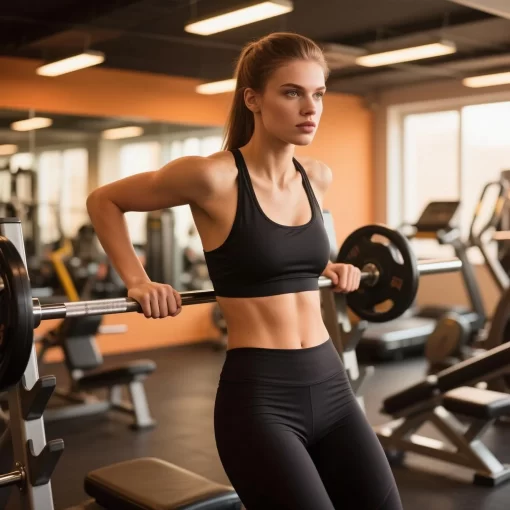
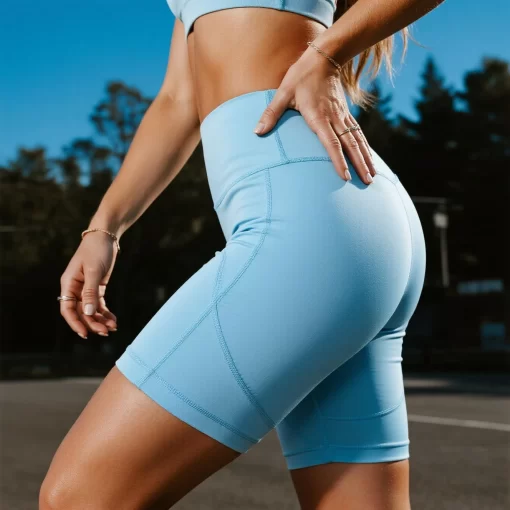
ODM services produce a wide range of activewear: leggings, tracksuits, yoga sets, gym shorts, compression tops, and outerwear designed with moisture-wicking, breathable, or stretch fabrics. See LSLONG sportswear categories.
How Do ODM Manufacturers Ensure Quality Control?
Because the factory designs and produces, specifications are controlled in-house: fabric selection, pattern grading, sampling, and AQL inspection all follow documented systems. LSLONG applies ISO-certified quality control across 500,000+ units monthly.
Could ODM Sportswear Support Sustainable Fashion?
Yes — ODM factories can build collections from recycled fabrics, organic cotton, and eco-friendly dyes, with ISO 14001-certified processes and documented material certifications.
Related LSLONG products manufactured to the same standard:
ODM Sportswear Buyer Decision Framework
ODM works best when a brand wants to adapt an existing manufacturer-developed style rather than fund a completely new pattern and construction. Before choosing it, confirm which parts of the design are shared, which can be changed and who owns the resulting artwork, patterns and tooling.
| Decision | ODM evidence to request | Risk to control |
|---|---|---|
| Design rights | Written license and exclusivity terms | The same base style may be sold elsewhere |
| Customization | Change list covering fabric, color, fit, trims and branding | Changes may convert the project into OEM development |
| MOQ | Minimum by style, fabric color and logo | A low total MOQ can hide color-level minimums |
| Quality | Approved sample, bill of materials and inspection plan | A showroom sample may not represent bulk inputs |
| Reorders | Component availability and change-notification terms | Stock materials can change without notice |
ODM approval checklist
- Identify every standard component and every brand-specific change.
- Approve the actual fabric, color, decoration and graded measurements.
- State who owns patterns, artwork, molds and labels after payment.
- Define the sample sequence and the approval that starts bulk production.
- Require written notice before material or construction substitutions.
- Verify US fiber, care and country-of-origin labeling against the final product.
For US textile labeling, review the FTC Textile Fiber Rule and Care Labeling Rule.
FAQs
What is an ODM sportswear manufacturer?
An ODM offers manufacturer-developed products that a brand can adapt and sell under its own name, subject to the supplier’s design and licensing terms.
Is ODM the same as private label?
They overlap, but private label may involve only branding a standard product. ODM can include broader changes to materials, colors, fit and construction.
Who owns an ODM design?
Ownership depends on the contract. Buyers should document rights to the base design, modifications, artwork, patterns and tooling before development.
What should be approved before bulk production?
Approve the bill of materials, graded measurements, colors, decoration, labels, packaging and a physical pre-production sample.
Related Articles
Official Resources
References
- LSLONG ODM sportswear program documentation, 2026.
- Apparel ODM industry practices, 2025–2026.