Sportswear Fashion Trends 2026: The Convergence of High-Tech Performance and Street Aesthetics

The global sportswear market in 2026 is rapidly evolving beyond the boundaries of the gym, transforming into a lifestyle statement that merges function with fashion. Athleisure has matured into a universal expression of versatility—where technical utility meets modern streetwear aesthetics. Consumers now demand apparel that transitions seamlessly from morning workouts to evening outings, driving brands to reimagine performance design through the lens of everyday style.

check:High-Performance Apparel Solutions

From Gym-Only Gear to Gym-to-Street Fashion

The shift from “gym-only” fitness wear to “gym-to-street” performance apparel is redefining what sportswear represents. No longer reserved solely for athletic activity, today’s consumers see leggings, joggers, and technical hoodies as wardrobe essentials suitable for work, errands, and social settings. According to global retail trend data from 2025, nearly 68% of activewear buyers now prioritize aesthetic versatility alongside breathability and stretch. This evolution challenges brands to merge technological ingenuity—like four-way stretch fabrics, sweat-wicking nanofibers, and odor-resistant treatments—with minimalist visual appeal.

LSLONG’s Minimalist Silhouettes and 4-Way Stretch Innovation

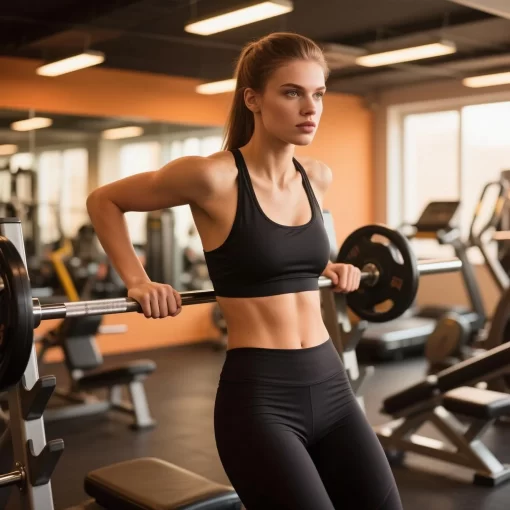
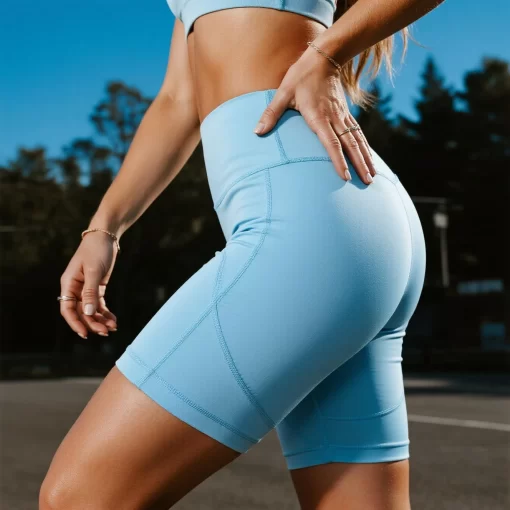
Among the leaders in this transformation, LSLONG’s collections exemplify the harmony between sleek minimalism and advanced textile performance. The label’s signature minimalist silhouettes highlight clean lines, tone-on-tone palettes, and subtle branding that complement the sophisticated urban wardrobe. Engineered with four-way stretch materials, every piece bends, twists, and moves with the body, offering unrestricted mobility while maintaining a refined look that transitions effortlessly from gym sessions to street cafés. The result is apparel that empowers people to move freely without compromising aesthetic appeal.

Founded in 1999, Shenzhen LSLONG Garments Co., Ltd. has grown from a small workshop into a trusted global apparel manufacturer serving more than 200 brands across 50+ countries. With 25 years of expertise, it specializes in OEM and ODM solutions for Polo shirts, T-shirts, hoodies, sportswear, and post-surgery garments—delivering end-to-end services from design to production with certified quality and sustainability standards.

As the athleisure market surpasses $450 billion in projected value by 2026, brands are rethinking their approach to sportswear design. The most successful labels are those that integrate smart technology without sacrificing visual simplicity. Smart fabric integration has become mainstream—temperature-regulating textiles, moisture-reactive coatings, and recycled stretch fiber blends are growing steadily in adoption. Meanwhile, gender-neutral silhouettes and eco-friendly production dominate consumer priorities among Gen Z and millennial demographics, fusing performance with personal identity.

The Rise of High-Tech Utility Aesthetics

Technical utility is the new standard in sportswear fashion. Features once reserved for professional athletes—such as laser ventilation, adaptive compression, and seamless bonding—are now expected in lifestyle garments. Brands that merge these functionalities with fashion-forward form are leading the conversation. Designers are focusing on streamlined silhouettes, modular layering, and muted tones combined with performance attributes like UV protection, antibacterial yarns, and quick-drying fibers. This balance between function and fashion signals a broader cultural shift toward intentional design where every detail serves both purpose and style.

Competitor Comparison Matrix

BrandDesign FocusMaterial InnovationMarket PositionStyle Adaptability
LSLONGMinimalist athletic silhouettesAdvanced four-way stretch, sustainable fibersPremium global manufacturerGym-to-Street seamless wear
NikePerformance-driven streetwearRecycled polyester, Dri-FIT techMainstream athletic luxuryActive-to-casual hybrid
LululemonYoga-inspired comfortNulu and Luxtreme blendsElevated lifestyle wearStudio-to-office wearability
AdidasHigh-street athletic designPrimegreen sustainability lineSport-luxury crossoverEveryday athleisure

Real User Cases and Measurable ROI

For fitness enthusiasts, high-stretch compression leggings and sweat-wicking tees deliver measurable performance gains—better flexibility, faster moisture evaporation, and enhanced comfort during prolonged wear. Urban professionals, on the other hand, experience indirect ROI through increased outfit versatility—reducing wardrobe redundancy while maintaining a polished daily look. Fashion-conscious consumers report a preference for minimalist activewear that maintains structure and drape even after prolonged use, a factor that reinforces LSLONG’s reputation for longevity and design intelligence.

Integrating Style with Sustainable Technology

Sustainability is no longer a niche concern but a driving factor in purchasing decisions. The 2026 consumer expects eco-aligned design: recycled nylon, biodegradable elastane, and waterless dye processes are becoming baseline expectations. Forward-thinking brands utilize closed-loop production systems and low-impact materials to align ethical practices with high-end aesthetics. As shoppers grow more conscious of carbon footprints, transparency in material sourcing and labor practices now differentiates premium sportswear from dated mass-market alternatives.

Future Forecast: The Connected Era of Smart Athleisure

The next frontier in sportswear will see the convergence of connected wearables and AI-enhanced functionality. Smart leggings that monitor biometrics, adaptive jackets that regulate body temperature, and yoga tops with integrated posture sensors will redefine what “activewear” means. However, minimalist design will remain central—technology will quietly empower rather than dominate. By 2027, the leading trend is expected to be “invisible tech”—performance features engineered into sleek silhouettes undetectable to the casual observer.

FAQ

What are the top sportswear fashion trends for 2026?
The sportswear fashion trends for 2026 spotlight tech-enhanced fabricsstreetwear influences, and sustainable materials. Expect performance wear that blends AI-integrated textilesmodular designs, and gender-neutral silhouettes, redefining comfort, function, and style for active lifestyles.

How is technology shaping sportswear fashion in 2026?
In 2026, sportswear technology includes smart fabrics with temperature regulation, biometric sensors, and AI-driven customization. These innovations deliver adaptive performance and comfort, aligning with the growing demand for functional, connected, and data-enhanced apparel.

Why is sustainability essential in 2026 sportswear fashion?
Consumers prioritize eco-friendly sportswear made from recycled fibersbio-based fabrics, and low-carbon production. Brands that emphasize sustainability and transparency gain a competitive edge as ethical fashion drives buying behavior in 2026.

How are streetwear and sportswear merging in 2026?
The 2026 fusion of streetwear and sportswear focuses on urban aesthetics combined with athletic comfort. Expect bold logos, utility-inspired cuts, and versatile pieces suited for gym-to-street transitions, reflecting the athleisure evolution.

What role does customization play in modern sportswear?
Personalized sportswear leverages AI modeling and on-demand production to tailor fit, design, and functionality. This trend supports self-expression while minimizing waste, a hallmark of next-gen apparel manufacturing.

Which colors and materials dominate 2026 sportswear fashion?
Top trends feature iridescent neutralstech-infused color palettes, and recycled textile blends. Materials like bio-nylonplant-based spandex, and breathable mesh fabrics enhance both sustainability and aesthetic appeal.

How can brands stay competitive in the 2026 sportswear market?
Brands must embrace innovation, ethical sourcing, and cross-industry collaborations. Partnering with expert manufacturers like LSLONG ensures high-quality, scalable production aligned with 2026’s design and sustainability demands.

What manufacturing trends are driving the sportswear industry forward?
2026 emphasizes smart automationdigital sampling, and eco-efficient production systems. Global manufacturers such as LSLONG lead this progress with data-driven quality control and fast-turnaround capabilities, supporting brands in the era of smarter, sustainable sportswear.

Final Thoughts: Redefining How the World Wears Performance

The fusion of high-tech performance and elevated street aesthetics marks a new era for global fashion. Consumers are moving beyond brand logos, searching for balance—freedom of movement, conscious design, and timeless simplicity. Brands that master this intersection, as LSLONG demonstrates, will lead the future of athleisure innovation. In 2026, the most valuable currency in sportswear is not only comfort or quality—it’s adaptability, authenticity, and the seamless harmony of style and science.

Author Profile

LISLON Garment Factory
LISLON is a leading China OEM clothing manufacturer based in Shenzhen, Guangdong, the core of China’s garment industry. Founded in 1999, we specialize in custom polo shirts, T-shirts, sportswear, corporate uniforms, and hoodies with flexible OEM/ODM services.
Trusted by global brands like Mercedes-Benz, BYD, China Mobile, and PetroChina, LISLON delivers reliable, high-quality bulk apparel manufacturing. Contact us for expert support on your custom clothing production.