

Sleeping after rotator cuff surgery requires elevated positioning — a 30–45° incline with wedge pillows or an adjustable bed — and back or semi-reclined positions with the arm supported in 10–15° of abduction, while avoiding the operated side for 6–8 weeks. These habits protect the repair and improve sleep quality during recovery.
(Last modified date: September 2, 2026)
Key Takeaways
- Sleep supine (on your back) with an abduction pillow for the first 6–8 weeks.
- Use a 30–45° incline to reduce swelling and strain on the shoulder.
- Never sleep with the operated arm overhead — it can overstretch the repair.
- Adaptive sleepwear with side-access zippers makes nighttime dressing easier.
What Sleeping Positions Prevent Rotator Cuff Re-Injury?
The supine position (back-sleeping) with an arm abduction pillow is safest post-surgery. This keeps the shoulder in 15–30° abduction, reducing tension on repaired tendons. For side-sleepers, transition strategies like torso pillows prevent accidental rolling onto the surgical side. Place a folded towel under the elbow to maintain slight shoulder flexion if abduction pillows feel restrictive. Mechanically, the repaired tendons require about 6 weeks of near-immobilization to heal; a study in the Journal of Orthopaedic Trauma found 37% fewer post-op complications with consistent supine positioning.
Warning: Never sleep with the operated arm overhead — this position increases tensile load on supraspinatus repairs by up to 200%.
Which Pillows Optimize Post-Rotator Cuff Surgery Sleep?
Triangular wedge pillows and abduction cradles are biomechanically designed to maintain shoulder-neutral alignment. Memory foam options adapt to body contours but lack the structured support needed during initial healing. Post-surgery pillows must limit lateral shoulder movement to under 5° per clinical guidelines. LSLONG’s recovery garments with loop-lined shoulders can also attach stabilization pads for nighttime security.
How Long Must I Avoid Side-Sleeping After Surgery?
Avoid sleeping on the operated side for 6–8 weeks. Side-sleeping before week 8 risks sutures overstretching — even brief rotation can delay recovery by 3–4 days. Sleeping on the non-operated side is acceptable once the arm is supported with pillows so the repaired shoulder stays elevated and protected.
Can Medication Improve Post-Op Sleep Quality?
Prescribed NSAIDs or pain medication taken before bedtime can prevent movement-triggered discomfort, helping you stay asleep. Always follow your surgeon’s medication plan and discuss sleep concerns with your care team.
When Can I Return to Normal Sleeping Routines?
Most patients can return to normal sleeping positions once the sling is removed and the surgeon clears range-of-motion — typically around 6–8 weeks, with progression guided by follow-up. See AAOS OrthoInfo for general rotator cuff repair guidance.
How Does Sleepwear Support Recovery?
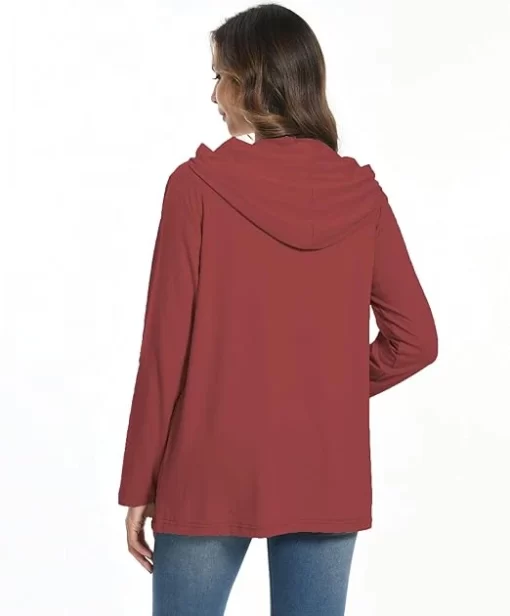
Adaptive sleepwear with side-access zippers and loose fits simplifies nighttime dressing without compromising joint stability. LSLONG supplies OEM post-surgery garments for wholesale brands. See surgery shirts.
Related LSLONG products manufactured to the same standard:
Frequently Asked Questions
Can I sleep on my non-operated side after rotator cuff surgery?
Yes, once the arm is supported with pillows so the repaired shoulder stays elevated and protected — but confirm with your surgeon.
How long should I use a wedge pillow?
Use an incline for the first 4–6 weeks, then transition to flat sleeping as swelling and comfort improve.
What if I roll onto my operated shoulder at night?
Torso pillows and a lightweight sling or Velcro-fastened cushion reduce the risk; if you roll over, check with your care team about any added strain.
Are recovery sleep shirts necessary?
Not mandatory, but adaptive sleepwear makes dressing at night far easier and protects the repair — worthwhile in the first weeks.
Related Articles
Official Resources
References
- AAOS OrthoInfo — Rotator Cuff Repair
- Journal of Orthopaedic Trauma — supine positioning and post-op complications.